REVIEW · LIVINGSTONE
3 Hour Cultural Bicycle Tour in Livingstone
Book on Viator →Operated by Action Bike Tours And Safaris · Bookable on Viator
A bike ride can teach you fast. This 3-hour cultural mountain bike tour turns Livingstone into real conversation, with local markets, a school visit, and village stories shared by guides such as Weze or Song, all while you roll off the main tourist roads. I like that it stays active but not exhausting, and I like that the community interaction feels direct and practical. One thing to consider: you’re cycling for about three hours, so if you’re brand-new to bikes or hate being out on uneven paths, go in with realistic expectations and wear proper walking and cycling clothes.
You can usually pick a morning or afternoon slot, and hotel pickup and drop-off can be arranged. You’ll be provided bottled water and snacks, and you’ll use a mobile ticket. The pace is guided, and the group stays capped at 30, which helps keep the experience from feeling like a big moving crowd.
In This Review
- Key highlights you’ll feel on the ride
- Why this Livingstone bike tour works so well
- Getting your bearings: cycling through town and out toward villages
- The market and school stops: where the tour turns from sightseeing to connection
- Guides like Weze and Song: how stories make the ride click
- Pace, timing, and what the three hours will feel like
- What to wear, what to bring, and how to ride comfortably
- Price and value: is $50 worth it?
- Who should book this bicycle tour in Livingstone
- Should you book the 3-hour cultural bicycle tour in Livingstone?
- FAQ
- How long is the 3-hour Cultural Bicycle Tour in Livingstone?
- How much does the tour cost?
- Is hotel pickup and drop-off available?
- What’s included in the tour price?
- Is lunch included?
- How many people are in a group?
- Does the tour include a mobile ticket?
- When can I take the tour?
- What is the cancellation policy?
- Is the tour near public transportation?
Key highlights you’ll feel on the ride
- Village-and-town cycling: You move around and outside town so you get more than just the main streets.
- Market stop with local context: You learn how daily life works, not just what things look like.
- School visit connected to education: You may see a school that serves over 800 children and understand how it’s supported.
- Guides with real local stories: Names like Weze and Song come up in guides, and their explanations make stops click.
- Bottled water and snacks included: Small comfort, especially in the heat.
- Limited group size (max 30): Enough energy for fun, small enough for conversation.
Why this Livingstone bike tour works so well
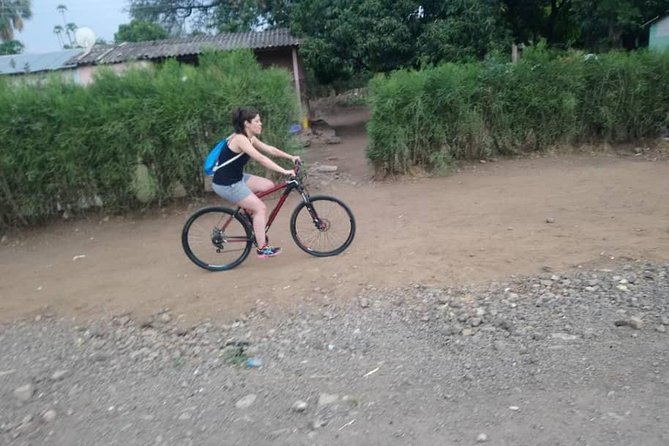
A cultural tour in a new country can go two ways. Either it’s mostly photos and quick stops, or it creates enough time for you to understand how people live. This one lands closer to the second option because you’re on a mountain bike moving through everyday areas rather than being parked in one place.
Livingstone is a place where “tourist time” and “local time” can feel far apart. A ride helps bridge that gap. Instead of rushing between landmarks, you get a slow, human rhythm: pedal, stop, talk, learn, then pedal again. It also keeps you physically engaged. You’ll remember what you see because you were part of the movement, not just watching from a vehicle.
And the best part is that it’s short. About three hours means you can do this and still have time for other Livingstone plans the same day—whether that’s relaxing, exploring on your own, or heading toward bigger highlights in the region.
Getting your bearings: cycling through town and out toward villages
From the moment you set off, you’re not stuck inside a sealed “tour bubble.” You cycle around and outside town on the mountain bike, which gives you a natural overview of Livingstone’s layout—where the everyday streets lead, where quieter paths start, and how neighborhoods connect.
This matters more than it sounds. In a place like Livingstone, the best context often comes from small details: the routes people take, the way shops sit along paths, and how public space works when it’s not designed for visitors. Cycling lets you notice those details without needing a car window to buffer you from the street.
Expect some time with the group together, because you’re moving as one unit. That can mean occasional slowdowns for regrouping, and you’ll likely spend more effort listening than you would if you were independently biking. Still, that’s part of the value: your guide is there to translate what you’re seeing into stories about daily life and tradition.
One practical consideration: “mountain bike” usually implies you’ll deal with rougher ground than you might on a city bike. You’re not told this tour is on smooth, polished paths. So go dressed for both cycling and walking, and keep an eye on your footing during stops.
The market and school stops: where the tour turns from sightseeing to connection
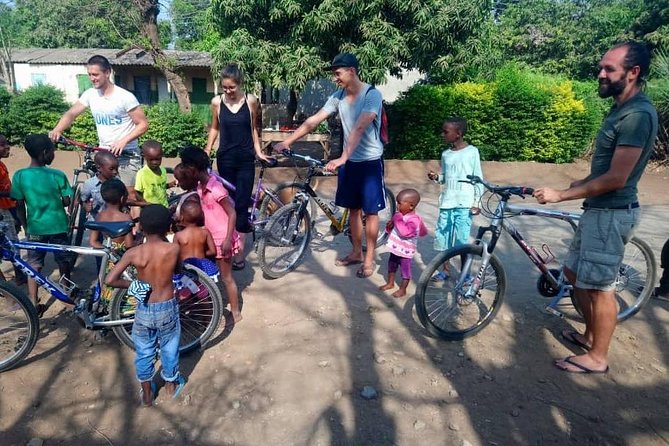
The ride is built around community interaction. Two stops stand out for most people: a local market and a school.
At the market, you’re not just viewing stalls. You’re there long enough to understand what people buy, how they move through the space, and what this everyday hub means to residents. Market time is where the tour stops feeling like a drive-by. You’ll likely hear stories that explain culture and tradition in plain, human terms—how things are organized, why certain items matter, and how daily needs shape routines.
Then comes the school visit, and it’s a big emotional moment for many visitors. Reviews point to a school that serves over 800 children, which helps you grasp the scale of what education support can look like in real life. You’ll get the chance to see the place, learn about how it’s supported, and understand why the guide’s perspective matters. This isn’t just a photo stop; it’s the part where education becomes personal.
There’s also a subtle learning angle here. When you visit a village school, you’re seeing infrastructure and planning choices, not just buildings. You start to connect what you’ve been told about local priorities with what you see on the ground.
The only “watch out” is emotional stamina. School and community visits can hit harder than you expect, especially if you’re sensitive to disparities. If you’re traveling with kids or you’re prone to getting overwhelmed, pace yourself and keep your expectations gentle.
Guides like Weze and Song: how stories make the ride click
This tour depends on more than bikes. It depends on the guide. In the feedback I’ve seen, guides such as Weze and Song show up repeatedly, and the consistent theme is context: the guide doesn’t just point; they explain.
That’s what turns a bike ride into a cultural experience. You’re moving through living spaces, so you’ll want someone to help you interpret the scene without guessing. When a guide shares the intricacies of African life—how people organize daily tasks, what traditions mean, and how community networks function—you start to read the town differently.
Guides also help keep things respectful. Markets and schools are not “sets.” They’re places where people work and learn. A good guide makes sure you stay aware: where to stand, when to ask questions, and how to keep interactions comfortable for everyone.
You should also know that group sizes can shape the feel. With up to 30 people, it’s still a manageable crowd, but it won’t be a private one-on-one. Your best chance for dialogue is to ask questions at stops and during slower moments. If you want a conversation-heavy experience, aim for the morning slot when you might have fewer fatigue factors later in the day.
Pace, timing, and what the three hours will feel like
About three hours is a sweet spot for cycling tours—long enough for real movement, short enough to avoid “we’re done” burnout. That’s exactly what you’re buying here.
You’ll typically start with cycling to build momentum, then you’ll slow down at the community stops to listen and observe. The rhythm tends to be: ride, regroup, talk, walk a bit, then ride again. The walking component isn’t described in detail, but your clothing should work for both cycling and walking, which tells you there will be time on foot at stops.
In real-world terms, you should plan to arrive ready. This is not a “slow cruise with stops that take forever” tour. You’re on a bike for much of the session, and stops are timed to fit within the total duration.
Also, consider the local conditions. You’re in Zambia, and heat can affect energy levels fast. That’s why the bottled water and snacks included part matters. It’s not a luxury add-on; it’s practical support so you don’t feel underpowered at the market and school visit.
What to wear, what to bring, and how to ride comfortably
The tour doesn’t ask for special gear beyond sensible clothing, but it does tell you exactly what to prepare for: cycling and walking. Here’s what that translates to.
Wear clothes that won’t restrict your legs while riding, and shoes that work both on foot and around town paths. If you show up in flip-flops or heavy clothing that’s only good for sitting, you’ll feel it within the first hour.
Because water and snacks are provided, you don’t need to pack your own for this specific tour. Still, I’d keep the essentials with you in case you get thirsty between stops or just want extra comfort: sun protection and a small personal item for your phone or wallet (depending on how you prefer to carry things).
One more practical tip: bring a calm, flexible attitude. This is a community-focused experience. If you want perfect quiet and perfect timing like a theme park, you might be disappointed. If you want everyday life, you’ll do great.
Price and value: is $50 worth it?
At $50 per person, this tour sits in the range where you should be asking, “What am I really paying for?” The best answer is the combination: guided cycling time + community access + included refreshments.
You’re not paying extra for lunch because it’s not included. But you are paying for a guided route that puts you close to local life, including a market stop and a school visit. Those parts are the value drivers, because they cost time and require coordination. The water and snacks also reduce the chance you’ll feel stressed or hungry during the ride.
You’ll also benefit from the structure: limited group size (max 30), and pickup/drop-off can be arranged. That lowers friction. If you’re staying nearby, it can make the tour feel easier than trying to organize the same kind of day on your own.
Booking timing matters too. On average, this tour is booked about 30 days in advance. If you have fixed travel dates, don’t wait until the last minute. Three-hour windows are convenient, but availability can still move.
Who should book this bicycle tour in Livingstone
This is a strong fit if you:
- Want an off-the-main-streets view of Livingstone instead of only central attractions
- Like learning through conversation and observation, not just seeing sights
- Feel comfortable cycling for roughly three hours
- Want a short cultural activity you can pair with other plans the same day
It’s also a nice choice if you’re traveling solo. The tour can be with a group no larger than 30, and the structure helps you meet up with others without turning it into a chaotic experience.
It may be less ideal if you:
- Have limited biking ability or strong concerns about uneven ground
- Are looking for a tour that includes a full meal (lunch is not included)
- Want a purely photo-focused outing without community interaction
Should you book the 3-hour cultural bicycle tour in Livingstone?
If you want Livingstone through everyday life, I think this tour is worth serious consideration. The biggest wins are practical: you get around by mountain bike, you see town and village areas, and you spend time at the market and a school serving 800+ children. Those stops change the trip from sightseeing to understanding.
Book it if you’re ready for active travel, you can handle three hours on a bike, and you’re open to hearing real stories from guides like Weze and Song. Skip it (or choose a different format) if cycling is a deal-breaker for you or if you absolutely need lunch included.
If you do book, wear clothes for cycling and walking, show up ready to pedal, and come with a few simple questions. The tour’s value is in the back-and-forth, and that’s where your time feels like it matters.
FAQ
How long is the 3-hour Cultural Bicycle Tour in Livingstone?
It lasts about 3 hours.
How much does the tour cost?
The price is $50.00 per person.
Is hotel pickup and drop-off available?
Yes. Hotel pickup and drop-off can be arranged.
What’s included in the tour price?
Bottled water and snacks are included.
Is lunch included?
No. Lunch is not included.
How many people are in a group?
The maximum group size is 30 travelers.
Does the tour include a mobile ticket?
Yes, you receive a mobile ticket.
When can I take the tour?
It can be scheduled for either the morning or the afternoon.
What is the cancellation policy?
You can cancel for a full refund up to 24 hours in advance of the experience’s start time. If you cancel less than 24 hours before, the amount paid will not be refunded.
Is the tour near public transportation?
Yes, it is near public transportation.