This Saumur e-bike and wine outing is a smart way to see the Loire Valley without turning the day into a sweat-fest. I like how easy the riding feels and how wine tasting is built into the route, not treated like an add-on. The day also mixes in small villages and religious sites that give the region its rhythm beyond vineyards.
One consideration: you’ll need to be comfortable riding at a steady, relaxed pace for several hours, and the tour runs only in good weather (they’ll reschedule or refund if conditions are poor).
If you enjoy combining great viewpoints with a few well-timed stops, this is the kind of day that makes you feel like you saw “more Loire” than you expected.
In This Review
- Key highlights (the good stuff)
- Cycling the Loire the easy way: why this works
- Where the day starts: Saumur’s Ardilliers meeting point
- Stop 1: Gratien et Meyer and the Art Deco Loire sparkle
- Stop 2: Château de Targé, picnic energy, and an old wine-press story
- Stop 3: Our Lady of Ardilliers and pilgrimage before Lourdes
- Stop 4: Souzay-Champigny and the troglodyte underground shops
- Stop 5: Montsoreau on the Loire banks
- Stop 6: Turquant picnic time and real food with options
- Stop 7: Candes-Saint-Martin and Collegiale Saint-Martin de Candes
- Guides, pacing, and the small-group advantage
- Price and value: what you’re really paying for
- Who should book this Saumur e-bike and wine day
- My practical tips before you go
- Should you book this tour?
- FAQ
- How long is the e-bike cycling and wine experience?
- What is the group size?
- Is the tour offered in English?
- Where do we meet, and where does the tour end?
- Is wine tasting included?
- Are tickets or admissions included?
- Can most people participate, even without e-bike experience?
- Is the tour suitable for children?
- What happens if the weather is bad or the minimum number of travelers isn’t met?
- When will I receive confirmation after booking?
Key highlights (the good stuff)
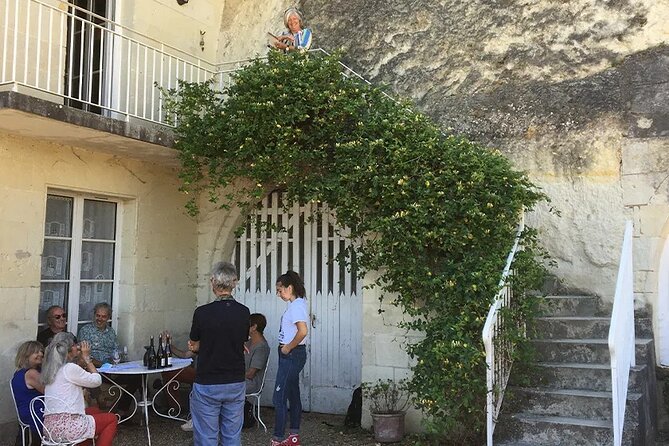
- Small group size (max 6) keeps the pace calm and the guide’s attention focused
- Sparkling wine tasting at Gratien et Meyer in an Art Deco setting overlooking the Loire
- Story-led visit at Château de Targé with a look at what remains of the area’s oldest wine press
- Troglodyte village time in Souzay-Champigny, where underground life once shaped daily commerce
- A real picnic lunch with care for dietary needs, plus time to slow down at Turquant
- Two guides by name in the experience: Kevin leading the ride and Denise handling the picnic/catering
Cycling the Loire the easy way: why this works
The Loire Valley is made for cruising—wide river bends, vineyard slopes, and that constant “how is it so pretty?” feeling. The catch is that doing it on standard bikes can be tiring, especially if you’re juggling photos, stops, and traffic around viewpoints.
That’s why an e-bike changes the whole math. You’re still riding, still moving through the landscape, but you’re not paying for it later with sore legs and regret. The route is designed so you get breaks and visit stops without feeling rushed, which is a big deal in a region where sites can be spaced out.
Also, the group size matters. A max of six people keeps the day from turning into a long line of strangers. You’re more likely to get practical help with the bike pace and to ask questions about what you’re seeing—history, place names, and why certain areas became important for wine and pilgrimage.
One more quiet win: the tour ends back at the starting point, which makes it easier to plan the rest of your evening in Saumur.
Where the day starts: Saumur’s Ardilliers meeting point
You begin at 7 Pl. Notre Dame des Ardilliers, 49400 Saumur. This is a handy location if you’re already staying in or near the old-town area, and it sets the tone: you’re starting with the Ardilliers area, not just “meeting beside a parking lot.”
From the start, the plan is to get you rolling along the Loire corridor and then layer in a sequence of stops—wine first, then culture and village life, then more viewpoint time. That ordering helps. You’re not trying to “eat and wine” while still feeling like you need to get your bearings; the day gradually builds.
If you’re the type who likes to know where you’re going next, you’ll appreciate that the schedule flows logically: tasting, chateau storytelling, then pilgrimage and cave villages, and finally riverbank villages and the picnic window.
Stop 1: Gratien et Meyer and the Art Deco Loire sparkle
Your first wine stop is Gratien et Meyer, housed in an Art Deco building with views over the Loire. This matters more than it sounds. Loire wine culture isn’t only about taste—it’s also about setting. When you’re tasting in a building that looks out over the river, you get that physical sense of why these vineyards and producers grew here.
At Gratien et Meyer, you get the chance to degustate the renowned Fizz. Admission is free for this portion, and there’s also an option to buy if you want to take a bottle (or two) home.
Why this stop is a great opener:
- You start with something immediate and festive—sparkling wine—so the day feels special right away.
- You get a tasting that’s tied to place, not just a generic pour-and-go.
Possible drawback: this is a tasting stop, not a long museum-style visit. If you’re hoping for a deep production walk-through (more technical than conversational), you might wish the visit were longer. That said, the trade-off is you get more varied stops later.
Stop 2: Château de Targé, picnic energy, and an old wine-press story
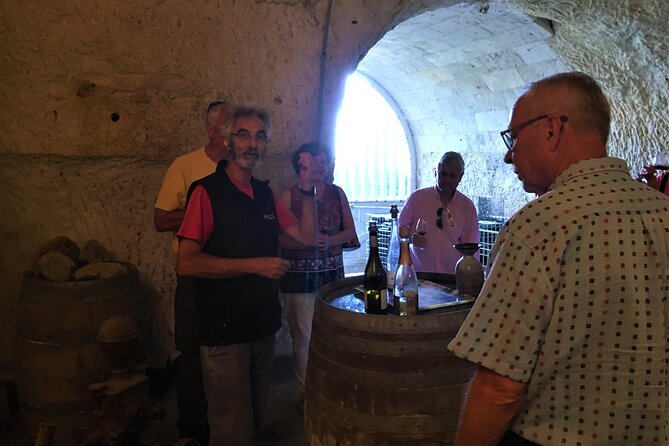
Before the next wine segment, you’ll have time for a picnic nearby and then head to Château de Targé. This is one of the older vineyards in the Loire Valley, and what makes it memorable is the storytelling aspect.
The owner, Edouard, shares the heritage of his family and the chateau. That’s the part I love for readers: it gives you context you can carry into tasting. You’re not just tasting; you’re hearing why certain traditions survived and how the landscape shaped the work.
Here you also have the chance to see what remains of the oldest wine press in the region. That kind of detail turns an ordinary tour stop into something you’ll still remember months later, because it ties you to the physical history of how wine was made here.
You can also buy wine at this stop. Admission is free, and the vibe is more “small, meaningful visit” than “factory tour.”
One note to consider: wine producers can move at their own pace depending on the day and group flow. If you prefer super-structured schedules with no downtime, keep expectations flexible. The day is paced for conversation, photos, and tasting rather than ticking every box at high speed.
Stop 3: Our Lady of Ardilliers and pilgrimage before Lourdes
From wine to faith—yes, it’s a sharp change, but it fits the Loire Valley. Your next stop is Our Lady of Ardilliers, where the church was built on a site associated with a miracle. The story unfolds inside, and the tradition here reaches back to pilgrimage days long before Lourdes became famous.
This stop is short—about 30 minutes—but it gives you a sense of how the region functioned for generations. Not everything here is about grapes. Some of it is about people traveling for hope, healing, and community.
Drawback to keep in mind: if you’re not interested in religious sites or legends, this stop may feel like a quick detour. Still, it’s part of the region’s identity, and the short time helps it stay from feeling like filler.
Stop 4: Souzay-Champigny and the troglodyte underground shops
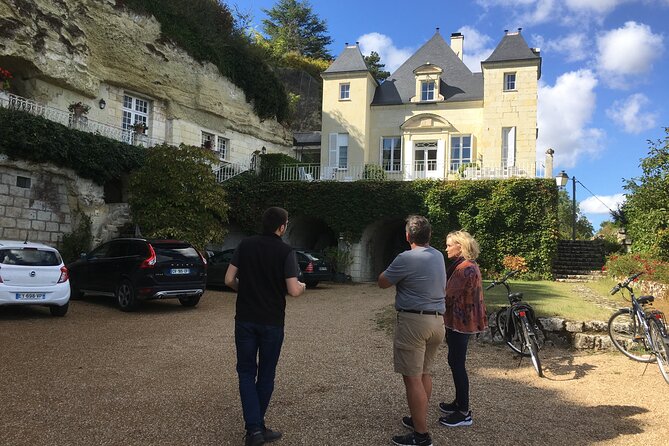
Next you’ll explore Souzay-Champigny, known for its troglodyte village—where life was shaped by being carved into the rock. Think underground shops, not just random cave walls.
This is one of those stops that makes people perk up because it’s visual and unusual. You can walk around and immediately understand the practical logic: cooler interiors for certain uses, protection from weather, and clever use of space.
The main value here is variety. The day started with sparkling wine. Then you got chateau heritage. Now you’re looking at how people lived and traded, right under the surface.
If you’re prone to claustrophobic feelings, you’ll want to go at your own comfort level. The time is brief enough that you can manage it without committing to a long underground stretch.
Stop 5: Montsoreau on the Loire banks
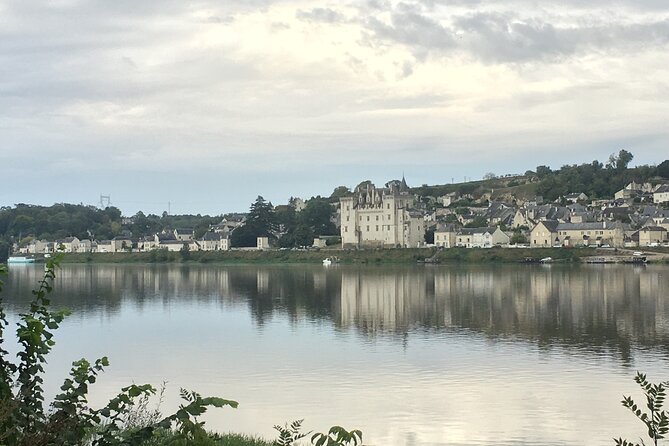
Then comes Montsoreau, a beautiful village on the Loire River. This stop is short (about 30 minutes), which is perfect for getting photos and stretching your legs without turning the day into constant parking-lot hopping.
Why it’s worth it:
- You get a riverbank feel that complements the troglodyte stop
- It breaks up the wine-and-church rhythm with pure scenic walking
If your plan is to photograph, arrive with a plan for where you’ll stand and what you’ll shoot first. With limited time, it helps to think ahead.
Stop 6: Turquant picnic time and real food with options
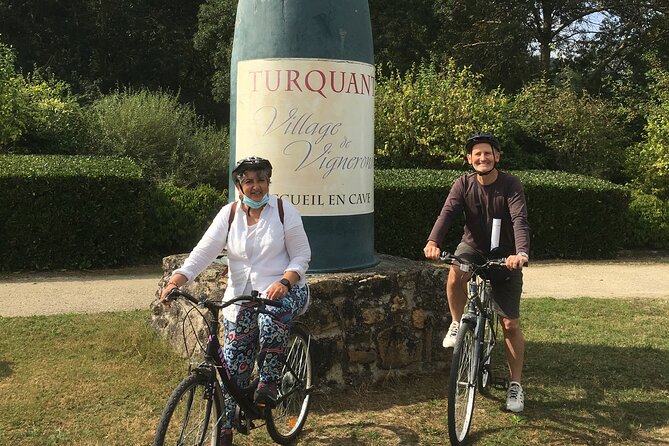
At Turquant, the day shifts into lunch mode with about 1 hour of picnic time.
The big takeaway from the experience is that the picnic isn’t treated like an afterthought. In the accounts tied to this tour, Denise prepares the lunch and is able to handle dietary needs. That’s an important value signal for you: it means the food plan is designed for real people, not just a one-size-fits-all box.
You’ll also hear praise about the picnic being a surprise and even including homemade cake. Whether you’re strict about what you eat or just want something tasty and filling, this is the part of the day where the pacing really pays off. After wine tastings and a few stops, having time to sit down lets everything settle before the final cultural segment.
And yes, on hot days, it helps that people mention being provided with water—so you’re not stranded halfway through your ride.
Stop 7: Candes-Saint-Martin and Collegiale Saint-Martin de Candes
The last major stop is Collegiale Saint-Martin de Candes, with time to explore and learn about St Martin’s influence on the region.
This is where the day ties together. You started with wine, moved through pilgrimage, then underground village life, and now you end with a religious and cultural anchor tied to who shaped the area’s identity.
It’s about 30 minutes, so you’ll leave with key ideas, not a full lecture marathon. Still, because the guide (again, Kevin is repeatedly mentioned) brings geography and history into the ride, the church stop tends to land well.
If you’re trying to decide if this tour is “too many stops,” this is one reason it works: each stop has a different angle, and by the end it feels like a single story of the Loire Valley rather than random stops.
Guides, pacing, and the small-group advantage
Two names show up again and again here: Kevin for the guided cycling and Denise for picnic/catering. That division of roles matters. It means you’re not waiting for one person to handle everything at once.
The ride itself is described as easy cycling and well managed. In practical terms, that usually means:
- You’re not stuck in a sprint line
- You get time to stop for photos and explanations
- The guide keeps the group together without turning it into a rushed conveyor belt
In a region like the Loire Valley, that kind of pacing is worth paying for. A great wine day isn’t only about the wine. It’s about whether you can actually enjoy each moment.
Also, this tour has a maximum of six travelers. That makes a difference if you want questions answered, if you prefer a calmer rhythm, or if you’d rather not spend your day negotiating bike timing with strangers.
Price and value: what you’re really paying for
At $201.35 per person, the price can look steep until you map it to what’s included.
Here’s the value logic:
- You’re paying for e-bikes and a guided route in the Loire Valley
- You get wine tasting opportunities at major stops (including the Fizz tasting at Gratien et Meyer)
- Several attraction stops have admission ticket free included
- You get a catered picnic lunch, with help for dietary needs mentioned in the experience accounts
When you add that up, the cost feels more reasonable—especially compared to piecing together bike rental, separate wine tastings, and lunch on your own.
The fact the experience runs about 5 to 6 hours is also relevant. This isn’t a half-hour taste-and-zoom. It’s a full outing where the planning effort is already done for you.
Who should book this Saumur e-bike and wine day
This tour fits you best if:
- You want an active day without exhausting yourself
- You like wine tastings but also want village and cultural stops
- You care about the quality of the lunch, not just that food exists
- You prefer a small group and a guide who shares stories as you ride
You might want to pick something else if:
- You’re not interested in churches, pilgrimage stories, or troglodyte villages
- You’re looking for a long, intensive wine-production tour rather than tastings and heritage storytelling
- You’re traveling with kids under 16, since it’s not suitable for under 16s
My practical tips before you go
- Dress for mild weather and plan for changes. The tour can be canceled due to poor conditions, so bring a light layer and rain protection if the forecast looks uncertain.
- Pace yourself with the wine. The day includes cycling, walking, and multiple stops—so sip, enjoy, and don’t overdo it early.
- If you have dietary needs, tell the organizers during booking so Denise can plan accordingly. The whole point here is that the picnic can be adapted.
- Bring your camera habits. You’ll want photos at the Loire viewpoints, at troglodyte areas, and in Montsoreau’s riverfront zone.
Should you book this tour?
I’d book it if you want a Loire Valley day that feels like it has structure and spontaneity. The combination of e-biking, a sparkling wine tasting at Gratien et Meyer, a heritage-led stop at Château de Targé (with that old wine-press detail), and a real picnic prepared by Denise makes it a strong value.
Skip it if you want a slow, museum-style itinerary or if you’re uncomfortable with any degree of cycling over several hours. Also remember it depends on weather, so don’t plan something critical right next door on the same day.
If you’re in Saumur for a short stay and want the region’s highlights without car logistics, this is exactly the kind of day that helps you feel like you got the best of the Loire.
FAQ
How long is the e-bike cycling and wine experience?
It runs about 5 to 6 hours.
What is the group size?
The tour has a maximum of 6 travelers.
Is the tour offered in English?
Yes, it’s offered in English.
Where do we meet, and where does the tour end?
You meet at 7 Pl. Notre Dame des Ardilliers, 49400 Saumur, France, and the experience ends back at the same meeting point.
Is wine tasting included?
Yes. You’ll have a wine dégustation at Gratien et Meyer, and you’ll also have the opportunity to buy wine at both Gratien et Meyer and Château de Targé.
Are tickets or admissions included?
Admission tickets are listed as free for the stops included in the experience.
Can most people participate, even without e-bike experience?
Most travelers can participate, and the cycling is presented as easy.
Is the tour suitable for children?
No. It’s not suitable for under 16s.
What happens if the weather is bad or the minimum number of travelers isn’t met?
If canceled due to bad weather, you’ll be offered another date or a full refund. If the minimum number of travelers isn’t met, you’ll also be offered another date or a full refund.
When will I receive confirmation after booking?
Confirmation is received within 48 hours of booking, subject to availability.