REVIEW · PRETORIA
History Bicycle Tour of Soweto
Book on Viator →Operated by Cycle in Soweto · Bookable on Viator
Four hours, two wheels, heavy stories. This Soweto bike tour pairs street-level views with clear context on life under and resistance to Apartheid, starting at the Hector Pieterson Memorial. I like the way the route mixes major landmarks (Regina Mundi, Mandela’s house) with smaller, everyday places (hostels, orphanage, churches). I also like that you ride with a local guide who keeps the focus on what you’re seeing, not just facts. One thing to plan for: expect intense heat and, in some cases, very basic bikes.
The pacing is built for a short, memorable ride: about 4 hours, up to 10 people, and you finish with time to visit the Hector Pieterson Museum on your own. You’ll also stop at Orlando West High School to learn about the 1976 student uprising connected to Hector Pieterson. The route includes some uphill work, and comfort will depend on the bike you get.
Here’s the balance: this can be an unforgettable, meaningful way to understand Soweto without sitting still, but it’s not a luxury spin class. Bring your sun gear, and be ready to speak up if something about the bike doesn’t feel safe.
In This Review
- Key Highlights You’ll Actually Feel on This Tour
- Getting Oriented at Hector Pieterson Memorial in Orlando West
- Pedaling Through Soweto’s Early Years and Everyday Places
- Orlando West High School and the 1976 Student Uprising Stop
- Mandela and Desmond Tutu Homes: What You’re Seeing, and Why It Matters
- Regina Mundi Church, Churches, Hostels, and a Squatter Camp View
- The Bike, the Heat, and Staying Safe on Basic Two-Wheelers
- Price, Group Size, and What You Get for $40.91
- How Long Is Enough, and Who Should Book This 4-Hour Ride
- Should You Book This Soweto Bicycle Tour?
- FAQ
- How long is the History Bicycle Tour of Soweto?
- Where does the tour start?
- Where does the tour end?
- What’s included in the price?
- Is hotel pickup or drop-off included?
- How many people are in the group?
- Do I need to bring my own bike or helmet?
- Is the tour suitable for children?
- What’s the cancellation policy?
Key Highlights You’ll Actually Feel on This Tour
- Start at Hector Pieterson Memorial and get your bearings before the ride
- Orlando West High School stop focused on the 1976 uprising and Hector Pieterson
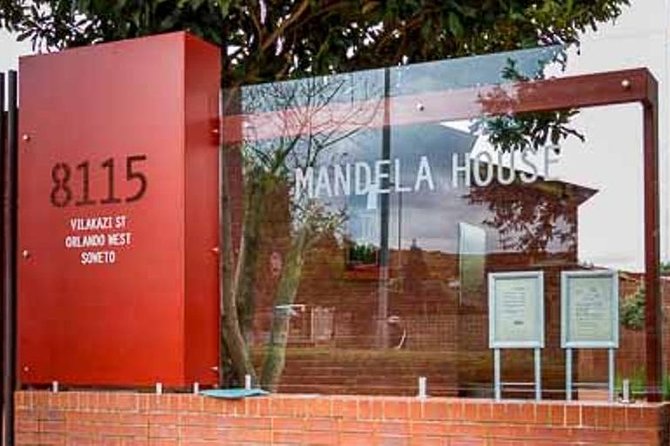
- Mandela-linked and Desmond Tutu–linked homes as part of a wider neighborhood story
- Regina Mundi church and other community sites that help you read the area beyond headlines
- Basic bikes with real road time (and real hills) that make this more active than sightseeing tours
- Finish at Coffee and Cream cafe after the ride, with optional museum time on your own
Getting Oriented at Hector Pieterson Memorial in Orlando West
Most tours start when you’re already tired. This one starts while you still have the energy to focus. You meet at the Hector Pieterson Memorial on Khumalo Road in Orlando West, then set off by bike from there. That first stretch matters because the tour isn’t only about ticking off famous names. It’s about learning how the neighborhood connects to the struggle against Apartheid and the people who lived through it.
I like that the guide doesn’t treat history like a separate chapter you read in a textbook. The story begins as you ride through the township and see it as a lived place, not a museum exhibit. You’re also told the township was first established in 1904, which gives you a baseline for how long these streets and community institutions have shaped lives.
From the start, the tone is practical: you’ll be cycling through active neighborhood roads, with plenty to notice as you go. That means you need to pay attention early—keep your eyes up, and don’t fall into autopilot. This is especially true if you’re not used to city riding or hilly terrain.
You can also read our reviews of more tours and experiences in Pretoria.

Pedaling Through Soweto’s Early Years and Everyday Places
One of the best parts of this tour is that it doesn’t rush from one landmark to the next without texture. Along the way, you’ll see places tied to the township’s long evolution: a mineworkers’ hostel, an orphanage, several churches, and a squatter camp. You’ll also pass the “where” of the story—how people lived, gathered, worked, and built community in the same general area where politics and repression were playing out.
I find that combination powerful because it keeps the tour grounded. When you only visit big sites, it’s easy for history to become distant. When you also see places like a hostel or orphanage, it feels like human scale: institutions that mattered to daily life, not just big political speeches.
The route is designed for learning by observation. You hear about the movement of black South Africans against Apartheid, and you get pointed toward sites that make that movement easier to understand—without turning the whole thing into an abstract lecture.
There’s a catch: the tour is active. You’re on a bike for about 4 hours. Expect hills and stop-and-go riding, and don’t underestimate heat. One review specifically called out intense warmth and recommended a full hat instead of just a cap plus heavy sunscreen. That advice is smart. In this kind of sun, your goal is to prevent fatigue before it steals your attention.
Orlando West High School and the 1976 Student Uprising Stop
This is where the tour sharpens. You stop at Orlando West High School to learn about the 1976 student uprising against Apartheid, including the death of Hector Pieterson. It’s a focused moment in the middle of the ride, not something you hear while passing at speed.
I like that the tour gives you a dedicated stop for this part of the story. You’re not just looking at a building—you’re getting the context for why that location is tied to a specific turning point. It also helps you connect the dots back to where you started at the Hector Pieterson Memorial.
Then there’s an extra layer of flexibility: after the tour ends, you can visit the Hector Pieterson Museum on your own. That’s useful because you can control how long you stay with the material that hits you hardest. Some people want to skim; others want time to absorb.
If you’re the type who needs a moment after heavier history, build in a small mental breather before heading into the museum. The bike part of the tour keeps moving, so it’s normal to feel a bit “switched on” when you step back from the ride.
Mandela and Desmond Tutu Homes: What You’re Seeing, and Why It Matters
The tour includes stops at houses where Nelson Mandela once lived and where Archbishop Desmond Tutu once lived. That’s a big deal on paper. On the ground, it becomes more than a name because you’re seeing these locations inside a real township setting where daily life continues alongside the weight of the past.
I like how this tour frames those homes as part of a bigger community story rather than isolated celebrity stops. You don’t just hear the names; you see them in relation to churches, schools, and other local institutions you’ve already been introduced to during the ride.
This is also where you should bring your questions. If something about the route feels unclear—like why certain buildings sit where they do—ask your guide. A good guide will connect the sites to the wider movement against Apartheid and to the way community life continued.
One more practical note: since you’re cycling, you’ll likely have brief viewing moments rather than long photo sessions. Come ready to look first and shoot second. You’ll get more out of it if you treat the stops like story anchors, not photo backdrops.
Regina Mundi Church, Churches, Hostels, and a Squatter Camp View
You’ll see Regina Mundi church as part of the tour, alongside several other churches during the ride. Religion, community gathering, and organization often show up in township stories, and this route uses those sites to help you understand how people found structure and support amid pressure and change.
The tour also takes you past a squatter camp. That stop is important, but it can also feel intense. I recommend you keep your focus respectful and straightforward. You’re there to understand context, not to treat people’s homes like scenery.
You’ll also pass a mineworkers’ hostel and an orphanage. These stops help show how the township held people together through work, care, and survival. It’s a lot to take in during one ride. If you’re feeling mentally full, that’s normal. Give yourself a slow moment after the tour ends so you can process without rushing into more destinations.
The Bike, the Heat, and Staying Safe on Basic Two-Wheelers
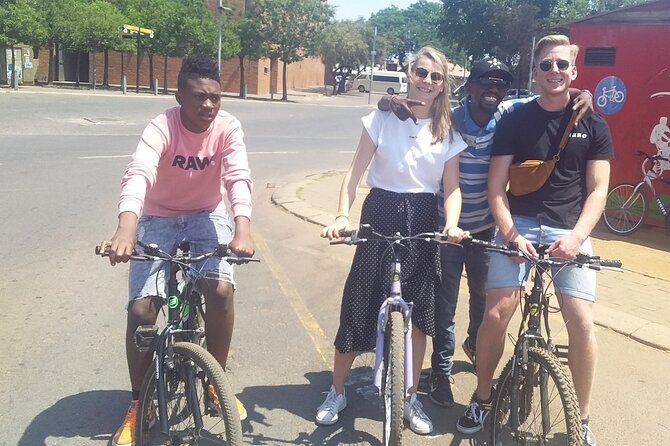
This tour can feel like a “real riding” experience, not a gentle guided cruise. Bikes are provided, and you get a helmet, but the review feedback is clear: bikes may be old and basic. One positive note mentioned surprising uphill biking and basic bikes, yet said it was worth it and credited the escort and explanation from the guides. Another review highlighted that the roads were interesting and not for the faint hearted.
Now the important part: there’s at least one serious safety complaint in the reviews. That report described badly maintained bikes—wheels that were out of true, brakes that didn’t work, and no gears—plus concern about child seating fit and safety.
You should treat that as a “check before you roll” signal. Before setting off, ask the guide to confirm:
- that the brakes feel solid and responsive
- that the bike fits your body correctly
- that you understand how braking works on the specific bike you’re given
If you’re traveling with kids, take extra care. The data says seats can be difficult to adapt on the provided bikes, so families should be ready to double-check fit and safety rather than assume a standard setup will work.
And again: heat. A review called out the need for a full hat, not just a cap, plus sunscreen. Plan as if you’ll be in strong sun for a while. Bring water if allowed by your comfort needs, wear breathable clothing, and don’t overdress in thick layers that will make the hills feel worse.
Price, Group Size, and What You Get for $40.91
At $40.91 per person for about 4 hours, this tour prices itself as an accessible way to learn and move. What you get for that money is practical: a local guide, bicycle use, and a helmet. You’re also not paying for hotel pickup, which keeps the price lower but means you’ll need to get to the meeting point yourself.
The small group size (maximum 10 travelers) matters. In a compact group, the guide can pause, answer questions, and keep you from falling behind in busier neighborhood stretches. It also makes it easier to ask about bike fit and route details without feeling rushed.
Is it good value? For many people, yes—especially if you want a guided way to see Soweto’s key sites without doing it alone or by car. The “value” part comes from the mix: you’re seeing Mandela-linked locations, a major church, school sites tied to the 1976 uprising, and multiple community institutions, all in a single half-day.
But value has a condition: the experience depends on bike condition and your comfort riding on neighborhood roads. If you’re sensitive to rough bikes or you’re expecting a smooth, modern bike, you might feel disappointed. That’s why it’s smart to take the safety check seriously.
How Long Is Enough, and Who Should Book This 4-Hour Ride
Four hours is a sweet spot. It’s long enough to feel like you covered ground and heard a real story. It’s short enough that you can still do other things in Johannesburg the same day.
This tour fits best if you:
- want active sightseeing with guided context
- like walking-and-looking experiences, but prefer biking
- can handle uphill cycling and hot weather
- want a focused look at Soweto through specific landmarks tied to Apartheid-era events and people
It’s also a good fit if you appreciate small-group guiding. The tour cap of 10 travelers makes it feel manageable.
If you’re not comfortable cycling for several hours, or if hills and heat can shut you down fast, you’ll need to think twice. And if you’re traveling with children, double-check bike seating fit and comfort before moving.
Should You Book This Soweto Bicycle Tour?
I’d recommend this tour if you want a meaningful, guided ride that connects the streets of Soweto to the names and sites tied to Apartheid and resistance. The combination of the Hector Pieterson Memorial start, the Orlando West High School stop for the 1976 student uprising, and the Mandela and Desmond Tutu house locations gives you a structured experience without turning it into a checklist.
Book it if you’re ready for basic biking and you’ll take safety seriously. Bring a proper hat, plan for strong sun, and ask the guide to verify brakes and bike fit before you start.
Skip it (or consider another option) if you’re expecting modern bikes, very gentle routes, or strong comfort for kids. The bike-condition warning in the reviews is the one thing that could spoil the day fast if you ignore it.
If you go in with the right expectations, this is the kind of half-day tour that stays with you—because you’re not only seeing history. You’re moving through the place where that history unfolded.
FAQ
How long is the History Bicycle Tour of Soweto?
It runs for about 4 hours.
Where does the tour start?
The meeting point is at Hector Pieterson Memorial, 8287 Khumalo Rd, Orlando West, Johannesburg, 1804, South Africa.
Where does the tour end?
The activity ends back at the meeting point, and the ride concludes at Coffee and Cream cafe.
What’s included in the price?
A local guide, use of a bicycle, and a helmet are included.
Is hotel pickup or drop-off included?
No. Hotel pickup and drop-off are not included.
How many people are in the group?
The tour has a maximum of 10 travelers.
Do I need to bring my own bike or helmet?
No. The tour provides the bicycle and helmet.
Is the tour suitable for children?
Child rate applies only when sharing with 2 paying adults. The information also indicates most travelers can participate, but you should be ready to check how well bike seating fits.
What’s the cancellation policy?
Free cancellation is available. You can cancel up to 24 hours in advance for a full refund.