REVIEW · KURASHIKI
Kurashiki History and Culture Guided Cycling Tour
Book on Viator →Operated by TAKAHASHIGAWA TRAVEL · Bookable on Viator
Kurashiki turns into a living map when you pedal. On this guided cycling route, I loved the way the tour connects the Bikan Historical Quarter’s 400-year look with today’s river system, and then lands you at a real pottery studio visit. The only real catch is that it’s a bike tour with a moderate fitness level, and the ride can feel warm in summer.
I also liked the small-group feel. With a max of 3 travelers, Shota Oura can keep the pace easy, answer questions, and even suggest alternatives when conditions call for it, which is exactly what you want when you’re trying to see a lot without feeling rushed.
You’ll cover about 3 kilometers to the Sakazu area along the Kurashiki River and irrigation canals, with short stops that make the story easier to follow. Kids are welcome too, but the recommendation is 140 cm or taller, so plan accordingly.
In This Review
- Key highlights you’ll feel right away
- Kurashiki’s Bikan Quarter turns into a bike-and-river story
- Kurashiki Bikan Historical Quarter: the 400-year look, plus the why
- Pedaling upstream: Takasebune boats, canals, and the ankyo culvert
- The Sakazu Reservoir pause: a short ride segment with a clear payoff
- Sakazuyaki Kamamoto pottery studio: where the tour becomes personal
- Bikes and timing: 3 hours 45 that still feels breathable
- Price and value: where the $53.65 actually goes
- Who should book this tour (and who might skip it)
- Quick practical tips before you go
- FAQ
- FAQ
- How long is the Kurashiki History and Culture Guided Cycling Tour?
- How much does the tour cost?
- What’s included in the price?
- Is food included?
- Is it suitable for children?
- Where do the stops happen?
- What kind of bike do you ride?
- How big are the groups?
- Should you book this Kurashiki cycling tour?
Key highlights you’ll feel right away
- Small group, no rush pace: up to 3 travelers means you can actually hear and ask questions.
- Bikan Quarter + river engineering: you’re not just looking at old streets; you’ll learn how the river system changed over time, including the ankyo culvert.
- Takasebune-era waterway story: the route explains why the Kurashiki River once worked like a canal for boats.
- Sakazu Reservoir stop: a quick breather that keeps the momentum going without dragging.
- Sakazuyaki Kamamoto pottery visit: the workshop stop is a favorite, and it’s where the tour becomes hands-on in the most interesting way.
Kurashiki’s Bikan Quarter turns into a bike-and-river story
This tour is built around one big idea: Kurashiki’s identity isn’t only in the preserved old district. It’s also in how people moved goods and water—past and present—along the Kurashiki River and its surrounding canals.
You’ll start with a walking portion through the Kurashiki Bikan Historical Quarter, then switch to bicycles to follow the upstream direction toward the Sakazu Reservoir area. The ride links multiple “how this place worked” themes: transportation, entertainment districts, and even where spinning mills once operated.
I like that the guide doesn’t treat this as a simple sightseeing checklist. Instead, you get short stops that each explain a different piece of the puzzle—so by the time you reach the pottery workshop, the area feels like it has context, not just pretty views.
Kurashiki Bikan Historical Quarter: the 400-year look, plus the why
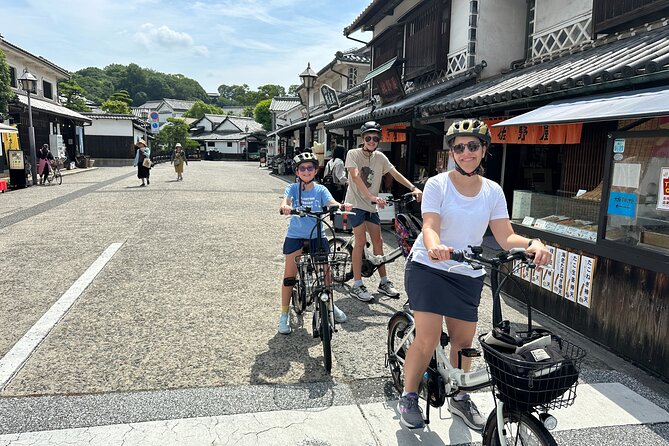
The first stop is a walking tour inside the Kurashiki Bikan Historical Quarter. The point here is more than strolling through a photogenic district: you’re learning how this neighborhood has kept an appearance that people associate with about 400 years ago.
You’ll spend around 45 minutes on this segment, and the admission ticket is free. This is a good length for getting your bearings without burning time before you start cycling.
One practical benefit: walking first lets you settle into the day. You’ll hear the basics of what to notice—street layout, canal/water references, and how the historical quarter connects to the broader river story—so the later bike ride makes more sense.
Pedaling upstream: Takasebune boats, canals, and the ankyo culvert
After the Bikan walk, you mount your bicycle and start following the Kurashiki River and irrigation canals upstream. The tour frames the river as a canal-like space in earlier times, including the era when Takasebune boats traveled back and forth through the wider riverbed.
What I found especially interesting is the way the tour explains that part of the waterway is now underground as a culvert called ankyo. This is the kind of detail that turns “weird-looking infrastructure” into something you understand quickly, because you’re given the historical reason for it.
You’ll encounter multiple points of interest along the ride—places tied to entertainment districts, spots that show Kurashiki’s role as a transportation hub, and sites where spinning mills once stood. You don’t have to be a history buff for this to work. If you pay attention to the guide’s connecting threads, it feels logical even when you’re moving.
The Sakazu Reservoir pause: a short ride segment with a clear payoff
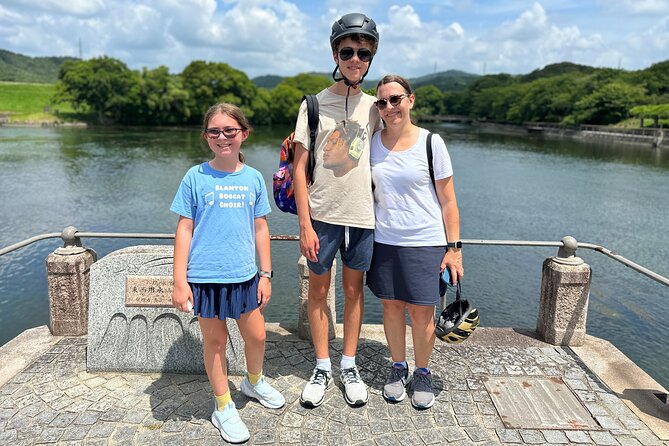
You’re heading about 3 kilometers toward the Sakazu Reservoir area. The tour’s stop here is short—around 15 minutes—so think of it as a breather and a pivot point rather than a long sightseeing block.
The value of a shorter stop is that it keeps your energy for the later workshop visit. In a tour like this, you want to arrive at the best part feeling alert, not drained.
If you’re sensitive to heat, this is also where you’ll appreciate the guide’s ability to adjust. Reviews mention the guide handling tough summer conditions with patience and making alternatives when needed, which suggests the flow won’t just bulldoze onward no matter what the weather does.
Sakazuyaki Kamamoto pottery studio: where the tour becomes personal
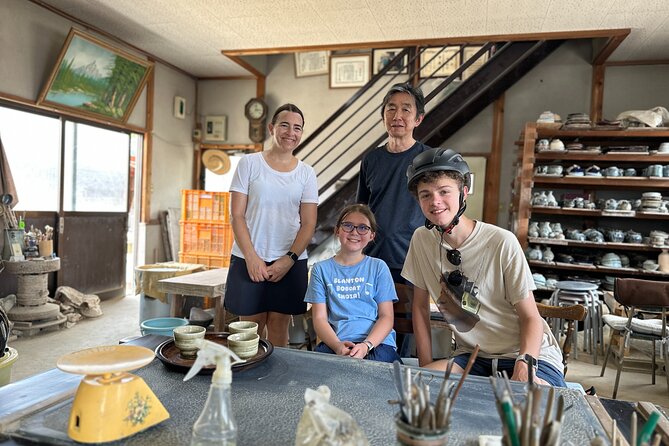
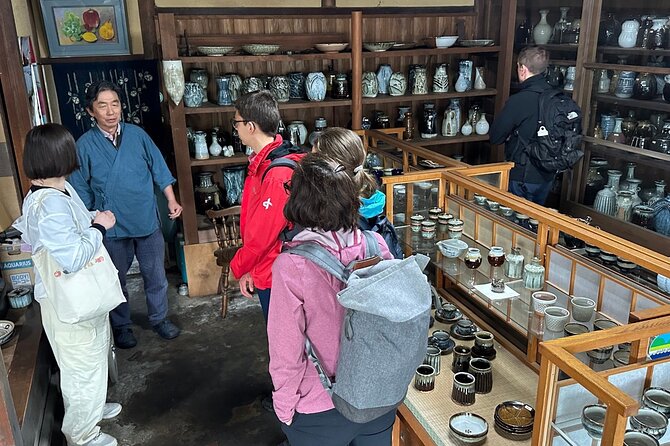
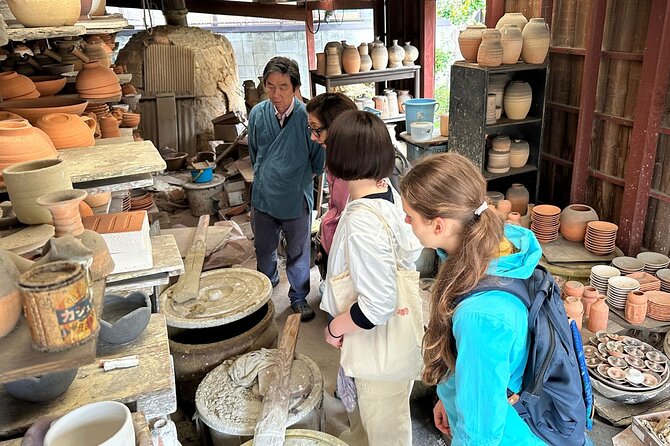
After you’ve cycled and paused at the reservoir area, there’s time for lunch at a cafe (food and drinks aren’t included). Then comes the highlight for many people: the visit to the Sakazuyaki Kamamoto workshop, centered on potter Kensaku Okamoto.
This workshop stop is where the tour turns from “read about the past” into “see how craft lives today.” The guide helps you connect the history you learned on the ride—especially the way water systems changed—to what you see at the studio.
The tour’s description points to local geographic transformation, including the vanished Higashi Takahashi River and a transformed pond. That matters, because clay work and ceramic culture often tie back to local materials and local water realities, not just artistic inspiration.
In the reviews, people call this the standout moment, often because the potter studio visit is both fun and informative. I agree with the underlying logic: a workshop stop gives you a direct encounter, not only a visual one.
Bikes and timing: 3 hours 45 that still feels breathable
The total duration is about 3 hours 45 minutes. That’s a tight window, but it doesn’t have to feel rushed because the stops are short and the guide keeps you moving with purpose.
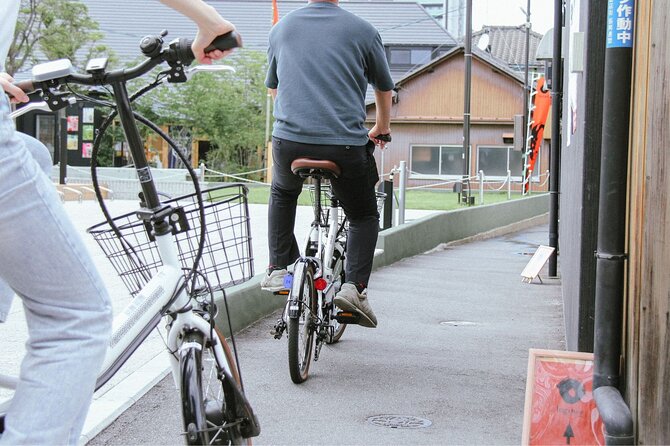
Group size is capped at 3 travelers, which is rare for guided cycling. In practice, this means less crowding and fewer “wait your turn” moments. If you’re the type who likes to ask questions mid-route (and you’re visiting Japan, so you probably are), this format helps a lot.
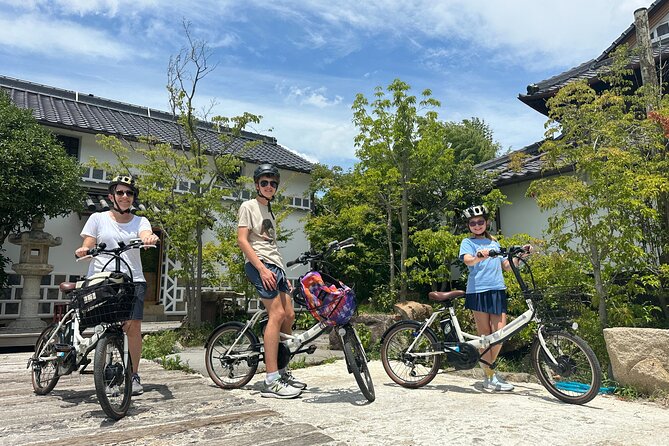
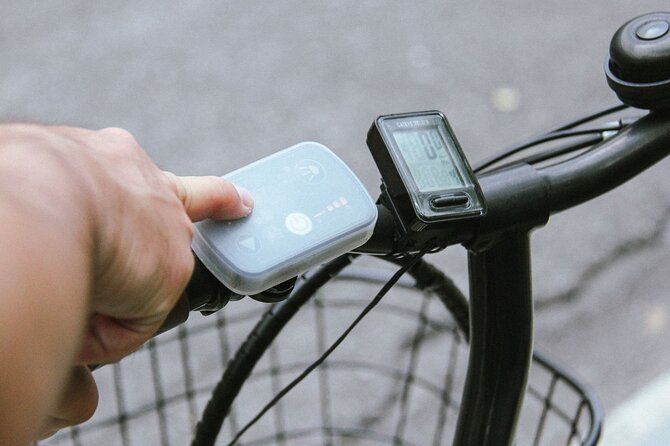
You’ll also get a rental bicycle and insurance premium included. Reviews specifically mention e-bikes being comfortable, and that biking was manageable even with kids (one group noted ages 14 and 11 with no challenge). If you want extra help with effort, this is a good sign to ask about e-bike options when you book.
As for fitness: the tour calls for moderate physical fitness. That doesn’t mean it’s extreme, but you should be comfortable riding for the duration and handling small stretches of unevenness that can come with canal-adjacent roads and paths.
Price and value: where the $53.65 actually goes
At $53.65 per person, this tour is priced fairly for what you get. You’re not paying just for a bike rental. The included pieces are rental bicycle and insurance, plus a guided experience that combines a walking history segment, cycling route interpretation, and a pottery workshop visit.
Also, timing matters for value. With a planned 3 hours 45, you can fit it into a half-day plan rather than losing a whole day to travel and separate museum stops. The structure is designed for concentration: you get the story, you move with it, and you finish with a craft destination.
One small note for budgeting: cafe food and drinks are not included. So plan for lunch costs on your own.
Who should book this tour (and who might skip it)
This works best for you if:
- you want more than the main tourist streets in Kurashiki
- you enjoy cycling but don’t want a long, exhausting day
- you like history explained through places, not just plaques
- you’re interested in local ceramics and the people behind them
It might be less ideal if:
- you don’t feel comfortable riding a bike for the tour length
- you’re traveling with younger kids who don’t meet the recommended 140 cm height
- you expect lots of free time at each stop (this is a paced itinerary)
If you’re visiting Kurashiki for only a day or two, I’d treat this as a way to add texture fast. It’s a practical “how Kurashiki works” route, ending in something tangible: pottery.
Quick practical tips before you go
Bring sun protection and water, especially in warm months. Even on an e-bike, the ride can still feel hot if you stop less often than a typical sightseeing walk.
Wear shoes that can handle cycling pedals without stressing your feet. Also, keep a light layer handy if the weather changes—Japan’s conditions can shift.
Finally, listen closely when the guide explains the river system. Once you understand the logic of Takasebune-era water flow and the later underground ankyo culvert, you’ll spot meaning in places you’d otherwise pass.
FAQ
FAQ
How long is the Kurashiki History and Culture Guided Cycling Tour?
It lasts about 3 hours 45 minutes (approx.).
How much does the tour cost?
The price is $53.65 per person.
What’s included in the price?
Rental bicycle and an insurance premium are included.
Is food included?
Food and drinks at the cafe are not included.
Is it suitable for children?
Children are welcome, but it’s recommended that they be 140 cm or taller.
Where do the stops happen?
You’ll visit the Kurashiki Bikan Historical Quarter first, then ride toward the Sakazu Reservoir, and later visit the Sakazuyaki Kamamoto pottery studio.
What kind of bike do you ride?
The tour uses bicycles, and reviews specifically mention comfortable e-bikes.
How big are the groups?
The tour has a maximum of 3 travelers.
Should you book this Kurashiki cycling tour?
If you want Kurashiki beyond the postcard streets, I think this is a strong booking. The combination of a Bikan historical walk, an upstream river ride with concrete explanations (including the ankyo culvert), and a pottery workshop with Kensaku Okamoto makes the day feel purposeful.
I’d book it if you like guided storytelling with a real destination at the end. If you’re worried about bike effort, the moderate fitness requirement and the comfortable e-bike notes in reviews are good signs—just be honest about your comfort level and aim for good shoes and sun protection.