REVIEW · NAPLES
Naples Scenic E-Bike Ride to a Local Vineyard with Meal
Book on Viator →Operated by Mavin Bike Rent · Bookable on Viator
Naples on two wheels is a different planet. This guided pedal-assist e-bike ride takes you out of the center and into the Phlegraean Fields, with stops at real Roman remains and volcanic scenery, then finishes at a vineyard meal beside Lago d’Averno.
What I like most is the mix: you get movement and fresh air first, then you land at a family winery for wine tasting and local food. And the stops are not just photo breaks—your guide helps you make sense of places like Pozzuoli’s Roman sites. One watch-out: part of the route includes riding on streets with moving vehicles, so you’ll want to feel comfortable on the road.
In This Review
- Key takeaways before you go
- Why this e-bike ride outside Naples works so well
- The e-bike setup and what you’ll be riding
- Getting started in Naples: pickup and the 9:00 am rhythm
- Lungomare Yalta: waterfront start and quick orientation
- Macellum (Temple of Serapis) in Pozzuoli: Roman ruins you can actually place
- Back on the road: staying safe when Naples traffic shows up
- Lago d’Averno: the emotional payoff (and why this lake matters)
- Flavian Amphitheater: seeing scale, not just details
- Solfatara and sulphur terrain: volcanic scenery between stops
- Lunch and wine by Lake Averno: what’s included, and what’s not
- Guides make the difference: names worth noting
- The real value: what you’re getting for the price
- Who this tour suits best (and who should skip it)
- Practical tips to make the day smoother
- Should you book this Naples e-bike wine ride?
Key takeaways before you go
- Pedal-assist e-bikes (not scooters): you pedal, and the bike helps, so you get exercise without feeling wrecked.
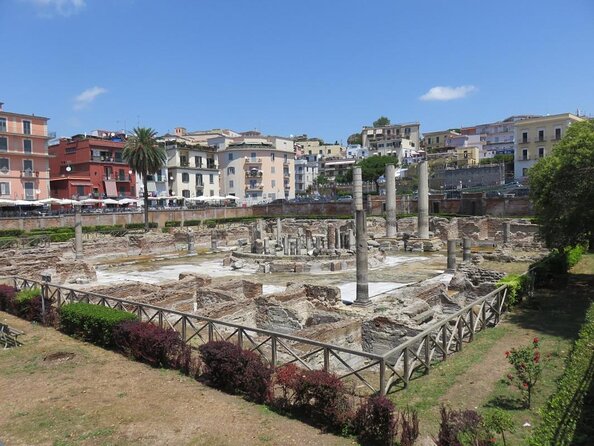
- Roman stops around Pozzuoli: the Macellum/Temple of Serapis and the Flavian Amphitheater are built into the ride.
- Volcanic Phlegraean Fields scenery: you’ll pass areas tied to sulphur activity like Solfatara.
- Wine and a Lake Averno lunch: tasting happens lakeside, with an antipasto-style spread and local add-ons.
- Small group feel: max group size is 15, so pacing stays human.
- Pickup in Naples: you can start from your area, not just a single fixed point.
Why this e-bike ride outside Naples works so well

This is the kind of tour that fixes a common Naples problem. In the city, you can spend hours walking, dodging traffic, and moving from one major sight to the next. Here, you trade that for a steady ride with built-in pauses—so you see a lot, but you don’t feel rushed.
The ride also matches how the Phlegraean Fields actually feel. You’re shifting between coastline views, older urban corners around Pozzuoli, and volcanic terrain around Lake Averno. It’s a full-sensory day that doesn’t require hiking or a tough fitness ramp.
At $95.58 per person for about four hours, you’re paying for more than bike rental. You’re buying a guide, route planning (so you don’t get lost), a vineyard visit, and a wine-and-food experience that’s part of the day—not a separate add-on you have to coordinate.
You can also read our reviews of more tours and experiences in Naples.

The e-bike setup and what you’ll be riding
The bikes are e-bikes with pedal assistance, not scooters. That matters because it makes the tour accessible in a smart way: you’re still in control, but the assist takes the sting out of hills and longer stretches.
I like this format for first-timers. If you can ride a regular bike at a basic level, the e-assist helps you focus on balance, turning, and staying with the group. If you’re not at ease on bikes, though, don’t sugarcoat it—the road segments are real road segments, with traffic.
Also, plan for simple practical stuff: wear comfortable closed-toe shoes, bring sun protection, and if it’s warm, bring water. One rider specifically noted there was no water available on the tour, which is easy to overlook until you’re outside the city with sun overhead.
Getting started in Naples: pickup and the 9:00 am rhythm
The tour starts at 9:00 am, and pickup is available in all Naples. That’s a big value point because it saves time and stress—especially if you’re staying in a busy part of town where parking and taxis can be annoying.
Once you meet up, you’ll get your bike sorted and you’ll ride out toward the first key stop along the waterfront: Lungomare Yalta. Think of this as both a scenic warm-up and a chance to settle into the group flow.
From there, the day keeps moving, with short stops that turn the ride into a sightseeing route rather than a long stretch of cycling with occasional roadside views.
Lungomare Yalta: waterfront start and quick orientation
Lungomare Yalta sets the tone immediately. You’re on the water-side portion of the Naples area, and it helps you ease into cycling before you head into the more history-heavy and road-focused parts of the route.
This first stretch also gives you a mental map for the day: where you’ve been, what direction you’re heading, and how the guide expects the group to move. For me, that matters because the later road sections can feel more intense if you show up already tired or distracted.
If you’re hoping for a slow, purely scenic cruise, this ride is still active. You’ll stop often, but you’ll also be cycling—so bring a mindset that you’ll get a workout, even with assist.
Macellum (Temple of Serapis) in Pozzuoli: Roman ruins you can actually place
One of the best parts of the day is how it uses Roman sites as context, not as random stops. The Macellum—connected with the Temple of Serapis—sits in the Pozzuoli area, and your guide helps you understand what you’re looking at as you’re standing there, not after.
Why this stop is worth it: ruins can feel like they’re just rocks unless someone connects them to daily life. Here, the guide’s explanations are built into the cycling rhythm, so you’re not just seeing monuments—you’re learning how that place functioned in the Roman world.
A practical note: like most outdoor ruins stops, you’ll want to keep an eye on uneven ground and stairs. The stop is short, but comfortable walking shoes still matter.
Back on the road: staying safe when Naples traffic shows up
Here’s the part that can make or break the experience for some people. The route includes riding along streets, including within Naples. Several riders praised how safe they felt with the guide managing the group, but the underlying reality is still the same: there are moving vehicles.
If you’re the kind of person who gets nervous on busy roads, don’t treat the e-bike as a magic shield. Pedal assist helps your legs, not your comfort level around traffic.
In my view, the tour is best for riders who can keep a steady line, brake smoothly, and follow the guide’s instructions quickly. Having a patient guide helps a lot too—one rider specifically mentioned guides like Max as safety-minded and attentive when adjusting pacing.
Lago d’Averno: the emotional payoff (and why this lake matters)
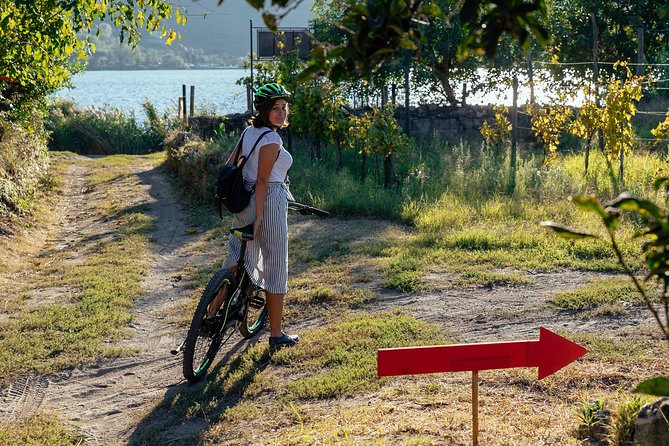
Lake Averno is the big anchor of the day. It’s volcanic in origin and tied to the myths and legends of the Phlegraean Fields. Even if you don’t get lost in mythology, it’s still a dramatic setting: a crater-lake feel with a calm, self-contained atmosphere.
The itinerary places you at Lago d’Averno more than once, which makes sense. You need time to enjoy the view, eat, and reset before continuing. The bike ride sets you up for this moment—after city streets and ancient stops, lakeside food and wine feel like a reward you’ve earned.
If you love photos, this is where you’ll pause and slow down the most. If you hate waiting, this is still a good stop because it includes the tasting and meal.
Flavian Amphitheater: seeing scale, not just details

Another Roman highlight is the Flavian Amphitheater in the area of Pozzuoli. Amphitheaters can look confusing at first—too many angles, too much stone, not enough idea of what you’re viewing.
This is where the guide’s job matters. The amphitheater becomes readable once you understand why it was built and what kinds of crowds it was designed for. You’ll come away with a clearer sense of size and purpose than you would standing alone.
This stop also breaks up the day nicely. It’s a different kind of visual: less temple-and-column detail, more scale and structure.
Solfatara and sulphur terrain: volcanic scenery between stops
Solfatara is a key stop in the volcanic story. The name is tied to sulphur activity, and that theme shows up in the ride’s route through the Phlegraean Fields.
In practice, this stop gives you a change of pace from ruins. It’s more sensory and atmospheric. Instead of reading stone, you’re seeing volcanic terrain around you and learning how the region’s geology shaped what people believed and built.
One rider even mentioned visiting an active fumarole in a side street, which fits the tour’s overall style: the guide doesn’t just point. They help connect odd-looking terrain to the region’s identity.
Lunch and wine by Lake Averno: what’s included, and what’s not
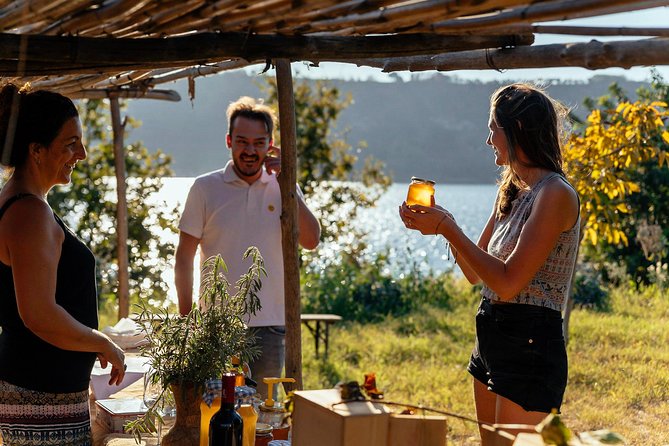
The vineyard visit is built for a relaxed end to the ride. You’ll taste typical local wines and eat an antipasto-style meal.
From what’s offered, expect:
- wine tasting as part of the vineyard experience
- an antipasto plate, with local items like cheese, honey, and focaccia
Now the honest part: some people describe the lunch as light or more like appetisers than a heavy full meal. That doesn’t make it bad—it just means you should treat it as a tasting lunch, not a full sit-down feast.
If you have dietary needs, ask ahead. One guest noted that celiac needs were handled by someone named Anna at the vineyard, which suggests they can be flexible if you tell them in advance.
And if you plan to buy wine bottles to take home, keep expectations realistic. One rider mentioned bottle limits tied to bike panniers, so think about packing space.
Guides make the difference: names worth noting
Guides seem to be a big reason this tour scores so high. You may ride with someone like Max, Guido, Alexander, or Alessandro—each one described as friendly, safety-focused, and willing to answer history questions on the fly.
What I’d take from those names is the pattern: the guide doesn’t just read facts. They manage the group, keep you safe on streets, and shape the day so you’re not overwhelmed by stops.
The tour also notes that French and Dutch guides are available on request, which is great if you want more comfort in explanations.
The real value: what you’re getting for the price
$95.58 is not cheap for a half-day activity, so you’ll want to know why it’s worth it.
Here’s the value math that works in this case:
- You’re getting a guided e-bike route (not self-guided wandering).
- You’re paying for multiple stops with context: waterfront views, Roman ruins, volcanic terrain, and a crater lake.
- The vineyard part isn’t just a quick sip. You get wine tasting plus an antipasto meal in a scenic setting.
Also, maximum group size is 15. Smaller groups tend to ride better. You’ll stop more smoothly and pace feels more controlled.
For people skipping cruise-style excursions, this also gives you a more local rhythm: you’re outside the main tourist crush and still get structured sightseeing.
Who this tour suits best (and who should skip it)
This tour suits you if:
- you can handle a moderate cycling day (about 30/18 km depending on route details and pacing)
- you’re comfortable riding on streets with traffic
- you want a mix of Naples-area scenery, Roman ruins, and a vineyard finish
It’s a strong fit for couples, friends, and multi-generational travelers where someone might prefer learning and views over long museum hours.
Skip it or consider an alternative if:
- you’re very nervous about bikes on roads
- you want a purely gentle, off-road cycling day
- you need a fully relaxed, minimal-effort outing (even with e-assist, you’ll still be on the bike)
Practical tips to make the day smoother
A few things I’d do before you go:
- Bring your own water, especially if you know you drink a lot while moving.
- Wear sunscreen and sunglasses; you’ll be outside for much of the ride.
- Wear closed-toe shoes with grip for curb cuts and uneven ruins pavement.
- If you have dietary needs, message ahead so the vineyard can plan (the tour indicates food is part of the experience, and there’s at least one reported celiac accommodation).
- If you’re unsure about pace, talk to your guide early. Riders described pace adjustments as part of how guides kept everyone comfortable.
And one more reality check: this is a day with history stops and roads. You’ll enjoy it most when you treat it as an active cultural outing, not a sightseeing bus tour with a bike label.
Should you book this Naples e-bike wine ride?
If you want a memorable half-day that mixes Phlegraean Fields scenery, Roman sites like the Macellum and Flavian Amphitheater, and a vineyard tasting by Lake Averno, book it. The e-bike format makes the cycling more doable, and the vineyard meal gives you a satisfying payoff after the ride.
I’d hesitate only if you know you’re uncomfortable riding near traffic or you’re expecting a heavy restaurant-style lunch. For the right mindset—active, curious, and comfortable on streets—this is one of the more practical ways to see more of the Naples area without spending your day in lines.