REVIEW · MUMBAI
Best Bicycle Tour In Mumbai
Book on Viator →Operated by Young Tours And Travel · Bookable on Viator
Morning Mumbai by bike feels like a shortcut.
This 3-hour guided bicycle tour packs iconic Southern Mumbai stops into one smooth morning plan, starting early so the air is cooler and the city is less hectic. I like how you get to glide past landmark exteriors—Gateway of India, Rajabai Clock Tower, the old rail hub—and then roll through market streets that explain how Mumbai actually runs.
I also like the practical touches for a $39 price: small group size (up to 12), pickup offered, and a mobile ticket that keeps things simple. One thing to consider: street crossings and road riding can be intense, and there’s no mention of helmets in the tour details (one past note said helmets were not provided), so ride confidence helps.
In This Review
- Key highlights you should care about
- Why this Southern Mumbai morning ride is a smart pick
- Price and value: what $39 really buys you
- Starting in Colaba: your meeting point and pickup flow
- Gateway of India at sunrise: the first wow moment
- Taj Mahal Palace: looking at the details without the pressure
- Chhatrapati Shivaji Maharaj Vastu Sangrahalaya and Rajabai Clock Tower
- Chhatrapati Shivaji Maharaj Terminus area and the working city around it
- Crawford Market and nearby market streets: local life on two wheels
- Mumba Devi Temple and Panjrapole: faith and cow protection in context
- Marine Drive and Sassoon Dock: finishing with sea air
- Who the guide makes this tour: Roy and Kurtin as examples
- Safety, riding pace, and what to watch for
- What’s included: tickets, mobile pass, and timing
- Should you book this best bicycle tour in Mumbai?
- FAQ
- How long is the Mumbai bicycle tour?
- What are the main stops on the route?
- Where does the tour start, and is pickup available?
- How big is the group?
- Is there a minimum age?
- What is included with the ticket price?
Key highlights you should care about
- Early start with sunrise views at Gateway of India for that first-look moment over the Arabian Sea
- Iconic architecture without long waits at Taj Mahal Palace and the museums area
- Clock tower + old rail station energy around Rajabai and Chhatrapati Shivaji Terminus
- Market streets in Colaba/South Mumbai (Crawford and nearby market areas) for local color
- Cow protection context at Panjrapole plus a stop near Mumba Devi Temple
- Marine Drive and Sassoon Dock views to end with sea air and shoreline atmosphere
Why this Southern Mumbai morning ride is a smart pick
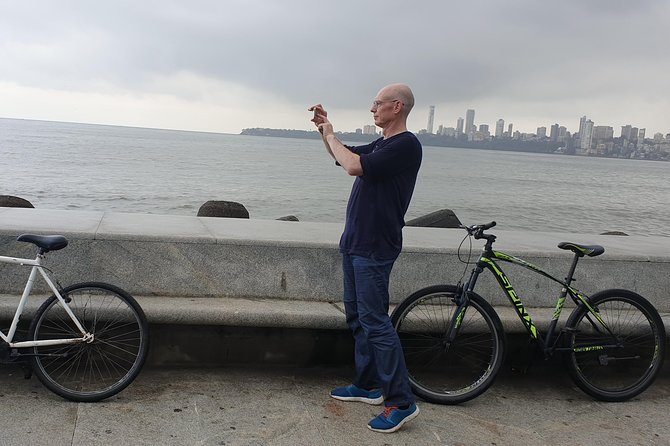
If you only have a short window in Mumbai, this tour is a solid way to get oriented fast. You start in Colaba and work through South Mumbai with a route that hits the big postcard sights while also showing the working parts of the city—rail, markets, and daily worship.
The timing matters. An early ride means you’re seeing landmarks before the full rush kicks in, and the Arabian Sea breezes at the waterfront stops feel way nicer than midday heat. It’s also just long enough to feel like you did something meaningful without turning the day into a travel stamina test.
And yes, the group size is kept small—maximum 12 people—which makes it easier for the guide to keep everyone together. That’s a real value point, because crowded bike groups can turn into stop-and-start chaos. Here, the pace is built around a guided sightseeing flow.
You can also read our reviews of more tours and experiences in Mumbai.


Price and value: what $39 really buys you
At $39 per person for about 3 hours, you’re not just paying for bike time. You’re paying for:
- a guided route that connects multiple landmarks in one loop
- a small group experience
- a mobile ticket and pickup offered
- admission coverage that’s set up for most stops as free (with one paid/covered admission stop)
Many of the stops listed are marked with admission tickets as free, so you’re not constantly juggling ticket lines or extra costs. The route also includes Panjrapole with admission included. For a short tour, that’s a practical way to keep expenses predictable.
One more value angle: this is best when you’re new to the city. Instead of trying to piece together routes and transit, you’re using someone else’s map knowledge for 3 hours. That’s where group tours can beat DIY plans—time saved, fewer wrong turns.
Also note the demand signal: this tour averages being booked about 53 days in advance, which usually means it fills up. If you’re planning around weekends or school holidays, I’d book early rather than hoping.
Starting in Colaba: your meeting point and pickup flow
The tour starts at Kailash Parbat Hindu Hotel N Restaurants in Colaba (Sheila Mahal Society Shop no 5, 1st Pasta Ln). It’s a recognizable pickup spot for this area, and the tour also offers pickup, which is a big help if you don’t want to wrestle with directions at the start of your morning.
Because the experience ends back at the meeting point, you can plan the rest of your day without worrying about a complicated drop-off. That “same area in, same area out” structure is great for pairing with breakfast plans, a museum visit, or a slow wander afterward.
One practical tip: arrive early enough to handle check-in without rushing. Even if you’re excited, a calm start helps you settle into the riding rhythm.
Gateway of India at sunrise: the first wow moment
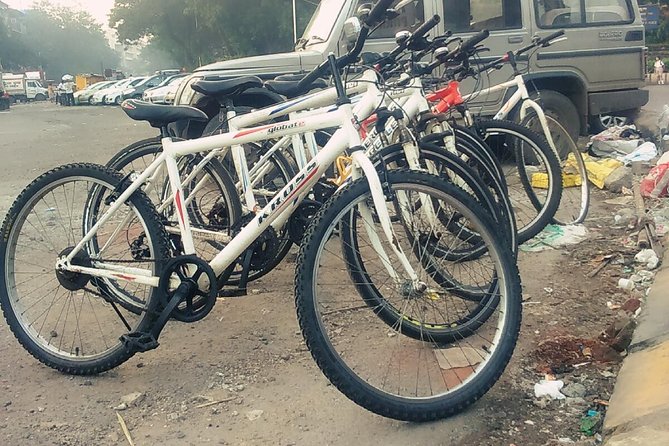
You’ll begin at the Gateway of India, and the route is timed so you can catch that early feel—sunrise energy over the Arabian Sea and the monumental landmark backdrop. This is the classic “I’m really in Mumbai” moment, and it works especially well early because the waterfront atmosphere is cooler and more relaxed.
The stop is short (about 15 minutes), so don’t expect a long photo session where you circle endlessly. Think of it as your setup moment: take a few photos, orient yourself, and then roll on.
From a ride perspective, Gateway of India is a good opening because it gives you a clear reference point for how the route bends through South Mumbai afterward. You’ll quickly see why this area is such a magnet for architecture and crowds.
Taj Mahal Palace: looking at the details without the pressure
Next up is the Taj Mahal Palace, Mumbai stop. This is more about the exterior and the feeling of arriving at one of Mumbai’s most famous hotels than about an in-and-out visit. The architecture is striking even from a distance, and with the tour format, you get to appreciate it without turning the morning into a line-and-ticket exercise.
The stop is brief (about 10 minutes), but that can be a plus. You’re not sacrificing the rest of the ride for one location. Instead, the tour keeps momentum while still giving you time to notice the building’s shape and texture.
If you like architecture, keep your eyes open for how the hotel’s presence changes the street mood around it. This is old Mumbai meets a modern tourist gaze, and it feels different from the market zones later in the route.
Chhatrapati Shivaji Maharaj Vastu Sangrahalaya and Rajabai Clock Tower
After the Taj Mahal Palace area, the ride continues toward the Chhatrapati Shivaji Maharaj Vastu Sangrahalaya, which is closely linked with the former Prince of Wales Museum name you may hear. The key here is the Indo-Saracenic style (that mix of influences) and how big institutions sit inside the daily life of the city.
Then you’ll spot the Rajabai Clock Tower from outside. Even if you’ve never seen it before, it looks like it belongs in an older Gothic postcard—tall, dramatic, and hard to ignore. The stop time is short (around 10 minutes), so you’ll want to be ready to look up.
What I like about stacking these stops is that it gives you two different “architecture moods” back-to-back. One is museum-grade grandeur and another is clock-tower scale. Together, they help you understand why people treat South Mumbai as its own world inside the city.
Chhatrapati Shivaji Maharaj Terminus area and the working city around it
The next major landmark zone is Chhatrapati Shivaji Terminus (formerly Victoria Terminus). This is one of the city’s most important transport landmarks, and it’s also visually unforgettable in a Victorian Gothic Revival style with Indian architectural influences blended in.
The stop time is about 15 minutes, which is enough for a real look if you move with purpose. Don’t try to photograph everything from every angle. Pick a couple of viewpoints and then let the place sink in. The best part is watching how the station area feels like a live machine—people moving, trains running in the background, and the architecture holding it all together.
From there, the tour includes a stop for the Brihanmumbai Municipal Corporation building and also references the High Court of Bombay area as part of the ride. Even when you’re only seeing these exteriors, it’s valuable. These buildings show the city’s administrative backbone, and they contrast nicely with the market and temple stops later.
Practical note: if you’re sensitive to traffic noise or loud intersections, keep your focus on the sidewalks. The architecture will reward you, but you need to stay aware.
Crawford Market and nearby market streets: local life on two wheels
Now we hit the part many people come for: the markets. Mahatma Jyotiba Phule Market (Crawford Market) is a highlighted stop (about 15 minutes), and it’s famous for being completed in 1869 and for having been donated to the city by Cowasji Jehangir. That context changes how you see the building. It’s not just a place to buy stuff—it’s a piece of Mumbai’s civic identity.
The tour also passes through surrounding market areas referenced as places like Bhuleshwar Market, plus Mangaldas Market for silk and cloth, and the Jewelry Bazar area. You’re not promised a shopping spree, and the ride format keeps it moving, but you’ll get the sense of how trade shapes the streets.
What to expect here: standing near stalls, watching the flow of people, and learning what each area is known for. The market stops are short, so it’s best to think of this as “see how it works” rather than “buy everything you want.”
If you’re tempted to snack while you’re there, do it smart. You’re on a bike route—sticky hands and slippery snacks are a bad combo. Keep food choices simple, and save the big tasting mission for after your ride.
Mumba Devi Temple and Panjrapole: faith and cow protection in context
South Mumbai isn’t just architecture and commerce. You’ll also make time for Mumba Devi Temple, dedicated to the goddess Mumbai. The stop is around 10 minutes, and it gives you a quick look at how local devotion sits right alongside city life.
Then comes Bombay Panjrapole (with admission included). This stop is connected with the idea of cow protection in Indian culture, which is a big part of why Panjrapole matters. Even if you’re not fluent in local customs, you’ll leave with a better sense of how religious and cultural values shape animal care practices in the city.
The tour also notes a stop near a Jain temple or Derasar. That’s a great quick cultural contrast. Jain worship spaces have a distinct feel, and even a short look helps you notice how different communities express spirituality through space and style.
Timing here is tight, so don’t plan on reading every sign. Instead, take a minute to absorb the setting and ask yourself what the place suggests about everyday priorities. That’s where these stops become more than quick photo breaks.
Marine Drive and Sassoon Dock: finishing with sea air
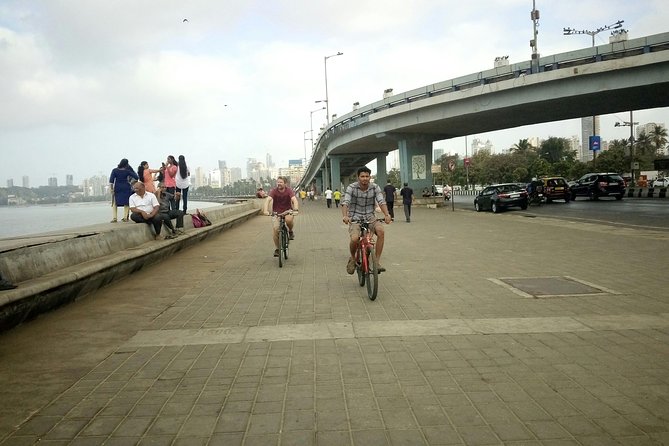
To close, the tour heads to Marine Drive, a 3-kilometer promenade along Netaji Subhash Chandra Bose Road. You’ll see the classic C-shaped promenade structure, and you’ll feel the shift from dense South Mumbai streets to open sea views.
The stop is about 15 minutes, so again: short, sweet, and focused. This is the moment to slow down a bit mentally and just enjoy the horizon line.
Then you’ll reach Sassoon Dock, built in 1875 and described as one of the oldest docks in Mumbai and the first wet dock constructed in Bombay. It’s an industrial heritage stop that balances the more ornamental landmarks earlier in the route. You get to see how the city’s port history connects to today’s Mumbai.
If you love places where “old + working” collide, this finale will land well.
Who the guide makes this tour: Roy and Kurtin as examples
The guide is a major part of the experience. In past rides, guides such as Roy have led early-hour cycling through Colaba and the surrounding area, while Kurtin has guided family trips and shared stories that made the morning feel like you were seeing the city through an insider lens.
You don’t need to memorize dates. The value is that the guide helps you connect what you’re seeing to why it exists—how the port and rail history shape the skyline, why markets are built where they are, and why religious sites show up inside neighborhoods.
That storytelling is especially useful on a short tour. Without it, landmarks can blur. With it, each stop has a reason to be there.
Safety, riding pace, and what to watch for
Most people can participate, and the tour is listed as suitable for a wide range of riders with a minimum age of 6 years. The tour runs about 3 hours, which is manageable, but it’s still a bike ride through a real city.
One caution pulled from participant feedback: helmets may not be provided, and some street crossings were described as not for the faint-hearted. That doesn’t mean you should panic. It just means you should show up ready.
My practical advice:
- Wear closed-toe shoes and clothing you can move in.
- If you have your own helmet, bring it. If you don’t, at least ask ahead what’s available.
- If you’re not a confident urban rider, tell the guide early. A good guide will place you in a safer spot in the group.
Also, since the route mixes major landmark areas and market streets, your best strategy is to stay alert and keep your eyes up. Enjoy the views, but don’t let photos take over the road situation.
What’s included: tickets, mobile pass, and timing
Here’s the deal on admissions based on how the tour is set up. Many stops are labeled with Admission Ticket Free, which helps keep the experience smooth. Panjrapole is marked as included, so you don’t have to budget extra for that specific stop.
You’ll also receive a mobile ticket, and confirmation comes at booking time. That’s helpful if you like a clean, simple plan before you leave your hotel.
Because the stops are mostly short, the tour stays on schedule by design. It’s not meant to become a slow wandering day. That can feel perfect if you want efficient sightseeing, and it can feel limiting if you like lingering.
Should you book this best bicycle tour in Mumbai?
Book it if:
- you want a 3-hour introduction to South Mumbai with a real guide
- you like a mix of iconic sights (Gateway, Terminus, Marine Drive) and everyday city areas (markets and temples)
- you’re comfortable riding in an urban environment and can handle quick crossings
Consider skipping or switching to something else if:
- you want a slow, low-traffic ride where you rarely touch city intersections
- you’re very uncomfortable with road conditions and don’t have strong bike confidence
- you strongly need helmet availability and that detail must be guaranteed
If you do book, go with an early start mindset: this tour is about getting your bearings quickly, learning what matters, and then enjoying Mumbai on your own after. For first-timers, that’s a winning formula—and at $39, it’s hard to argue with the value.
FAQ
How long is the Mumbai bicycle tour?
The tour is approximately 3 hours long.
What are the main stops on the route?
The route includes Gateway of India, Taj Mahal Palace, Chhatrapati Shivaji Maharaj Vastu Sangrahalaya, Rajabai Clock Tower, Chhatrapati Shivaji Terminus area, Brihanmumbai Municipal Corporation building, Mahatma Jyotiba Phule Market (Crawford Market), Mumba Devi Temple, Bombay Panjrapole, Marine Drive, and Sassoon Dock.
Where does the tour start, and is pickup available?
The meeting point is Kailash Parbat Hindu Hotel N Restaurants in Colaba (Sheila Mahal Society Shop no 5, 1st Pasta Ln). Pickup is offered.
How big is the group?
The tour has a maximum group size of 12 people.
Is there a minimum age?
Yes. The minimum age is 6 years.
What is included with the ticket price?
You’ll get a mobile ticket. Admission is listed as free for many stops, and admission is included for Panjrapole.