REVIEW · SIEM REAP
One day of bicycle tour
Book on Viator →Operated by Happy Angkor Wat Tour · Bookable on Viator
Two wheels make Angkor feel almost yours. I love the quiet jungle paths that help you dodge the main-temple crush, and I love the early morning start that can make Angkor Wat feel surprisingly calm. The catch is simple: you’ll need moderate fitness and you must already know how to ride a bike.
This tour is run as a private day out—private transportation to your starting point, an English-speaking guide, and drinking water included. One thing to plan for: breakfast and lunch aren’t included, and the big day-temple pass costs extra.
In This Review
- Key things to know before you ride
- Why this Angkor bike route feels calmer than the usual temple day
- The 7 AM start: pickup, private transport, and how the ride actually begins
- Angkor Thom highlights by bike: Elephants, Leper King, and Bayon faces
- Ta Prohm on a quiet path: the jungle-clad temple effect
- Lunch planning matters: what you need to know before Angkor Wat
- Angkor Wat when it feels serene: the timing advantage
- Price and value: what $100 really buys (and what it doesn’t)
- Who should ride this—and who should skip it
- The guide factor: when storytelling makes temple stops land
- What to budget and bring for a smooth day
- Should you book this Siem Reap bicycle temple tour?
- FAQ
- What time does the bike tour start?
- How long is the tour?
- What is included in the price?
- Do I need to buy the Angkor temple ticket separately?
- Is this tour private or shared?
- What’s the cancellation policy?
Key things to know before you ride
- A 7:00 AM start helps keep crowds down at the most popular areas
- About 10 km of gentle riding across temple paths, jungle tracks, and dirt roads
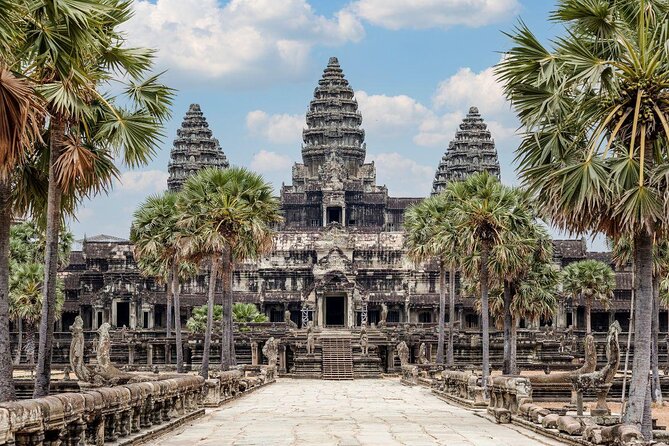
- Angkor Thom stops that matter: Terrace of Elephants, Terrace of the Leper King, Bayon faces
- Ta Prohm before the big finish so you see it with less pressure
- Angkor Wat at calmer hours after an early lunch
- $100 covers logistics (guide, transport, water), while the temple ticket is extra
Why this Angkor bike route feels calmer than the usual temple day
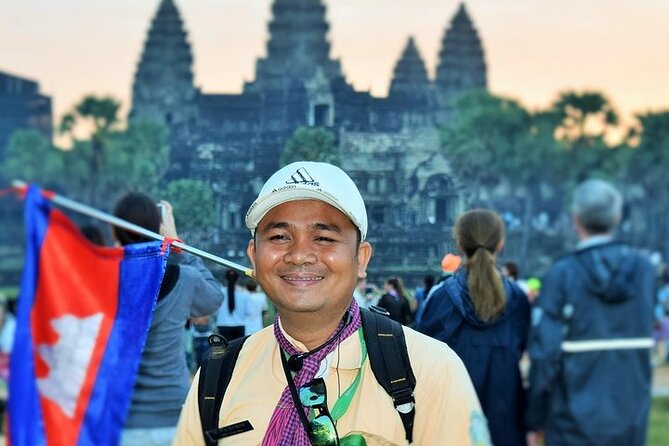
Angkor can be loud. You know the vibe: people flooding in, photo lines, and everyone trying to beat everyone else to the same view. This cycling tour is built to escape that pattern.
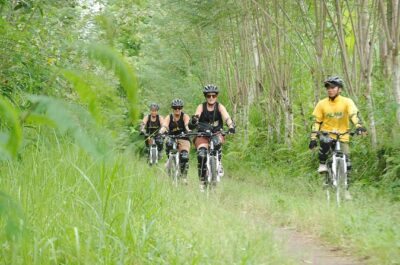
The ride takes you along jungle paths and dirt roads that are harder to reach on foot or car. That matters because you’re not only going from temple to temple—you’re also getting breaks of quiet between the highlights. In the spaces between sites, it can feel like you’re moving through a living landscape instead of just moving through crowds.
The other thing I really like is the way the schedule leans on timing. You get to Angkor Wat when it’s least chaotic, which means you can actually look at details instead of spending the day pivoting around other people’s elbows.
One practical consideration: you’re swapping some comfort for a bit of activity. It’s not a hardcore mountain-bike workout, but it is still a bike day. If you’re hoping for a mostly chauffeured experience, this one may feel like more effort than you wanted.
You can also read our reviews of more tours and experiences in Siem Reap.
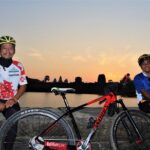
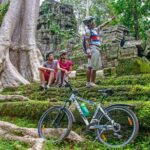
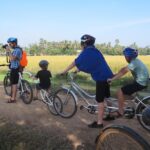
The 7 AM start: pickup, private transport, and how the ride actually begins
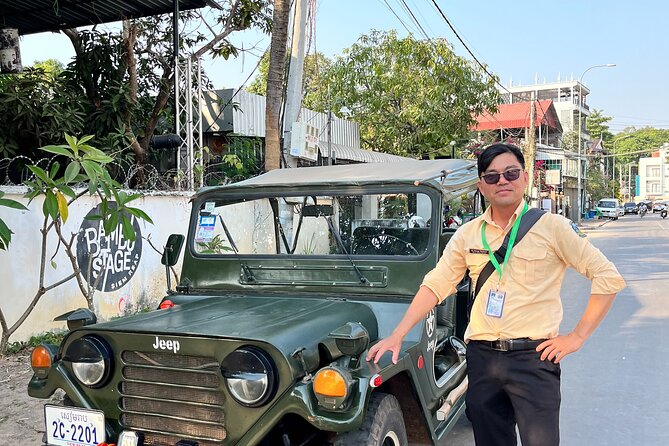
Your day kicks off at 7:00 am, with pickup offered and private transportation arranged to get you to the south gate of Angkor Thom. That’s a smart move. Instead of spending your morning trying to line up taxis, finding meeting points, or wasting time with logistics, you start riding early with a guide already in control of the flow.
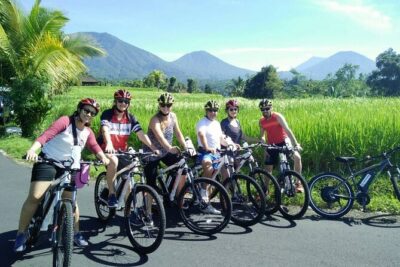
Because it’s a private group, your pace is more flexible than on big multi-language bus tours. Your guide can keep you moving at a comfortable speed and pause when you want a moment to take photos or just stand and look.
Also note: the tour is marked for people with moderate physical fitness. It’s not “only sit and watch.” You’ll be cycling for several hours, even if the distance is fairly short (about 10 km total). That short distance still adds up because temple roads can be uneven, and there are stops to explore.
Finally, drinking water is included. That’s a big help for a morning start in Siem Reap’s heat. Still, I’d bring a little extra water if you’re the type who drinks often—especially in the hotter months—since lunch and breakfast aren’t provided.
Angkor Thom highlights by bike: Elephants, Leper King, and Bayon faces
The day’s temple sequence starts in Angkor Thom, and it’s a good choice. Angkor Thom gives you the classic walled-city feel, with carved terraces and a central core that’s easy to understand once you’re in the space.
You begin by moving in toward the center and first hit the Terrace of Elephants. This is one of those areas where you can see why people rave about Angkor’s stonework. Even if you don’t know all the names of every element, the scale and carving style do the talking.
Next comes the Terrace of the Leper King. It’s a striking stop because it’s different from the “big postcard towers” you might expect from Angkor. Instead of only looking upward, you spend time at eye level, taking in details and carvings that reward a slower visit.
Then you reach the smiling stone faces of Bayon. This part is where the bike route pays off. On a crowded day, Bayon can feel like a moving crowd-jam. Here, the goal is to keep you from being stuck in one huge knot of people. You still get the famous faces, but you’re more likely to have time to actually study them.
Potential drawback: since this part of the route is popular, you’ll still see other visitors at times. The difference is that you’re not doing the standard “arrive with the herd and wait forever” routine. You’re cycling between points, which naturally spreads your experience out.
Ta Prohm on a quiet path: the jungle-clad temple effect
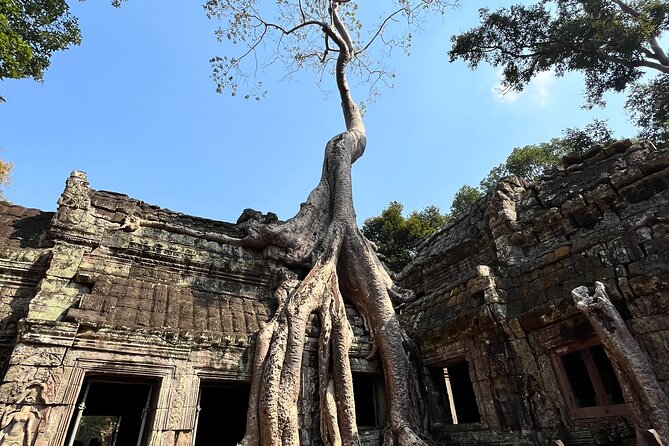
After Bayon, the ride continues toward the west gate of Angkor Thom and on to Ta Prohm, the temple known for its jungle-grown atmosphere.
Ta Prohm is the kind of place where the setting matters as much as the stones. You don’t just look at architecture—you feel the way roots and trees shape the view. On a bike day, that helps because you can approach the temple with fewer interruptions. You arrive and get into the moment, rather than rushing through it while people squeeze past you.
The route also aims to avoid crowd surges by using local access paths. Translation: you spend more time in the temple’s mood and less time in traffic-like tourist flow.
One thing to consider: Ta Prohm can be busy even when crowds are lighter elsewhere. If you’re the type who needs solitude at all times, you may not get it everywhere. But compared to a typical “main temple only” day, this style is designed to keep your experience from getting swallowed by the busiest hours.
Lunch planning matters: what you need to know before Angkor Wat
Between Ta Prohm and Angkor Wat, there’s an early lunch. That timing is key, because it sets you up to see Angkor Wat when it’s less packed.
Here’s what you should plan for: lunch isn’t included. So you’ll want to think about what you’ll eat and where you’ll stop. If you’re picky about food or need vegetarian options, decide ahead of time what “good enough” looks like for you before the day starts.
I also recommend keeping snacks in mind. Not because the tour claims you’ll be hungry, but because bike days make your appetite spike. Even a small snack can help if your lunch spot runs late or if the midday heat makes you less hungry than usual, which then makes you suddenly hungry later.
Practical tip: bring some small bills for lunch. The tour package covers guide, transport, and water, but meals are on you.
Angkor Wat when it feels serene: the timing advantage
Then comes the big finish: Angkor Wat.
The tour is structured so that during this time of day, the crowds are at a minimum. That’s the whole point of the route. Angkor Wat is famous enough that it’s hard to fully escape people, but your experience can swing wildly based on timing. When the crowds are lighter, you get something precious: the chance to slow down and actually see the place.
On a calm Angkor Wat morning/late morning window, you’ll notice proportions. You’ll notice how light shifts across stone. You’ll also find it easier to move around without constantly pausing for other groups to squeeze through.
One cost detail you need to budget: the temple ticket is not included, and it’s listed as $37 per person. So your true all-in day price is $100 plus the day-temple admission. Still, I think the extra cost can be worth it when you consider what’s included: guide, private transport to the starting point, and a routing strategy that actively reduces time spent in crowded bottlenecks.
Price and value: what $100 really buys (and what it doesn’t)
At $100 per person, this is positioned as a day of guided cycling with private logistics. You’re paying for the human part (an English-speaking guide) and the practical part (private transportation and water).
What’s included:
- Private transportation
- English-speaking tour guide
- Drinking water
What’s not included:
- Breakfast
- Lunch
- Coffee and/or tea
- Temple ticket at $37/pax
- Tips to the driver and tour guide (paid separately)
- Travel insurance
So is it good value? I’d say yes, especially if you care about seeing Angkor without spending your day trapped in tour-group patterns. A lot of temple days fail because they only solve transportation. This one also solves the pacing problem with an alternate routing approach.
The route is also private, meaning you’re not sharing the bikes and pauses with a random crowd of strangers. That’s a comfort and attention factor. You get a more natural flow, which is a big part of why people like this style of tour.
One small note on price expectations: the booking is described as being made about 38 days in advance on average, which suggests strong demand for the early, quieter experience. If you want your preferred date, don’t wait until the week before.
Who should ride this—and who should skip it
This tour is best for people who are comfortable cycling and can handle a full day with some exertion.
Good fit:
- Moderate physical fitness
- You already know how to ride a bike
- You want to explore beyond the most obvious temple lines
- You like guided pacing and explanations from an English-speaking guide
Not a great fit:
- People who don’t know how to ride a bike
- Pregnant women (not recommended)
- Small kids, unless they are properly trained (and even then, this is not the typical “bring the family” style)
- Anyone who wants the day to feel completely low-effort
I’d also be cautious if you’re recovering from an injury or if you’re easily uncomfortable on uneven paths. The ride includes dirt roads and jungle tracks, so your body will feel it even if the total distance is only around 10 km.
The guide factor: when storytelling makes temple stops land
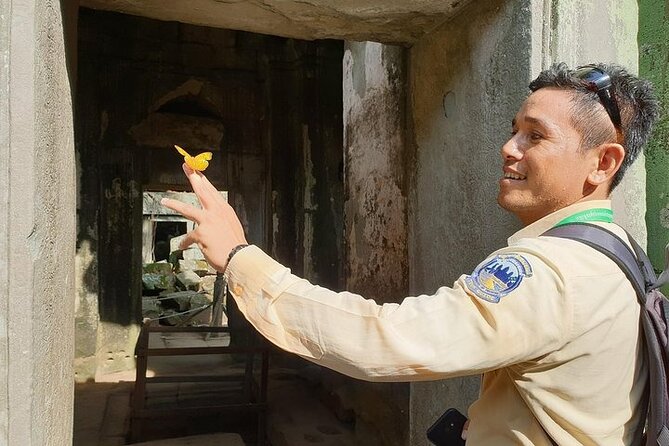
The biggest difference between a good temple day and a great one is the guide. Here, the tour includes an English-speaking guide, and the experience is aimed at making the sites feel more personal and less like a checklist.
In the wider Cambodia-cycling world, there’s a lot of praise for guides like Mr. Bunleat (aka HAT tours), known for creating a top-notch experience for younger travelers and families. That kind of guiding style—clear explanations, practical advice, and local understanding—is exactly what makes “just visiting” turn into “actually getting it.”
Even without getting fancy, the basics matter:
- You’ll want someone who can point out what to notice at each stop
- You’ll want pacing that keeps you from getting burned out
- You’ll want help moving through an area that can feel confusing without context
If that matters to you, this kind of guided bike route is a smart match.
What to budget and bring for a smooth day
Your day is mostly set for you, but there are a few extras you’ll need to handle.
Plan for:
- $37 temple ticket per person
- Lunch (not included)
- Breakfast (not included)
- Coffee/tea if you want it
- Tips to the driver and tour guide (give separately)
- Travel insurance/personal insurance
Bring:
- A way to stay hydrated on top of the included water
- Sunscreen and a hat (you’ll be outside for much of the day)
- Comfortable shoes for temple walking once you’re off the bike
- A camera with charged batteries, because the stone textures and jungle views will tempt you
If you’re worried about comfort, consider asking what kind of bike setup you’ll get when you confirm. The tour states that you should be confident riding a bike, so you’ll want your gear to match your needs.
Should you book this Siem Reap bicycle temple tour?
Book it if:
- You want Angkor Wat and the key Angkor Thom sights, but with fewer crowd headaches
- You like a day that mixes active travel with guided exploring
- You’re comfortable cycling and can handle stops across temple grounds
- You value the early timing that aims for a calmer Angkor Wat experience
Skip it if:
- You don’t ride bikes confidently
- You want a fully low-effort, mostly sit-and-watch day
- You’re traveling with someone who shouldn’t do moderate exertion (including pregnancy, or very young kids)
For me, the best reason to book is the approach: you’re not only seeing famous temples—you’re also getting the quieter route that makes the day feel more like travel and less like waiting in lines.
FAQ
What time does the bike tour start?
The start time is 7:00 am.
How long is the tour?
The duration is listed as 7 to 9 hours (approx.).
What is included in the price?
The tour includes private transportation, an English-speaking tour guide, and drinking water.
Do I need to buy the Angkor temple ticket separately?
Yes. The one day temple ticket is not included and is listed as $37 per person.
Is this tour private or shared?
It’s a private tour/activity. Only your group will participate.
What’s the cancellation policy?
There is free cancellation. You can cancel up to 24 hours in advance for a full refund.