REVIEW · FUKUOKA
Bike Tour in Fukuoka City【Bike is Life】Fukuoka ” Hakata ” Ride
Book on Viator →Operated by Bike is Life · Bookable on Viator
Fukuoka feels fast when you bike. This small-group ride threads together Hakata and the castle-town side of Fukuoka, so you get a real sense of how the city grew and what locals actually use on a daily basis. If you like history without the museum-stiff vibe, this is a great way to get your bearings.
I especially like the mix of big landmarks and “you can’t reach it by car” lanes, including riverside paths and car-free feeling stretches. I also like that you get built-in breaks plus drinks and snacks, so you are not rationing energy while you’re learning the city. The stops also link together nicely, from castle stone walls to temple origins, then finishing with a shrine that ties into Hakata identity.
One consideration: it’s an afternoon ride, and the experience depends on good weather. If rain hits, your plan may change, so pack a light layer and be ready for a pace that keeps you moving between stops.
In This Review
- Key highlights you’ll care about
- Why this bike tour is one of the best ways to start in Fukuoka
- Meeting point at Kushida Shrine Station: easy start, easy finish
- Stop 1: Fukuoka Castle remains and the Uenobashi Imperial Gate stretch
- What to watch for on this section
- Stop 2: Ohori Park in the outer moat zone
- Why Ohori Park is more than a scenic pause
- Stop 3: Shofuku-ji Temple and the tea-origin angle
- Practical takeaway
- Stop 4: Kushida Shrine and Hakata’s local spirit
- The ride length and pace: relaxed, but not a sit-and-watch tour
- Who this pace suits
- Group size, guide style, and what Haruka likely means for you
- Price and value: what $72.26 buys you in real terms
- When the value is especially strong
- Bike logistics that can make or break your day
- Safety mindset
- Weather and timing: plan for the afternoon rhythm
- Should you book this Fukuoka bike tour?
- FAQ
- How long is the bike tour in Fukuoka City
- Where do you meet and where does the tour end
- How much does the tour cost
- What is included in the price
- Are there admission fees for the stops
- What languages are offered
- How big is the group
- What age and height are required
- Is the tour dependent on weather
- Is this tour ticket available on a phone
Key highlights you’ll care about
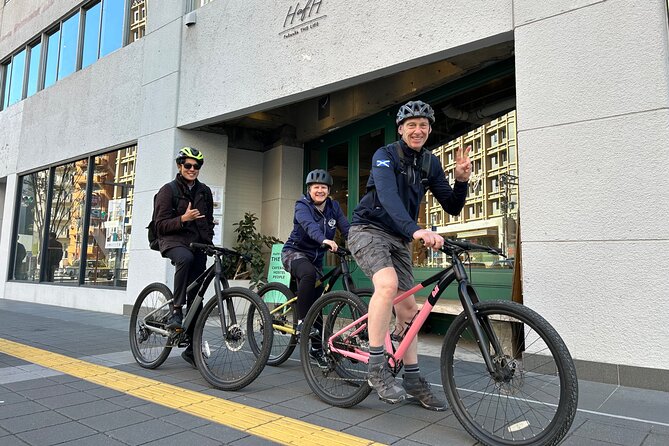
- Hakata + Fukuoka in one loop: two distinct sides of the city, connected by an easy cycling format.
- Small group (max 10): more breathing room and a better chance to ask questions while moving.
- Castle ruins and park moat time: you ride along impressive walls, then slow down at Ohori Park.
- Tea-history stop at Shofuku-ji: a meaningful cultural pause tied to Japan’s tea story.
- Snacks and drinks included: the tour feeds you, so you can focus on the ride.
- Guide names often mentioned: Haruka (and Haru): you’ll likely bike with a friendly English-support guide.
Why this bike tour is one of the best ways to start in Fukuoka
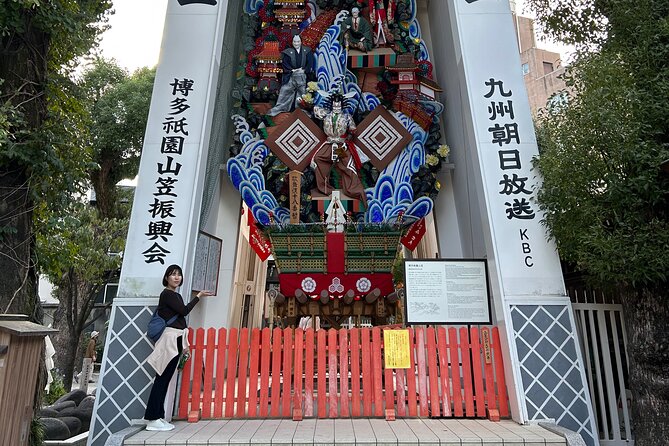
Fukuoka can feel like two cities wearing the same coat. One side grew around Hakata’s international port role; the other formed around the castle town, planned and shaped in the Sengoku era by Kuroda Nagamasa and his father Josui. This tour keeps that contrast front and center.
You cover ground quickly, but you don’t just speed past sights. The route is built around areas where bicycles can go, including paths and river-adjacent stretches that feel more human than main roads. That matters, because you get the air and seasonal scents while you ride, not just postcard views.
Also, the timing works for first-timers. Starting in the early afternoon means you can still do a full day after, whether that turns into ramen, shopping, or a second neighborhood stroll.
Meeting point at Kushida Shrine Station: easy start, easy finish
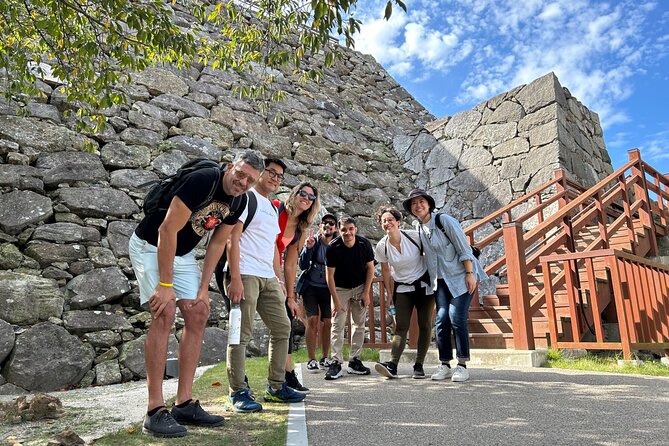
You meet at Kushida Shrine Station in Hakata Ward (Gionmachi area), and the tour ends back at the same meeting point. That is useful if you are trying to keep your day simple, since you don’t have to figure out how to get home from a different neighborhood.
The tour runs roughly 13:00–16:30, about 3 hours 30 minutes total. With that length, you get a satisfying city sample without feeling like you’re signing up for your whole afternoon.
One more practical note: the group is limited to 10 travelers. That smaller cap is a big deal on bikes, because it helps everyone stay together even when streets get tight.
Stop 1: Fukuoka Castle remains and the Uenobashi Imperial Gate stretch
The ride begins in the Fukuoka Castle area, starting near Uenobashi Imperial Gate. From there, you continue toward the castle tower zone and along stone walls that total more than 3 km.
What I like about this stop is how it changes the way you understand the city. When you ride along a wall line, you feel scale. You also understand that the castle town wasn’t just a single point of interest; it was an organizing force for how space, movement, and defense worked.
This is also the most “move-and-watch” part of the route. If you enjoy keeping an eye on stonework, gate angles, and the way the wall follows the terrain, you will likely have fun here.
What to watch for on this section
- Busy moments around major entrances can mean slower pedaling.
- You’ll want your camera ready, but don’t force stops that break group flow.
Stop 2: Ohori Park in the outer moat zone
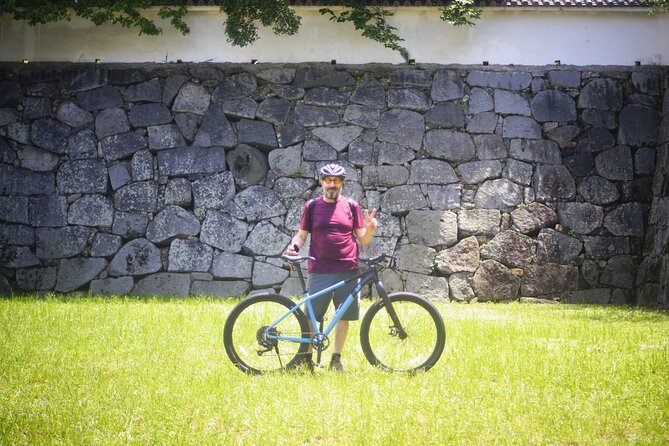
After the castle wall stretch, you roll into Ohori Park, including riding along the outer moat area. This is where the tour shifts gears: you trade “fortress scale” for open space and a calmer vibe.
The park break matters because it makes the whole ride feel more comfortable. You’re not just grazing attractions; you’re actually getting a breather in a place locals use and enjoy.
There’s often time for a cafe-style stop in the Ohori Park area, with people talking about sweet treats during the break. Even if you skip the snack, the point is the same: you get a reset before the cultural stops get more focused.
Why Ohori Park is more than a scenic pause
Ohori Park helps you understand how Fukuoka layered leisure and nature over older city structure. It is one thing to read that a moat existed. It’s another to ride next to it while you feel the open-air rhythm of the park.
Stop 3: Shofuku-ji Temple and the tea-origin angle
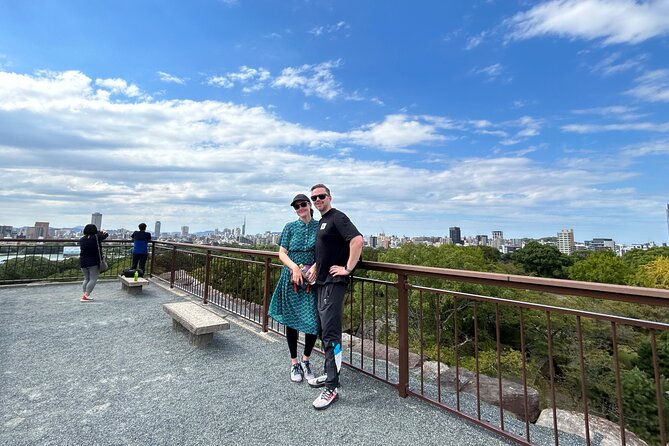
Next up is Shofuku-ji, described as Japan’s first Zen temple and tied to the birthplace of Japanese tea. This stop gives the tour a cultural backbone beyond scenery.
Zen temples often make visitors slow down, but here you arrive by bike, so the transition feels natural. You go from riding city edges to stepping into a quieter space where the focus is less about movement and more about place.
Practical takeaway
Since the tour stays organized with short stop durations, you’ll get enough time to notice key details without feeling rushed in the way some fast group tours do. It’s a good balance if you want culture without losing the “on the bicycle” fun.
Stop 4: Kushida Shrine and Hakata’s local spirit
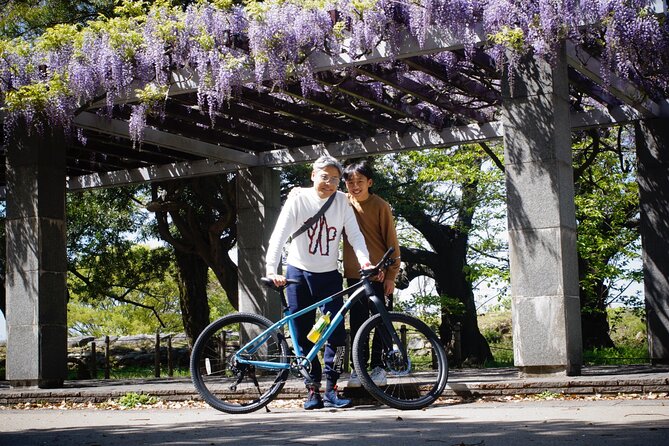
The day closes with Kushida Shrine. The vibe here is different from the temple stop: this is more about local identity and prayer. In the tour framing, Kushida Shrine is associated as Hakata’s deity gathering place.
This is a short stop, but it’s a meaningful one. It helps balance the earlier history-focused pieces with something ongoing and living in the neighborhood.
If you like shrines, you’ll enjoy the straightforward idea of taking a moment for safety and goodwill before you head back into the city on foot or by transit. It also makes the tour feel complete, since you started near Kushida Shrine Station and you finish in the shrine area rhythm.
The ride length and pace: relaxed, but not a sit-and-watch tour
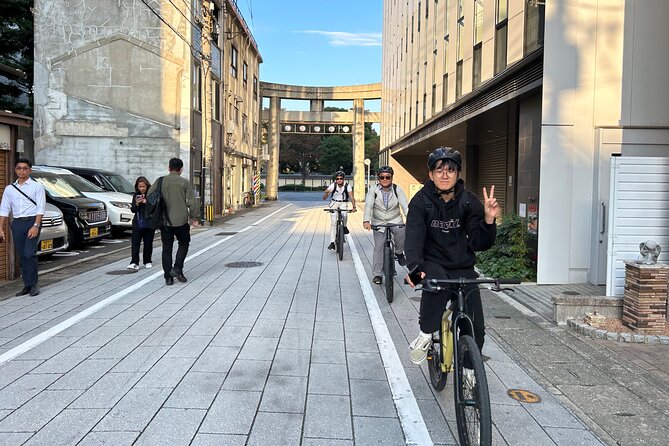
A fair amount of cycling is part of the experience. One person described the ride as around 17 km, and the rest of the durations suggest you are moving enough to feel like a true city bike tour rather than a trolley-style hop between stops.
The pace tends to be comfortable, especially with guides who set an easy rhythm and include breaks. In past groups, guides have adjusted pace for seniors and kept everyone together, which is exactly what you want in a foreign-city bike tour.
Who this pace suits
- First-time riders in Japan who still want control and safety.
- People who prefer learning by moving rather than standing in crowds.
- Families or mixed-age groups who benefit from planned pauses.
If you’re expecting a mostly flat, no-stop cruise with zero pedaling, you might find it a bit more active than you want. But if you can handle a steady, moderate city ride, it is a solid fit.
Group size, guide style, and what Haruka likely means for you
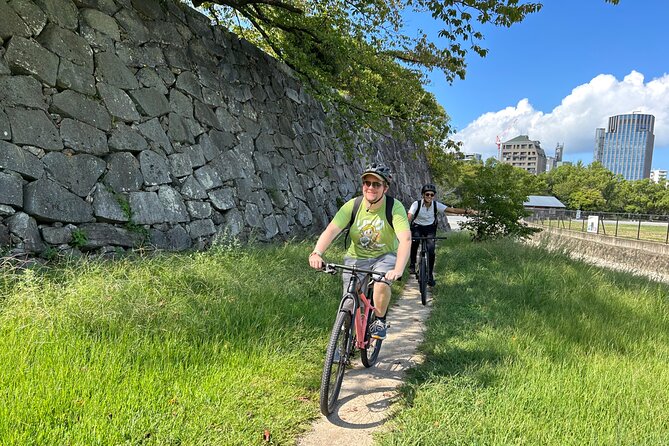
The tour language is Japanese and English, and the max group size is 10 travelers. That combination usually leads to a more interactive experience: you can hear explanations at each stop without the whole group turning into a loud blur.
Guide Haruka (sometimes referenced as Haru) shows up in the strongest feedback. People note that Haruka is patient if you have trouble finding the starting spot, and that he keeps the group at a pace that feels comfortable with breaks built in.
That matters because your biggest risk on bike tours is not the view. It’s stress: getting separated, not understanding instructions, or feeling rushed through streets. A guide who manages safety and group togetherness helps you enjoy the route.
Price and value: what $72.26 buys you in real terms
The price is $72.26 per person, and that number feels more reasonable when you look at what is included. You get bicycle rental, insurance, and drinks and snacks. For many visitors, that bundled cost is the difference between a fun afternoon and a day where you end up buying bike extras and drinks separately.
The ticket is also mobile, so you don’t waste time in busy entry lines trying to find paper passes. You also don’t pay admission at the stops listed for the tour segments: the castle remains segment, Ohori Park time, Shofuku-ji, and Kushida Shrine are all described as free for this experience’s visits.
When the value is especially strong
- If you are only in Fukuoka for a short time and want an efficient orientation.
- If you would otherwise spend money on bike rental and snacks piecemeal.
- If you want guided context while you ride, not just a route map.
Bike logistics that can make or break your day
This tour is designed for ages 16+ and people at least 145 cm tall (the guide asks whether you are over 140 cm tall as a practical screening question). You do not want to assume fit; bikes need the right body-to-seat relationship for safe, comfortable pedaling.
If you can answer the questions on the day—can you ride a bicycle, are you tall enough—you will likely be fine. The tour also says most travelers can participate, which is a helpful cue that the ride is not designed for extreme athletic difficulty.
Safety mindset
City streets can be windy and narrow, and the tour includes steering through those sections. In strong feedback, people emphasize that they felt safe when the guide navigated and kept watch over the group.
Bring the right attitude: ride focused, keep your speed steady, and don’t make sudden lane changes when you’re not sure. That’s true anywhere, and it’s especially true in a group cycling scenario.
Weather and timing: plan for the afternoon rhythm
The experience requires good weather. If weather cancels the tour, you’re offered a different date or a full refund. Since this is a bike-based activity, that rule is fair, and it’s better than risking a miserable ride in the wrong conditions.
Your best move: pack for comfort even if it’s not cold. Think light rain layer, sunglasses, and something to protect your phone. If the day turns sunny, also be ready for the kind of bright walking-and-ride glare that makes photos tricky.
The afternoon start also means you can adjust your plans around local meal timing. After you roll back to Kushida Shrine Station, ramen and casual dining options are likely within easy reach.
Should you book this Fukuoka bike tour?
Book it if you want a smart first taste of the city. This tour hits the two key sides—Hakata and the castle-town area—in one afternoon, using bicycles to access routes and river-adjacent paths that feel more local than car-only streets. The small group size plus drinks and snacks also make it a comfortable value, not just an activity for activity’s sake.
Skip it (or at least think twice) if you have a very low tolerance for cycling time or if you need a strictly indoor or museum-heavy schedule. Also, if you are traveling when rain is likely, be prepared for rescheduling.
If you want a practical city orientation that mixes walls, parks, temples, and a shrine finish, this is a strong choice.
FAQ
How long is the bike tour in Fukuoka City
It runs about 3 hours 30 minutes.
Where do you meet and where does the tour end
You meet at Kushida Shrine Station in Hakata Ward, and the tour ends back at the same meeting point.
How much does the tour cost
The price is $72.26 per person.
What is included in the price
The price includes bicycle rental, insurance, drinks, and snacks.
Are there admission fees for the stops
The tour notes admission is free for the castle remains segment, Ohori Park time, Shofuku-ji, and Kushida Shrine during the visit.
What languages are offered
The tour is offered in Japanese and English.
How big is the group
The tour has a maximum group size of 10 travelers.
What age and height are required
It is for 16 years of age or older and over 145 cm tall (there is also a question about being over 140 cm tall before riding).
Is the tour dependent on weather
Yes. The experience requires good weather, and if it’s canceled due to poor weather, you’ll be offered a different date or a full refund.
Is this tour ticket available on a phone
Yes, the tour uses a mobile ticket.