REVIEW · PHU QUOC
Cycling Through Phu Quoc Rural Village
Book on Viator →Operated by HORNBILL ADVENTURES · Bookable on Viator
Pedals beat scooters for real village life. This 3-hour ride from Dương Tơ takes you through working farms and food factories that explain how Phu Quoc flavors get made, not just served. You’ll roll on trek mountain bikes with a local English-speaking leader, stopping at several spots where locals actually do the work.
I especially like two things: the hands-on food stops (Sim wine, black pepper, and fish sauce) and the small-group feel, capped at 8 travelers. The ride also starts with a proper bike-and-helmet check plus a quick safety chat, so you’re not guessing your way through rural roads.
One consideration: this tour depends on good weather. If it’s too poor for cycling, you’ll be offered another date or a full refund, so plan for some flexibility if you’re traveling in a rainy stretch.
In This Review
- Key highlights
- From 117 Đường Trần Hưng Đạo: how the ride starts and stays manageable
- Si and your safety briefing: the real reason this feels easy
- Stop 2: Rượu Sim Bảy Gáo and the taste of Phu Quoc’s famous Sim fruit
- Stop 3: Vườn tiêu Huỳnh Thy pepper farm and what harvest really means
- Stop 4: Nước mắm Hồng Đức 1 and Truyền Thống Phú Quốc fish sauce made the old way
- Stop 5: Hàm Ninh charcoal making and the sustainability angle
- The in-between ride: views, village roads, and a smoother pace with fewer people
- Where the value comes from: price, included gear, and the number of stops
- Who should book this tour (and who might want a different option)
- Should you book Cycling Through Phu Quoc Rural Village?
- FAQ
- Where does the tour start?
- How long does the cycling tour take?
- What bike and safety gear are included?
- Is water included during the tour?
- Are alcoholic beverages included?
- Is there an age requirement for the beer?
- How big is the group?
- What happens if the weather is bad?
Key highlights
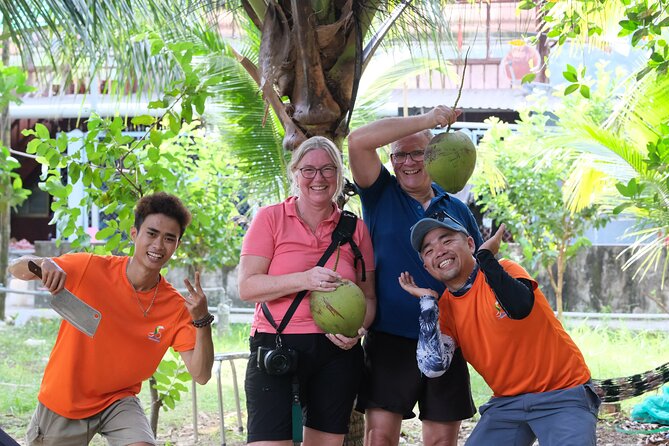
- Trek mountain bikes plus a helmet fitting and road-rules briefing
- Small group size (max 8) for a calmer, easier pace
- Rượu Sim Bảy Gáo tasting with an explanation of fermentation
- Vườn tiêu Huỳnh Thy to see pepper growth and harvest stages
- Nước mắm Hồng Đức 1 / Truyền Thống Phú Quốc fish sauce production steps
- Hàm Ninh charcoal making as a practical craft with sustainability in mind
From 117 Đường Trần Hưng Đạo: how the ride starts and stays manageable
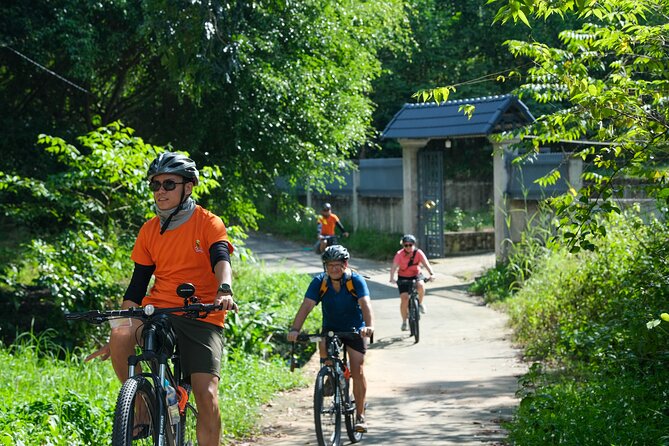
The tour begins at 117 Đường Trần Hưng Đạo in Dương Tơ, Phú Quốc. You’ll pick a bike and put on your helmet first. Before you pedal off, the leader reviews the rules of the road and checks that the helmet fits properly. That matters more than it sounds—especially in areas where you’ll share roads with normal daily traffic.
The whole experience runs about 3 hours. It’s long enough to feel like you left the beach bubble, but short enough that you’re not signing up for a full-day commitment. Bottled water is included, and the group stays small (up to 8), which usually means less waiting around and more time actually riding and talking.
Also, the tour uses a mobile ticket, and you should receive confirmation at booking. If you’re trying to lock in good timing, note that this type of activity is commonly booked ahead (on average about 15 days in advance). Going earlier helps you avoid the “only one time slot left” problem.
Finally, there’s a practical finish: once the tour is done, you return back to the meeting point. If your hotel is on the way, you’ll get a transfer.
Si and your safety briefing: the real reason this feels easy
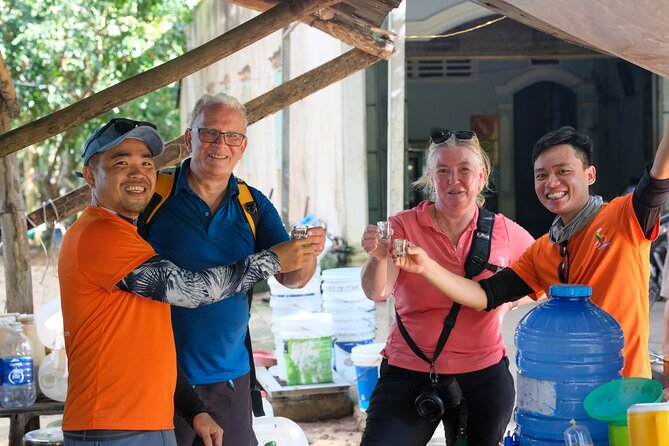
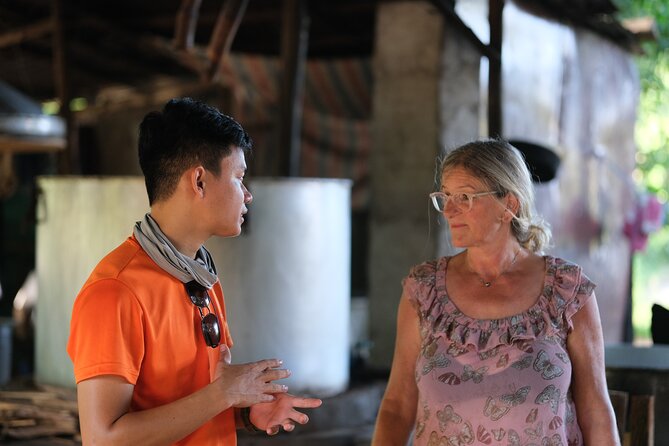
One of the best parts is the leadership style. In the past runs of this tour, the guide has been Si, and he’s been praised for adjusting to riders who need extra time or a gentler rhythm. That’s huge in a country where road rules can feel fluid for visitors, even when drivers are used to it.
You’ll get a quick explanation of what to expect on the road. The helmet check isn’t just ceremony. A helmet that’s loose will be annoying; a helmet that doesn’t sit right can be unsafe. Getting that right at the start keeps the rest of the ride from turning into a distraction.
In terms of effort level, the ride has been described as a fairly easy biking challenge. That doesn’t mean it’s a leisurely stroll—cycling still takes some leg power. But it’s the kind of effort that lets you focus on the places you’re visiting instead of surviving a workout.
If you’re a first-time cyclist, plan to take your time, keep your eyes on the road, and let the leader guide the group tempo.
Stop 2: Rượu Sim Bảy Gáo and the taste of Phu Quoc’s famous Sim fruit
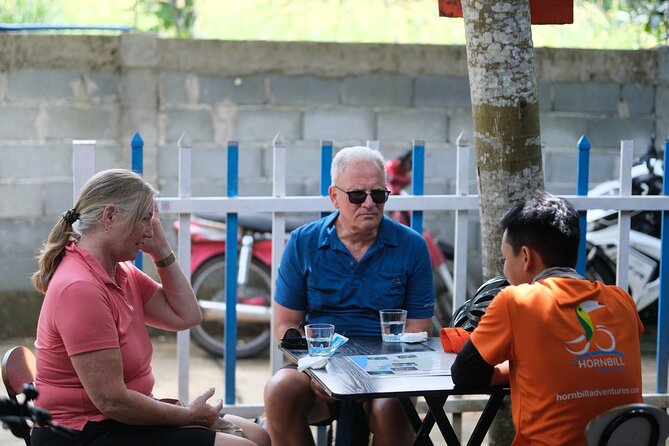
Your first major food stop is Rượu Sim Bảy Gáo, a local family-run operation focused on traditional Sim wine. You’ll learn how the fermentation works, and then you get to sample it. Expect a sweet, tangy profile, the kind of taste that feels different from the usual fruit drinks people try on the island.
This stop is valuable because it’s not just tasting. You’re hearing the process behind it—how the fruit becomes alcohol through fermentation. That makes the flavor make more sense once you’ve tried it, and it gives you something to compare later when you see Sim wine sold everywhere.
Also, this is one of those experiences that works well even if you’re not a big alcohol person. You can treat it like a food lesson: taste first, then understand what you’re tasting. If you’re traveling with a non-drinker, ask if you can keep the sampling light; the tour includes alcoholic beverages, but the real win here is the process education.
Stop 3: Vườn tiêu Huỳnh Thy pepper farm and what harvest really means
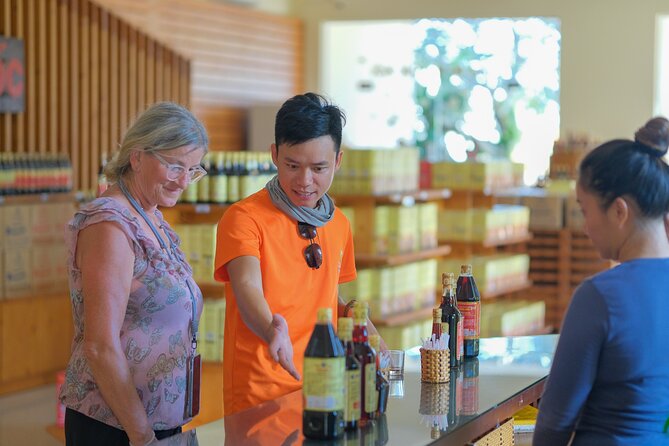
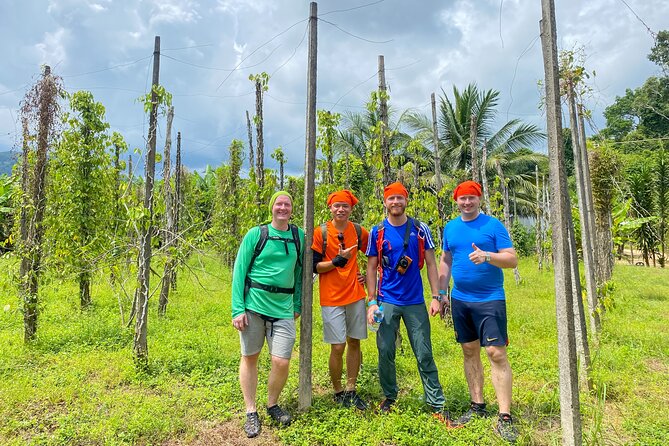
Next comes Vườn tiêu Huỳnh Thy, a pepper farm where you see Phu Quoc’s black pepper grown up close. The leader explains the stages of growth and harvest, and you get time to look around the farm and understand how the crop moves from plant to production.
Pepper on Phu Quoc isn’t just a souvenir spice. It’s a cash crop for many local families, and seeing the farm in person helps you understand why the island’s pepper has a reputation. You’ll get a clearer idea of how seasonal timing and cultivation practices affect what ends up on shelves.
There’s also a chance to purchase pepper products if you want. Just keep expectations realistic: this is a farm visit, not a polished showroom. Ask questions, compare what you like, and pay attention to what’s being sold at that moment versus what you might have seen online.
If you’re the type who likes to cook, this stop will stick with you. Once you’ve seen the plant and heard the harvest timing story, you’ll taste pepper differently when you use it at home.
Stop 4: Nước mắm Hồng Đức 1 and Truyền Thống Phú Quốc fish sauce made the old way
No Phu Quoc itinerary that cares about food should skip fish sauce. Here, you visit the fish sauce production area known as Nước mắm Hồng Đức 1 (Truyền Thống Phú Quốc). You’ll get an exclusive look at the traditional, time-honored methods used to create the island’s fish sauce.
This stop is practical in a food-nerd way. It helps you understand why fish sauce tastes layered rather than simply salty. You’re seeing the steps and scale involved in production, and you’re learning that making it well takes time and careful process—something you can’t fully grasp from a bottle.
A potential drawback: fish sauce production is sensory. The smell is part of the deal. If you’re sensitive to strong odors, you might want to keep expectations in check and take it in stride. The upside is that the smell fades while the knowledge stays. After this, you’ll read food labels with more respect and cook with more confidence.
If you like Vietnamese food, you’ll connect a lot of dots here. Fish sauce shows up everywhere, but most people only know it as a background ingredient. This stop makes it feel like a real craft.
Stop 5: Hàm Ninh charcoal making and the sustainability angle
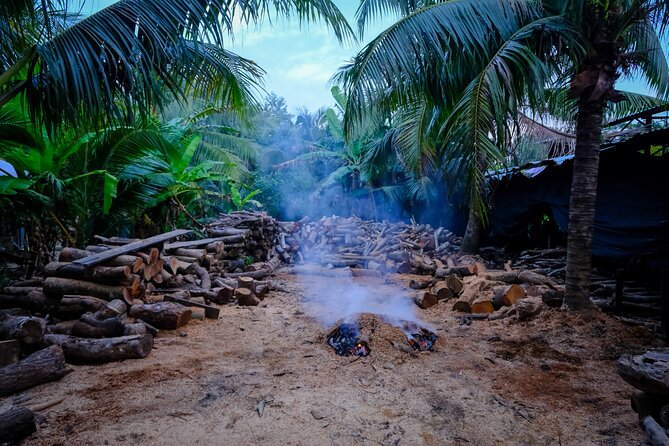
After pepper and fish sauce, the route takes you to Hàm Ninh, where you can observe traditional charcoal production. You’ll watch the process and learn how the practice is passed down through generations.
This is one of those stops that makes your time feel more grounded. Instead of only seeing what tourists usually buy, you’re seeing a working craft tied to local needs. Charcoal production can be controversial in other places, so the tour’s framing is useful: the process here is presented as a sustainable practice passed through the community.
You won’t be touring a museum. You’ll see how real production looks, which can be more educational than any brochure. If you like learning how everyday materials get made, this will be the most memorable part besides the food tastings.
The in-between ride: views, village roads, and a smoother pace with fewer people
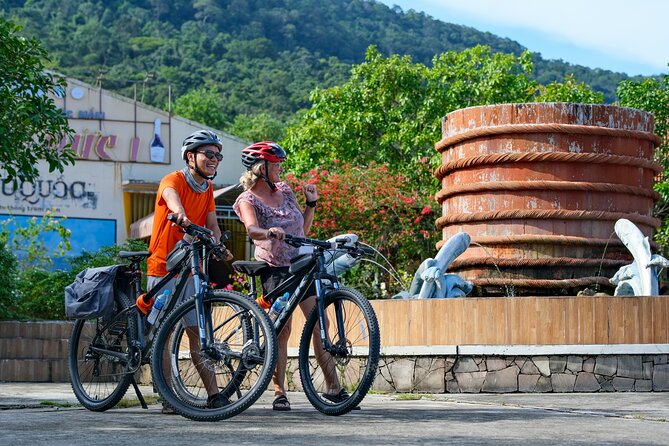
The magic often happens between stops. On this route, you’re cycling through rural areas with mountain views, and you spend real time outside the beach corridor. In at least one run of the route, the ride has included passing through the area of Phu Quoc’s new airport, which changes the scenery and makes the westward trip feel more complete.
Because the group is capped at 8, you get a steadier rhythm. You’re not constantly dodging around slower riders, and you’re not stuck waiting for a long line to move forward. That translates into less stress and more attention on what’s around you.
If you’re prone to motion sickness, cycling is usually easier than being stuck in a car because you’re controlling your movement and seeing the road ahead. Still, keep your pace comfortable and let the leader set the overall tempo.
Also, remember the tour is about stops plus riding, not a race. If you treat it that way, you’ll get more out of each place.
Where the value comes from: price, included gear, and the number of stops
The price is $51.24 per person for about 3 hours. At first glance, that might sound like a basic bike outing. But the value is in what’s bundled:
- Trek mountain bikes and a helmet
- An experienced English-speaking local leader
- Bottled water
- Unlimited local beer (minimum age 18)
- Multiple included admissions at each stop (the visits are ticket-free)
- Several structured food-and-craft experiences, each with time for explanation
If you’ve ever tried to DIY a route on Phu Quoc, you know the hard part isn’t riding. It’s getting access to working places and understanding what you’re seeing. This tour solves that with guided stops where the process is explained, not just shown.
So for the money, you’re paying for convenience and context. You get a bike ready to go, you get language support, and you get a sequence of visits that would take more planning and more luck if you were doing it alone.
Who should book this tour (and who might want a different option)
This tour fits best if you want a countryside side of Phu Quoc without a long hike. It’s ideal for people who like food culture and crafts—Sim wine fermentation, pepper cultivation, fish sauce production, and charcoal making. If you’re traveling with someone who wants a break from the beach, this is a strong swap.
It’s also a good choice if you’re not a hardcore cyclist. The ride has been described as fairly easy, and the guide has been praised for working patiently with riders who need small adjustments.
You might want to choose something else if:
- You’re extremely odor-sensitive and fish sauce production is a deal-breaker.
- You can’t handle any cycling if weather turns bad, since the experience requires good weather to run.
- You’re looking for a high-speed endurance ride. This is about seeing and learning, not training.
Should you book Cycling Through Phu Quoc Rural Village?
Yes, if you want your Phu Quoc visit to include more than beach time. The mix of biking + working food production + crafts is exactly the kind of combo that makes a short trip feel full. I also like that it’s structured: you get helmet checks, a safety briefing, bottled water, and a guide like Si who’s been noted for being helpful with different riding abilities.
Book it sooner rather than later if your dates are fixed, since this activity tends to sell out about two weeks ahead on average. And if rain threatens, keep your schedule flexible—when the weather is poor, the tour may shift to another date.
If you want a real feel for how Phu Quoc’s flavors and daily crafts get made, this is one of the better ways to do it without turning your vacation into a logistics project.
FAQ
Where does the tour start?
The tour starts at 117 Đường Trần Hưng Đạo, Dương Tơ, Phú Quốc, Kiên Giang, Vietnam.
How long does the cycling tour take?
It lasts about 3 hours.
What bike and safety gear are included?
You get a trek mountain bike and a helmet.
Is water included during the tour?
Yes. Bottled water is included.
Are alcoholic beverages included?
Yes. Alcoholic beverages are included as unlimited local beer.
Is there an age requirement for the beer?
Yes. The minimum age is 18.
How big is the group?
The tour has a maximum of 8 travelers.
What happens if the weather is bad?
This activity requires good weather. If it’s canceled due to poor weather, you’ll be offered a different date or a full refund.