REVIEW · SEATTLE
Emerald City Bicycle Tour
Book on Viator →Operated by SeattleBicycleTours · Bookable on Viator
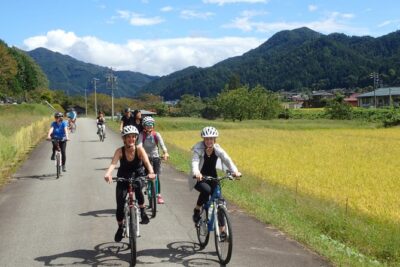
Seattle looks different when you ride it. This tour strings together the city’s best bike paths with guided stops, so you learn neighborhoods fast while you get a legit workout. I especially like the small group size (12 or fewer) and the protected bike lanes that keep things calm, even when Seattle has hills. Guides such as Daryl, Rina, and Monte bring local stories that make the route feel personal, not generic.
One thing to consider: it’s not a sit-and-spin ride. You’ll need moderate fitness and the ability to manage gears, since there are hills along the way and the pacing still expects you to ride.
In This Review
- Quick hits before you pedal
- A 3-hour Seattle intro built for bikes, not buses
- Starting at Vine Street Storage: timing, access, and what to expect
- Pedal the waterfront first: how the tour sets the tone
- Elliott Bay and Olympic Sculpture Park: art plus sea air
- Uptown Queen Anne and the Space Needle from your saddle
- South Lake Union and the West Lake cycle trail: tech, signals, and water life
- Fremont to Ballard: cruising like a local, then watching the locks
- Magnolia and Burke-Gilman back to the waterfront
- How hard is it, really? Hills, gearing, and pacing
- Guides make or break a bike tour
- Price and value: is $99 fair for what you get?
- Should you book Emerald City Bicycle Tour?
- FAQ
- How long is the Emerald City Bicycle Tour?
- What does the tour cost?
- What time does the tour start, and where is the meeting point?
- Is the tour limited to a small group?
- Are bikes, helmets, and water included?
- Does the tour operate in bad weather?
- What kind of fitness level do I need?
- Is the ticket refundable if I cancel?
Quick hits before you pedal
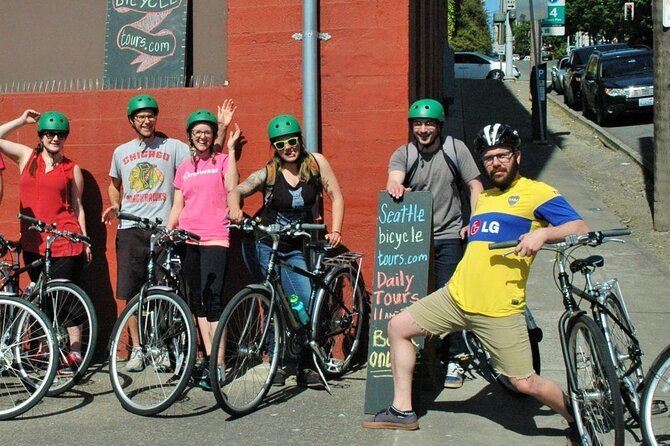
- 12 or fewer riders means more attention and a friendlier group vibe
- Protected lanes most of the route helps you feel safe on busy-city days
- Seattle’s “neighborhood by bike” format covers 8 of 13 neighborhoods in about 3 hours
- Olympic Sculpture Park + Elliott Bay trail adds art-and-water views without extra transit
- Ballard Locks in action includes the boat elevator and the salmon fish ladder
A 3-hour Seattle intro built for bikes, not buses
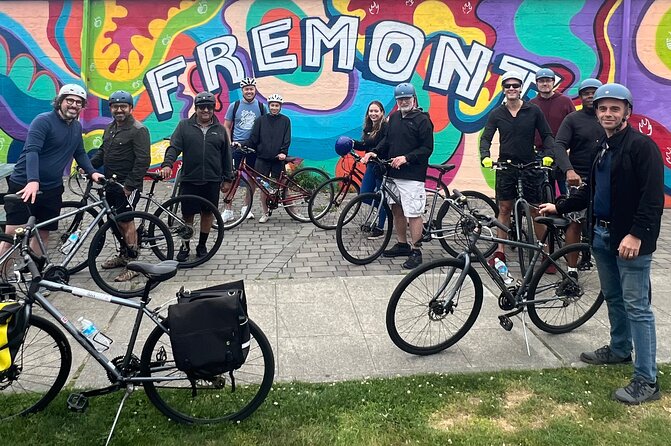
This is a short tour that’s actually designed for getting around Seattle on wheels. At about 3 hours, you get a packed overview without losing half the day to traffic or long walks. The route leans on Seattle’s strong network of inner-city trails and bike corridors, and most of the riding stays on protected bike lanes—a big deal in a city where drivers can be unpredictable.
The small size matters too. With a maximum of 12 travelers, you’re not stuck trying to hear a guide over a crowd, and you can ask quick questions without the usual chaos. If you’re the kind of traveler who likes to get your bearings fast and then explore later, this format is a smart first move.
Value-wise, the price isn’t just about “being taken to sights.” At $99 per person, you’re paying for a guided ride with bike setup and a route that hits a lot of top Seattle areas in a short window. You also get bottled water, which sounds small until you’re out there on a morning ride and you’re glad it’s handled.
Starting at Vine Street Storage: timing, access, and what to expect
The tour starts at Vine Street Storage, 11 Vine St, Seattle with a 9:30 am departure. It also ends back at the same meeting point, so you don’t end up coordinating another ride or hoping public transport is cooperating.
It’s noted as near public transportation, which is useful if you’re staying downtown or don’t want to play parking Tetris. The tour runs in all weather conditions, so don’t plan around a perfect day. Seattle can change fast, and even on cloudy mornings you’ll still be out pedaling.
What to bring is mostly common sense:
- Dress for Seattle weather, not a postcard.
- Wear shoes you can ride in comfortably.
- If you’re not used to shifting gears, practice before you roll out. The route can include hills, and being able to shift smoothly makes a big difference.
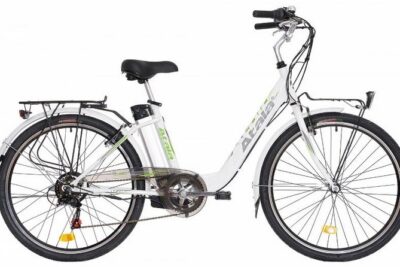
Bikes and helmets are included, which keeps the experience from turning into a gear hunt. Bottled water is provided, too, so you can focus on the ride and the commentary.
Pedal the waterfront first: how the tour sets the tone
You begin on Seattle’s waterfront and roll onto a fast network of inner-city bike trails. The goal here is simple: help you understand how Seattle neighborhoods connect, and how the city’s bike infrastructure makes it possible to travel quickly without fighting cars.
A key part of the pitch is that you’ll cover 8 out of 13 neighborhoods on this ride. That’s an efficient way to learn Seattle because it gives you more than a list of famous spots. You see the transitions—how the built environment changes, how the street style shifts, and where the bike lanes actually take you.
Your guide shares fun facts and pictures during the ride, so the sightseeing doesn’t rely only on what you can see out the window. This is especially helpful if you’re visiting for the first time and want a framework for later. If you’ve ever finished a walking tour feeling like you saw stuff but still couldn’t place it on a map, this biking approach tends to fix that.
Elliott Bay and Olympic Sculpture Park: art plus sea air
One of the smartest segments is the ride along the Elliott Bay bike trail. It takes you through the Olympic Sculpture Park, which is a rare type of stop: you’re not just looking at art behind glass, you’re biking through a public space that’s tied to the water.
Practically, this section also acts as a visual breather. After the opening waterfront stretch, you get a different feel—sea views, outdoor sculptures, and a calmer rhythm to the trail. It’s a good place to let your legs find their pace.
This part also sets up the next shift toward the city core and viewpoints around Queen Anne. If you like your sightseeing to mix perspectives—water, public art, and neighborhoods—you’ll enjoy this stretch.
Uptown Queen Anne and the Space Needle from your saddle
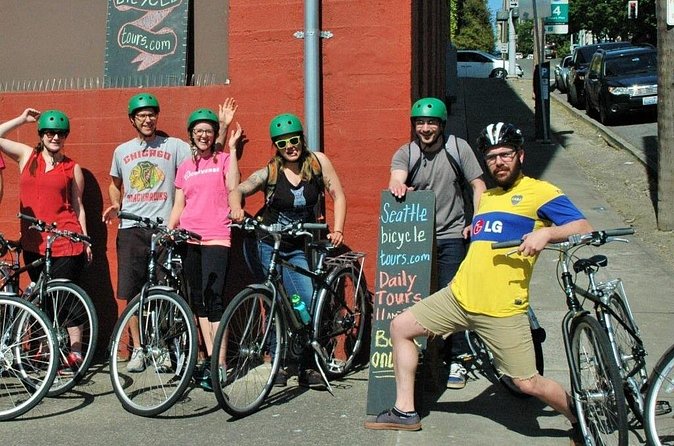
Next, you head toward the heart of the city with a route that puts Queen Anne and the Space Needle into your field of view from the bike. The Space Needle’s presence is obvious, but riding past it is different from standing across the way. You get a moving “frame,” like the city is unfolding in real time.
This stop also ties into the 1962 world’s fair connection. The tour doesn’t just point at the famous tower; it gives context for why that complex exists and why Seattle leans into this story. It helps you understand what you’re seeing instead of treating it as a photo backdrop.
Also, since your ride keeps moving, you get a sense of how that area functions today—not only what it looked like back then. If you’re the type who likes to know the why behind the what, this is a good segment.
South Lake Union and the West Lake cycle trail: tech, signals, and water life
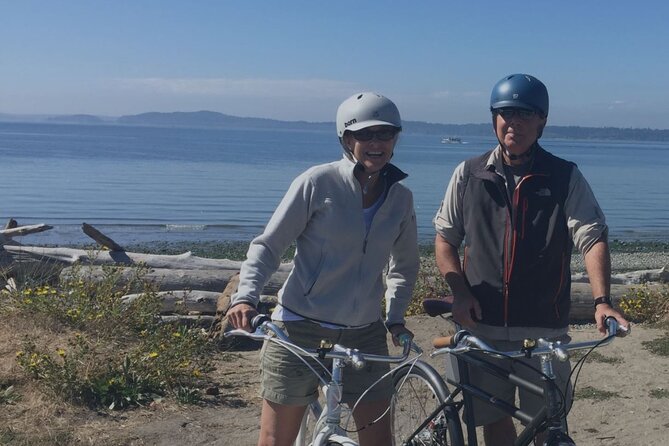
After the city center, you ride to South Lake Union, described as Seattle’s tech capital. This section is less about single towering icons and more about seeing how the city is planned. You’ll notice traffic signals designed for cyclists, and that’s one of the practical reasons this tour works well for beginners and intermediate riders. It feels like the route was built with people on bikes in mind.
Then comes a shift onto the West Lake cycle trail, where the scenery changes again. You’ll see houseboats and seaplanes, and that mix of water-based life alongside city growth is very Seattle. It’s also a neat mental contrast: downtown intensity on one side of the route, lakeside character on the other.
If you’re the kind of traveler who gets curious about how people live in a city, South Lake Union and the lakeside stretch are where the tour starts to feel more personal than touristy.
Fremont to Ballard: cruising like a local, then watching the locks
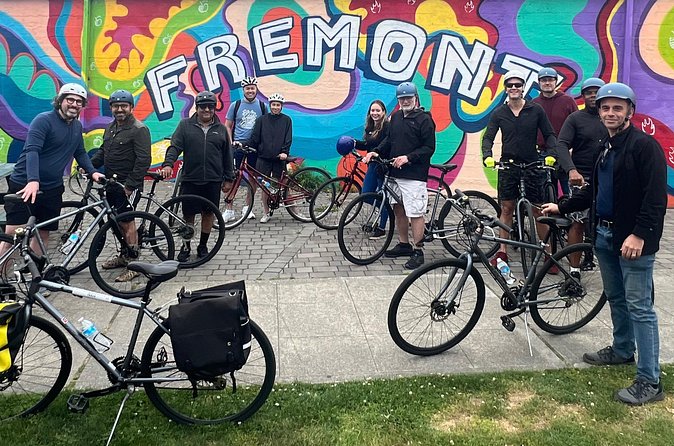
Fremont is where the ride leans into Seattle’s eclectic personality. Cruising along the West Lake cycle trail through the neighborhood of Fremont feels like you’re moving through real everyday life, not just hitting a list of attractions. The vibe is energetic, and the route gives you enough time to notice how different blocks feel from one another.
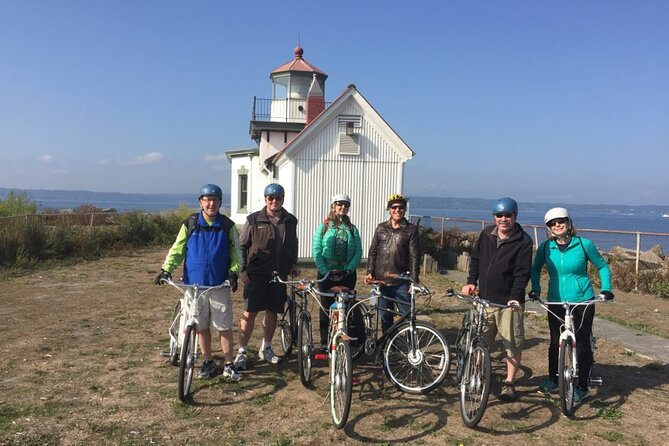
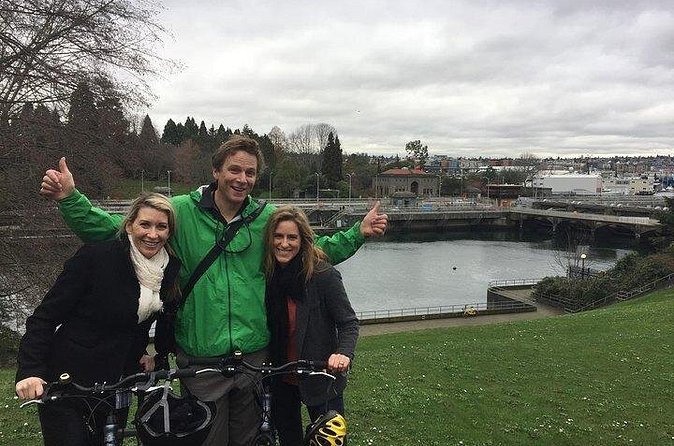
Then you head to Ballard, where the highlight is the Ballard Locks system. This is the part that turns the tour from “nice ride” into “I’m glad I did this.” You’ll see the busiest locks (boat elevator) in the USA, watch how ships can move between the ocean and the lakes, and get to see the salmon fish ladder.
From a learning perspective, this is standout because it’s a living system. You’re not only looking at a structure; you’re seeing it do something. That makes the stop memorable even if you aren’t a boat or salmon superfan. It also adds a natural pause in the ride, so you can reset before the final return.
Magnolia and Burke-Gilman back to the waterfront
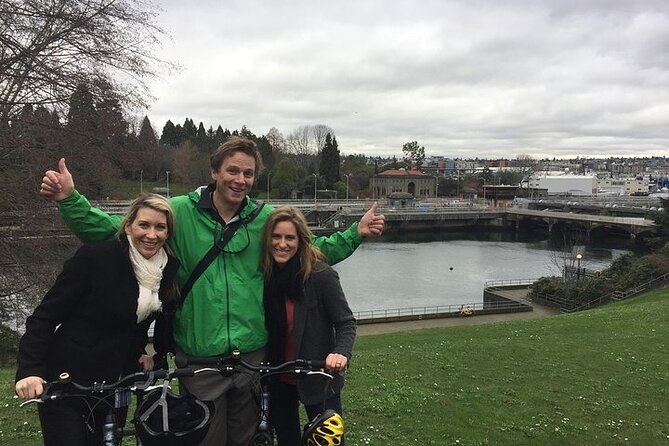
After Ballard Locks, the tour heads back down via the Burke-Gillman bike trail through Magnolia and returns to the waterfront. This is a great “landing” portion of the day because the ride feels cohesive—you’re not suddenly switching gears into another random area. It’s more like the tour is guiding you back the way you came, with one last scenic sweep.
This final stretch can also be the prettiest part depending on the day. One recurring theme from recent experiences: the ride can end with especially nice light along the sound-side views.
It’s also a good mental moment to think about what you want to revisit. After seeing the whole route, you’ll know which neighborhoods you want to spend more time exploring on your own.
How hard is it, really? Hills, gearing, and pacing
This tour is geared toward people with moderate physical fitness. It’s described as an “easy workout” type of outing—enough effort to feel satisfied, not so much that it turns into a suffering contest.
That said, Seattle is Seattle. You should be prepared for hills. Some riders will find them manageable, but the key is being able to shift gears confidently. If you show up on a bike and struggle with shifting, you’ll feel it on the climbs. If shifting is a little rusty, take a minute at the start to learn your setup.
Pacing is also influenced by the guide. Multiple experiences highlight guides who tailor to different cycling levels, which usually means they keep an eye on the group and don’t leave slower riders behind. The ride stays moving, but it’s not a race.
And if you’re thinking about doing this as your first Seattle activity, it works well. You’ll get a sense of how much riding you’ll feel comfortable doing later. One nice bonus from some tours: a small quiz at the end, which turns the learning into something you actually remember.
Guides make or break a bike tour
A bike tour lives or dies by the guide’s ability to keep it safe, informative, and fun. The most praised theme here is guide quality—people call out knowledgeable commentary, polite handling of pedestrians, and a warm approach that includes everyone in the group.
Names that show up in real experiences include Daryl, Darrell, Rina, Monte, Ike, and Terea, and you can feel the difference in the way people describe them. One recurring detail: guides often learn names and make sure riders feel included, which is huge in a small-group setting.
There’s also a practical preference that comes through: most people want the stops and stories to focus on neighborhoods and what makes Seattle Seattle, not on too much industrial scenery. Even if the route has occasional less-photogenic stretches (every city does), guides seem willing to keep the experience oriented toward what’s interesting.
Price and value: is $99 fair for what you get?
At $99, you’re paying for more than a ride through town. You’re getting:
- A 3-hour guided route across multiple neighborhoods
- Bike and helmet included
- Bottled water included
- A small group size of up to 12
- Protected bike lanes for much of the route
- A high-value stop at Ballard Locks with the boat elevator and fish ladder
If you try to replicate this on your own, you’d need planning time, route knowledge, and likely a bike rental. Even with a rental, you’d still miss the context that makes stops click—like the 1962 world’s fair connection or how the locks function. This is the kind of activity where the guide adds value fast.
And there’s a booking pattern that suggests demand: it’s commonly booked around 26 days in advance, so if you’re traveling in peak season, plan ahead.
Should you book Emerald City Bicycle Tour?
Yes, if you:
- Want a fast Seattle overview that’s more useful than a bus tour.
- Like riding bikes and want it to feel safe with protected lanes.
- Enjoy city context: neighborhoods, how the city grew, and practical local details.
- Really want to see Ballard Locks in action and understand how the system works.
Think twice or do a quick self-check if you:
- Aren’t comfortable riding with hills or shifting gears.
- Prefer all-stops-to-one-attraction sightseeing rather than a moving route.
- Get uncomfortable with changing weather and being out for about 3 hours.
If you’re visiting Seattle for the first time and you want to build your internal map quickly, this tour is a strong pick. It’s the kind of activity that helps you spend the rest of your trip making smarter, more confident choices.
FAQ
How long is the Emerald City Bicycle Tour?
The tour runs for about 3 hours.
What does the tour cost?
The price is $99.00 per person.
What time does the tour start, and where is the meeting point?
The meeting point is at Vine Street Storage, 11 Vine St, Seattle, WA 98121, and the tour starts at 9:30 am. The tour ends back at the meeting point.
Is the tour limited to a small group?
Yes. The maximum group size is 12 travelers.
Are bikes, helmets, and water included?
Yes. Bike, helmet, and bottled water are included.
Does the tour operate in bad weather?
It operates in all weather conditions, and you should dress appropriately. If it is canceled due to poor weather, you’ll be offered a different date or a full refund.
What kind of fitness level do I need?
You should have a moderate physical fitness level.
Is the ticket refundable if I cancel?
This experience is non-refundable and cannot be changed for any reason.