REVIEW · GIFU
Private Afternoon Cycling Tour in Hida-Furukawa
Book on Viator →Operated by SATOYAMA EXPERIENCE · Bookable on Viator
Pedal past Hida’s rice fields at a human pace. This private afternoon cycling tour in Hida-Furukawa in Gifu lets you move through satoyama farmland, historic streets, and local markets that most visitors never see. You get context along the way, not just photos from the roadside.
I love that the group stays tiny, capped at 8 people, so you can stop for pictures without feeling rushed or crowded. I also like that it’s not a short sample ride—about 22 km over roughly 3.5 hours makes it feel like you truly covered the countryside at an easy tempo.
One heads-up: food and drinks aren’t included, and there’s no basket on the bike. So you’ll want a simple plan for water and snacks during the ride.
In This Review
- Key things that make this tour worth your time
- Why a Hida-Furukawa bike tour feels more real than a bus day
- Meet at Furukawa and roll out at 2:00 pm
- The ride through satoyama: old streets, farm villages, and a local market
- Pace and distance: what about 22 km really means
- Guides like Ayato, Nanami, Hisa, and Kazuki: what you get beyond sightseeing
- What’s included, what’s not, and how to handle rain
- Who this tour suits best (and who should think twice)
- Value check: is $214.48 per person a good deal?
- Should you book this afternoon Hida-Furukawa cycling tour?
- FAQ
- Where does the tour start?
- What time does the cycling tour begin?
- How long is the tour?
- How big is the group?
- Is this a private tour?
- Is there an age or height requirement?
- What’s included in the price?
- Is food or drinks included?
- What should I expect if the weather turns rainy?
- Is free cancellation available?
Key things that make this tour worth your time
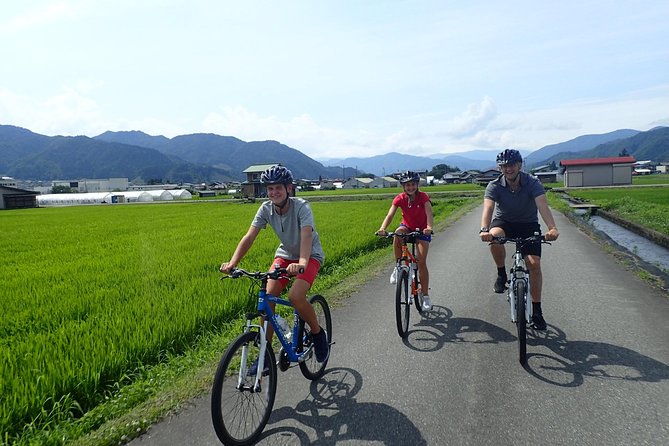
- Max 8 people means a more personal, flexible ride with time for photos
- Old town + farming villages gives you more than one side of Hida-Furukawa
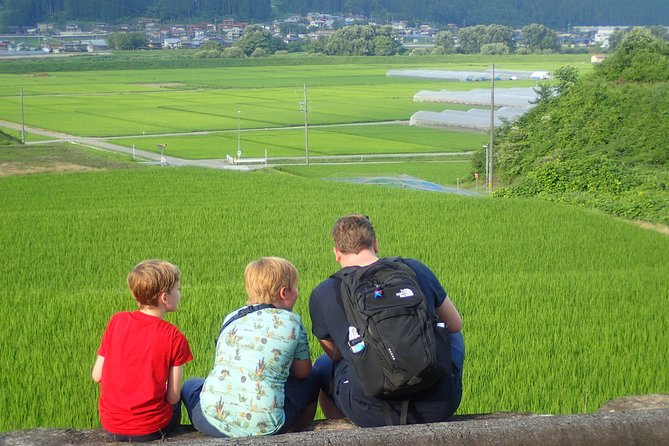
- Satoyama farmland scenery is the main draw, with rice fields and mountain views
- A local guide’s stories turn everyday details into something you remember
- Safety and comfort basics included: bicycle, helmet, insurance, and snacks
Why a Hida-Furukawa bike tour feels more real than a bus day
Hida-Furukawa has a way of slowing time down. Cycling is the perfect match because you’re moving far enough to notice details, but slow enough to actually take them in—wooden houses, small lanes, working fields, and the rhythms of village life.
This tour leans hard into the parts of Hida that feel lived-in. You’re not just rolling past scenery; you’re getting pointed explanations about how people farm, shop, and build community. That’s why the trip feels more like understanding a place than checking boxes.
If you like rural Japan, you’ll likely appreciate the mix of old-town streets and open countryside in one afternoon. It’s a great fit if you’re staying near Takayama but want to spend less time on the main tourist track.
Meet at Furukawa and roll out at 2:00 pm
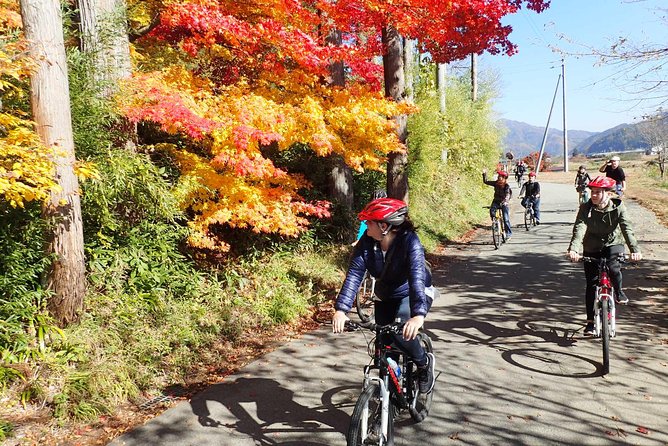
You’ll meet at the Furukawa office area of the local operator at 11-32 Furukawachō Ninomachi, Hida, Gifu (509-4235). The start time is 2:00 pm, and the ride runs about 3 hours 30 minutes (approx.).
An afternoon start matters. You avoid the freshest morning crowds and you still get daylight for rice fields and older streets. It also gives you time earlier in the day to explore Hida on your own, then switch gears into countryside mode.
Because it’s a private tour limited to your group, the guide can shape the pacing around who’s riding. That comes up in the feedback a lot—especially with families and first-time cyclists.
The ride through satoyama: old streets, farm villages, and a local market
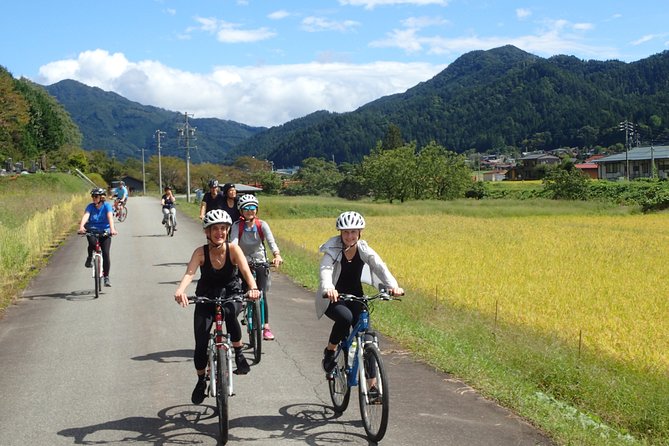
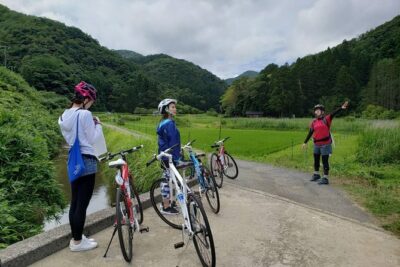
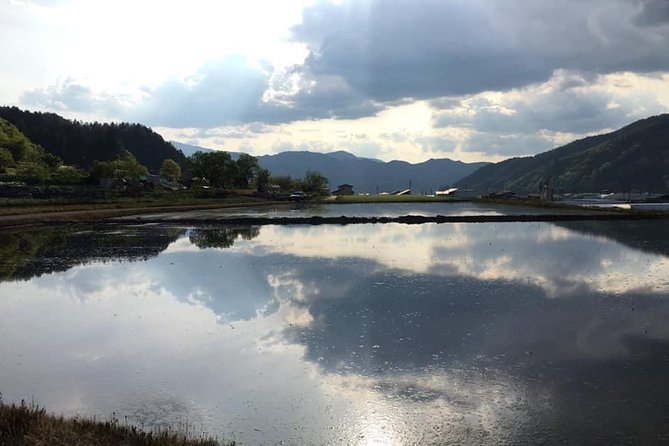
The route is built around a simple theme: get out of the center and into the farmland that defines the region. You’ll cycle through a gentle mix of historic town areas and farming villages, then watch the broader satoyama scenery come into view.
Here’s what you can expect to notice as you ride:
- Historic tow(n)-style streets in Hida-Furukawa as you get your bearings
- Farming areas with rice fields spreading out around mountains
- Folk houses scattered through village neighborhoods
- A local market stop where vegetables and everyday goods line up
The market stop is one of those small moments that makes the tour feel authentic. You’re not just passing storefronts—you get a chance to see what local shopping looks like and hear context for what you’re seeing.
Depending on the day and conditions, you may also encounter smaller cultural stops such as shrines. Some guides also share stories tied to local life—like why koi fish appear in canals. It’s the kind of detail you’ll probably never get from a standard sightseeing route.
Pace and distance: what about 22 km really means
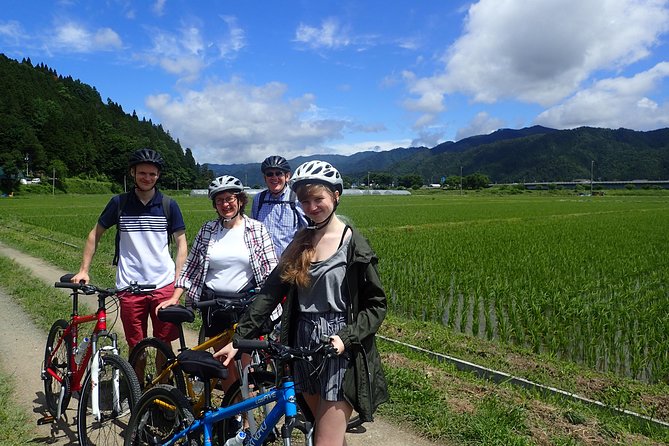
The tour covers about 22 km over roughly 3.5 hours. That distance sounds big until you remember it’s spread out with time for explanations, rest pauses, and photo stops. The pace is described as relaxed, with plenty of chances to soak up the scenery.
A repeated plus in the feedback: the ride is often described as easy and confidence-friendly. One big reason is that the bikes are set up so you don’t need to mess with gears just to get moving. That helps if you’re rusty, returning to cycling after years off, or traveling with kids.
Even so, do plan for “countryside effort.” You’re riding through rural lanes, so you’ll feel turns, pavement changes, and occasional uneven spots. The tour’s design aims to keep it comfortable, but it still counts as an active afternoon.
If it helps you decide: this is long enough to feel like you did something substantial, but paced enough that you’re not sprinting the entire time.
Guides like Ayato, Nanami, Hisa, and Kazuki: what you get beyond sightseeing
The guide is the secret sauce here. The best part isn’t just that they explain what you’re seeing—it’s that they connect it to how people live and work in the region.
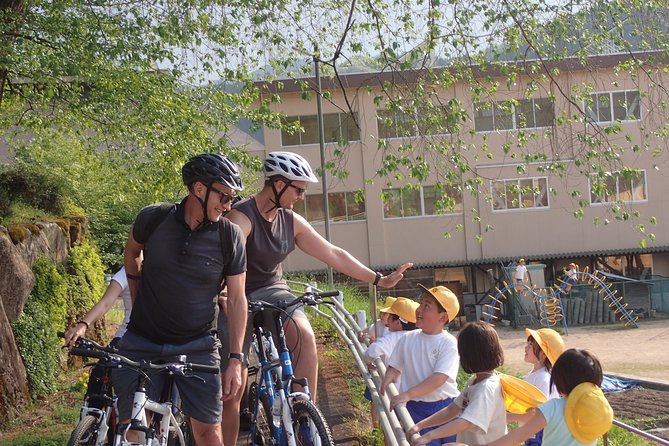
In the feedback, guides such as Ayato, Hisa, Nanami, and Kazuki show up again and again. You’ll notice a pattern: they adjust the tour to the group’s level, keep the ride safe, and give just enough story so you’re engaged without feeling lectured.
The kind of details you may hear include:
- How local culture and nature connect through everyday routines
- Why certain features exist in the village (like canal koi)
- Practical advice about local wildlife and what to watch for
You may also get a small break that feels very Japan. Snacks are included, and some groups report a welcome tea and biscuit stop during the ride. It’s simple, but it turns the afternoon from just exercise into a proper shared experience.
What’s included, what’s not, and how to handle rain
Included in the price:
- Local guide
- Bicycle use
- Helmet use
- Insurance
- Local taxes
- Snacks
Not included:
- Food and drinks
Also, note this detail: no basket is attached to the bike. So you’ll likely be carrying what you need yourself (or planning stops accordingly). If you’re bringing a small bag or backpack, keep it minimal so you’re comfortable riding.
Weather is another real-world factor. One set of experiences notes that when rain showed up, the bike portion ended early, and the guide pivoted to showing town spots and museums. That’s a common “plan B” style that can save your afternoon instead of turning it into a washout.
So the practical takeaway: pack layers and plan for a short change if conditions get bad.
Who this tour suits best (and who should think twice)
This tour is a strong fit if you want:
- A small-group countryside experience rather than a crowded bus-style day
- A relaxed cycling outing with room for photos and explanations
- A way to see satoyama farmland and village life in a single afternoon
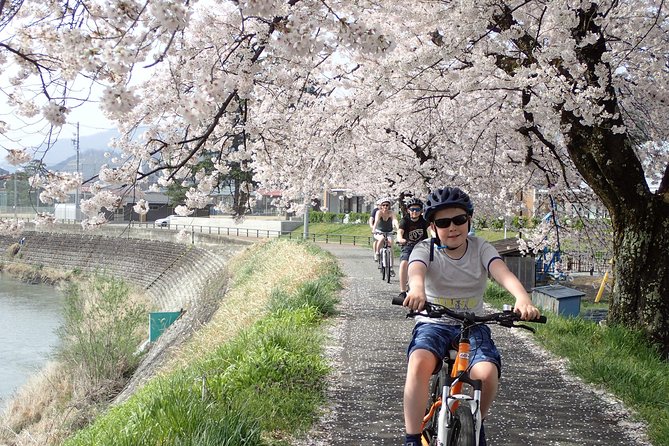
It also suits families, with a clear baseline built in. The minimum age is 6 years, and the minimum height is about 125 cm (roughly 4.1 ft). Reviews also include families traveling with kids, and the guides’ pacing adjustments show up as a recurring strength.
Cycling comfort matters, but don’t assume you need to be sporty. The ride is commonly described as easy, with no complicated gear shifting needed. If you can ride at a calm pace and are comfortable with stops, you’re probably in the right zone.
The main “think twice” case is the one you already saw in the overview: if you really don’t want to manage your own water/food, or you don’t like carrying items while cycling. Since there’s no bike basket and food/drinks aren’t included, you’ll need to plan.
Value check: is $214.48 per person a good deal?
At $214.48 per person, this isn’t a bargain-basement activity. But it can still be good value because several key costs are wrapped into the price.
You’re paying for:
- A private small-group guide experience (max 8 people)
- Bike and helmet use
- Insurance
- Local taxes
- Snacks
When you compare that to self-guided cycling, the biggest savings isn’t just the bike—it’s the guide. The route is built around places that are easy to miss on your own, plus cultural context that turns what you see into something you understand. That’s what people consistently praise: the right amount of information, delivered at a pace that stays fun.
The other value factor is time. You get about 3.5 hours and a meaningful distance (around 22 km). It’s enough time to feel like you left the tourist loop and actually spent an afternoon in the countryside.
My practical take: if you’re coming to Hida-Furukawa and you want one paid activity that makes the area feel specific and local, this is a strong candidate.
Should you book this afternoon Hida-Furukawa cycling tour?
Book it if you want a calm, story-led countryside outing. The small group size, the satoyama-focused route, and guides who adjust to your level add up to an experience that feels personal rather than mechanical.
Skip it (or plan carefully) if you’re not comfortable riding for about 3.5 hours, you hate carrying your own supplies, or you need guaranteed long rides regardless of weather. The good news is that you’re not going in blind—you’ll have snacks, helmets, and insurance, and the guide can often redirect if conditions turn.
If you’re deciding between a quick sightseeing lap and an actual countryside afternoon, this one usually wins for feel and meaning.
FAQ
Where does the tour start?
The meeting point is 11-32 Furukawachō Ninomachi, Hida, Gifu 509-4235, Japan.
What time does the cycling tour begin?
The tour starts at 2:00 pm.
How long is the tour?
The duration is approximately 3 hours 30 minutes.
How big is the group?
The tour is limited to a maximum of 8 people per booking.
Is this a private tour?
Yes. It’s private, meaning only your group participates.
Is there an age or height requirement?
The minimum age is 6 years, with a minimum height of 125 cm (about 4.1 ft).
What’s included in the price?
Included are the local guide, bicycle use, helmet use, insurance, local taxes, and snacks.
Is food or drinks included?
No. Food and drinks are not included.
What should I expect if the weather turns rainy?
You may have your ride shortened. In at least one experience, the bike portion ended early due to rain and the guide shifted to showing town and museum spots.
Is free cancellation available?
Yes, you can cancel for a full refund if you do so up to 24 hours before the experience’s start time.