REVIEW · JAIPUR
Guided Morning Bicycle Tour with Food Tasting in Jaipur
Book on Viator →Operated by Seagull Jaunt · Bookable on Viator
A morning bike ride through Jaipur feels like a shortcut to understanding the city. You’re cruising the walled-town streets at an easy pace while a guide and support team help you connect the dots on architecture, daily life, and food. I love that it’s designed for real street-level viewing, not monument-hopping. One thing to keep in mind: you’ll be seeing the big landmarks from the outside, not going inside.
This tour is at its best when you’re happy moving slowly and soaking up small details. The schedule mixes architecture stops with food moments, so you get variety without rushing. The only drawback for some people is that ticketed monument entrances aren’t part of the plan, so if you want inside viewing, you’ll need a different add-on.
In This Review
- Key things to know before you pedal
- First stop: Raj Mandir Cinema and why this tour starts right
- Panch Batti and Ajmeri Gate: reading Jaipur’s pink walls from the saddle
- Ram Niwas Garden and the traffic-free morning roads
- Chardiwari and the Pink City walls: seeing the city’s shape
- Hawa Mahal viewpoints: iconic windows without the ticket line
- Govind Devji Temple Garden: markets, smells, and laughing yoga
- Thatheron ka rasta: artisans making brass utensils and DIY practice
- The food and drink plan: tea, snacks, and Kullhad lassi payoff
- Price and value: what $33.40 buys you in real terms
- How the bike ride works for kids, seniors, and comfort needs
- What to expect from timing and the outside-view philosophy
- Who should book this Jaipur bicycle tour with food tasting
- Should you book this Jaipur morning bike-and-tasting tour?
- FAQ
- FAQ
- How long is the guided morning bicycle tour in Jaipur?
- What’s included in the food tasting?
- Do you visit monuments inside, or is it only outside views?
- Where does the tour start?
- Are helmets provided, and what kind of bikes are used?
- What if someone in the group can’t pedal or has a health issue?
Key things to know before you pedal
- Captain-led ride + rear escort: you’re not just dropped into traffic chaos.
- Food tasting built into the route: tea, snacks, and a final Kullhad lassi moment.
- Pink City walls and viewpoints: classic Jaipur icons, viewed from street level.
- Artisans at Thatheron ka rasta: see brass/metal utensil work and you can try making one.
- Options for kids and limited mobility: tandem bikes and e-rickshaws are available.
First stop: Raj Mandir Cinema and why this tour starts right
You meet at Raj Mandir Cinema in the C Scheme/Panch Batti area. It’s a smart starting point because it sets the tone: this tour is about getting your bearings fast, then rolling into the older city streets while the morning is still calm.
Raj Mandir is known as one of Jaipur’s oldest movie halls, and the exterior is memorable for its ornate style. You don’t need to pay an entry ticket here because the tour focuses on outside views, and that’s a big part of the value. In the morning, many attractions are closed or just not set up for visitors, so this approach keeps your time useful.
From the jump, the ride also feels organized. There’s an experienced bicycle captain leading the group, and a tour escort follows last rider to help keep the line safe and moving at the right speed. That matters more than you’d think on Jaipur’s streets.
You can also read our reviews of more tours and experiences in Jaipur.



Panch Batti and Ajmeri Gate: reading Jaipur’s pink walls from the saddle
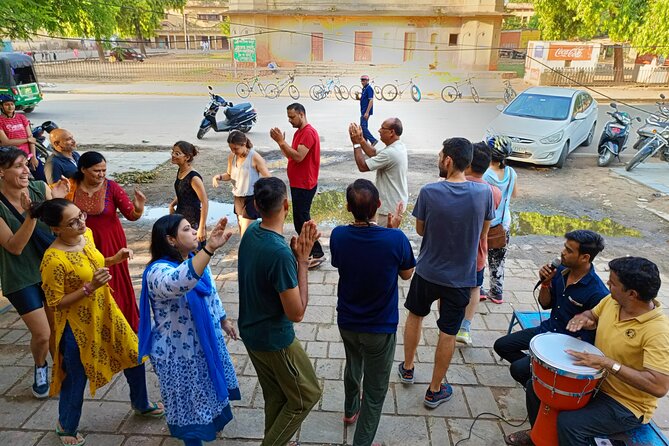
After Raj Mandir, you glide toward Panch Batti, where the streets open up into long lines of pink-terracotta buildings. The route is slow enough that you can actually look at the architecture instead of just passing by. This is where the “planned city” idea starts to click—Jaipur isn’t random. Even the street feel suggests a system.
Next comes Ajmeri Gate, often treated as a threshold into the walled-city core. Here you get a good view of Jaipuri-style wall art and the big defensive-looking doorways. It’s a quick stop, but it gives context for what you’ll see later: Jaipur’s old neighborhoods weren’t built just for aesthetics. They were designed to protect palace and community life.
Practical takeaway: bring your phone and keep it reachable. The best photos are the ones you take while you’re actually looking at details—doorways, wall patterns, and street layouts—rather than only the big-name monuments.
Ram Niwas Garden and the traffic-free morning roads
One of my favorite parts of this plan is the stop at Ram Niwas Garden and its connection to the Anglo-Indian design feel near Albert Hall. Even for a short break, the garden area helps your ride feel less like transit and more like a morning outing.
The key detail: traffic is not allowed in the morning hours here, so you get calmer biking lanes. That changes the whole experience. Instead of constantly bracing for bikes and vehicles, you can settle into a steady rhythm and actually enjoy the scenery.
You’ll spend about 15 minutes in this area. That’s long enough for photos and a breather, but not so long that you lose momentum. And because this is a guided tour, you don’t have to guess where to go next—you just follow the captain’s lead.
Chardiwari and the Pink City walls: seeing the city’s shape
When the tour moves into the Pink City, it’s not just about color. You’ll pass through and around Chardiwari, the outer walls that helped protect the palace area. You’re looking at the edges of royal space—walls and boundaries that shaped daily life for generations.
This stop is also where street texture becomes part of the story. You cross older markets along the route, so the ride feels grounded in what Jaipur still does today: trade, movement, and everyday business happening close to heritage buildings.
The total time here is about 30 minutes. That’s a comfortable window for slow biking and short conversations. If you like travel that gives you “how the city works” context, this portion is a good match.
Hawa Mahal viewpoints: iconic windows without the ticket line
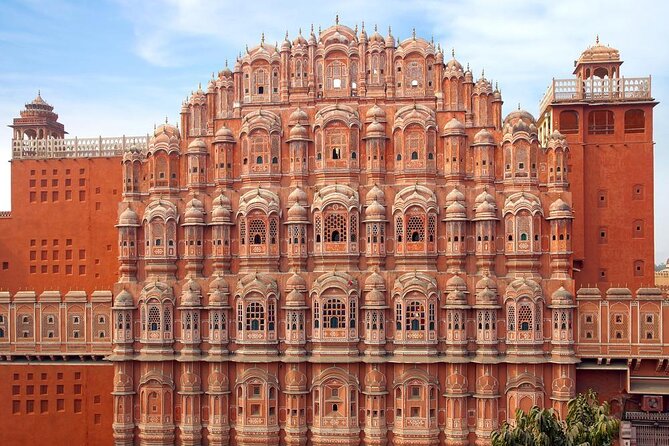
Next up is Hawa Mahal, the Palace of Wind. The famous look—those stacked windows—was designed to help supply cooler air toward the City Palace area. You don’t need to go inside to understand why it became an icon.
This is a short viewing moment (around 10 minutes), which fits the rhythm of the day. You can take the classic exterior shots, watch how people move in the street space around the building, and keep going before the energy level ramps up.
Because this is an outside-view-only plan, you avoid the classic time trap of ticket lines and delayed entries. The payoff is you get more variety in a short overall tour length.
Govind Devji Temple Garden: markets, smells, and laughing yoga
The mood shifts at Govind Devji Temple. Instead of focusing on a single monument facade, you move through an area tied to daily life: local food markets, special food streets, and vegetable and flower trading. This is one of the best parts for anyone who wants Jaipur beyond postcards.
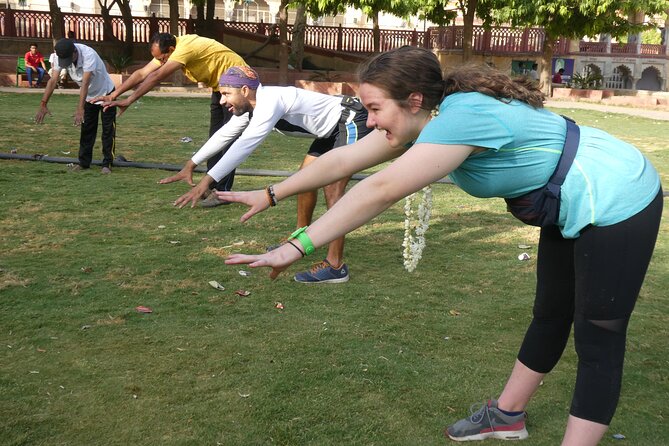
About 30 minutes here includes a fun surprise: laughing yoga at the temple garden. It’s not about being serious. It’s about joining in, stretching your morning mood, and breaking the ice with locals around you.
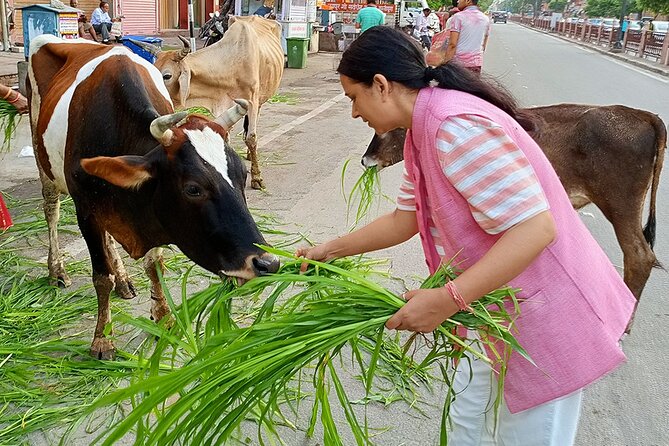
Also, the tour is designed so you’re not only seeing. You’re noticing smells from markets and picking up the rhythm of the area—what’s being sold, how people interact, and how “morning routines” look in real life.
This is the stop where I’d suggest putting the camera down for a few minutes and just experience the space. The guided talk helps connect what you’re seeing to culture, architecture, and everyday habits.
Thatheron ka rasta: artisans making brass utensils and DIY practice
If you like crafts, this is your main event. Thatheron ka rasta is a street associated with artisans making utensils in old style, and you’ll see the work of brass utensil makers without machines.
What’s extra here is the hands-on option. You can try making a utensil yourself to understand how much skill and time go into it. It’s one thing to watch a craft demonstration. It’s another to try the motion—your respect jumps fast.
This is also where the tour ties in food. You’ll spend about 30 minutes in this area experiencing Jaipur’s food joints like a local, with street outlets known for their traditional preparations. The point isn’t to speed through everything. It’s to connect the snack moment to the street craft and the neighborhood setting.
The food and drink plan: tea, snacks, and Kullhad lassi payoff
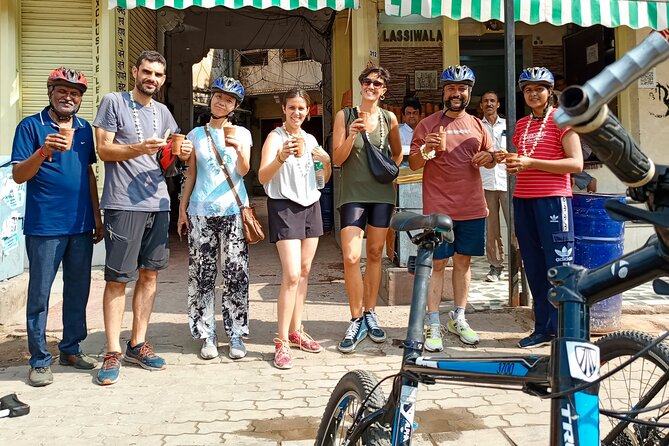
The tour’s food portion is structured like a mini breakfast program. You get traditional-style tea from a well-known tea stall in the walled city. Then the tour includes snacks such as kachori, pakodas, jalebi, and other potato-and-chili fritter-style bites.
At the end, you get Kullhad lassi, the churned yogurt shake served in clay cups. That final drink is a nice wrap because it tastes like a proper local breakfast, not just a sweet add-on.
Practical note: you’ll also have bottled mineral water on hand. That’s helpful in Jaipur mornings, even when the temperature isn’t extreme yet.
Price and value: what $33.40 buys you in real terms
At $33.40 per person, this is a solid value if you care about three things: guided street viewing, safety on a bike ride, and a meaningful food sequence. You’re not paying for monument entry fees, but you are getting access to context, organized biking, and multiple tastings packed into about 2.5 to 3 hours.
Included amenities matter too: good quality helmets, bottled water, and the use of bicycles. For families, there’s also tandem bike and e-rickshaw support for kids or anyone who can’t paddle comfortably.
In plain terms: if you want a morning that blends movement + local texture + breakfast-style food, the price feels fair. If you only want to see monuments from the outside, you might ask yourself whether you’d get more value from a self-guided route. But the guidance and food stops are what make this tour efficient.
How the bike ride works for kids, seniors, and comfort needs
This tour includes tandem bikes and e-rickshaws for family members who can’t pedal or don’t want to. If someone has a back problem, heart problem, pregnancy, or other health concern, an e-rickshaw ride can be provided.
Infants get a special setup too: there’s a buckled safe seat for infants on the bicycle. The presence of helmets and structured support suggests the operator is thinking about safety beyond just getting everyone in motion.
One more practical point: because the captain leads and an escort follows last rider, you’ll spend less time negotiating your own pace or worrying about getting separated.
What to expect from timing and the outside-view philosophy
The tour lasts roughly 2 hours 30 minutes to 3 hours, so it fits well as a morning anchor activity. You’ll hit a sequence of outside-view landmark moments, then switch to markets and food, then finish with craft watching and a lassi payoff.
And yes: you won’t enter monuments. Attractions are not part of this plan since the focus is on outside views. In return, you get more street context and enough time to taste and talk without feeling trapped inside tickets and timings.
Because this is a morning ride, plan for weather. The experience needs good weather, so if conditions are poor, a different date or refund may be offered.
Who should book this Jaipur bicycle tour with food tasting
This tour is a great match if you want:
- a guided way to understand Jaipur’s planned walled-city feel
- a food-forward morning with tea, snacks, and Kullhad lassi
- a calm ride that avoids the hardest parts of self-planning on busy streets
It’s also a good fit for families and mixed mobility groups, since tandem bikes and e-rickshaws are part of the plan.
If you’re the type who must go inside major sites, you’ll likely need another activity to complement this.
Should you book this Jaipur morning bike-and-tasting tour?
I’d book it if you want your first Jaipur mornings to feel organized, local, and slightly playful. The best reason is the combo: bike-based sightseeing plus breakfast food stops plus craft watching at Thatheron ka rasta. It’s not trying to do everything. It’s doing a smart slice well.
Choose it over a self-guided walk if you value someone helping you interpret what you’re seeing while you ride at a reasonable pace.
FAQ
FAQ
How long is the guided morning bicycle tour in Jaipur?
The tour runs about 2 hours 30 minutes to 3 hours.
What’s included in the food tasting?
You’ll get traditional morning tea, snacks such as kachori, pakodas, jalebi and similar items, bottled water, and Kullhad lassi at the end.
Do you visit monuments inside, or is it only outside views?
It’s outside viewing only. You won’t visit monuments.
Where does the tour start?
The meeting point is Raj Mandir Cinema, C-16, Bhagwan Das Rd, Panch Batti, C Scheme, Ashok Nagar, Jaipur, Rajasthan 302001, India.
Are helmets provided, and what kind of bikes are used?
Helmets are provided, and the tour uses bicycles, including tandem bikes and e-rickshaws when needed.
What if someone in the group can’t pedal or has a health issue?
The tour can provide e-rickshaw rides for people with back problems, heart problems, or pregnancy, and for others who can’t paddle or prefer not to.