REVIEW · OSAKA
Half day Osaka Bay Area Cycling with E-Assist Bicycle Tour
Book on Viator →Operated by Banri · Bookable on Viator
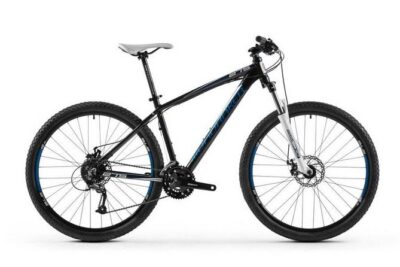
Pedal through Osaka Bay without the map stress. You get a guided e-bike route with standout waterfront stops and local ferry moments that feel like real life, not a sightseeing checklist. I especially like the small group setup (max 3) and the easy rental package, with bike, helmet, and bottled water handled for you.
One thing to factor in: the route mixes scenic bridges with roads heavily used by large trucks, so bringing a mask and eye drops is smart if air bothers you. Also, the experience works best if you’re comfortable riding an e-assist bicycle, since there are a few steep segments and some ferry crossings instead of biking every inch.
In This Review
- Key things you’ll notice on this Osaka Bay e-bike ride
- E-Assist Osaka Bay in Half a Day: 10:00 Start, Small Group, Real Pace
- Sumiyoshi Taisha Shrine: Sea Gods, a National Treasure, and a 2,000-Year Pause
- Shinkizugawa Bridge Photos: Tennoji and the Ikoma Mountains in One View
- Industrial Osaka, Film-Famous Streets, and the Local Neighborhood Feel
- Funamachi Ferry Facilities: One Minute of Local-Only Rhythm
- IKEA Tsuruhama Break: A Practical Lunch Reset (Including Vegetarian Option)
- Namihaya Bridge: 360-Degree Bay and City Views (Plus the Ship Channel Detail)
- Mt. Tempozan Area: Kaiyukan Zone, Ferris Wheel Area, and Tadao Ando Architecture
- Arcade Shopping Stroll and the Bridge/Street Maze Feel
- 甚兵衛渡船場: Another Local Bicycle Ferry Crossing
- Sensai Bridge: When the Bicycle Road Gets Steep, Take the Ferry Instead
- Sembonmatsu Bridge: Megane-bashi, the Kizu River Link, and a Way to Think About Osaka
- Your Guide: Banri’s Map-Lite Approach and Patient, Practical Help
- Price and Value: Why $78.38 Feels Fair for a Guided E-Bike Day
- What to Pack: Truck Traffic, Steep Bits, and Weather Reality
- Who Should Book This and Who Should Skip It
- Should You Book Half Day Osaka Bay Area Cycling with E-Assist Bicycle Tour?
- FAQ
- How long is the Osaka Bay cycling tour?
- What’s included in the price?
- Is lunch included?
- Where do we meet and when does the tour start?
- Is this a small group tour?
- What fitness level do I need?
- Are there height or weight limits?
- Is there any guidance for air quality or traffic?
- What happens if it rains?
Key things you’ll notice on this Osaka Bay e-bike ride
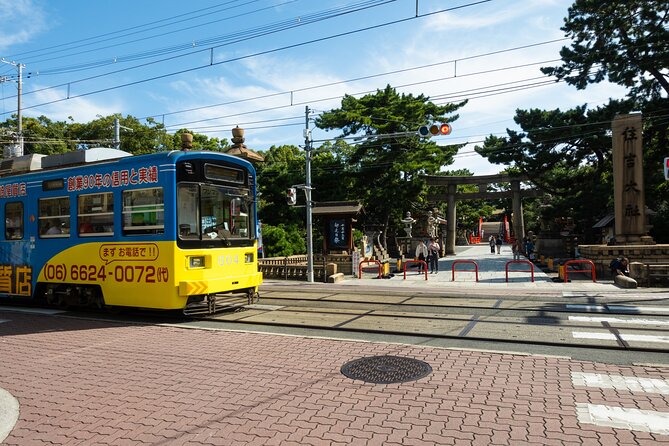
- Small group (max 3) with a guide who keeps you on track, so you spend energy on views, not navigation
- Bike + helmet + water included, so you can travel lighter and start fast from the Lawson meeting point
- Local bicycle-friendly ferries at Funamachi and 甚兵衛渡船場, where bicycles and pedestrians go first
- Bridges with major photo angles: Shinkizugawa (views to Tennoji/Ikoma Mountains), Namihaya (360-degree bay/city view), and Megane-bashi at the end
- Tempozan break near the Kaiyukan aquarium and Tadao Ando area, with optional lunch choices depending on your diet
- A route that mixes shrines, industrial neighborhoods, and film-factory scenery, not just the postcard Osaka stuff
E-Assist Osaka Bay in Half a Day: 10:00 Start, Small Group, Real Pace
This is a half-day Osaka Bay cycling tour designed for people who want movement and fresh air, without spending your morning figuring out bus routes or train transfers. You start at 10:00 am back at Lawson Tamadenaka 2-chome in Nishinari Ward, and you end right where you meet—simple and stress-free.
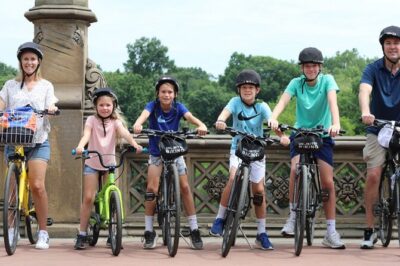
The tour lasts about 4 to 6 hours and runs in a maximum group of 3 travelers, which matters more than you might think. With fewer people, you can actually see what the guide is pointing out (shrines, bridges, ferry setups) instead of playing catch-up in a larger pack.
You’ll ride an e-assist bicycle, and the day stays doable thanks to that motor help. Still, the route includes bridges and some steep riding decisions, so “moderate physical fitness” is the right expectation, not a marketing line.
Sumiyoshi Taisha Shrine: Sea Gods, a National Treasure, and a 2,000-Year Pause
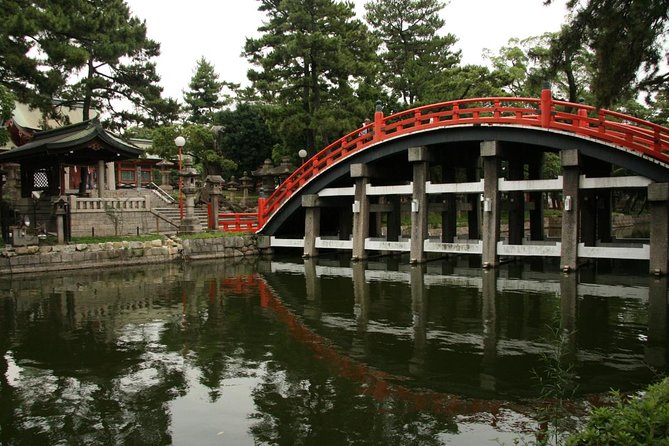
The ride kicks off at Sumiyoshi Taisha Shrine, one of Japan’s oldest shrines, with nearly 2,000 years of history. It’s dedicated to the three gods of the sea, which fits the whole Osaka Bay theme in a very natural way: you’re learning the maritime story as you cruise the water-linked neighborhoods around it.
Plan on about 30 minutes here, and it’s time well spent because it sets the tone. You’re not just riding past a landmark; you’re stopping where the Bay’s “why” is built into the place.
Admission here is free. That’s a nice bonus, but the real value is the context—especially for first-time Osaka visitors who might only connect the city with neon streets and mega-areas inland.
Shinkizugawa Bridge Photos: Tennoji and the Ikoma Mountains in One View
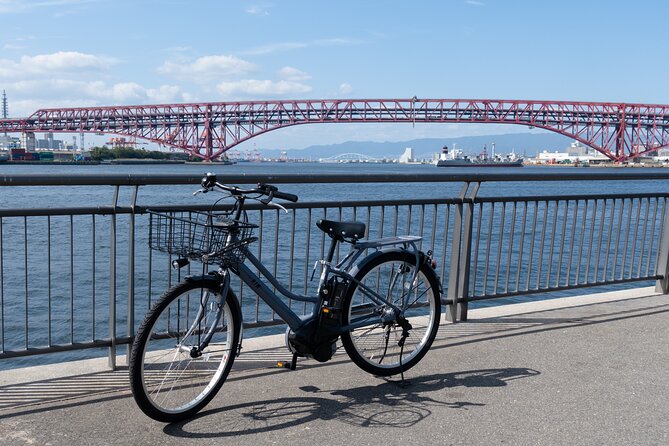
Next comes Shinkizugawa Bridge, a stop that’s basically built for camera angles. From the bridge you get an excellent view toward Tennoji and the Ikoma Mountains in the background. It also has a fun riding feel: you enjoy the descent of a three-stage loop bridge, which tends to make the whole “cycling day” feel like an adventure rather than a commute.
Expect about 20 minutes at this stop, and admission is free. If you like getting your photos from bridges instead of from crowd-packed sidewalks, this is one of the moments you’ll remember later.
Industrial Osaka, Film-Famous Streets, and the Local Neighborhood Feel
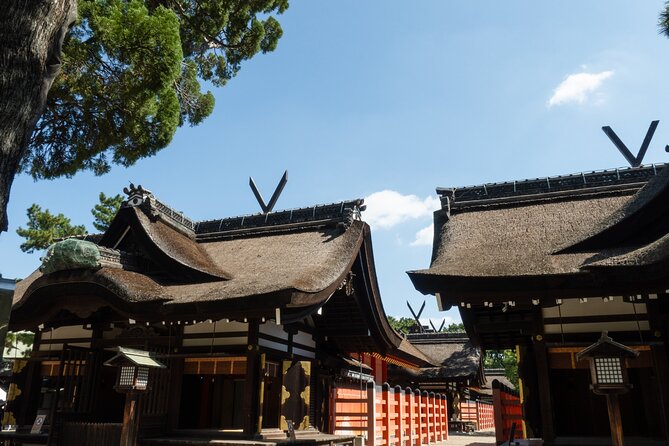
One of the best surprises on this route is the way it moves through the kind of Osaka most visitors never see. You pass through a factory district that was used in Ridley Scott’s film Black Rain—a cool detail if you’re into movies, and also a good reminder that Osaka isn’t only temples and towers.
This segment isn’t billed as a museum stop, and it doesn’t try to be. The value is that you’re biking through working neighborhoods, not just a “cleaned-up” corridor for tourists.
Funamachi Ferry Facilities: One Minute of Local-Only Rhythm
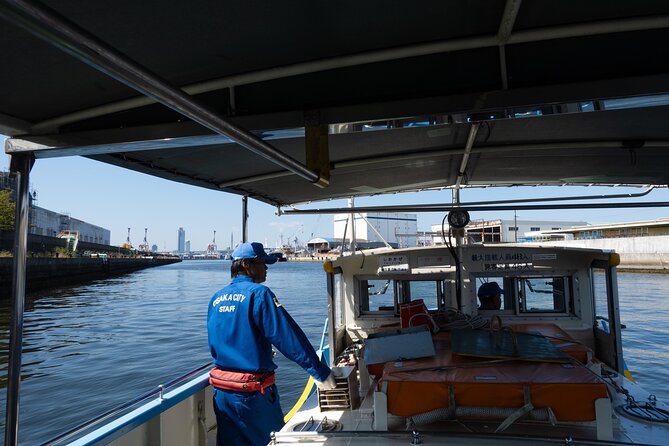
Then you hit one of the most charming parts of the tour: Funamachi Ferry Facilities. This is a ferry operated by Osaka City and used only by locals. The trip is extremely short—about one minute—and it’s for bicycles and pedestrians only.
That “blink and you miss it” timing is the point. You feel the local rhythm without losing half the day to transfers. And the ferry setup is different enough from a normal waterfront photo stop that it keeps the experience from going repetitive.
Plan for about 10 minutes here, and admission is free.
IKEA Tsuruhama Break: A Practical Lunch Reset (Including Vegetarian Option)
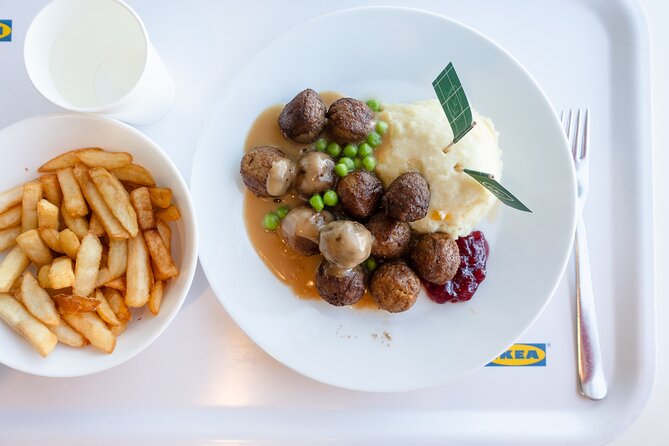
After the ferry, you get a break at IKEA Tsuruhama. The tour keeps this stop simple: take a breather, refuel, and regroup before the later bay bridges.
Lunch isn’t included, but you’ve got options. If you’re vegetarian, the route specifically points to lunch at the Sweden food market of IKEA. For everyone else, you’ll also have lunch options later on in the day.
This is about pacing. Half-day tours can feel rushed, but a scheduled reset helps you enjoy the ride instead of counting minutes.
You’ll have about 15 minutes here, and admission is free.
Namihaya Bridge: 360-Degree Bay and City Views (Plus the Ship Channel Detail)
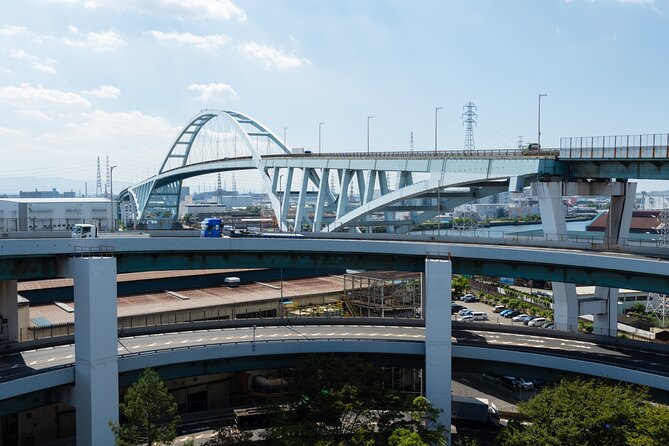
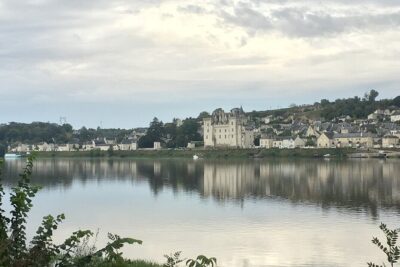
Now for the view stop: Namihaya Bridge. It’s positioned almost in the middle of the bay area, and the big selling point is a 360-degree view of the Osaka city area. Translation: you get the whole “Bay + city” picture without needing to hike to a lookout.
The bridge also features a shipping channel above the water (the height mentioned is 47m), so it helps you understand how busy and layered the bay system is—ships, roads, and neighborhoods all in one visual frame.
This stop takes about 20 minutes, and admission is free. If you’re the type who likes skyline shots, this is your sweet spot.
Mt. Tempozan Area: Kaiyukan Zone, Ferris Wheel Area, and Tadao Ando Architecture
Next the tour heads toward Mt. Tempozan, with a longer break time of around 40 minutes. This is where you’ll eat lunch at a Japanese diner in Tempozan (unless you choose another option earlier if that’s your preference). The area is also tied to major sights you might recognize even if you haven’t visited yet.
You’ll pass by the Kaiyukan aquarium, the Ferris wheel, and the Tadao Ando architecture area. Even if you don’t stop inside these sites, seeing the architecture zone and the scale of the waterfront attractions helps you map where you are in Osaka Bay.
Mt. Tempozan is famous for cherry blossoms in spring, so if your trip isn’t in bloom, you might just enjoy the idea of it rather than the actual blossoms.
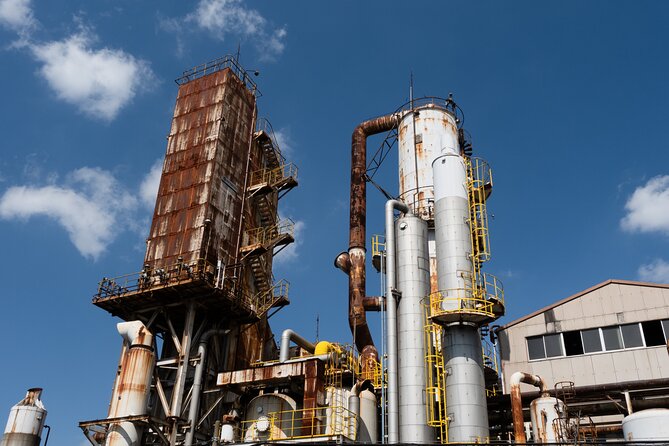
This part of the route also includes a photogenic intersection moment: three expressways intersect and subway tracks intersect nearby. The geography is visually striking, and it’s a neat reminder that Osaka’s “bay fun” is backed by serious infrastructure.
Arcade Shopping Stroll and the Bridge/Street Maze Feel
In the same general late-morning/early-afternoon stretch, you’ll also pass through an old style Japanese arcade shopping center. There’s no description of a long shopping stop, so treat this like a walking-and-looking moment—something to break the ride rhythm and give your eyes a new kind of Osaka.
These small segments matter because they stop your day from becoming only bridges and open water. They add street texture.
甚兵衛渡船場: Another Local Bicycle Ferry Crossing
Later you’ll reach 甚兵衛渡船場(大正区泉尾側), another Osaka City ferry that’s for locals only. Like Funamachi, this trip is about one minute, and it’s for bicycles and pedestrians.
Expect about 10 minutes here, with free admission. Having a second ferry in the same tour is a great design choice. It reinforces that this bay area isn’t one long “drive to the next photo,” but a lived-in network where ferries help people cross without detours.
Sensai Bridge: When the Bicycle Road Gets Steep, Take the Ferry Instead
Then comes Sensai Bridge, and here the tour gets real about biking conditions. The bicycle road is described as very steep, so you have an alternative: you can take the ferry to cross the river instead.
That’s exactly the kind of practical decision-making you want from a guide. It’s not just about speed; it’s about keeping the ride enjoyable and safe while still letting you reach the next scenic or interesting section.
You’ll have about 15 minutes here, and admission is free.
Sembonmatsu Bridge: Megane-bashi, the Kizu River Link, and a Way to Think About Osaka
The ride ends with Sembonmatsu Bridge, crossing the Kizu River, which connects toward Dotonbori. This bridge is described as the most unique in Osaka and gets nicknamed Megane-bashi (glasses bridge) because its shape resembles a pair of glasses.
You’ll have about 15 minutes at this stop, and admission is free. It’s a fun end point because it ties visual identity (the glasses shape) to geography (the river connection toward Dotonbori). In plain terms: you finish the bay story and can start imagining how Osaka’s waterways and neighborhoods connect.
Your Guide: Banri’s Map-Lite Approach and Patient, Practical Help
The guide for this tour is Banri, and he’s a big part of why the experience works well. A good guided ride is about more than facts. It’s about timing, pacing, and knowing where people will struggle.
From the structure of the day, you can feel that Banri is set up to help you keep moving without panic. The tour is designed so you’re not constantly checking maps, and the small group makes it easier for the guide to keep an eye on comfort level, especially on steep spots and busy road sections.
If you’re a nervous rider, the day’s format helps. If you’re confident, you’ll still appreciate the way stops are timed so you can enjoy views instead of rushing through them.
Price and Value: Why $78.38 Feels Fair for a Guided E-Bike Day
At $78.38 per person, this isn’t an economy-only option, but it’s also not inflated for what you get. You’re paying for a guided route, a small group, and the key gear: use of bicycle, helmet, and bottled water. Those additions matter in Japan, where rental costs and gear hassle can add up quickly.
You’re also paying for time. The route hits major bay highlights plus “local mechanics” like ferries and neighborhood streets, all in about half a day. That’s valuable if your schedule is tight and you don’t want to spend extra hours transferring between viewpoints.
The one cost to plan for is lunch. The tour doesn’t include it, but it gives clear suggestions depending on where you are (Japanese diner in Tempozan, and a vegetarian lunch option at IKEA Tsuruhama).
Also, since it’s commonly booked about 9 days in advance, you’ll want to lock in your date sooner rather than later if your trip dates are fixed.
What to Pack: Truck Traffic, Steep Bits, and Weather Reality
This is a practical ride, not a leisurely park loop. The road is described as heavily trafficked by large trucks, and the tour suggests preparing a mask and eye drops if you’re concerned about air. I think that’s good advice even if you’re not sensitive—on busy road days, it keeps things comfortable.
Bring comfortable clothes you can ride in. The tour also notes a minimum height of 140cm and a maximum weight of 90kg. If you’re tall, there’s another note: the bicycle may be too small if you’re over 180cm.
Finally, e-bike tours depend on weather. If rain probability is 40% or more, the tour can be canceled and you’ll be offered a different date or a full refund. For planning, choose a day where you have flexibility.
Who Should Book This and Who Should Skip It
This tour fits best if you want a real Osaka Bay feel without the brain power of navigation. You’ll like it if you enjoy bridges, local ferries, and the “between-the-big-attractions” neighborhoods that most first-timers miss.
It also suits people who aren’t chasing max effort. E-assist helps, and the schedule includes breaks and short ferry crossings that lighten the physical load.
Skip it if:
- you don’t feel comfortable riding a bicycle at all
- you’re sensitive to traffic air and don’t want to plan for a mask/eye drops
- you’re outside the height/weight limits or might not fit the bicycle size
Should You Book Half Day Osaka Bay Area Cycling with E-Assist Bicycle Tour?
If you’re looking for a half-day activity that mixes iconic Osaka waterfront scenery with the day-to-day feel of working neighborhoods, I’d book this. The small group limit, gear included, and multiple bridge/ferry moments add up to a day that feels like you traveled deeper than the obvious spots.
I’d book especially if you want a guided day that helps you avoid transport headaches, and you enjoy photos with wide city-bay context. The only real caution is traffic comfort and your willingness to ride a bicycle (with some steep sections handled by ferry options).
If that sounds like your kind of day, this is a strong choice for Osaka Bay in less time than it takes to get to some viewpoints by public transit alone.
FAQ
How long is the Osaka Bay cycling tour?
It runs about 4 to 6 hours.
What’s included in the price?
The tour includes the bicycle, helmet, and bottled water.
Is lunch included?
Lunch is not included. You can eat at a Japanese diner in Tempozan, and for vegetarians there’s an option at the Sweden food market of IKEA.
Where do we meet and when does the tour start?
You meet at Lawson Tamadenaka 2-chome 2-chōme-6-12 Tamadenaka, Nishinari Ward, Osaka. The start time is 10:00 am. The tour ends back at the meeting point.
Is this a small group tour?
Yes. The tour has a maximum of 3 travelers, which helps keep the experience personalized.
What fitness level do I need?
The tour calls for moderate physical fitness, and you must be able to ride a bicycle.
Are there height or weight limits?
Yes. Minimum height is 140cm, maximum weight is 90kg, and the bicycle may be too small if you are over 180cm.
Is there any guidance for air quality or traffic?
The route can involve roads heavily trafficked by large trucks. If you’re concerned about air, the tour suggests preparing a mask and eye drops.
What happens if it rains?
The tour may be canceled if rain probability is 40% or more. If canceled due to poor weather, you’ll be offered a different date or a full refund.