REVIEW · OKAYAMA PREFECTURE
Naoshima Day Tour from Uno Station with Cycling or Public Bus
Book on Viator →Operated by H.I.S.Co., Ltd. · Bookable on Viator
Naoshima can be tricky without a map and a plan. This day tour solves that with a private English-speaking guide, round-trip ferry from Uno, and timed stops for the island’s most famous art spaces. I especially liked how the schedule mixes big-name museums with small neighborhood art scenes, so the day feels full without feeling rushed.
Two things I really love: first, you get transportation handled (ferry + on-island cycling/bus), plus the key paid admissions for Benesse House Museum and the Art House Project are already built in. Second, the guide helps you connect the dots—why Naoshima’s architecture and art sit so comfortably in the Seto Inland Sea’s protected landscape rules, and how to move between spots without wasting time.
One possible drawback: this is a focused 8-hour route, so Chichu Art Museum isn’t realistically worked in. If Chichu is your top priority, you’ll need a separate plan (and the ticket is extra anyway).
In This Review
- Key highlights worth knowing
- Naoshima in one day from Uno: what your 8-hour plan really means
- Uno Station to Naoshima Port: start smart, not frantic
- Cycling the island (or using the bus): how to move without burning out
- Benesse House Museum: where art and architecture do the talking
- Art House Project and Honmura-style street art: small sites, big effort
- Miyanoura Port to island bath culture: Red Pumpkin and I❤湯
- What about Chichu Art Museum: timing reality and your options
- Price and value: why $233.25 can be fair (or not)
- The guide effect: when art talks back
- Who should book this Naoshima day tour from Uno?
- Should you book this Naoshima day tour?
- FAQ
- Where do I meet for this tour?
- What time does the tour start and how long is it?
- How do I get around Naoshima?
- Is Chichu Art Museum included?
- What tickets are included for admission?
- Is lunch included?
- Is this a private tour?
- Are there age or height limits?
- Can I change or get a refund after booking?
Key highlights worth knowing
- Private English-speaking guide on Naoshima who helps you get more out of every stop
- Ferry round trip from Uno Port included, so you don’t have to juggle schedules
- Benesse House Museum + Art House Project tickets included (major cost savings)
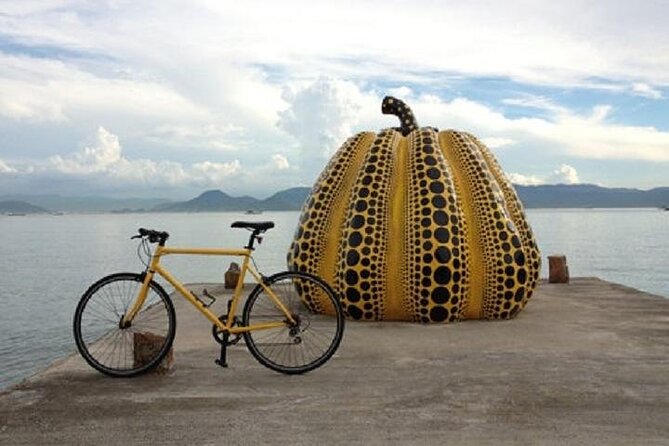
- Bicycle rental built into the experience, with a public bus backup if bikes aren’t available
- Chichu isn’t included in time, so set expectations early
- Mobile ticket convenience for the day
Naoshima in one day from Uno: what your 8-hour plan really means
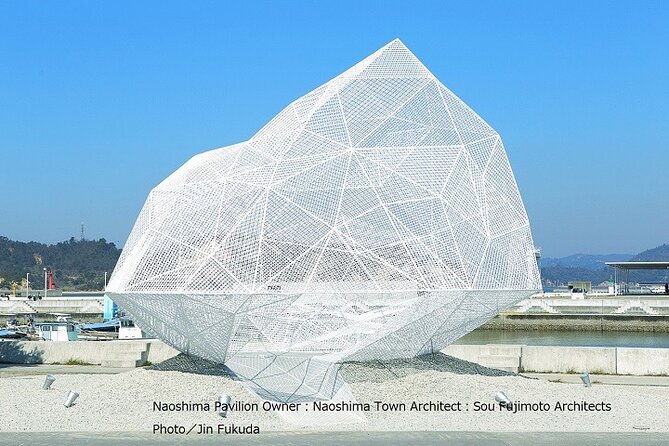
Naoshima is famous for contemporary art, but it’s also famous for being spread out. That’s the real reason a guided day tour feels worth it. You’re not just ticking off museum names. You’re learning how to read the island: why so many buildings are tucked into the ground, how public art sits next to homes, and how the Seto Inland Sea National Park rules shape what you can build and where.
This tour is designed for a full day on Naoshima—about 8 hours total—with a private group and a guide who stays with you while you’re on the island. You’ll start from Uno Station at 9:00 am, take the ferry over, and then return the same day.
The big advantage is flow. You’ll have set stops for the most important art experiences, plus included admissions so you’re not scrambling for tickets between locations. I also like that you get some freedom: you can skip a stop if you’re not feeling it, and the guide can help you adjust the plan on the day.
Uno Station to Naoshima Port: start smart, not frantic
Your day starts at Uno Station (meeting point at Uno Station 1 Chome-1 Chikko, Tamano, Okayama). The tour’s rhythm is built around the ferry. That means your first job is simple: arrive on time so you don’t pressure the group.
Once you’re headed toward Naoshima, pay attention to the approach. When the ferry enters Miyanoura Port, you’ll see Red Pumpkin Round—often the first big visual hit of the day. It’s one of those art moments that sets your mindset immediately: you’re on an island where everyday scenery and contemporary installations speak the same language.
Practical tip: plan your “stuff” before you board—sunscreen, water, and anything you might need while cycling. You’ll have bottled water included, but it’s still a good idea to dress for sun or wind. Naoshima days can feel bright and warm, even when you’re not expecting it.
Cycling the island (or using the bus): how to move without burning out
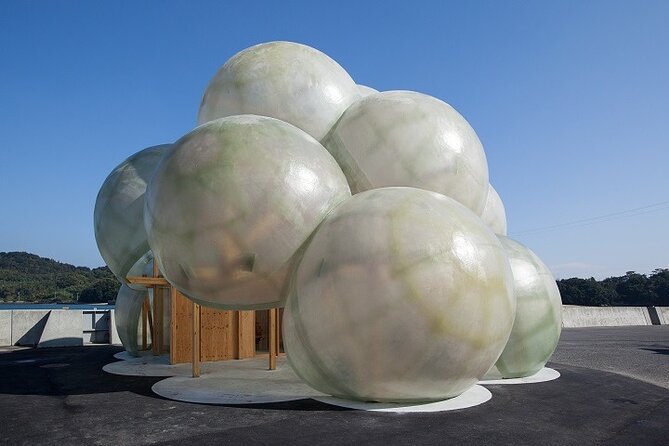
The tour gives you two ways to get around Naoshima: cycling or public bus. Cycling is the star option because it lets you cover more ground and stop when something catches your eye. The catch is simple: Naoshima rewards people who are comfortable riding and walking a fair amount.
Here’s what you should expect:
- Rental bicycle charge is included when bikes are available.
- If bikes can’t be reserved in busy periods, you’ll likely use the public bus instead.
- You’ll still need a solid physical baseline. The tour notes strong fitness is expected.
If you do choose cycling, I recommend you treat it like an art route, not a sightseeing sprint. Some stops are short, others require a bit of navigation through quieter streets. A guide helps a lot here because Naoshima’s layout can feel less intuitive than you’d think once you’re off the main port area.
One more detail I appreciate: the guide’s service ends before your return ferry. That means you don’t rely on them for the ride back—but you also don’t have to keep asking questions once you’re already organized.
Benesse House Museum: where art and architecture do the talking
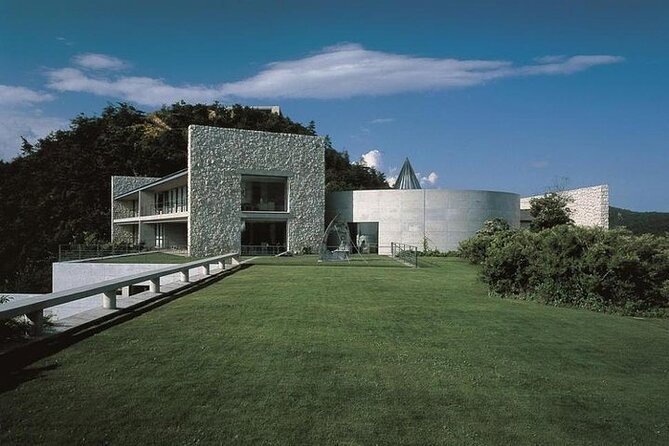
Benesse House Museum is included, with the admission fee covered (1300 JPY). This is one of the places where Naoshima’s famous style makes sense: buildings that don’t behave like typical museum boxes.
I like Benesse House because it’s not just about what you see inside. It’s also about how you move through the museum spaces. The architecture and setting matter, and you can feel that even before you focus on artworks. It’s the kind of museum where time passes differently—part viewing, part wandering, part letting the building do its job.
One practical note: don’t plan to mentally multitask. This is the stop where you get the most benefit from slowing down. Your guide can point out what to look for, and even a small hint like where to position yourself for a particular view can change how you experience the room.
Art House Project and Honmura-style street art: small sites, big effort
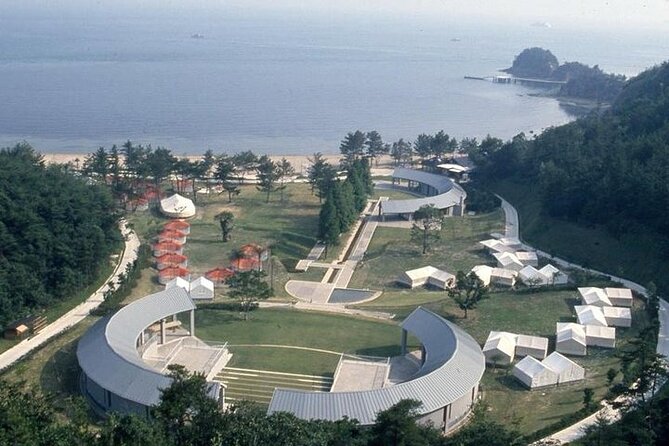
The Art House Project is included via a multi-site ticket (1050 JPY). “Multi-site” is important wording. It means you won’t necessarily see every single art house within the project on this day plan. Still, you’ll get a strong sample of the area’s creativity.
What makes Art House Project special is that it feels local. These pieces aren’t isolated in a single clean museum gallery. They’re placed in and around homes and neighborhood streets in the Honmura district. That changes everything. You don’t just view art; you encounter it in the middle of everyday Naoshima life.
Your guide helps here by doing two jobs at once:
- helping you find the right spots efficiently, and
- giving you a bit of context so the art doesn’t feel random.
On this tour, you’ll spend enough time to see more than one site without turning your day into a scavenger hunt. I also like that the ticket is handled for you. Art House admissions can be easy to mess up if you’re juggling multiple places and timing your day around transport.
Miyanoura Port to island bath culture: Red Pumpkin and I❤湯
If Benesse House feels like a museum, the next parts of the day remind you Naoshima is also about public art you stumble into.
You’ll start with Red Pumpkin Round when you arrive at Miyanoura Port. It’s a playful, bold introduction—exactly what you want right after stepping off the ferry. It puts color and scale into your first impression, so the rest of the island feels like it’s speaking back to that opening moment.
Later, you’ll see Naoshima Bath I❤湯. This one has a twist: you can only see it from outside. That’s not a downside if you go in expecting an exterior installation rather than a full interior experience. Even from the outside, it’s a good reminder that art on Naoshima isn’t always about walking into a ticketed building. Sometimes it’s about the relationship between place, residents, and visitors.
The tour mix matters here. It keeps the day from turning into nothing but museums. You get a little rhythm: arrival art, museum art, neighborhood art, then one more local-feeling installation before you head back.
What about Chichu Art Museum: timing reality and your options
If you’re hoping to see Chichu Art Museum, read this carefully: the schedule here doesn’t leave enough time for a proper visit. Also, Chichu entrance is not included (it’s listed at 2100 JPY per person), and you should plan to buy online tickets.
So what should you do?
- If Chichu is a must for you, consider choosing a different day plan that includes it as a central stop.
- If Chichu is a “nice to have,” you can still enjoy a great day with the included art spaces, but don’t count on squeezing Chichu in.
This is one of the biggest considerations for value. You’re paying for a guided route that focuses on specific included admissions. That works great—unless your personal priority list has Chichu at the top.
Price and value: why $233.25 can be fair (or not)
At $233.25 per person, this is not a budget day. But when I look at value, I check what’s bundled and what’s realistically hard to organize.
Included pieces you’d otherwise spend time and money on:
- Ferry round trip between Uno Port and Naoshima
- Private English-speaking guide on Naoshima (and they meet you at Uno Station)
- Bicycle rental or public bus fee on Naoshima (bike availability dependent)
- Benesse House Museum ticket (1300 JPY)
- Art House Project multi-site ticket (1050 JPY)
- Bottled water
The tickets add up quickly, and the logistics are the hidden cost of doing Naoshima on your own. On this island, route planning matters because you’re moving between areas and art sites with different opening rules. A guide can reduce the wasted time that often makes self-planning feel more stressful than expected.
Where the price might feel less justified is if you’re mainly chasing one extra museum and you’re hoping for lots of free time. This tour is structured and focused. One guide-comment from experience notes that tour value depends heavily on the guide’s ability to connect the art to what you’re seeing. The better your guide, the more the price starts to make sense.
The guide effect: when art talks back
This tour lives or dies by your guide’s skill. And I’ve seen how much difference that can make.
For example, one guide named Okita Keisuke is specifically mentioned as making the experience special by helping you move smoothly and understand what you were looking at. Another guide is described as passionate and very informative, with local knowledge that helped fit in far more than you could manage alone.
That’s exactly what you want from a private guide in an art-heavy place:
- They help you choose the right sequence.
- They give you the story you need to make the art click.
- They prevent you from wandering into dead ends or spending time you didn’t plan.
When you book, think about what you want from the day. If you’re the type who likes reading up, you might get value even with fewer explanations. If you want the art to make sense while you’re there, this is where a strong guide earns the cost.
Who should book this Naoshima day tour from Uno?
This tour fits best if you want:
- a structured art day with major admissions covered,
- a private English-speaking guide to help you navigate and understand,
- cycling freedom—paired with support if you end up using the bus.
It might be less ideal if:
- Chichu is your number one priority,
- you want a long, slow day with plenty of empty hours,
- you prefer fully independent travel planning with no guide.
Also, there are clear participation limits: children under age 5 or under 135 cm height aren’t allowed, and Naoshima movement expects strong physical fitness.
If you love contemporary art and you like the idea of combining museum-level experiences with neighborhood-style installations, this is a great match.
Should you book this Naoshima day tour?
Book it if you want a high-yield day: ferry included, key art admissions handled, and a private English guide who helps you see more and understand more. The price stops feeling scary when you factor in that you’re paying for both tickets and time-saving logistics.
Skip or reconsider if you’re laser-focused on Chichu Art Museum or you’re not comfortable cycling/walking for a full day. In that case, you’ll probably be happier with a plan that puts Chichu at the center and doesn’t force you to compromise.
FAQ
Where do I meet for this tour?
You meet at Uno Station at 9:00 am. The meeting point is listed at Uno Station, 1 Chome-1 Chikko, Tamano, Okayama.
What time does the tour start and how long is it?
The tour starts at 9:00 am and lasts about 8 hours (approx.).
How do I get around Naoshima?
You can use a rental bicycle (rental charge included). If bikes can’t be reserved during crowded periods, transportation on Naoshima might be by public bus.
Is Chichu Art Museum included?
No. Chichu is not included. The entrance fee is listed as 2100 JPY per person, and you should buy tickets online. The tour also notes there isn’t enough time to visit Chichu in this day plan.
What tickets are included for admission?
Benesse House Museum admission is included (1300 JPY), and the Art House Project uses a multi-site ticket (1050 JPY). The ferry between Uno Port and Naoshima is included round trip as well.
Is lunch included?
No. Lunch is not included.
Is this a private tour?
Yes. This is a private tour/activity, and only your group participates. The tour includes a private English-speaking guide at Naoshima.
Are there age or height limits?
Yes. Children under age 5 or under 135 cm height aren’t allowed to participate.
Can I change or get a refund after booking?
No. This experience is non-refundable and cannot be changed for any reason.