REVIEW · HO CHI MINH CITY
Mekong Delta 2 days 1 nights Cycling Trip
Book on Viator →Operated by Mr Biker Saigon · Bookable on Viator
Coconut shade makes the Mekong ride feel easy. This short 2-day ride into Ben Tre is a sampler of delta life, mixing paved roads with ferry crossings and quieter paths under coconut trees. I like that the terrain changes often, so the day stays fun instead of turning into one long grind.
I also love the farm homestay feel and the Southern Vietnamese meals that make the trip feel personal, not canned. One possible consideration: you’ll hit gravel/concrete and a muddy beach, so pack for getting dirty, and the short timing means you’re sampling, not covering the whole delta.
In This Review
- Key highlights before you pedal off
- First stop: Saigon to Ben Tre without the stress
- Coconut-tree lanes, then the Mekong ferry crossing
- Your first Mekong meal: traditional food after riding
- Homestay on a farm: where the trip turns human
- Day two starts with a boat ride to Coconut Island
- 40 km of gravel and concrete: fun, but pack for it
- Passing villages and communal homes like a local
- Ferry to the estuary, then 10 km of muddy beach riding
- The seaside finish and your return van to Saigon
- Price and value: what you’re really paying for
- Who should book this Mekong Delta cycling sampler
- Small, smart tips to make day two easier
- Should you book it?
- FAQ
- Where does the tour start and what time does it begin?
- How long is the trip, and when does it end?
- What is included in the price?
- Do you provide bicycles and helmets?
- Is there an e-bike option?
- What kind of riding will you do?
- Are there boat or ferry segments?
- Is it private, and what happens if weather is poor?
Key highlights before you pedal off
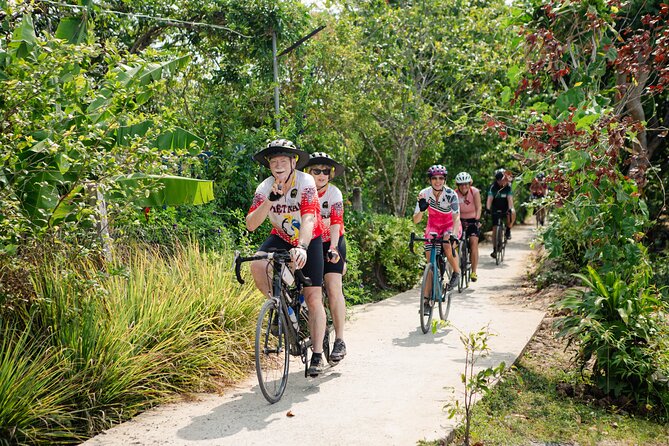
- Ben Tre start with a warm-up rhythm: bike fitting near Saigon, then a gentle country-road stretch before your first ferry moment
- Real delta variety in just 2 days: paved lanes, coconut-and-lemon grass trails, and a clam-farming beach
- Meals and lodging are built in: breakfast, dinner, lunch stops, accommodation, plus snacks and local fruit at water points
- Guides can make it feel easy: guides like An and Thai are known for keeping things friendly and well paced
- Optional e-MTB support: add-on for electric assist if you want less leg burn
First stop: Saigon to Ben Tre without the stress
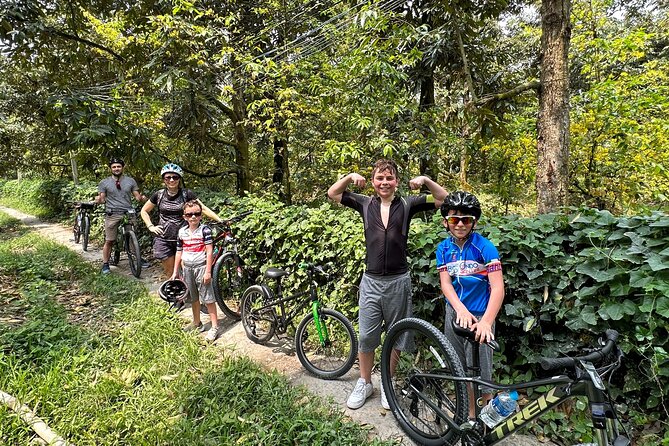
You start at the Saigon Opera House area (07 Công trường Lam Sơn, Bến Nghé, Quận 1). You leave around 7:30 am, and the day kicks off with a van transfer to a nearby café area where bikes get fitted before you roll.
That bike-fitting moment matters more than it sounds. If your seat height and handlebar fit are right, you’ll ride longer with less strain—especially when the route later turns bumpy. It’s also a nice buffer against the morning rush, since the team handles the early coordination for you.
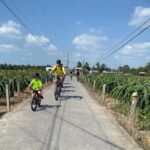
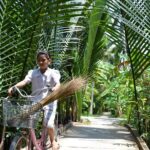
Once you’re on the road, the pace is deliberately relaxed. You’ll spend the first stretch on lightly trafficked country roads, shaded by coconut trees and kept comfortable by the rhythm of the route.
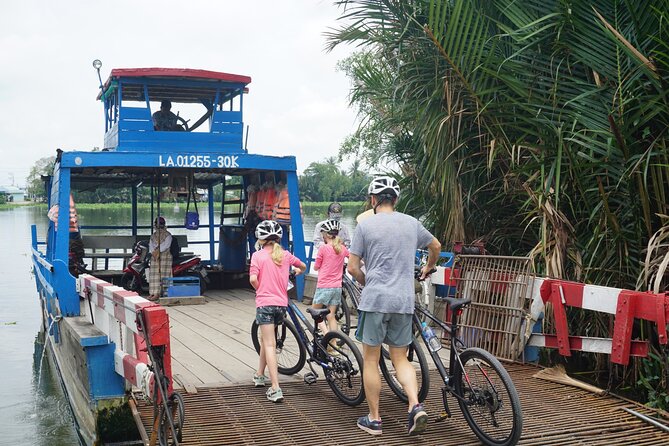
After about 15 km, you reach a ferry crossing over the Mekong River. This is the kind of “change of scenery” that keeps energy high, because it breaks the day into parts instead of asking for a nonstop effort.
You can also read our reviews of more tours and experiences in Ho Chi Minh City.

Coconut-tree lanes, then the Mekong ferry crossing
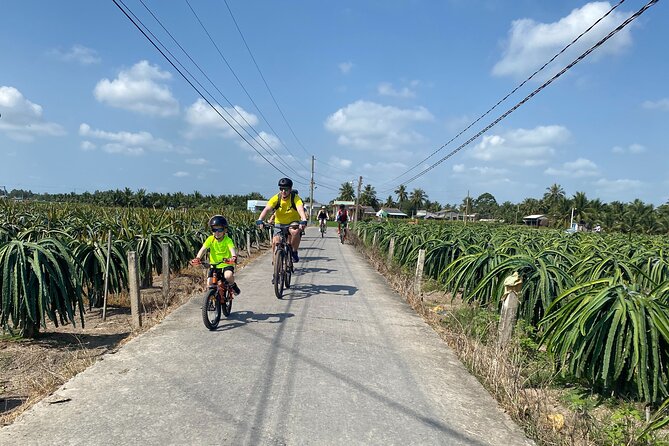
The first day is mostly about getting your bearings and enjoying the feel of the delta from the saddle. Expect mostly paved riding at first, with supportive surroundings like coconut shade and attentive trip logistics.
At the ferry, the program shifts gears—literally and emotionally. Ferries help you see the river life without racing your bike through traffic. They also give you a natural checkpoint for water and a quick mental reset.
Here’s a practical detail to know: the route includes support if you want a breather. After the relaxed cycling section, there is a shuttle option for some riders instead of continuing all the way to the finish on the bike. A vehicle is also positioned so riders who use the shuttle can still enjoy the day without feeling stranded.
That kind of flexibility is a big deal in a short trip. It means the trip can suit different fitness levels without turning it into a test.
Your first Mekong meal: traditional food after riding
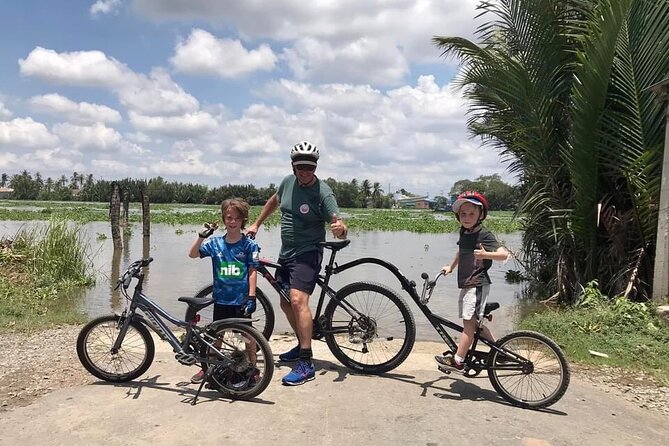
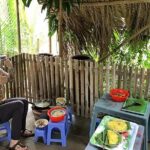
By the time you finish the first cycling day, you head to a restaurant serving traditional Mekon-style food (the focus is on local comfort food, not showy tourist plates).
Dinner is built into the experience, and breakfast is included for the next morning. Snacks, local fruit, and bottled water are also part of the water-stop rhythm, so you’re not constantly scanning for something to drink.
This matters because food is part of the travel here, not just fuel. When the route includes long rural stretches, the easiest way to keep morale up is straightforward meals and frequent small refresh breaks.
Homestay on a farm: where the trip turns human
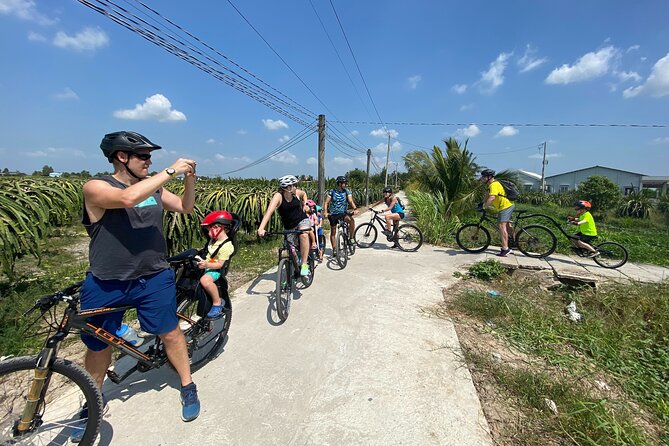
One of the best parts of this experience is the authentic homestay-style stay on a farm. Instead of a standard hotel stop, you get that direct Southern Vietnamese hospitality feel—simple, warm, and tied to daily life.
The value isn’t only in “where you sleep.” It’s in how the food and atmosphere connect you to the rhythm of the delta. A farm homestay tends to make the area feel less like a sightseeing route and more like a place where people actually live.
If you’re the type who likes asking casual questions, this is where you’ll get the most back. You’ll also likely notice that the guides (including An and Thai, depending on who you’re paired with) can help translate the vibe and keep you comfortable.
Day two starts with a boat ride to Coconut Island
After breakfast, you take a short boat trip to Coconut Island. This is your second “transport break” of the trip, and it’s one of the reasons the schedule feels manageable.
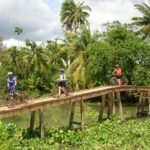
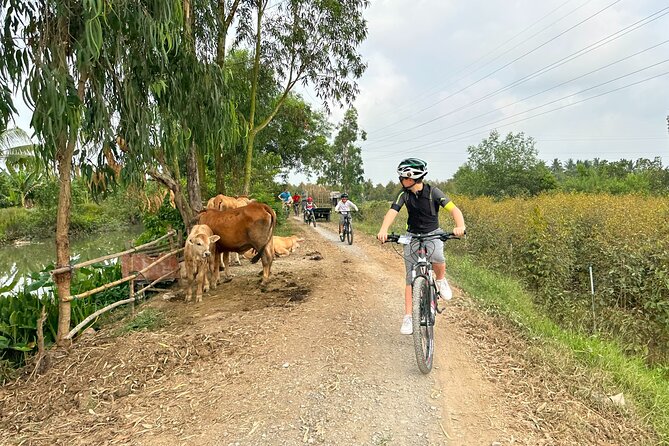
Then comes the biggest cycling day segment: a long run of unique trails. The first 40 km of the day follows gravel and concrete tracks through coconut plantations and lemon grass fields. Yes, concrete and gravel—so your tires and posture do matter.
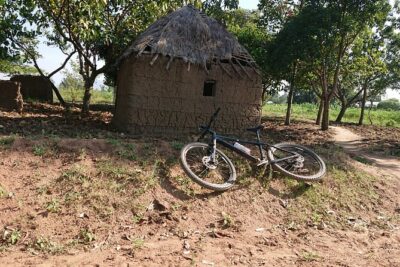
The upside is that these surfaces feel distinct from the earlier paved roads. You’re moving through working plantations, not just passing empty scenery. The ride also passes charming villages and traditional delta-style homes used as communal family residences across generations.




40 km of gravel and concrete: fun, but pack for it
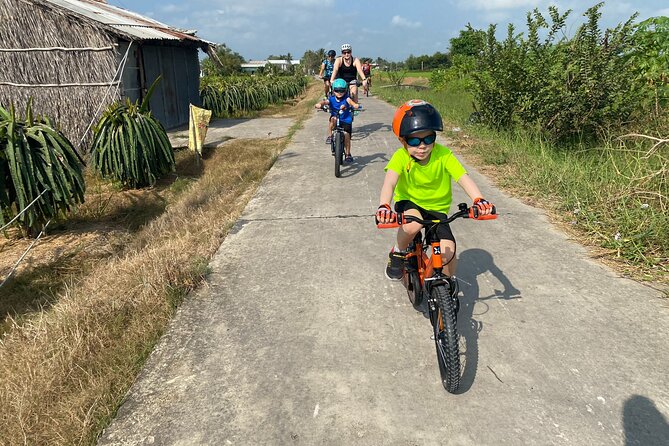
This is the section where you’ll feel the terrain more than your legs. Gravel and concrete can be a little jarring, especially if your bike setup isn’t perfect—which is why that earlier fitting still pays off on day two.
If you want to make this stretch more comfortable, the experience offers e-MTBs with a surcharge of $36 USD per bike per day. The electric assist can be a lifesaver if you’re cycling with mixed experience levels or you want to conserve energy for the muddy beach later.
You don’t need to go full power mode all the time, but having the option turns a “challenging yet doable” route into something more relaxed. And in a two-day sampler, that difference is huge.
Passing villages and communal homes like a local

As you pedal through the village areas, you’re not just riding past buildings. You’re moving through places where family life is structured around shared spaces and long-standing traditions.
One detail worth paying attention to: the tour route includes traditional delta homes that have served as communal family residences for generations. That means you’ll see more than one-off houses. You’ll see how people organize living spaces across time.
It’s a good part of the trip for slower pacing. You’ll want to keep an eye on the road, but you’ll also want to pause your head for the small details—like the way homes sit around community life, and how the plantation trails connect daily chores to cycling routes.
Ferry to the estuary, then 10 km of muddy beach riding
After the village and plantation section, you take a ferry to the Mekong River’s estuary. Then you cycle about 10 km along the muddy beach, where locals farm clams.
This is one of the most memorable parts of the whole program because it’s both simple and real. You’re seeing work connected directly to the shoreline, and the riding is hands-on—mud, sand, and uneven ground are all part of the deal.
A quick practical note: even if the route is planned carefully, this is the section most likely to get messy. Bring (or plan on packing) a towel, and wear shoes you don’t mind cleaning later. If you’re traveling light, just accept that your feet will pay the price.
The seaside finish and your return van to Saigon
After the muddy beach stretch, you reach a seaside restaurant for food and recovery time. Then you get a 2-hour van transfer back to Saigon, so you can end the day without needing to ride yourself into exhaustion.
That van transfer is a smart choice for a two-day format. It keeps the last day feeling like an experience, not a punishment. Your body gets time to reset before you think about dinner plans back in the city.
Price and value: what you’re really paying for
The trip costs $341 per person. On paper, it’s a “short cycling tour.” In practice, you’re paying for a package that handles the logistics that usually eat time and budget: transport, boats, accommodation, meals, and bike support.
Here’s what’s included (the stuff that adds real value):
- Use of bicycle and helmet
- Accommodation
- Breakfast and dinner, plus lunch (2)
- Snacks, local fruits, and bottled water during water-stops
- Air-conditioned vehicle
- Boat trip
You also get pickup offered, plus the convenience of a mobile ticket. And since it’s private (only your group participates), you’re not stuck riding at the pace of strangers.
What’s not included is pretty standard: travel insurance, tips, personal expenses, and airport transfer. Also, if you choose an e-MTB, that’s the $36 USD per bike per day add-on.
For $341, the best value comes from the fact that you’re not just renting a bike. You’re buying the infrastructure that lets you ride rural routes comfortably—plus the homestay-style experience.
Who should book this Mekong Delta cycling sampler
This is a great match if you want:
- A 2-day taste of the Mekong Delta without committing to a longer trip
- Variety in surfaces (paved roads, concrete/gravel, and a real muddy beach)
- An experience that mixes cycling with farm-style hospitality and local meals
It also suits families better than you’d expect. The program is set up so people can participate, and the ride is structured to remain manageable thanks to support options and the pacing of the day.
If you’re newer to biking, the route still can work, but choose your comfort level honestly. The day-two gravel and concrete stretch is where your bike fit and mindset matter. If you’d rather keep things easy, the e-MTB option is worth considering.
Small, smart tips to make day two easier
You’re dealing with mixed ground, so a few choices make a big difference:
- Use the bike fit time seriously at the start. It’s your best injury-prevention tool.
- If you have sensitive legs or limited cycling experience, consider the e-MTB surcharge.
- Plan for mud on the estuary beach. Pack a way to clean up afterward.
- Bring a change of socks or something similar so the seaside finish feels better.
Also, be ready for a slower, more community-paced feel. This route runs through villages and plantation areas, where courtesy counts. A relaxed attitude makes the whole ride smoother.
Should you book it?
Yes, if you want a short but real Mekong Delta experience. The combination of varied terrain, boat and ferry segments, solid meals, and an authentic farm homestay makes this feel like more than a typical “bike around countryside” day.
I’d skip or adjust expectations if you hate mud or you’re looking for only easy flat riding. This trip includes gravel/concrete and a muddy beach for clam farming, and it’s designed to show you that working side of the delta.
If that mix sounds fun, book it. You’ll come away with photos, stories, and the kind of food-and-hospitality memories that don’t fade after you’re back in town.
FAQ
Where does the tour start and what time does it begin?
The tour starts at the Saigon Opera House area (07 Công trường Lam Sơn, Bến Nghé, Quận 1, Hồ Chí Minh). The day’s departure is listed as 7:30 am.
How long is the trip, and when does it end?
It runs for 2 days (about 2 days total) and ends back at the meeting point in Saigon.
What is included in the price?
The included items are breakfast, dinner, lunch (2), accommodation, use of the bicycle, a helmet, boat trip, air-conditioned vehicle, and snacks with local fruits and bottled water during water stops.
Do you provide bicycles and helmets?
Yes. The experience includes the use of a bicycle and a helmet.
Is there an e-bike option?
Yes. An e-MTB is available for an additional surcharge of 36 USD per bike per day.
What kind of riding will you do?
You’ll ride mostly paved country roads on day one, then cycle about 40 km on gravel and concrete trails on day two through coconut plantations and lemon grass fields. Day two also includes about 10 km along a muddy beach at the estuary.
Are there boat or ferry segments?
Yes. There is a boat trip to Coconut Island on day two, and the route includes ferry crossings over the Mekong River.
Is it private, and what happens if weather is poor?
It is a private tour, meaning only your group participates. The experience requires good weather, and if it’s canceled due to poor weather, you’ll be offered a different date or a full refund.