This 6:30 a.m. Delhi cycling tour strings together the start of the Delhi sultanate era with green, quiet breaks in a city forest. You’ll begin near Qutub Minar, then roll through Mehrauli’s honey-stoned monuments and finish with a shaded stretch in Sanjay Van, where you can keep an eye out for wildlife and lots of birds.
What I really like is the mix of old and outdoors in a short window—ruins, step wells, mosques, and temple spirituality, followed by dirt trails in a wooded area. The second thing I like: you’re not just handed a bike and sent off. You get a helmet and safety jacket, plus a geared bike (Trek Marlin 4), and the guide actively helps with gear changes and traffic awareness—handy if you’re not a daily cyclist.
The one real consideration: it’s an early start and parts are not paved. If you’re uncomfortable riding on dirt trails or you dislike being on a bike around moving traffic, arrive on time, listen carefully, and let the leader manage the ride pace.
In This Review
- The key stuff you’ll notice on this tour
- How the tour starts: Qutub Minar at 6:30 a.m.
- Mehrauli Archaeological Park: step wells, mosques, and early Delhi
- Qutub Minar and the Qutb complex: victory tower energy
- Flower market pause: quick color before the stone
- Sanjay Van: shade, birds, and dirt trail riding
- Jain Mandir Dadabari: a short stop with real meaning
- Bikes, helmets, and safety: the practical side that matters
- Coffee and water: small breaks that keep the momentum
- Price and value: what $45 buys you
- Weather, timing, and who this suits best
- Where you end: back in the Qutab Institutional area
- Should you book this Delhi cycling tour?
- FAQ
- FAQ
- What is the meeting point for the Premium Hidden Jewels of Delhi Cycling Tour
- What time does the tour begin
- How long is the tour
- How much does the tour cost
- What is included in the tour price
- Is transportation to and from the hotel included
- Are admission tickets included
- How many people are in a group
- What is the minimum age requirement
- Do I need good weather for this tour
- What is the cancellation policy
The key stuff you’ll notice on this tour
- A story-led morning ride that follows the early Delhi sultanate from stone monuments into a forest city escape
- Geared bikes + safety kit (helmet and safety jacket) that make the ride feel more manageable
- Mehrauli Archaeological Park with major landmarks like step wells and the Jamali Mosque area
- Sanjay Van dirt trails in South Delhi near Vasant Kunj, with birdlife and wildlife potential
- A short Jain temple stop at Dadabari, tied to important Jain figures and the Sambat 1223 tradition
- Small group size capped at 16, which usually means less waiting and more attention from the leader
How the tour starts: Qutub Minar at 6:30 a.m.
You meet at the Qutub Minar Metro station parking lot area in Mittal Garden, Sainik Farm (New Delhi). The start time is 6:30 a.m., which matters because Delhi is one of those cities where mornings feel calmer and the light is better for monuments and old stone.
You’ll be matched with your bike and get your helmet and safety jacket right at the start. The tour runs for about 3 to 5 hours, so think of it as an active half-day: enough time to see several meaningful stops, not so long that you’re exhausted by the middle.
One more planning note: transport to the meeting point and from the finish isn’t included. The operator says hotel pick-up and drop-off can be arranged on prior notice, and they provide a contact number if you need it.
You can also read our reviews of more tours and experiences in New Delhi.


Mehrauli Archaeological Park: step wells, mosques, and early Delhi
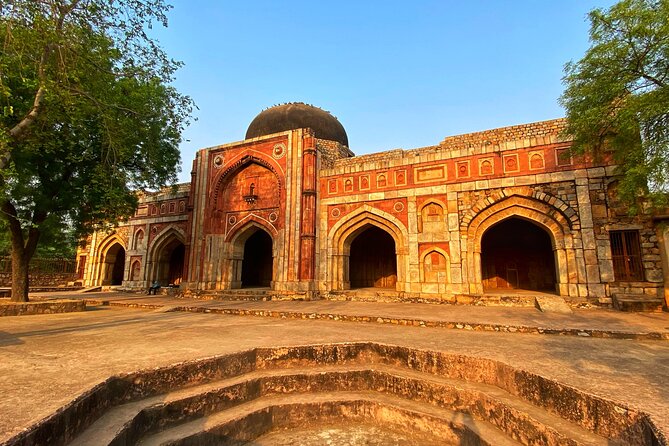
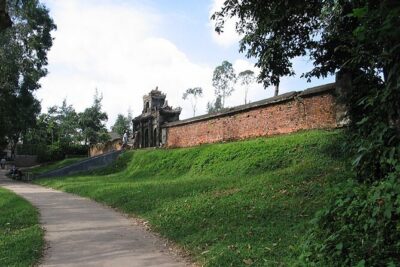
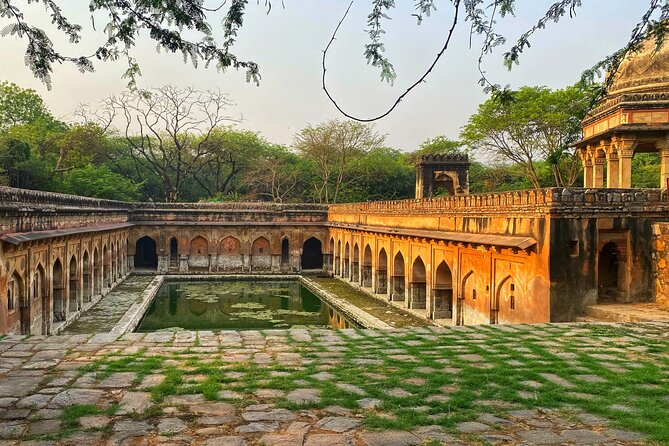
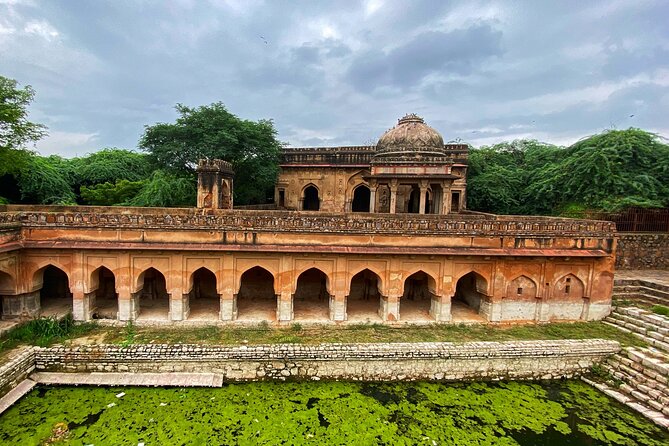
Your first big historical stop is Mehrauli Archaeological Park, a huge heritage area right beside the Qutub Complex. Mehrauli is tied to the earliest chapters of Delhi—historically, it was the first of the eight cities of Delhi—so this is the part of the ride where the tour becomes more than sightseeing.
Here’s what you’re aiming to see during your time in the park:
- Honey-stoned monuments with a sense of age and scale
- A step well (the kind of structure that instantly tells you how people managed water in older cities)
- The Jamali Mosque area and other preserved remnants that help explain how power, belief, and architecture mixed over time
This is also where a good guide makes a difference. In the feedback you can see a theme: leaders didn’t just point at buildings—they explained what you were looking at and why it mattered, often with quiet, specific details. Guides named Sabyasachi, Akhilesh Thapa, and Abhi show up in the accounts, and that checks out with the tour style here: history plus practical interpretation, not a rush through photos.
A small drawback: archaeological parks can involve uneven ground. You’re on a bike, but you’ll still want to be steady and listen for what’s coming next, especially when the route shifts from paved edges to park paths.
Qutub Minar and the Qutb complex: victory tower energy
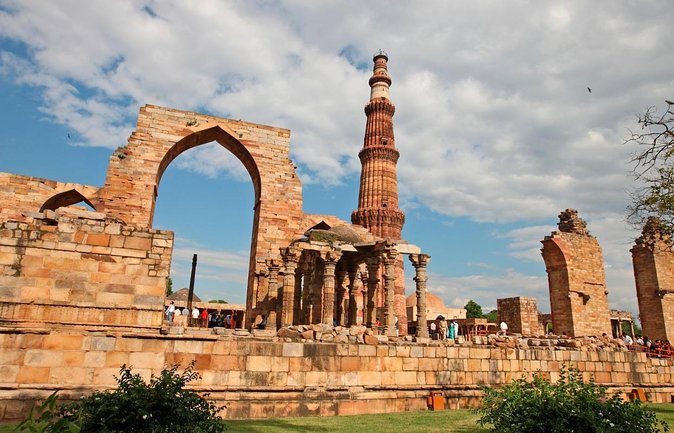
Even if you don’t linger for a long museum-style visit, this is a crucial backdrop to the whole experience. Qutub Minar is described as a minaret and victory tower, part of the Qutb complex. It sits at the site of Delhi’s oldest fortified city, Lal Kot, associated with the Tomar Rajputs. And yes, it’s a UNESCO World Heritage Site.
In a cycling format, Qutub Minar becomes more than a single landmark you tick off. It’s a reference point. You’ll understand the scale and the setting as you move through the area, not just stare up at one structure from one angle.
I like this approach because it helps you connect the dots between buildings and the city’s early layout. If you prefer history that you can feel while walking and riding, this part fits your style.
Flower market pause: quick color before the stone
Before the park stretch, the route includes a stop connected to a flower market, where you’ll see colorful displays up close. It’s not a long cultural lesson, but it’s a smart reset: you go from the city’s early-morning bustle into a more quiet heritage zone.
This kind of short visual break keeps the ride from feeling like nonstop moving. It also makes the morning feel local, not just tourist-fast.
Sanjay Van: shade, birds, and dirt trail riding
Next up is Sanjay Van, a city forest in South Delhi near Vasant Kunj. This is the leg where the tour turns into nature-time.
What makes Sanjay Van special on a bike?
- It’s described as a densely wooded forest with plenty of birds
- You ride along trails that keep you near the forest edge, with a sense of green away from main roads
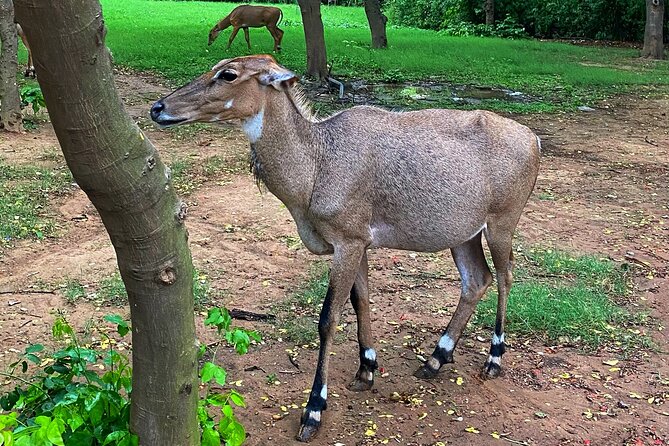
- The route also includes segments described as dirt trails, with an opportunity to watch for wildlife
From the accounts, people especially liked the animal and bird watch aspect—Delhi can feel surprisingly alive when you’re close to the trees and not trapped in traffic. You also get views from higher points in the general area, including the sense of how the Qutub Minar area sits within the wider landscape of the city.
One practical point: dirt trails mean you’ll want to stay relaxed and follow the guide’s lead. The feedback includes that leaders help with technical bike management—like when to change gears for uphill and downhill stretches—which is exactly what you’ll want if you’re not an everyday cyclist.

Jain Mandir Dadabari: a short stop with real meaning
The ride finishes with Jain Mandir Dadabari, a temple described as the oldest Jain temple in Delhi.
Even though the time here is short, the details are big:
- The temple is dedicated to Jain Acharya Dada Gurudev Shri Manichari Jinchandra Suriji
- The last rites of this figure were performed here in Sambat 1223
- The temple is said to have been originally built in the late Mughal period
It’s the kind of stop that gives the tour an extra layer—spiritual and historical at the same time. In a morning ride that already covers monuments and city forest, this temple stop makes the story feel complete: not only power and architecture, but also religious life and tradition.
The time allotted is about 20 minutes, so this is not a long linger-and-pray visit. But if you like moments that add depth without eating your whole day, you’ll appreciate the pacing.
Bikes, helmets, and safety: the practical side that matters
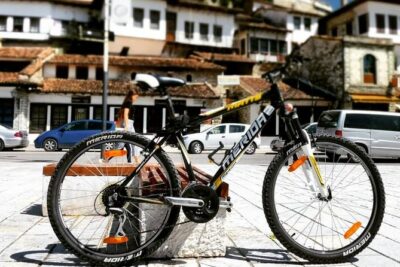
This tour includes a Premium Geared Trek Marlin 4 (2021 model), plus a helmet and safety jacket. That combination matters more than it sounds. Geared bikes help with Delhi’s small hills and uneven patches. Helmets and safety jackets reduce the “what if something happens” stress that can creep into any city cycling plan.
Pacing is also part of safety. One of the most useful bits from the feedback: leaders explain when to change gears for uphill and downhill moments, which helps newer riders stay calm. Another repeated theme is traffic awareness—especially with guides actively keeping an eye on the surrounding road situation so you’re not guessing.
The bike tour format usually means you’re not doing steep, long climbs for hours. It’s more about steady movement and short stops. The overall structure is designed to be approachable; the group size is capped at 16, which usually means you won’t spend the whole morning waiting behind a large pack.
Coffee and water: small breaks that keep the momentum
You get coffee and/or tea, plus bottled water (1 liter per person). For a morning ride in Delhi, that’s not a luxury. It’s fuel.
Even if the route feels like “just a few hours,” the combination of early start, some dirt trail energy, and walking around monuments can add up. The drink stop also gives you a natural moment to regroup, ask questions, and reset your legs before the forest leg.
Price and value: what $45 buys you
At $45, this is one of those tours that feels reasonable if you compare it to what you’d pay for bike rental plus guide plus entry fees.
Here’s what’s included:
- Guide / cycle tour leader
- Helmet, safety jacket
- Bike (Trek Marlin 4, geared)
- Coffee and/or tea
- Bottled water (1 liter)
- Admission tickets for stops listed as included
- GST
What’s not included: transport to and from your hotel (though you can arrange it on prior notice).
For me, the best value is the combination of guided context and active movement. You get interpretation while you’re cycling through multiple zones—Mehrauli heritage area, Qutb complex context, then Sanjay Van nature trails. If you only did this on your own without a bike and without someone explaining the monuments, you’d either miss story details or spend extra time figuring out routes and entry points.
Weather, timing, and who this suits best
This experience requires good weather. If it’s canceled due to poor weather, the operator offers a different date or a full refund.
That’s important because your ride includes dirt trails and outdoor stops. If you visit in a season with frequent rain, plan to keep your schedule flexible.
This tour suits:
- People who want a short morning adventure instead of a full-day museum grind
- Travelers who like history but also want a break in a forest setting
- Mixed cycling comfort levels, since guides help with gearing and ride pacing
- Anyone who enjoys small-group attention more than big bus tours
If you strongly dislike cycling or are very anxious around roads, you might still enjoy the historical stops—but the cycling component is the core. The route is designed as an active way to experience Delhi’s origins, not a “sit and see” tour.
Where you end: back in the Qutab Institutional area
The tour ends at the Indian Institute of Foreign Trade area, Block-II, around B-21, NRPC Colony, Block B, Qutab Institutional Area. This matters because it’s near the same general Qutub zone as the start, so you can usually reconnect to your day without crossing the entire city.
If you’re building an itinerary, think of this as the kind of tour that pairs well with a relaxed late brunch or a slow afternoon. You’ll have seen enough to understand the area’s story, and you won’t want to sprint across town right after.
Should you book this Delhi cycling tour?
Yes, if you want Delhi history in motion—Qutub Minar context, Mehrauli monuments, a forest break in Sanjay Van, and a short Jain temple stop—without turning your day into a multi-hour transit marathon.
I’d especially recommend it if:
- You want an early start that still feels thoughtful, not rushed
- You want a guide who handles both the story and the cycling mechanics (gear changes, traffic awareness)
- You like your sightseeing with a nature edge, not only buildings
Skip it only if cycling on mixed surfaces makes you nervous. In that case, consider whether you’re comfortable following a leader through dirt trail segments and negotiating the realities of city road proximity.
FAQ
FAQ
What is the meeting point for the Premium Hidden Jewels of Delhi Cycling Tour
The tour starts at the Qutab Minar Metro Station, Mittal Garden, Sainik Farm, New Delhi, Delhi 110030, India.
What time does the tour begin
The start time is 6:30 a.m.
How long is the tour
The duration is approximately 3 to 5 hours.
How much does the tour cost
The price is $45.
What is included in the tour price
Included are GST, a Premium Geared Trek Marlin 4 (2021 model) bike, helmet, safety jacket, a cycle tour leader/guide, coffee and/or tea, and bottled water (1 liter each).
Is transportation to and from the hotel included
No. Transport is not included, but hotel pick up and drop off can be arranged on prior notice.
Are admission tickets included
Admission tickets are included for the stops that list admission as included (Mehrauli Archaeological Park and Sanjay Van, and the Jain Mandir Dadabari stop).
How many people are in a group
The maximum group size is 16 travelers.
What is the minimum age requirement
The minimum age is 14 years.
Do I need good weather for this tour
Yes. The tour requires good weather, and if it’s canceled due to poor weather you’ll be offered a different date or a full refund.
What is the cancellation policy
You can cancel for a full refund up to 24 hours in advance of the experience’s start time. If you cancel less than 24 hours before the start time, the amount paid is not refunded.