REVIEW · UJI
Slow Cycling Tour at Uji’s Matcha Green Tea Fields and Heritage
Book on Viator →Operated by BROMPTON SLOW CYCLING TOURS · Bookable on Viator
Uji is the kind of place you ride slowly through. This Brompton-based tour pairs matcha culture with peaceful shrines and temples, plus a calm river trail that makes Kyoto feel far away. I especially love the mix of tea education at Chazuna and the easy, non-stress cycling pace with an English guide, and I also like that the route is paced for photos. One possible drawback: a couple of stops have optional entrance fees, so your final spend can rise if you add them.
The small group size (up to 6) also matters. With a local navigator, you get smoother timing between sites, and you can ask for course tweaks if you want more tea time or more temple time. I also like that the bike setup is handled for you, from helmets to transport bags, so you can show up and just ride. The one thing to watch is that this experience depends on good weather, so plan to keep some flexibility.
If you want matcha, history, and a relaxed ride without getting winded, this is a strong fit. You’ll cover enough ground to feel like you saw Uji, but you won’t feel rushed. Just be ready for a day that’s gently structured around a handful of meaningful stops, not a free-for-all walking marathon.
In This Review
- Key things to know before you go
- Uji by bike: why this town fits “slow”
- The Brompton setup and your navigator make or break the ride
- Chazuna Tea and Uji Community Center: matcha context in 45 minutes
- Uji Shrine and Ujigami Shrine: faith, water, and the story behind Kirihara
- Asagiri Bridge photos, then Koshoji’s Kotosaka stone path
- Amagase Dam and the river trail: the Kyoto hush
- Byodo-in Omotesando and your choice to go inside or keep it tea-focused
- Pace, comfort, and what a 4.5-hour slow ride feels like
- Price and value: what $130.46 covers (and what it does not)
- Who should book this Uji slow cycling matcha tour
- Should you book this tour?
- FAQ
- How long is the Uji slow cycling tour?
- What does the tour price include?
- Are entrance fees included for all stops?
- What is the tour group size?
- Where is the meeting point?
- What time does it start?
- Do I need to bring my own bike or cycling gear?
- Is the tour dependent on weather?
Key things to know before you go
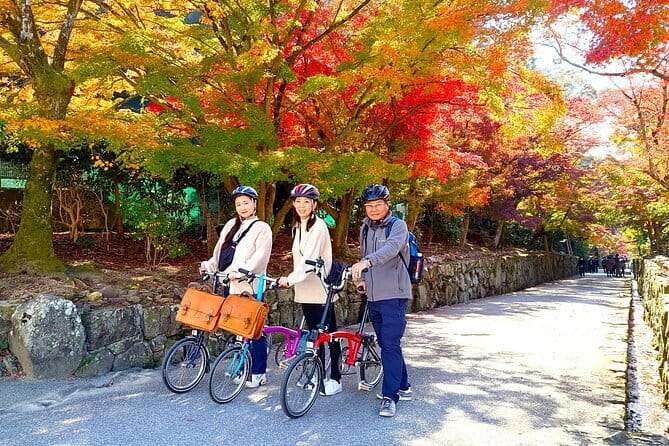
- BROMPTON bikes + slow pace: you get the feel of cycling without the fitness pressure
- Up to 6 people: easier questions, calmer stops, fewer crowds in your group
- English guide and navigator: you’re not just biking, you’re learning the why behind each place
- Free sites mixed with optional paid entrances: you can control where you spend
- River calm at Amagase: the route includes a nature stretch that quiets the whole day
- Photo-friendly stops: bridges and shrine paths are timed for you to actually look around
Uji by bike: why this town fits “slow”
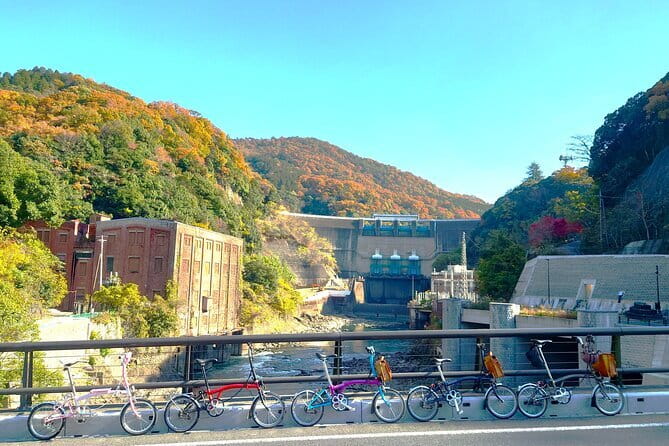
Uji sits south of Kyoto, and it has two identities you’ll feel right away. One is tea: matcha and the way it’s grown, processed, and celebrated. The other is time: temples and shrines that date back more than a thousand years. Cycling connects those two worlds better than hopping on buses, because you get to move through neighborhoods and along rivers at a human pace.
What I like most is how the day doesn’t chase everything at once. Instead of sprinting from highlight to highlight, you’re set up for a steady rhythm: learn for a bit, ride for a bit, pause for views and small details. That slow rhythm is also why this tour works even if you’re not sure about your cycling stamina. The bicycle is a Brompton style, and the emphasis is on comfort and control, not speed.
You also get something practical: a local navigator who helps you find viewpoints and routes that feel natural, not just a straight line between famous spots. That matters in Uji, because the most interesting moments are often the short in-between scenes: a stone path, a river bend, a shrine gate that frames the next turn.
The Brompton setup and your navigator make or break the ride
The tour includes the bicycle rental fee and the riding equipment: helmets and bags for wheeled transport are part of what you get. That means you don’t need to spend energy on gear logistics, and you’re already suited for the kind of city riding this involves.
You’ll ride with an English guide and a navigator. In real terms, that translates to two helpful things:
1) you can actually understand what you’re seeing, not just where you’re going, and
2) you can ask questions and get answers tied to the places you’re standing in front of.
The guide name you may see in past groups is Takashi, and the consistent theme is clear explanations plus a friendly vibe. People mention how he helped them understand tea culture and local context while also spotting scenic spots worth stopping for. That’s what you want from a small-group cycling tour: someone who keeps the day flowing, but still allows time for you to look up and take photos.
Group size is capped at 6. That keeps the tour from feeling like a moving conveyor belt. Even if you’re traveling solo, you’ll have enough space for the ride to feel personal.
Chazuna Tea and Uji Community Center: matcha context in 45 minutes
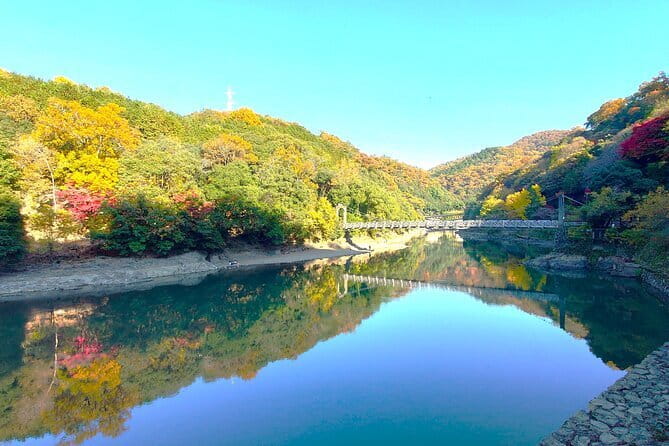
Your first stop is Tea and Uji Community Center Chazuna. This is where you start building the “why” of Uji. The center is designed for visitors to learn about Kyoto’s tea culture and history, and it sets the tone for the rest of the route.
This is also one of the stops with an optional admission fee (listed as an option of 600 yen). If you’re a matcha fan, I think it’s worth budgeting for, because it’s hard to appreciate Uji tea culture fully without a bit of background. Even if you’re not a super tea nerd, you’ll come away with more sense of what you’re seeing at later shrines and walking paths.
Think of this stop as your day’s orientation. You learn enough that the rest of the ride becomes more meaningful, not just scenic.
A small practical note: because it’s only about 45 minutes, don’t expect a slow museum marathon. Instead, expect a focused tea-culture start that gets you ready to enjoy the sites ahead.
Uji Shrine and Ujigami Shrine: faith, water, and the story behind Kirihara
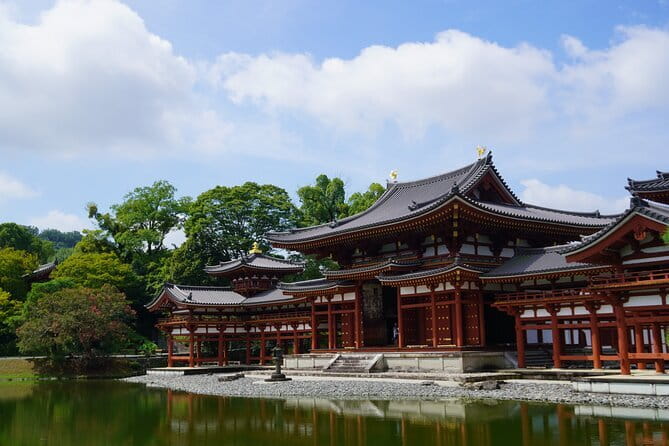
After Chazuna, the route moves into shrine territory with two close, connected stops.
First is Uji Shrine, which is described as having a history of more than 1,700 years. The tour highlights its association with academic success and childbirth success. Even if you don’t treat shrine legends as personal prophecy, it’s still interesting context for how people have used these places over time.
Next is Ujigami Shrine, paired with the neighboring Uji Shrine. One of the standout details here is the mention of a spring called Kirihara Water, described as one of the seven famous waters of Uji. The idea of “famous waters” is a very Japanese way of assigning character to natural features, and this is exactly the kind of local detail that helps you understand why a quiet shrine spot can feel important.
Both shrine visits are scheduled for about 30 minutes each, and the admission is listed as free for these stops. So you can keep the cost down while still getting the depth.
If you care about details, this section is where your guide’s storytelling really pays off. The shrines aren’t just photo backdrops. They’re explained as living part of Uji’s identity.
Asagiri Bridge photos, then Koshoji’s Kotosaka stone path
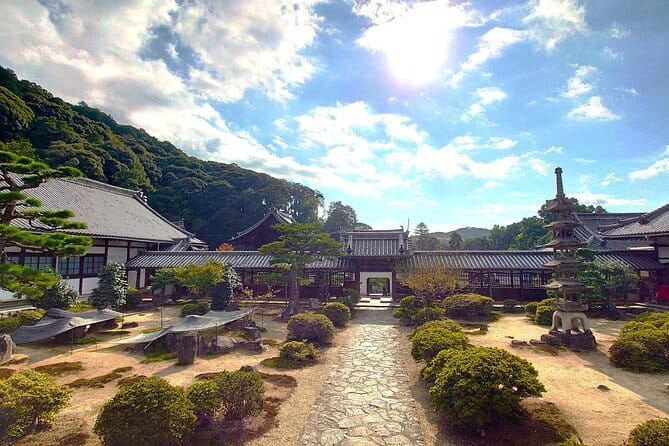
Between shrines and river calm, the tour gives you two visual breaks that make the day feel like a real walk-and-ride itinerary, not a list of buildings.
Stop one is Asagiri Bridge, a quick photo moment over the Uji River. It’s scheduled for about 15 minutes, and admission is free. In practice, this is where you check your framing. The bridge is a simple, classic viewpoint that helps you reset your brain after shrine stops.
Then comes Koshoji Temple (about 30 minutes, admission free). It’s a Zen temple with a history of around 800 years, and the highlight is the Kotosaka slope—a stone path leading from the stone gate up toward the temple grounds. The description emphasizes stone walls shaping that route, which is exactly the kind of architectural detail that’s easy to miss if you’re rushing or arriving by transit without context.
This is also a good time to slow your pace even more. The ride is gentle, but temple grounds reward a slower walking speed. Let your eyes catch up with the guide’s explanations.
Amagase Dam and the river trail: the Kyoto hush
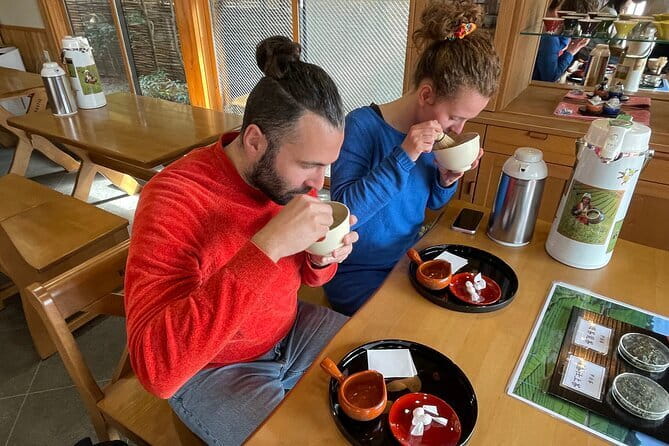
The longest single ride-and-walk stretch is around Amagase Dam. Here you get a nature trail along the Uji River, plus a view from the Amagase Bridge. The description is clear that the valley view feels so tranquil you can forget the bustle of Kyoto.
This stop is scheduled for about 1 hour, with free admission listed. If you want a “real air” moment in your itinerary, this is it. Cycling days can sometimes feel like constant transitions, but this is the one portion where the day shifts toward stillness.
Past groups also highlight riding along shaded paths, especially during hot summer weather. If you’re traveling in warmer months, this river stretch is the part I’d lean on most.
If you’re the type who likes scenery more than speeches, this section still delivers. Even without stopping for every detail, you’ll still get that sense of stepping away from city noise.
Byodo-in Omotesando and your choice to go inside or keep it tea-focused
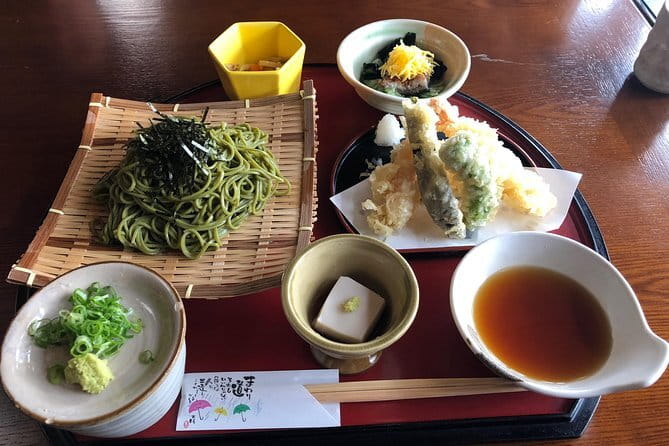
By the time you return toward central Uji, the tour gives you flexibility. The next stop is Byodo-in Omotesando, with roughly 1 hour allocated for the end stretch.
The big option is visiting Byodo-in Phoenix Hall, described as a UNESCO World Heritage Site. The entrance fee is listed as an option of 700 yen. Another option is stopping for a cup of tea in one of Uji’s tea shops.
This is where the earlier learning pays off. If you go inside Byodo-in, you’re bringing matcha and local water/culture context with you. If you skip the paid entrance and go tea-shopping, you still leave with the matcha-focused feel, and you may enjoy more time choosing your own drink and pace.
From what you may hear in past experiences, many people end with a matcha drink as part of the day’s finish. If you’re a matcha fan, you’ll probably appreciate that the last chapter doesn’t just end with a building. It ends with something you can actually taste.
Pace, comfort, and what a 4.5-hour slow ride feels like
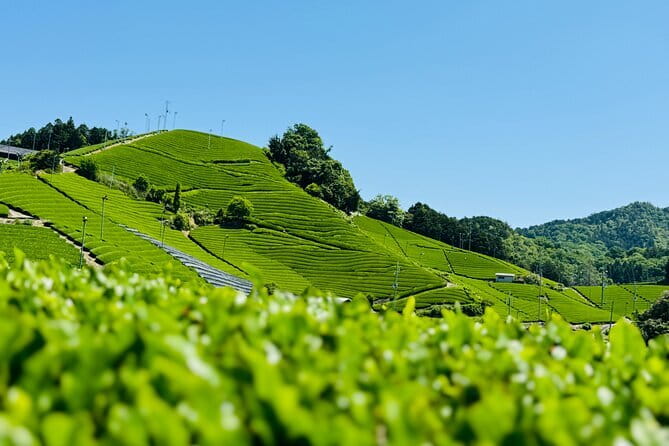
The tour runs about 4 hours 30 minutes and is designed around a relaxed cycling pace. “Slow cycling” here isn’t just marketing. It’s the logic of the itinerary: limited time at each stop, plus the chance to actually stop, look, and ask questions, without feeling like you’re constantly restarting your legs.
Because equipment is included, you don’t have to think about renting a bike or finding a store that’s open at the right time. The bike, helmet, and transport bag are handled, which can save you both stress and money.
You do want to think about your own day comfort, though. Even an easy ride benefits from comfortable clothing, and you’ll walk a bit at shrines and temple paths. If you have mobility limits, you’ll want to check with the provider about the exact walking surfaces and your personal comfort level, but the tour is described as suitable for people who are not confident about fitness.
Food is another comfort factor. Snacks aren’t included, but the navigator will suggest restaurants based on what you prefer. One couple’s lunch stop was vegan and gluten-free, which is a useful signal: if you have dietary needs, tell the guide. You’re more likely to get a practical match than a generic stop.
Price and value: what $130.46 covers (and what it does not)
At $130.46 per person, this tour might look pricey compared to just renting a bike. But the value story is more specific than the headline price.
Included items are not just the bicycle rental. You also get:
- an exclusive navigator fee
- bicycle equipment like helmets and transport bags
- an English guide
That combination changes the experience. With a guide, you’re not left to figure out temple etiquette, what matters at each shrine, or why certain viewpoints are worth stopping at. With a small group and a set day structure, you also avoid spending your time building an itinerary on the spot.
Then there are optional costs:
- Chazuna entrance is offered as an option (600 yen)
- Byodo-in Phoenix Hall entrance is offered as an option (700 yen)
- insurance is listed as optional (500 yen)
A balanced way to think about it: if you choose both optional entrances, your total day spend rises. If you skip one or both, you keep the cost more controlled. Either way, you’re still paying for the guided route and the bike support, which is the real core value here.
Given the consistently high rating and the comments about guides like Takashi, the practical value seems to be in the translation between what you see and what you understand.
Who should book this Uji slow cycling matcha tour
This is a great match if you want:
- a calm way to see Uji without rushing
- matcha tea culture plus temples and shrines in one day
- a small-group experience where you can ask questions
- bike time that feels approachable, not athletic
It’s also a smart choice if you’re short on time. Uji isn’t far from Kyoto, but it’s not always easy to stitch together tea culture stops plus scenic river views on your own without a plan.
You might consider skipping if you want a longer day in Uji or you prefer to travel without a structured route. This isn’t designed as a full day of wandering. It’s a timed, guided experience that hits key points and then lets you choose how to end.
Should you book this tour?
Yes, I’d book it if you like your sightseeing with a guide, you care about matcha context, and you want an easy ride that still feels like you earned the best views. The small group size, included Brompton setup, and the way the day flows from tea education into shrines, temples, and river calm are a strong combo.
Book especially if you’re traveling with dietary needs or you want flexibility at the end. The navigator can suggest where to eat, and the final hour can shift toward Byodo-in or a tea shop depending on what you want most.
One last practical thought: since the experience requires good weather, check the forecast and keep your schedule flexible. If weather becomes a problem, you’ll need to roll with the provider’s alternate arrangements.
FAQ
How long is the Uji slow cycling tour?
The tour lasts about 4 hours 30 minutes.
What does the tour price include?
It includes bicycle rental, an exclusive navigator fee, riding equipment such as helmets and bags for wheeled transport, and an English guide.
Are entrance fees included for all stops?
No. Chazuna entrance is an optional 600 yen, and Byodo-in Phoenix Hall entrance is an optional 700 yen. Uji Shrine, Ujigami Shrine, Asagiri Bridge, and Koshoji Temple are listed as free.
What is the tour group size?
The tour has a maximum of 6 travelers.
Where is the meeting point?
The start is at Chatsubo PostboxJapan, Kyoto, Uji, Umonji 1716 near Uji Station. The tour ends back at the meeting point.
What time does it start?
The start time is 10:00 am.
Do I need to bring my own bike or cycling gear?
No. The bicycle and riding equipment are provided.
Is the tour dependent on weather?
Yes. The experience requires good weather. If it’s canceled due to poor weather, you’ll be offered a different date or a full refund.