REVIEW · JOHANNESBURG
bicycle tour soweto
Book on Viator →Operated by Virgio Tours · Bookable on Viator
Soweto makes more sense on two wheels. On this guided bike ride from Johannesburg, you’re not just commuting through neighborhoods—you’re rolling past landmarks tied to Nelson Mandela and other key figures, with a guide who puts the Apartheid-era stories into everyday street context.
The one thing to watch is the bicycle condition. One past booking flagged working issues, and since this ride is about pedaling smoothly for hours, it’s smart to do a quick check at pickup before you commit.
What I really like is how efficient it feels: you cover a lot of Soweto stops in about 3 hours, without trying to read a map while traffic, turns, and local details keep changing. That guided flow plus bottled water and a helmet makes the day feel manageable, not stressful.
In This Review
- Key highlights at a glance
- Pedaling through Soweto’s key names and places
- Price and value: what $80.75 buys you
- Getting there smoothly: pickup, private group, and timing
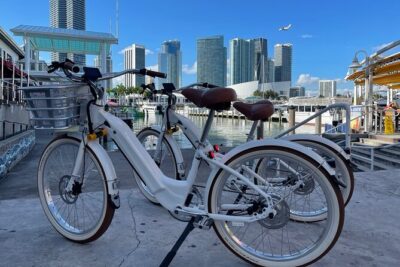
- The bike setup: helmets, water, and a quick bike check
- Stop 1: Hector Pieterson Museum and Memorial area
- Pedaling past Mandela, Winnie Mandela, and Desmond Tutu’s legacy
- Orlando Soccer Stadium, Orlando Towers, and neighborhood context
- Orlando West High School and the 1976 student uprisings
- Off-bike time: township alleyways and meeting people
- What you’re likely to get from the guide (and what to ask)
- Logistics in the real world: fitness, pace, and group feel
- A balanced view: the pros and the one thing to keep an eye on
- Who should book this Soweto bike ride
- Practical tips to make your day smoother
- Should you book bicycle tour Soweto?
- FAQ
- How long is the Soweto bicycle tour?
- What does the tour cost?
- Is pickup included?
- Do I need to bring a helmet or water?
- Are entrance fees included?
- Is this a private tour or shared with others?
- Does the guide handle navigation so I don’t get lost?
- What’s the cancellation policy if plans change?
- Is the tour suitable for most people, and are service animals allowed?
Key highlights at a glance

- Mandela and Tutu context on the route: you cycle past former homes linked to both Nelson Mandela and Archbishop Desmond Tutu
- Hector Pieterson Museum start: you begin with a strong anchor point for what the Soweto uprising meant
- Orlando West High School focus: the guide explains the 1976 student uprisings as you move through the area
- Quick, no-map site coverage: the pace is built for seeing key places without getting lost
- Stops with off-bike moments: the ride can include time to get off and walk through township alleyways
Pedaling through Soweto’s key names and places
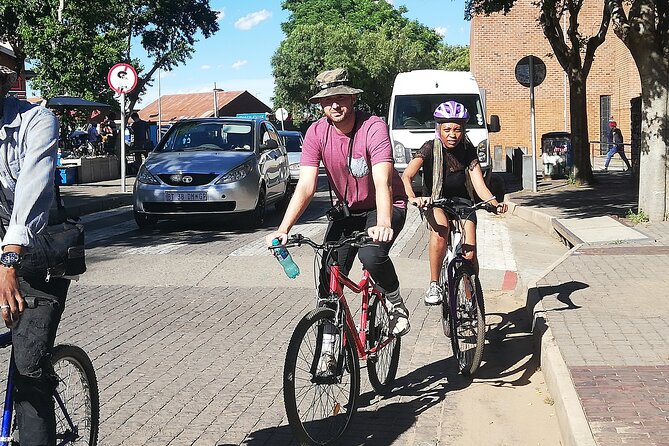
Soweto is huge in reputation, and it can also feel huge in practice. This kind of bike tour is built for people who want clarity fast: where you are, why it matters, and how today’s streets connect to what happened here.
The big appeal is the human story thread. As you cycle, your guide links named figures and major events—like the legacy of Nelson Mandela and Archbishop Desmond Tutu—to the physical places you’re passing. In interviews and on-the-ground commentary from guides, you’ll often hear how these stories weren’t happening in a vacuum. They were tied to schooling, community life, and the daily routines of people living under Apartheid.
And yes, you’re also getting real motion. Pedaling is a good way to experience a neighborhood beyond a quick stop-and-go bus ride. It naturally slows you down just enough to notice details, then moves you on before you get stuck in decision fatigue.
You can also read our reviews of more tours and experiences in Johannesburg.

Price and value: what $80.75 buys you
At $80.75 per person for a roughly 3-hour tour, the value isn’t just the bike. You’re also paying for:
- round-trip transportation to Soweto
- a guide (not a self-guided audio tour)
- bottled water
- helmet
- entrance fee
For many first-timers, the transportation + guided context is where the money starts to make sense. You’re not trying to figure out transit timing, parking, or route choices on your own. You also avoid spending time later trying to stitch together what you saw with what it meant.
One small note from the tour setup: gratuity/tips aren’t included. So if you want the guide to feel appreciated for the effort, you should plan a tip in your budget.
Getting there smoothly: pickup, private group, and timing
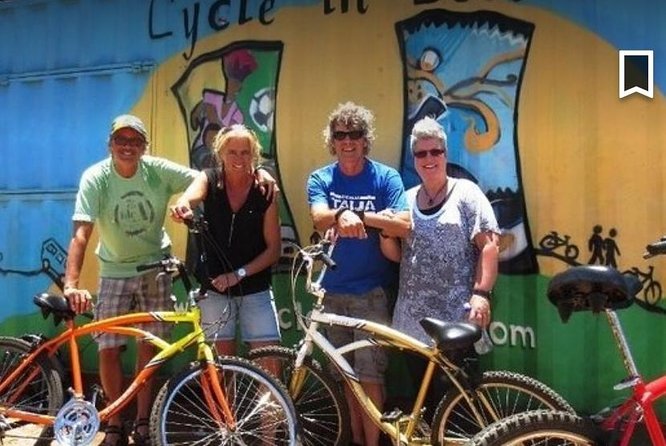
This experience offers pickup, and it includes round-trip transportation. That matters in Johannesburg, where getting from your lodging to the right starting point can be the most annoying part of the day.
It’s also described as a private tour, meaning only your group participates. That’s a practical advantage: you can ask questions without a crowd rhythm taking over the conversation.
The timing is typically booked about a month in advance on average, which suggests people plan it as a core activity rather than an optional add-on. With that in mind, I’d treat it like a scheduled commitment—not a flexible “maybe we’ll make it” outing.
Practical caution: one negative note mentioned a late driver and backup changes. That doesn’t mean it will happen to you, but it’s a reminder to leave buffer in your day plan. If your other plans are tight, schedule something easy later.
The bike setup: helmets, water, and a quick bike check
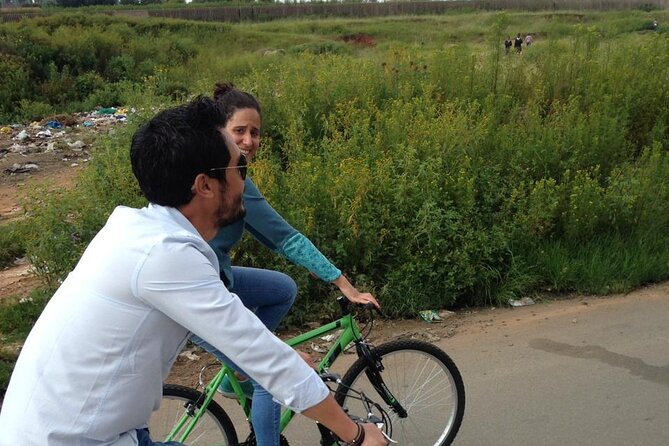
You don’t have to bring your own helmet. It’s included, and bottled water is provided. That’s not just comfort—it keeps your attention on the commentary and the streets rather than on handling thirst, sun, or distraction.
The one area you should manage yourself is bike readiness. Since one earlier rider reported bikes weren’t in good working condition, I’d do a fast check when you receive the bicycle:
- test the brakes before you start riding
- check tire feel (no obvious wobble or major softness)
- confirm your seat height feels right for your legs
It’s simple. It also protects you from wasting energy later or ending up stuck off to the side if something feels off.
Stop 1: Hector Pieterson Museum and Memorial area
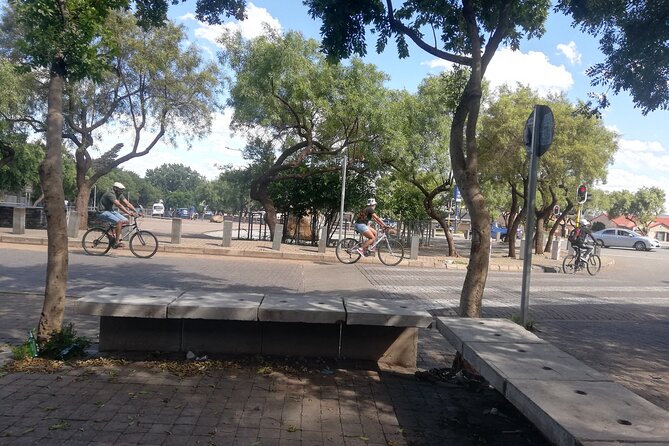
Your ride starts with the Hector Pieterson Museum and Memorial area. This is a strong anchor point because it sets the emotional and historical frame for what you’ll hear later as the route connects to schooling, protest, and community impact.
From there, the guide moves you through the Orlando area as you pick up speed—cycling past places tied to the neighborhood’s everyday life and public spaces. Along the way, you’ll get commentary on the local schooling system, and you may also visit a hostel for mineworkers.
That mineworker hostel angle is important. It helps you see the social structure underneath the famous names. When your guide talks about schools, protest, and the 1976 uprising, you’ll understand it as something rooted in lived conditions—not just headlines.
Potential drawback: museum memorial zones can be emotionally heavy. If you’re sensitive to that, give yourself permission to take breaks when the group stops. Off-bike moments are a normal part of this kind of tour, and you’ll want to regulate your own pace.
Pedaling past Mandela, Winnie Mandela, and Desmond Tutu’s legacy
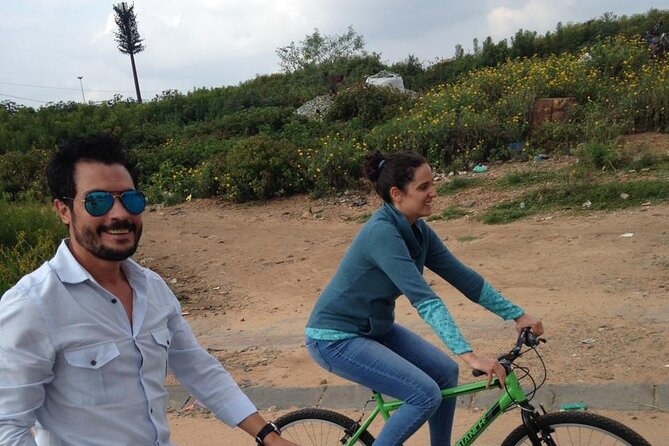
One of the tour’s strongest promises is a cycle past key homes tied to major figures—specifically Nelson Mandela and Archbishop Desmond Tutu. The guide also brings Winnie Mandela into the story.
This is where the “bike” part really earns its keep. Seeing the outside of these sites while moving through the neighborhood helps you connect history to geography. It’s the opposite of reading about Apartheid from far away. You’re physically close to the spaces where life, decisions, and community pressures played out.
A helpful detail here: the guide is leading you, so you don’t have to stress about navigation. In Soweto, streets and turns can feel unfamiliar even when you’ve done your homework. A guided flow lets you keep your focus on listening, not searching.
One more thing: because this is a guided tour, your experience will depend on the guide’s style. Some guests highlighted guides like MK as amazing hosts who brought facts with real emotion and passion. If you’re the type who likes story plus context, you’ll probably appreciate the way the guide connects people to place.
Orlando Soccer Stadium, Orlando Towers, and neighborhood context
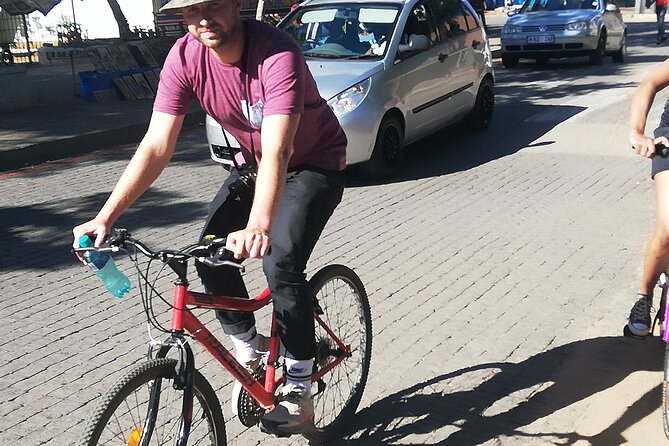
As you cycle through the Orlando area, you’ll pass landmarks such as the Orlando Soccer Stadium and Orlando Towers. These stops are not random photo opportunities. They help paint a broader picture of Soweto as a lived-in community.
Sports venues, towers, and public sites show how daily life continued alongside political conflict. When your guide talks about schooling and protest, it’s easier to hold the bigger picture: people weren’t living in one-note slogans. They were working, gathering, studying, cheering, and arguing—often all in the same day.
This is also one of those rides where the “coverage” matters. You’re moving from stop to stop with enough time to make sense of them, but not so much time that you drift into boredom. It’s a good balance for first-time visitors who want a fast orientation.
Orlando West High School and the 1976 student uprisings
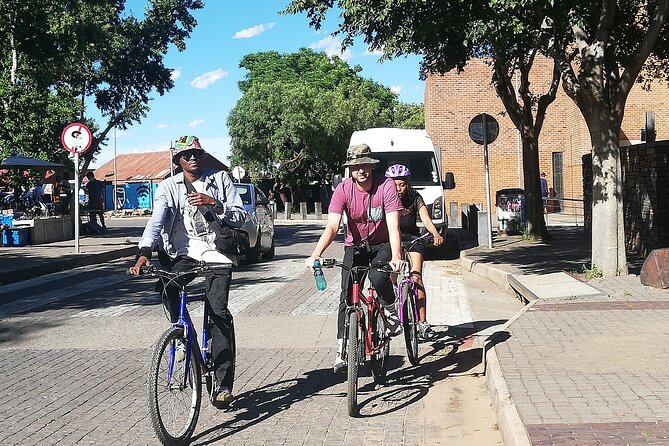
A major thematic highlight is Orlando West High School, where the guide explains the student uprisings from 1976.
This is the moment the tour shifts from place-based context to event-based meaning. Since schooling is part of the route commentary earlier, the uprising discussion doesn’t come out of nowhere. You’ll likely understand it as a reaction to the schooling system, pressures on young people, and the limits placed on freedom and opportunity.
Important practical note: event-era historical talk can be intense. If you prefer lighter travel days, this one may feel heavy. But if you want to understand Soweto in a serious way—without turning it into a lecture—you’ll likely find the bike format makes the experience easier to absorb than a stop-by-stop bus tour.
Off-bike time: township alleyways and meeting people
Some guests describe getting off the bikes for a guided walk through narrow township alleyways. That short walking segment can be a turning point because it changes your pace from “moving through” to “seeing how people live around you.”
In at least one account, the tour also included time to enter a local resident’s home and meet the family. That’s exactly the kind of contact that turns a landmark tour into a human exchange.
That said, experiences like home visits can vary by timing and local conditions. If that element matters to you, it’s worth asking the day-of (or when confirming your booking) what the plan includes for your specific departure.
What you’re likely to get from the guide (and what to ask)
The guide is central to why this tour works. You’re not just rolling past buildings; you’re hearing stories with explanations.
Based on the feedback, guides like MK stand out for mixing factual detail with passion and emotion. Even when you know the names already, the guide helps you connect them to neighborhood reality.
Before you start, I’d ask two simple questions:
- What part of the Apartheid story should I focus on most today—figures, schooling, or the uprising?
- How much of the route involves off-bike walking stops?
Those questions help you manage your energy and set your expectations.
Logistics in the real world: fitness, pace, and group feel
This is a bike tour, so you should assume you’ll do real work for about three hours. The pace is built around seeing key points, not racing. Still, if you don’t like cycling, or if your legs need a slower start, plan to take it gently early on.
On the comfort side, water and helmets are provided. That’s a win, especially in warm conditions or if the route is more sun-exposed than you expect.
Because it’s private, the group dynamic is simpler. You can move at a sensible pace together without trying to match strangers’ comfort levels.
A balanced view: the pros and the one thing to keep an eye on
Let’s call it straight.
Strong points
- You cover a lot of important Soweto stops efficiently.
- The guided storytelling ties named figures and major events to real places.
- Bottled water, helmet, and entrance fees being included removes a bunch of hassle.
One thing to consider
- Bike condition and punctuality can matter. One prior review reported bike problems and a driver delay. Do your bike check right away, and keep a little buffer in your day.
If you’re comfortable managing those two points, the rest looks like solid value for a first Soweto outing.
Who should book this Soweto bike ride
This tour fits best if you:
- want a first visit to Soweto that feels structured but still human
- like historical context explained in plain language while you move
- want to see major names and major event themes (like the 1976 uprisings) without a car ride that keeps everything distant
It may not be ideal if you:
- can’t handle bike riding for an extended period
- strongly prefer a fully museum-and-indoor day
- expect perfect punctuality with no risk of operational delays (tour services can vary)
Practical tips to make your day smoother
A few small things that will help:
- Dress for heat and for short walking breaks.
- Bring a simple layer in case the morning or evening air feels cooler.
- When your bike arrives, do that quick brake/seat check before rolling out.
- If you’re sensitive to heavy topics, plan a calm mindset for the museum and memorial area.
And mentally: treat this as a guided education built around place. If you show up ready to listen, you’ll get more than just photos.
Should you book bicycle tour Soweto?
If your goal is to understand Soweto’s Apartheid-era significance using real geography and real stories, this is a smart buy. The inclusion of transportation, a guide, entrance fees, and basic comfort items (helmet and water) makes it easier to commit to than DIY planning. The private-group setup also keeps the experience calm and question-friendly.
My recommendation: book it if you want a structured first-time orientation that still feels personal. Keep a little buffer for timing, and do a quick bike check immediately. With that, you’ll spend your time where it matters—on the route, with the context, and with enough stops to make the story stick.
FAQ
How long is the Soweto bicycle tour?
The tour lasts about 3 hours.
What does the tour cost?
It costs $80.75 per person.
Is pickup included?
Yes, pickup is offered, and round-trip transportation to Soweto is included.
Do I need to bring a helmet or water?
No. A helmet and bottled water are included.
Are entrance fees included?
Yes. The entrance fee is included.
Is this a private tour or shared with others?
It’s listed as a private tour/activity, so only your group participates.
Does the guide handle navigation so I don’t get lost?
Yes. You follow a guide who leads the way.
What’s the cancellation policy if plans change?
You can cancel for free up to 24 hours in advance for a full refund. If you cancel less than 24 hours before the start time, the amount paid is not refunded.
Is the tour suitable for most people, and are service animals allowed?
Most travelers can participate, and service animals are allowed.