REVIEW · JOHANNESBURG
Guided Bicycle Tour of Soweto with Lunch
Book on Viator →Operated by One Day Africa · Bookable on Viator
Soweto hits different when you pedal through it. This half-day guided bike tour keeps you close to everyday streets while connecting the places you see to the people who pushed apartheid toward collapse, with a traditional kota lunch to keep you going. You’ll cover more ground than a walking tour, but you still get the street-level feel of Johannesburg’s south.
I love that the tour puts context where it belongs: in homes, hostels, and women’s leadership—not just big-name statues. I also like the pacing, with short stops like Phomolong and Mzimhlophe followed by a longer look at Vilakazi Street, so you get both story and atmosphere, and you stay fueled with a deep-filled kota sandwich.
One thing to plan for: this ride is hilly. And while some bikes are better set up than others, you should expect a workout, especially if you get placed on a bike with fewer gear options.
In This Review
- Key highlights to look forward to
- A half-day Soweto ride that teaches you how it felt
- Your bike, your fitness level, and why hills matter
- Phomolong and Mzimhlophe: seeing apartheid’s impact at street level
- Nkungu Street and Mama Lillian Mgoyi’s home: women at the center
- Hector Pieterson Museum and Memorial: the 1976 youth uprising
- Orlando Stadium: football legacy, rebuild, and public pride
- Mandela House and Vilakazi Street: Nobel Peace Prize real estate
- Biking around Soweto: getting the daily-life texture
- Orlando Police Department: the city’s institutions, explained
- Lunch at Local Burger: a deep-filled kota that keeps you rolling
- Price and value: is $45.70 a fair deal?
- Who should book this Soweto bike tour
- Should you book this guided bicycle tour of Soweto with lunch?
- FAQ
- How long is the Guided Bicycle Tour of Soweto?
- What’s included in the price?
- Do I need to pay entrance fees during the tour?
- Where does the tour start and end?
- Is pick-up or drop-off included?
- Can I cancel and get a full refund?
Key highlights to look forward to

- Vilakazi Street on two Nobel Peace Prize lives: see where Mandela lived and learn why this street matters
- Women’s anti-apartheid stories, in real spaces: Mzimhlophe and Lillian Mgoyi’s home
- Hector Pieterson Museum and Memorial for the 1976 uprising: a focused stop that sets the era
- Short, well-timed history stops: Phomolong, Nkungu Street, then straight into the ride
- Orlando Stadium and its modern rebuild details: capacity, suites, and the sports legacy
- Kota lunch included: Local Burger (kota) plus bottled water to keep energy up
A half-day Soweto ride that teaches you how it felt
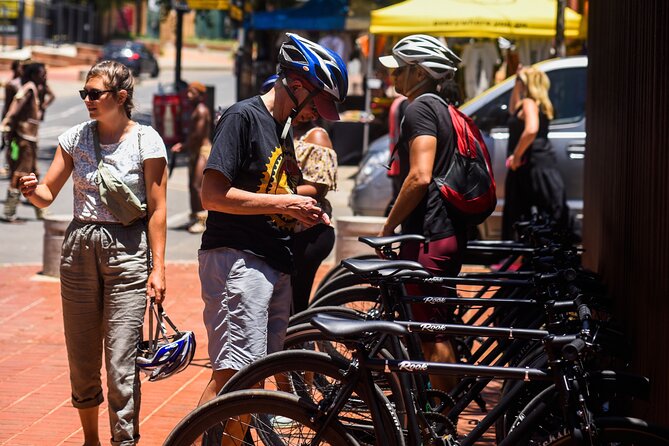
Soweto isn’t just a list of famous names. When you cycle through it with a guide, you get the sense of how apartheid shaped real daily life—where people lived, worked, and organized. The tour keeps you grounded in the city street grid, so the story doesn’t float off into theory.
I like that the tour focuses on people, not just politics. You spend real time at places tied to domestic workers and women’s activism, including Lillian Mgoyi, and you connect those stories to bigger moments like the 1976 youth uprising. It’s also built for efficient touring: about four hours, bike and helmet provided, and lunch included so you’re not hunting for food mid-ride.
You can also read our reviews of more tours and experiences in Johannesburg.

Your bike, your fitness level, and why hills matter
This is a bike tour, and Soweto has hills. The route is designed to show you neighborhoods, but that also means you’ll be climbing and descending as part of the experience. If you’re the type who only rides on flat paths, plan to work within your comfort level and take the hills slowly.
The good news is that the ride is guided and the group stays small, with a maximum of 15 people. Also, helmets and bottled water are included, which makes it easier to travel light. Still, do yourself a favor and wear sun protection—one practical tip that comes up again and again is bringing a cap and sunscreen for the day.
Bike gear quality is the one wildcard. Some groups report newer bikes with gears that make climbing easier, while others mention single-speed bikes that can be tougher on steep stretches. If hills are your weak spot, consider asking when you book what kind of bike you’ll be riding.
Phomolong and Mzimhlophe: seeing apartheid’s impact at street level
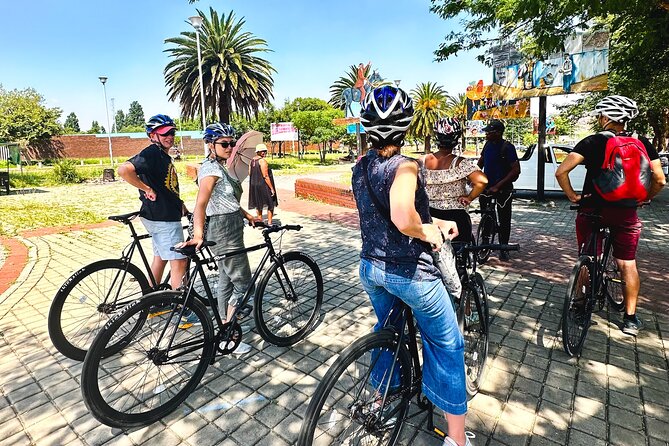
The tour starts with a storytelling stop in Phomolong, where you’ll hear about different family generations and how apartheid affected everyday life. This isn’t a lecture that stays in the past. It’s set up to help you understand how Soweto has changed since then, which makes the rest of the ride land better.
Next comes Mzimhlophe, a visit to the only former women’s residential hostel in Soweto. This is where you learn about domestic workers who lived in the hostels while working in Johannesburg’s suburbs. It’s a strong reminder that oppression wasn’t only enforced through laws and violence—it also shaped who could live where, and under what conditions.
A practical note: these early stops are short, so come ready to listen and take in details without expecting long museum-style time. The payoff is that you get moving again and the day doesn’t stall.
Nkungu Street and Mama Lillian Mgoyi’s home: women at the center
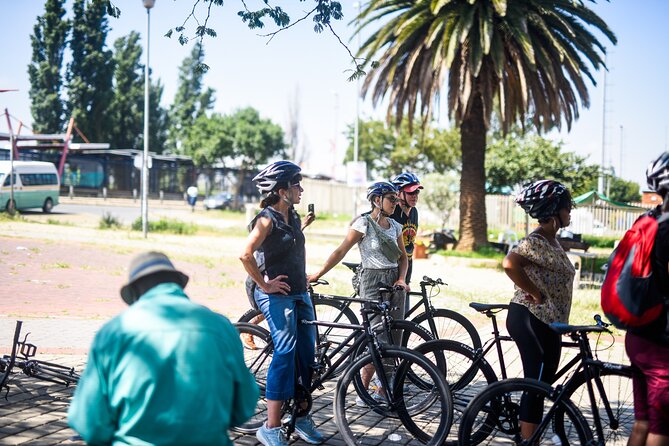
At Nkungu Street, you visit Mama Lillian Mgoyi’s home, and that’s where the tour shifts gears into women’s leadership. You’ll learn about her role as an anti-apartheid activist and President of the Women’s League, and you’ll connect her activism to one of the most hated apartheid systems: pass laws that required women to carry passbooks.
This stop lasts about 10 minutes, so think of it as an anchor moment. The point isn’t to memorize a biography; it’s to see how activism spread through people and organizations, including women who weren’t always centered in the headlines. If you care about how movements are powered by everyday courage, this is one of the places you’ll remember most.
Hector Pieterson Museum and Memorial: the 1976 youth uprising
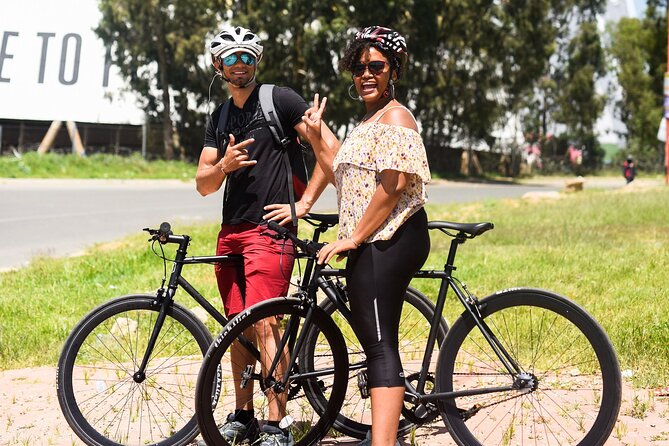
The Hector Pieterson Museum and Memorial stop focuses on the 1976 youth uprising. Even with only about half an hour here, it gives you a clear time marker for why Soweto became such a symbol—and why the struggle drew international attention.
I like that this stop doesn’t feel like an isolated tragedy. It’s placed in the route after you’ve already heard how apartheid affected family life and how women organized against the system. That sequencing helps you understand why these events mattered to so many people, not just to one generation.
If you’re sensitive to heavy topics, pace yourself here. You’ll be cycling afterward, so it helps to take a few moments to process before you get back on the bike.
Orlando Stadium: football legacy, rebuild, and public pride
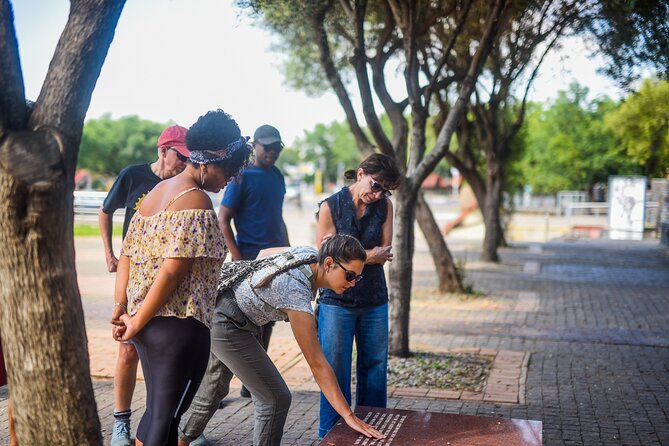
Then you ride into Orlando Stadium, known for decades of sports culture. The tour’s visit window is short, about 10 minutes, and admission isn’t included for the stop, so treat it as a sight-and-story stop rather than a full stadium event.
What stands out is the modern rebuild. The stadium was demolished and rebuilt from scratch at a cost of R280 million, and the new version has a capacity crowd of 37,139. It also includes 21 hospitality suites, two open hospitality areas, conference rooms, a gymnasium, and a 200-seater auditorium. That mix tells you something important: this stadium is both a community landmark and a major events venue now.
If you’re into football, you’ll probably spot why the stadium matters beyond sport. It’s part of local identity—something people rally around.
Mandela House and Vilakazi Street: Nobel Peace Prize real estate
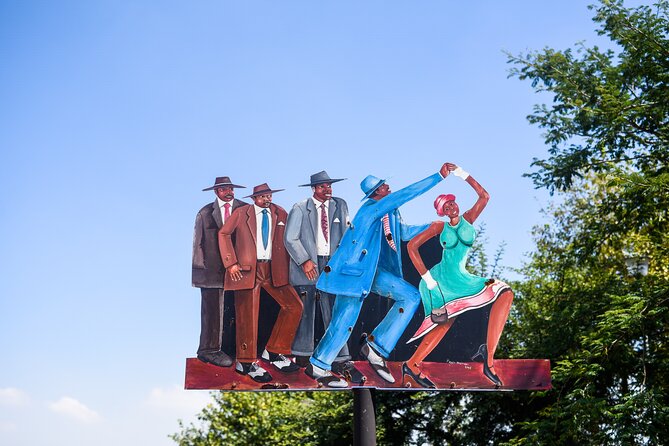
Next is Mandela House, the famous home of Nelson Mandela. This is about 30 minutes, and here’s the key budgeting detail: the entrance fee is R60 and isn’t included in the tour price. If you want to prioritize time at Mandela House, plan to bring cash or a card that works for local ticketing.
After that, you’ll spend about 40 minutes on Vilakazi Street, a rare place where two Nobel Peace Prize winners lived. This is one of the stops that feels both historical and present-day because the area is still a lived-in street. You’ll walk away with a stronger sense of why the street has become such an important reference point.
A small practical tip: because Vilakazi Street is a street experience, not just a single building, it’s smart to keep your phone charged and your camera ready. The story is tied to what you can see and move through.
Biking around Soweto: getting the daily-life texture
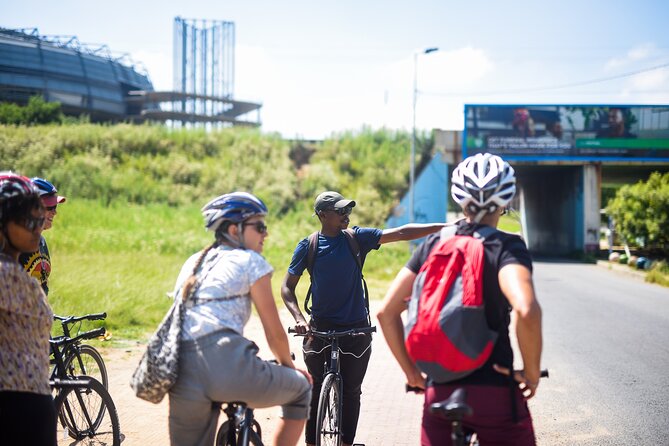
There’s a segment where you simply bike around the township—time set aside for the ride itself. This is valuable because Soweto isn’t only its monuments. Cycling gives you a sense of spacing, street life, and how different areas feel as you pass through.
This is also where you’ll likely feel the social rhythm of the place. In the reviews, the vibe is described as warm and friendly, with people greeting the group as you move along. One practical note from that same feedback: some guides have been known to share small treats like candy during the ride, so if you want to do anything like that, follow the guide’s lead and ask what’s appropriate.
Orlando Police Department: the city’s institutions, explained
The final notable stop is Orlando Police Department. It lasts about 10 minutes, and admission isn’t included for the stop. Here, the tour gives you a view of how institutions operate as the city grows.
You’ll hear that the OPD was formed in 1875 and has evolved over time to meet the needs of a growing Johannesburg. You’ll also learn that it employs over 800 sworn officers and more than 150 civilian employees serving citizens through different functions. It’s a different kind of history stop—more systems-focused than memorial-focused—and that balance helps round out the day.
Lunch at Local Burger: a deep-filled kota that keeps you rolling
The tour includes lunch at Local Burger (kota) plus bottled water. A kota sandwich is the kind of food that works perfectly on a bike tour: hearty, filling, and built for eating without slowing down your whole day.
Since the sandwich is described as deep-filled, expect a real meal rather than a light snack. One helpful detail from the experience: groups say lunch is generous and satisfying, which matters when you’ve got hills waiting after you eat.
You might also run into an optional beer selection at lunch through the Soweto brewery, but alcohol is not listed as part of the included package. If you want to drink, double-check with your guide on the day.
Price and value: is $45.70 a fair deal?
At $45.70 per person, this is priced as a half-day guided experience with meaningful inclusions: bicycle and helmet, bottled water, and lunch. When you factor that in, the cost starts to look reasonable, especially since you’re not paying separately for most of the stops.
The main extra expense to watch is Nelson Mandela House, which has an R60 entrance fee not included. Orlando Stadium and Orlando Police Department are listed with admission not included as well, so if you want inside access beyond the scheduled viewing, you may need to cover additional charges on the spot.
Where this really becomes good value is the mix of perspectives. You get a structured route across multiple key sites, plus the human-scale stories about women’s lives under apartheid and activism led by people like Lillian Mgoyi. If your goal is to understand Soweto beyond the headlines, the guide time is doing real work for your money.
Also, the group size cap of 15 helps. Smaller groups generally mean less waiting, more time to ask questions, and a smoother ride on hills.
Who should book this Soweto bike tour
This tour is a strong fit if you want an active way to learn, and you enjoy history tied to real places. It also suits groups who like structure but don’t want to spend the entire day indoors.
You’ll probably love it if:
- You want to cover more than a walking tour while staying close to the streets
- Women’s leadership in the anti-apartheid struggle is a focus for you
- You’re comfortable riding in hilly terrain for about four hours total
Consider another option if you:
- Have limited biking ability or struggle with steep hills
- Prefer a completely flat, low-effort sightseeing day
- Don’t want to pay the extra entrance fee for Mandela House
Should you book this guided bicycle tour of Soweto with lunch?
If you’re choosing between a basic overview and something that connects names to specific places, I’d lean toward booking. The tour’s biggest strength is that it mixes key locations—Vilakazi Street, the Hector Pieterson Memorial, and Mandela House—with equally important stops that highlight women’s lives and organizing under apartheid.
Just go in prepared for the ride. Bring a cap and sunscreen, plan for climbing, and keep in mind that Mandela House has an extra R60 entrance fee. If you do those three things, this is a memorable way to understand Soweto in a few hours without losing the street-level feel.
FAQ
How long is the Guided Bicycle Tour of Soweto?
It runs for about 4 hours.
What’s included in the price?
The tour includes lunch (Local Burger kota), a bicycle and helmet, and bottled water.
Do I need to pay entrance fees during the tour?
Most stops are listed as free, but Nelson Mandela House has an entrance fee of R60 that is not included. Some other stops also note admission not included.
Where does the tour start and end?
You start at 7346 Kumalo St, Orlando West, Johannesburg, 1804, South Africa, and the tour ends back at the meeting point.
Is pick-up or drop-off included?
No pick-up and drop-off is included.
Can I cancel and get a full refund?
Yes. You can cancel for a full refund if you cancel at least 24 hours before the experience starts. If you cancel within 24 hours, the amount paid is not refunded.