REVIEW · HOI AN
Countryside Bicycle To-Trà Quế village,Carpentryvillage,makingMat
Book on Viator →Operated by Hoi An Eco Tours Discovery · Bookable on Viator
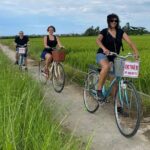
Bike routes here beat sightseeing buses. You’ll pedal through rice fields, then swap to a boat for slower views of Hoi An’s countryside. It’s a hands-on half day that trades temples and malls for working villages and everyday skills, with bicycle time and a 45-minute boat ride built in.
I love the mix of practical, local workshops—carpentry, rice noodle making, and lantern and sleeping mat sessions—so you’re not just watching from the roadside. I also like the smooth structure: hotel pickup and drop-off plus tickets, lunch, and water bundled into one $29.99 price tag.
One consideration: this tour asks for moderate physical fitness. You’ll ride and walk, and the experience is weather-dependent, so if you’re not comfortable with that pace, it may feel like a lot for a “sit and relax” day.
In This Review
- Key highlights at a glance
- Why riding bikes and boats around Hoi An feels different
- Price and logistics: what $29.99 covers in real terms
- Kim Bong Carpentry Village: boat-building work you can actually see
- Tra Nhieu Fishing Village: learning traditional methods, not just watching boats
- Tra Que Vegetable Village: herbs, greens, and a more flavorful kind of calm
- The hands-on extras: lantern making, sleeping mats, and rice noodles
- Lantern making class
- Weaving sleeping mats
- Rice noodle making
- Lunch and tea breaks: where the day slows down on purpose
- Bike-route tips: riding in rural Hoi An without getting stressed
- Timing and pacing: a half-day that still feels full
- Who should book this tour (and who should skip it)
- Should you book it?
- FAQ
- What is the duration of the tour?
- Is hotel pickup and drop-off included?
- What does the price include?
- Do I need to bring my own bicycle?
- What activities are included besides biking?
- How fit do I need to be?
- If the weather is bad, what happens?
Key highlights at a glance
- Hotel pickup and drop-off keeps your morning stress low
- Kim Bong carpentry village shows boat-building work up close
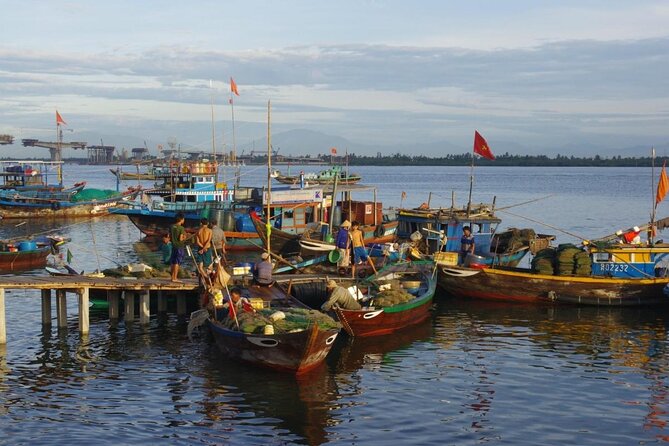
- Tra Nhieu fishing village focuses on traditional methods, not just scenery
- Tra Que vegetable village brings you into herb and greens growing culture
- Lantern making and sleeping mat weaving turn the day into something you keep
Why riding bikes and boats around Hoi An feels different
Hoi An is famous for its old streets, but the real “wow” here can be how ordinary the countryside looks up close. You get rice paddies, small lanes, and the pace of people working with their hands. A bicycle tour is key because it moves at human speed. You notice details: the way a village lane bends, the little stands selling snacks, and how different each stop feels once you dismount.
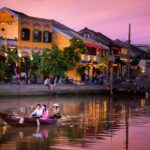
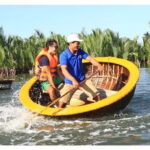
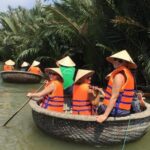
The boat portion matters too. Cycling brings you close to farmland textures. Then the water slows everything down. That switch helps the day feel balanced. Instead of being stuck on the bike for six hours straight, you get a scenic break that’s long enough to reset your brain.
And yes, there’s a practical side. With pickup and scheduled stops, you’re not trying to solve transport puzzles while your vacation time slips away.
You can also read our reviews of more tours and experiences in Hoi An.

Price and logistics: what $29.99 covers in real terms
At $29.99 per person for about 6 hours, this is priced like a “real day out,” not a quick half-hour gimmick. The best value isn’t just the bike ride. The price includes a lot of the stuff that usually costs extra when you book piecemeal:
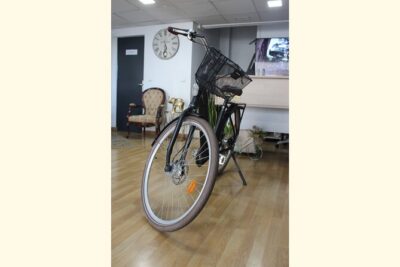
- Bicycle use
- Admission tickets to the included sites
- A traditional Vietnamese lunch (with vegetarian request available)
- Bottled water plus coffee and/or tea
- A set of hands-on activities: lantern making, rice noodle making, and weaving sleeping mats
- A guided experience in English
They also cap the group size at 20 travelers. That’s the difference between feeling like a herd and actually being able to hear your guide and ask questions.
The only big “not included” item is private transportation. If you’re a solo traveler or you’re staying somewhere awkward to reach, it may be worth arranging your own car or taxi separately. But if you’re in central Hoi An and pickup works for you, this setup is built to keep the day simple.
Also: the tour uses a mobile ticket. That’s small, but it helps when you’re moving around with limited time.
Kim Bong Carpentry Village: boat-building work you can actually see
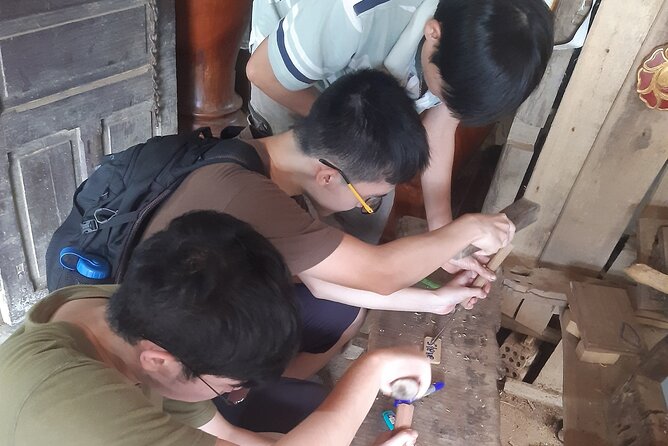
The Kim Bong carpentry segment is the part that tends to surprise people who expect only fields and photos. You’re not just passing through. You get an hour to explore the carpentry village and see the machinery-and-skill side of daily life, especially the boat-building business.
What makes this stop meaningful is the “working place” feel. Carpentry villages often get treated like museums. Here, the emphasis is on the practical craft: how boats are made for local life and how woodwork fits into a local economy. You’ll cross immense rice fields en route, so you get the contrast—wide farmland views first, then tight workshop attention.
A small drawback: if you’re hoping for a lot of freestyle wandering, this is more of a guided “show me how it works” stop. Plan to listen more than to roam.
Tip for making the most of it: bring your curiosity. Ask your guide how the work ties to the river and fishing rhythm around Hoi An. The answers usually connect the dots between the carpentry and the later fishing village.
Tra Nhieu Fishing Village: learning traditional methods, not just watching boats
After the carpentry stop, the day shifts gears toward the people who depend on water. In the Tra Nhieu fishing village segment, you’ll get a rural cultural look at life shaped by water and work schedules.
This is a good stop for anyone who likes learning how communities function. Instead of generic sightseeing, you’re guided through traditional fishing methods and local routines. You’ll also have time in the countryside environment long enough to feel less like you’re “touring” and more like you’re passing through someone’s neighborhood.
One practical thing to know: the route design means you spend a good chunk of time moving between locations and activities. That’s why the tour lists moderate physical fitness as a requirement. It’s not a hardcore cycling challenge, but it’s not a casual stroll either.
If you’re the type who likes asking questions, this is where your guide can be especially helpful. A good guide makes sure you understand what you’re seeing—why certain tools are used, and what life looks like when fishing is a daily craft rather than a once-a-year activity.
Tra Que Vegetable Village: herbs, greens, and a more flavorful kind of calm
Tra Que vegetable village adds a “ground level” contrast to the water-and-wood focus earlier in the day. Here, your experience leans toward agriculture and food culture.
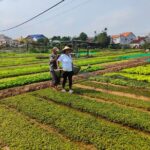
You’ll take a pleasant walk through the garden area and learn about different culinary herbs and vegetables. That learning matters because you’ll connect the herbs to what you later eat. Even if you’re not a super “plant nerd,” it helps you see how people grow flavor as a craft, not just as a product trucked in from somewhere else.
This is also a nice moment in the schedule because it’s shorter than the earlier segments. You get the benefit of a structured stop without the day getting too drawn out.
Potential drawback: if you hate walking on uneven or garden-like paths, wear shoes with decent grip. The tour doesn’t describe it as rugged, but village grounds are often not smooth like a city sidewalk.

The hands-on extras: lantern making, sleeping mats, and rice noodles

This is where the tour becomes more than transport between photo stops. You’re not only looking. You’re doing.
Lantern making class
You’ll participate in a lantern making class, which is fun because it shifts you from “observer” to “maker.” It also works well for couples and first-timers—easy to join, and your guide can help you keep things moving.
Weaving sleeping mats
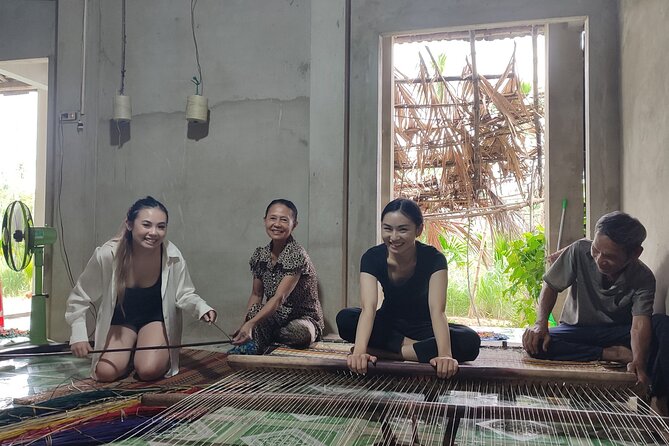
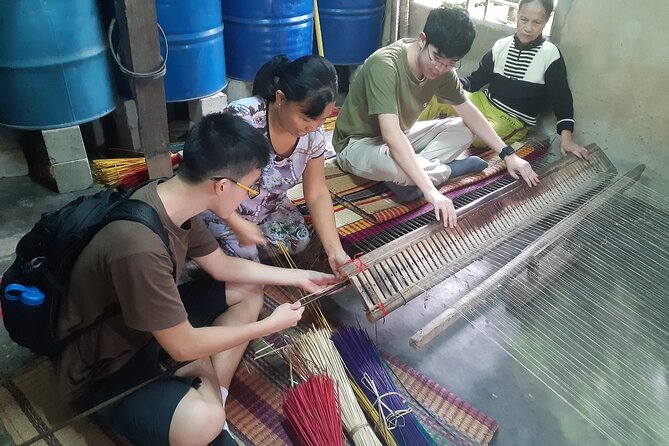
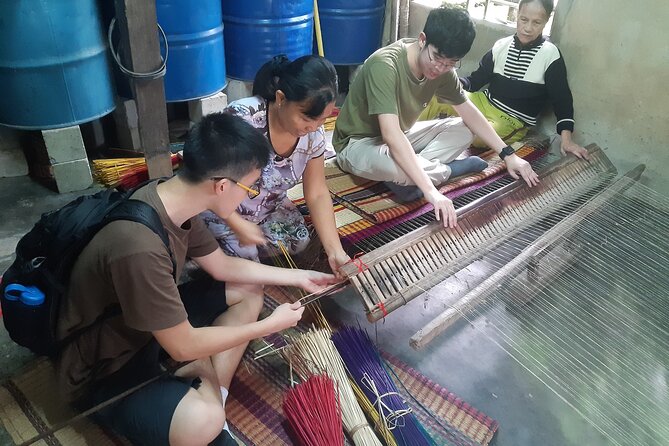
The sleeping mat weaving part is practical and very tactile. You’ll see the process of turning simple materials into something useful. It’s also a good reminder that many village crafts are built for daily life, not just souvenirs.
Rice noodle making
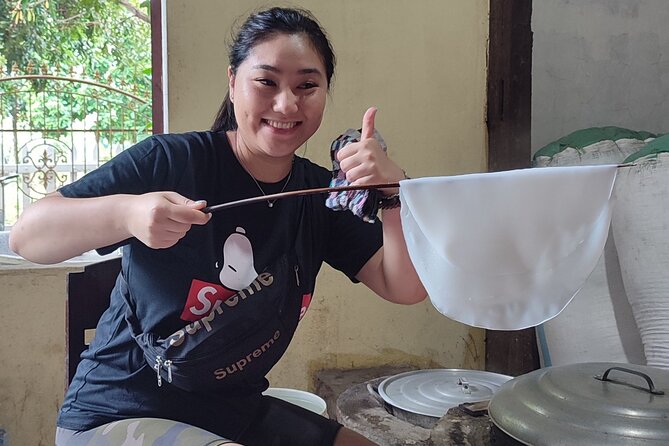
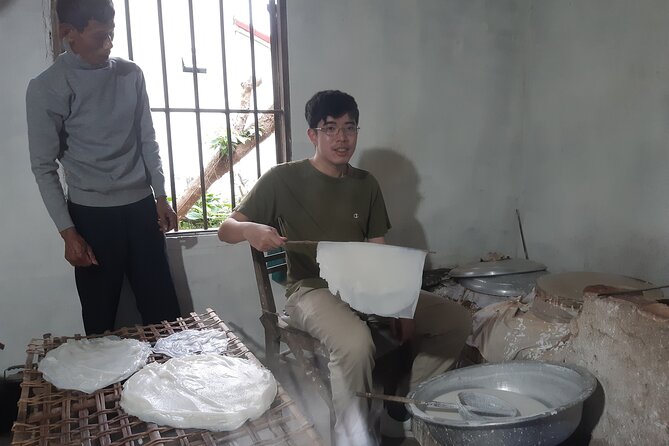
The rice noodle making adds a food-centered element to the day. It’s one thing to eat noodles. It’s another to see how they become noodles in the first place. It gives you context for the lunch you’ll have later.
This trio of activities is also good value for your time. Many tours include one workshop. This one packs several into a single half day, while still keeping the day connected to the countryside theme instead of feeling random.
Lunch and tea breaks: where the day slows down on purpose
Lunch is included, and you can request vegetarian. That’s important because rural tours can be hit-or-miss if you have dietary restrictions.
You’ll eat Vietnamese traditional cuisine at a local restaurant cooked by an Asian chef. You’ll also get coffee and/or tea, plus bottled water. These are the small comforts that keep a busy day from feeling exhausting.
I like that the lunch is scheduled after you’ve already seen several kinds of village work. By the time you sit down, you’ve got a mental map of what you’ve learned, so the food becomes part of the story rather than just fuel.
If you’re sensitive to spicy food, it’s worth saying so in advance. The tour data confirms lunch is included and vegetarian requests are possible, but it doesn’t specify spice levels.
Bike-route tips: riding in rural Hoi An without getting stressed
Even with a guided bike tour, it’s smart to come prepared. Rural roads can include mixed traffic patterns, and your comfort depends on your willingness to go with the flow.
One review highlights how helpful a guide can be with navigating local traffic on bikes, and that kind of patience matters a lot. You’ll want a guide who gives clear instructions and keeps the group organized.
Here’s what you should do before you ride:
- Wear comfortable shoes and avoid anything you’d regret getting dusty.
- Keep your hands free for small adjustments. You’ll likely be stopping for photos and crossing paths slowly.
- If you’re unsure about your balance, say so at the start. A good guide can adjust pacing.
You don’t need to be a cyclist athlete. But you do need to be willing to ride and stay alert. The tour’s moderate fitness note is honest.
Also, don’t try to turn every moment into a photo mission. The best shots often come when you’re paying attention first.
Timing and pacing: a half-day that still feels full
This experience runs about 6 hours, with stops that total a lot of variety: an hour at the carpentry village, a longer stretch dedicated to the fishing area, and a shorter segment at the vegetable village. There’s also the scenic 45-minute boat ride, which is long enough to notice changes in light and scenery rather than feeling like a quick transfer.
That structure is why the day works. You’re not doing one activity for too long. You switch from biking to water to walking to workshops. That variety helps if you get bored easily, and it helps if you want both action and relaxation.
Weather is a real factor. The tour requires good weather, and if conditions aren’t right, you’ll be offered a different date or a full refund. If you’re traveling during rainy season, build a little flexibility into your schedule.
Who should book this tour (and who should skip it)
I’d recommend this tour if you want:
- A Hoi An countryside experience that feels connected to real village work
- Hands-on activities like lantern making and weaving sleeping mats
- A balanced day with bicycle + boat + workshop + lunch
- A small group feel (max 20 travelers) with an English-speaking guide
You might want to skip it if:
- You want a purely relaxing day with minimal physical activity. This includes cycling and walking.
- You’re only interested in historic town sights and don’t care about rural culture.
- You get nervous with bikes around local traffic. A guide helps, but it’s still a bike day.
If you’re traveling as a couple, this also tends to fit well because the activities keep you from feeling stuck in a long, silent transfer line. If you’re traveling with kids, the data doesn’t specify ages or family suitability, so you’d need to confirm fit with the provider before booking.
Should you book it?
If your idea of a great Hoi An day includes working villages, hands-on crafts, and a countryside bike-and-boat mix, this is a strong choice. The price-to-inclusions ratio is the selling point: lunch, tickets, water, and multiple workshop activities at $29.99 is hard to beat when you compare it to booking similar pieces separately.
My main reason to hesitate is the moderate fitness requirement and weather dependence. If you can handle a full half day with cycling, walking, and a structured schedule, you’ll likely enjoy how much you get done without feeling rushed.
If you’re flexible on dates and you want something more authentic than city strolling, go for it. This is the kind of tour where you leave with memories you can touch.
FAQ
What is the duration of the tour?
The tour lasts about 6 hours.
Is hotel pickup and drop-off included?
Yes. Hassle-free transfers to and from your Hoi An hotel are offered.
What does the price include?
The price includes bicycle use, lunch (vegetarian requests available), bottled water, coffee and/or tea, lantern making class, all visit tickets, an English-speaking guide, rice noodle making, and weaving sleeping mats, plus local village discovery.
Do I need to bring my own bicycle?
No. The tour includes use of a bicycle.
What activities are included besides biking?
You’ll also have a guided countryside experience, including a scenic 45-minute boat ride, rice noodle making, lantern making, and weaving sleeping mats, along with village visits.
How fit do I need to be?
The tour recommends a moderate physical fitness level because it includes cycling and walking.
If the weather is bad, what happens?
The experience requires good weather. If it’s canceled due to poor weather, you’ll be offered a different date or a full refund.