REVIEW · HOI AN
Hoi An Countryside Bicycle Tour : 25 Km Real Vietnam
Book on GetYourGuide →Operated by Heaven and Earth Bicycle Tours · Bookable on GetYourGuide
Rice paddies plus a boat ride sounds calm, then the day gets real. I love the small-group pace and the hands-on craft stops like rice paper. The only catch: it’s a full 9 hours with lots of visits, so it’s not a quick bike loop.
Your guide makes the difference, and this tour is built around clear English/French storytelling while you’re moving between village life and workaday traditions. You’ll also get lunch at a local family house, with a choice of chicken, fish, or vegetarian.
Expect a 25 km loop on flat, safe countryside roads plus a one-hour boat transfer on the Thu Bon River. Early start helps with heat, but you’ll want sunscreen, a hat, and sunglasses.
In This Review
- Key highlights worth getting excited about
- Why cycling the Hoi An delta feels like real Vietnam
- Price and what you truly get for $44
- Meeting point and the early rhythm of the day
- The one-hour boat ride on the Thu Bon River
- Pedaling the 25 km loop: flat roads, safe feel
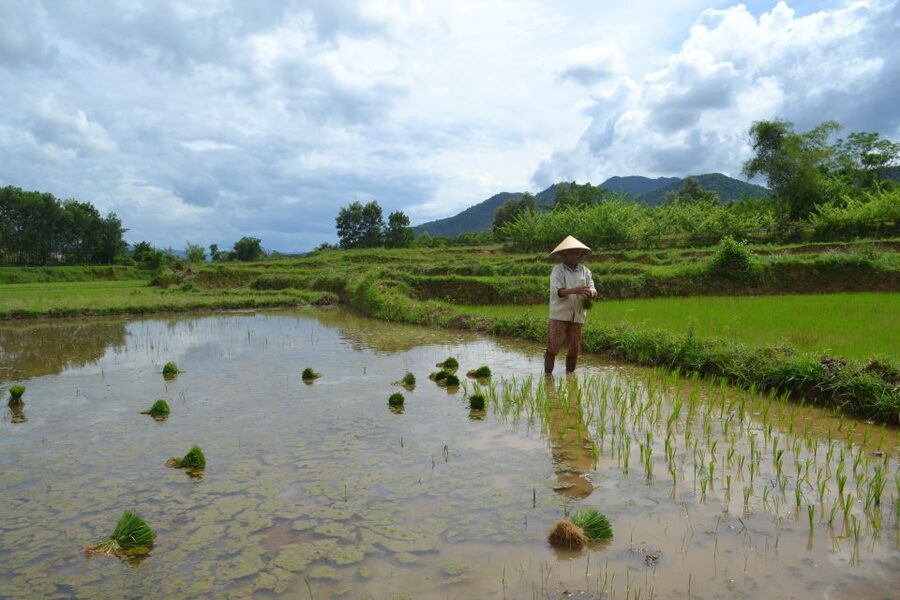
- Rice paddies, small bridges, and village paths
- Craft stops you can actually understand: rice paper and more
- Boat-building yards and the basket boat moment
- Crossing ferries and the floating bridge when available
- Lunch at a local family house: your best break of the day
- Timing, weather, and what to pack
- How hard is it, really?
- Guide quality: the difference between seeing and understanding
- Who should book this bike tour?
- Should you book it?
- FAQ
- How long is the Hoi An countryside bicycle tour?
- How far do I ride?
- Where do I meet, and what time does it start?
- What’s included in the $44 price?
- What lunch options are available?
- What language will the guide speak?
- Is this a small group tour?
- Are tandem bikes or baby seats available?
Key highlights worth getting excited about
- Thu Bon River time with a real village feel before you even start pedaling
- Rice paper, rice mill, and mat weaving taught as lived-in skills, not demos for tourists
- Bamboo bridge crossing and the calm rhythm of farm paths
- Boat-building yards and basket boat testing for a practical look at local transport
- Lunch with a countryside family in a home setting, with chicken, fish, or vegetarian options
- Small group (max 8) for an easier day and more time per stop
Why cycling the Hoi An delta feels like real Vietnam
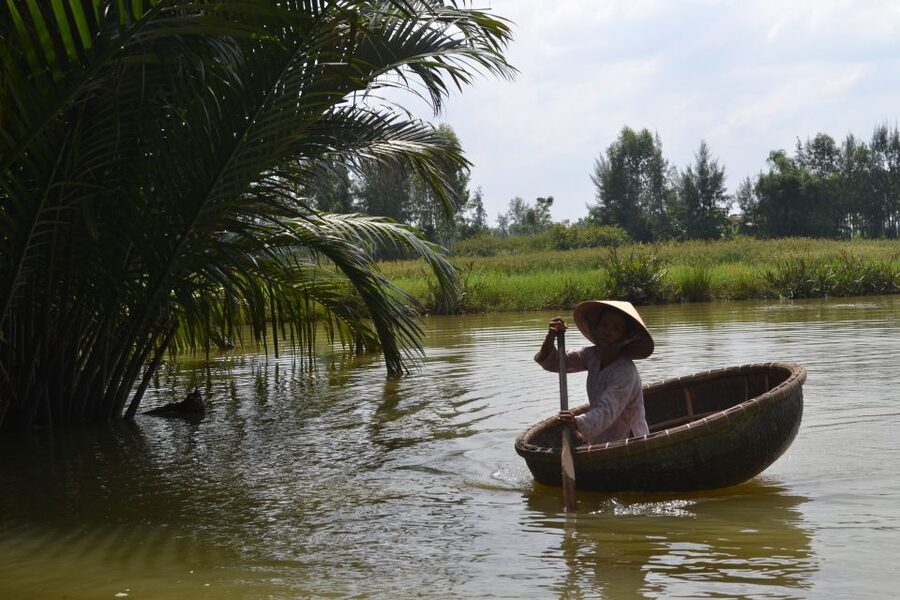
Hoi An is famous for its lanterns, tailors, and riverfront photos. This is different. You’re in the Thu Bon delta, where the landscape is shaped by rice fields, small irrigation channels, and the kind of work that keeps families going day after day.
I like that the focus isn’t just on scenery. You’re learning how things are made—rice paper, woven sleeping mats, even rice wine—so the countryside becomes understandable fast. And because the route stays on flat, small concrete roads without traffic, the day feels more comfortable than you might expect for a full-day cycling experience.
One small reality check: this is a guided culture-and-cycling day. You’ll stop often, so if you want nonstop riding, you might feel the pace is slower than a typical ride-only tour.
You can also read our reviews of more tours and experiences in Hoi An.
Price and what you truly get for $44
At $44 per person, this tour is a solid value when you look at the full package. You’re paying for more than a bike and a guide.
Here’s what’s included:
- English or French-speaking guide
- Bicycle and helmet
- A 1-hour boat transfer plus river crossing experiences
- Lunch at a local family house
- Visits tied to local crafts and customs
- Water during the tour
What’s not included is also pretty standard: extra drinks, personal expenses, and insurance.
The way I see it, the value comes from stacking experiences that would cost you extra on your own: boat time, multiple structured stops, and a family-based lunch. For many people, that’s the difference between a fun day and a day that actually teaches you something.
Meeting point and the early rhythm of the day
You meet at the supplier’s office at 61 Ngo Quyen St., Hoi An. Plan to arrive for the 7:45 AM check-in. The tour departure is listed as 8:00 AM, and you’ll be back around 5:00 PM.
This schedule matters. A countryside cycling day works best when you’re not starting late. You’ll avoid some of the harsher light and heat, and you’ll have more energy for the craft stops.
Also note the group size: up to 8 participants. That usually means fewer delays at each stop and a more personal feel when you’re asking questions.
The one-hour boat ride on the Thu Bon River
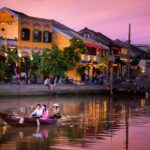
Before the cycling really takes over, you get a boat ride up the Thu Bon River. The boat transfer is about 1 hour, and it sets the tone immediately.
Why this part is worth it: it’s not just transportation. It’s a transition from Hoi An’s urban pace to the delta’s slower rhythm. From the water, you get a different sense of how the fields and villages are connected—how movement happens here, not just on roads.
You may also experience river crossings using local ferries. When conditions allow, there can be a floating bridge crossing too. That’s the kind of moment that feels practical, not staged.
Pedaling the 25 km loop: flat roads, safe feel
The cycling distance is 25 km as a loop. From October to February, it can be 28 km, so plan for that slightly longer stretch if you’re traveling in the cooler months.
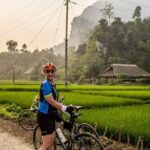
Here’s the good news: you’ll use only a small countryside concrete road, described as flat and safe without traffic. That’s a big deal. You’re not dodging cars, and you’re not fighting steep hills. You can focus on watching what’s happening around you.
Two route details I appreciate:
- It’s a loop trip, so you don’t retrace the same road twice.
- The day is designed to move you from place to place with short travel legs between stops.
If you’re comfortable on a bike for a few hours total (not nonstop), you should be fine. Bring water sense, not just water.
Rice paddies, small bridges, and village paths
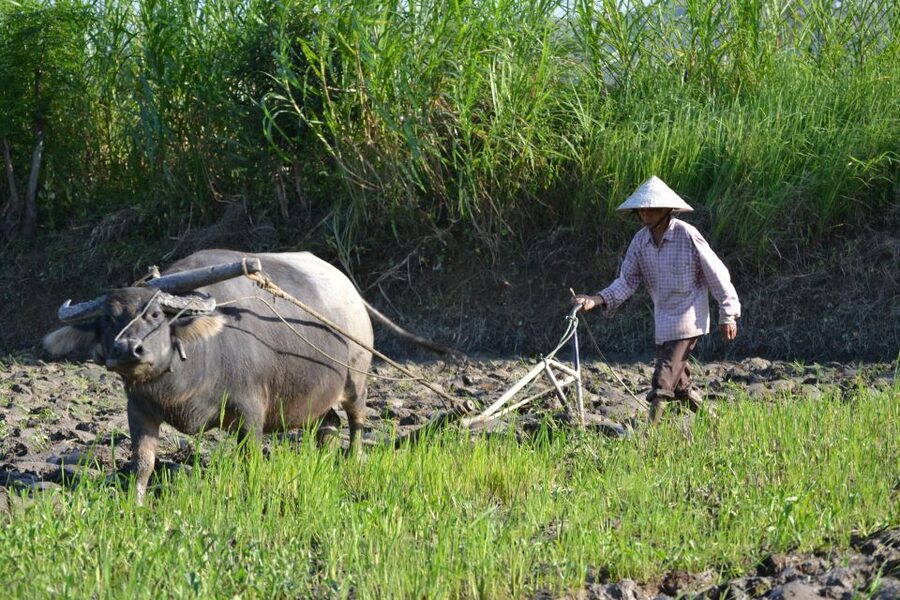
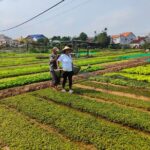
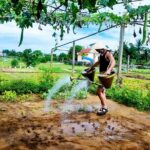
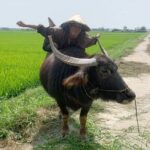
Once you’re underway, the tour leans into the classic delta experience: rice fields, irrigation-adjacent paths, and little crossings that break up the ride.
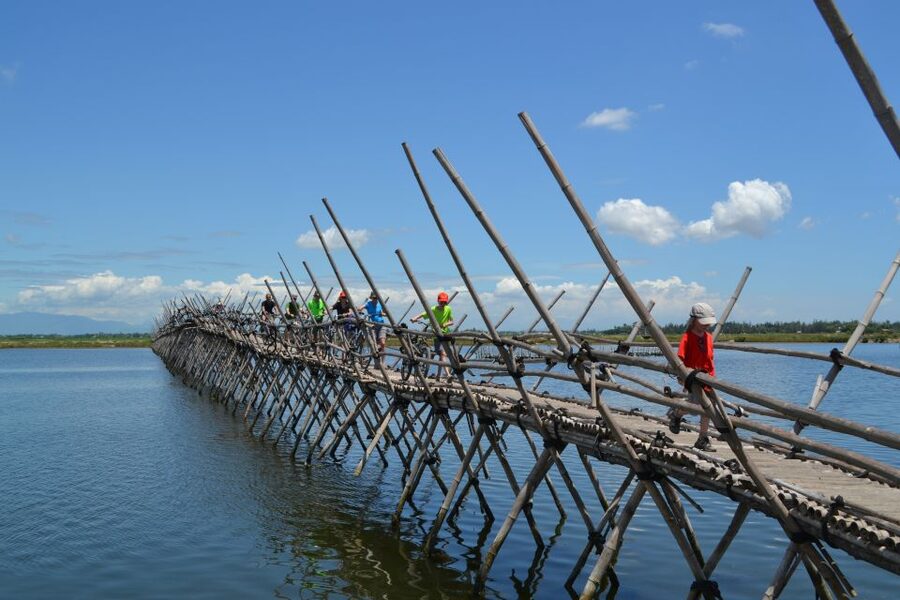
You’ll cross the unique Bamboo Bridge, which is one of those elements you instantly recognize as “this is Vietnam,” even before the guide starts explaining the traditions behind it.
What to expect physically:
- Flat riding, but you’ll likely feel the day in your legs because it’s a full schedule.
- A lot of brief stops means you’ll be on and off the bike repeatedly.
What to expect culturally:
- The guide connects what you see (fields, homes, work) to what people actually do. That’s where the day becomes more than photos.
Craft stops you can actually understand: rice paper and more
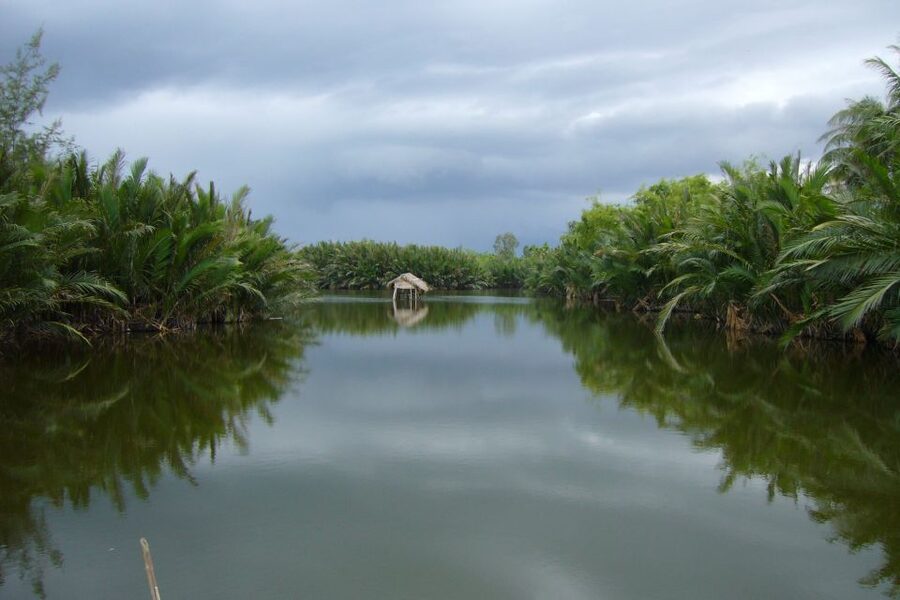
The craft part isn’t an arts-and-crafts marketplace. The tour includes hands-on style learning tied to real household production and village work.
Some of the craft and food-related experiences include:
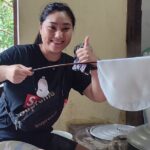
- How to make rice paper
- A countryside mill for rice
- How to weave traditional sleeping mats
- Basket boat builder activities, plus testing the basket boat
- Rice wine family maker
- Story time around the countryside family temple
Why this matters: these aren’t just “things to look at.” They’re systems. Rice paper, for example, connects to rice production, household labor, and daily eating habits. Mat weaving shows how comfort and utility are handled locally. Rice wine touches on how food and celebration blend in family life.
The stops also break up the day nicely. Even if you’re not a “craft person,” you’ll probably find one or two moments that click—especially when the guide explains what goes into the work and why it’s done this way.
Boat-building yards and the basket boat moment
One of the most memorable parts of this kind of tour is when you see transport tools being made. Here, you’ll visit traditional boat-building yards and meet the people who build and use simple craft tied to the delta’s needs.
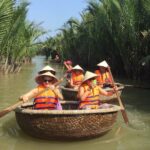
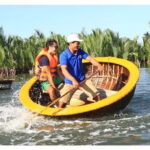
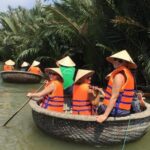
The tour includes basket boat builder activities and then testing the basket boat. That sequence turns a concept into something tangible. You can watch the build, then see how it works.
Even if you’re thinking, How is a basket boat useful? that’s exactly the right question. The delta is about using what’s available and moving through water in ways that fit the environment.
Crossing ferries and the floating bridge when available
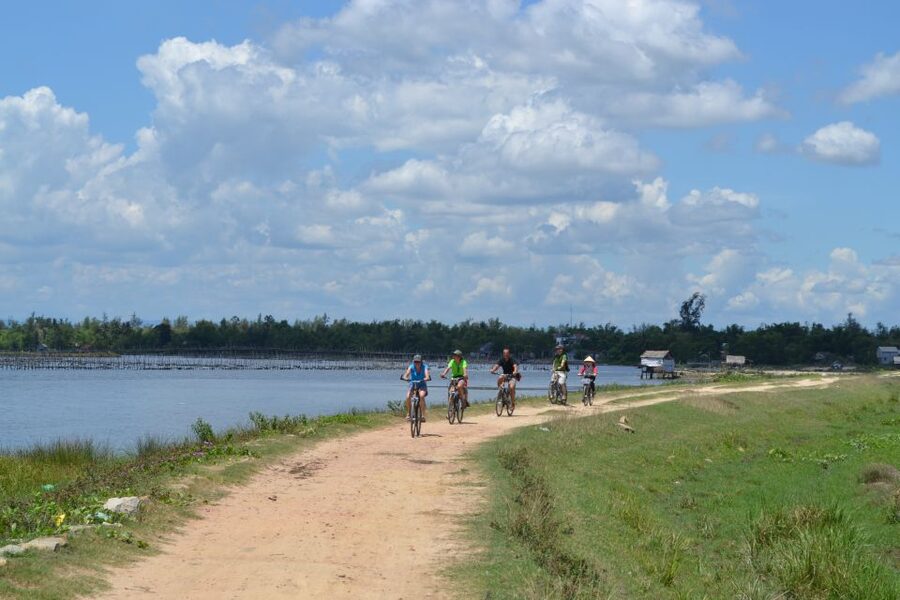
You’ll have at least one “river crossing on a local ferry” experience as part of the day. The tour also mentions a floating bridge crossing when available.
This kind of flexibility is normal for countryside travel. Water levels, local access, and day-of conditions can affect what’s possible. When a floating crossing happens, it’s usually one of those moments that feels both practical and oddly magical.
Tip: treat crossings as part of the schedule, not extra sightseeing time. Bring your attention for the logistics so you can relax once you’re on the water.
Lunch at a local family house: your best break of the day
Lunch is included at a local family house. You’ll have three options to choose from: chicken, fish, or vegetarian.
This is one of the main reasons the tour is worth it. A meal inside a home setting usually does more for cultural understanding than another stop in a shop.
What I suggest:
- Keep it slow. Eat like you’re visiting, not like you’re trying to rush through lunch and get back on the bike.
- If you like asking questions, this is a great time. Family-style meals naturally lead to simple conversation topics like food, daily routines, and local work.
Timing, weather, and what to pack
This tour runs about 9 hours, with the day structure built around early start and frequent short visits.
Bring:
- Sunscreen
- Hat
- Sunglasses
And if you’re traveling in November to January, bring a windbreaker. Even when it’s not cold like northern winters, coastal and river wind can make the cycling feel cooler than expected.
Also consider packing:
- A small water-friendly layer for shade stops.
- Basic comfort for getting on and off the bike repeatedly.
Helmets are included, which I really appreciate. You’ll see more people biking confidently when the safety basics are handled.
How hard is it, really?
Because the roads are described as flat and traffic-free, this isn’t an “extreme” cycling day. The challenge is more about duration than steep climbing.
The two factors that change your day:
- Total distance (25 km, or 28 km in October–February)
- The number of stops (you’ll be off the bike often for visits)
If you’re the type who likes to sit and watch life unfold for a minute, the stops won’t bother you. If you’re the type who gets antsy when you’re not moving, you’ll still have fun, but keep expectations realistic.
In short: it’s comfortable riding with a full schedule. You’re signing up for a lesson, not a race.
Guide quality: the difference between seeing and understanding
This tour runs with an English or French-speaking guide, and the experience is clearly built around commentary and teaching during each stop.
From the guide feedback you can expect solid engagement. Guides like Tran and Tram are praised for being effective and keeping things organized. Assistant support also matters, and Kein is specifically mentioned for efficient help.
Why this matters for you: in a day full of small bridges, craft spaces, and family homes, a guide who keeps the flow smooth prevents the day from turning into waiting around. You’ll spend more energy on the moments that count.
Who should book this bike tour?
This is a great fit if you want:
- A small-group day with more attention per stop
- Countryside life beyond the Hoi An center
- A mix of cycling plus practical learning (food, crafts, and customs)
- A structured way to see the Thu Bon delta without trying to plan logistics solo
You might think twice if:
- You only want long, uninterrupted cycling time
- You’re sensitive to long days with frequent stops
- You’re traveling with very young children and need a calmer pace (a baby seat is available on request, but you should still plan carefully)
Should you book it?
If your goal is to understand the countryside around Hoi An, this is an easy yes. For $44, you’re getting bike time, a boat ride, multiple craft-and-custom visits, and lunch with a local family—plus water and a helmet. That’s a lot bundled together, and it beats piecing together separate activities.
Book it if you like meeting people, watching work happen, and learning why local life looks the way it does in the Thu Bon delta. Skip it only if you’re expecting a pure cycling adventure with minimal stopping.
When you do book, prep like a smart cyclist: sunscreen, hat, sunglasses, and a windbreaker if you’re traveling in November–January. Then show up ready for a day that mixes riding with real-world culture.
FAQ
How long is the Hoi An countryside bicycle tour?
The tour lasts about 9 hours, returning back to the meeting point around 5:00 PM.
How far do I ride?
The distance is 25 km for most months. From October to February, it can be 28 km.
Where do I meet, and what time does it start?
You meet at 61 Ngo Quyen St., Hoi An. Check-in starts at 7:45 AM, and the tour departs at 8:00 AM.
What’s included in the $44 price?
Included are all visits, a 1-hour boat transfer, an English or French-speaking guide, bicycle and helmet, lunch at a local family house, and water.
What lunch options are available?
Lunch options include chicken, fish, or vegetarian.
What language will the guide speak?
The guide speaks either English or French.
Is this a small group tour?
Yes. The group is limited to a maximum of 8 participants.
Are tandem bikes or baby seats available?
A tandem bike is available on request (limited quantity). A baby seat is also available for children up to 23 kg, on request.