REVIEW · KYOTO PREFECTURE
Kyoto Satoyama Cycling with Lunch and English guide
Book on Viator →Operated by Kyoto Satoyama cycling tour · Bookable on Viator
A Satoyama day just outside Kyoto sounds easy, but it’s surprisingly moving. This tour blends electric-assist cycling with a temple ritual at Kyoto Taishakuten (yes, the 108 bells), plus a countryside lunch that feels like you’re eating where locals actually live. You also get a real sense of place because the guide is born and raised in Kyoto’s area.
What I like most is the mix: active riding (on a bike with a smart helmet) and calm, meaningful stops that aren’t just photo ops. I also like that the day is built around included food and easy-to-follow timing, with admission listed as free at the key sights. The only real consideration is the ride itself: the tour expects moderate physical fitness, and you’ll be climbing hills even with help from the electric assist.
In This Review
- Key Things to Know Before You Go
- Satoyama Cycling Near Kyoto City: The Real Pitch
- Meeting Your English Guide and the Riding Setup
- Stop 1: Kyoto Taishakuten Temple and the 108 Bells
- Stop 2: Yagi Monkan Petting Park and Lunch at Kaeru no Oyado
- Stop 3: Sonobe Park, Wagashi at Yatsuhashi Honpo, and Sweet Souvenirs
- Michino-eki Shopping: How You Turn the Day into Real Gifts
- What the Full 5 Hours Feels Like (Timing and Pacing)
- Price and Value: Is $97.55 Worth It?
- Weather Matters: When You Should Be Flexible
- Who This Tour Suits Best (And Who Might Hesitate)
- Should You Book This Kyoto Satoyama Cycling Tour?
- FAQ
- FAQ
- How long is the Kyoto Satoyama Cycling with Lunch tour?
- Where does the tour start, and does it end nearby?
- What does the tour cost?
- Is the tour private?
- Do I need to be a strong cyclist?
- What’s included in the price?
- Is lunch provided at a restaurant?
- What are the main stops during the tour?
- Are admissions required for the listed stops?
- What if the weather is bad?
- What’s the cancellation window?
Key Things to Know Before You Go
- Electric-assist bicycles + smart helmets make first-time riders feel more confident
- Kyoto Taishakuten’s 108 bells is the kind of ritual that lands even if you don’t know all the details
- Lunch at Kaeru no Oyado focuses on local ingredients in a restored, traditional setting
- Wagashi time at Yatsuhashi Honpo gives you a hands-on moment or shopping for sweets to take home
- Michino-eki shopping helps you turn the countryside into actual souvenirs, not just memories
- Private group means your pace and questions stay with your party
Satoyama Cycling Near Kyoto City: The Real Pitch
This is a countryside outing that doesn’t require a day-trip bus ordeal. You’re based around Nantan/Sonobe (Kyoto Prefecture), and the route is designed so you can feel nature while still being close enough to Kyoto that the day stays practical. You ride, you stop, you eat, you explore. It’s simple, but that simplicity is the point.
The vibe is not theme-park controlled. It’s more like: get moving on two wheels, follow your guide’s explanations, and let the day unfold across a small region. That matters in Japan, where “seeing places” can turn into hopping from one stamp to the next. Here, the stops are connected by the ride and by the story your English-speaking guide keeps threading through the day.
You can also read our reviews of more tours and experiences in Kyoto Prefecture.
Meeting Your English Guide and the Riding Setup
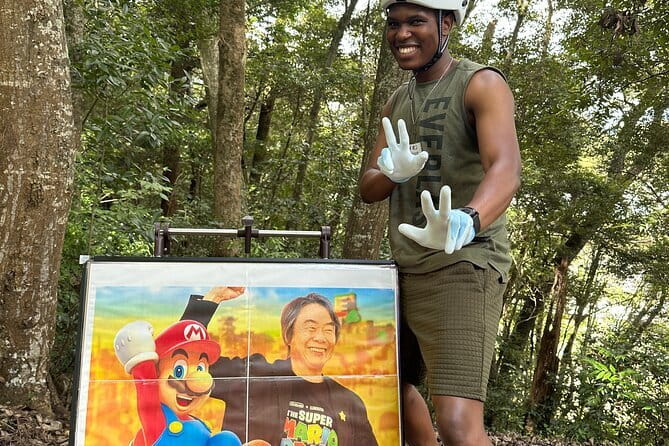
Your guide for this experience is Maki-san (she’s repeatedly referenced in guide responses), and she runs the day with a calm, clear approach. When it’s your first cycling tour, that kind of firm explanation matters more than people expect. You’re not just given a bike—you’re taught how to handle it and how to move as a group.
The riding gear is also a big deal for comfort. Reviews highlight a helmet with a microphone built in, meaning you can hear the guide’s commentary while you’re pedaling. Add electric-assist help on hills, and the experience becomes approachable even if you’re not a road-cycling person.
Practical tip: plan on wearing comfortable clothes you can move in. Even with assist, you’ll still be using your legs. If you’re anxious about balancing or starting, arrive a little early so the guide can get you set without rushing.
Stop 1: Kyoto Taishakuten Temple and the 108 Bells
Kyoto Taishakuten is the emotional anchor of the tour. The temple sits in the hills outside Kyoto, and you ascend along the mountain path as part of the experience. The signature moment is ringing 108 bells one by one, which turns a typical temple visit into an active ritual. You’re not just watching—your hands are part of the practice.
The tour also includes purification via going through the big ring. That gives the day a clear structure: move upward, ring your bells, and then pass through a symbolic cleansing step. Even if you’re still learning the meaning of each ritual, the physical action helps it register.
A small consideration: this portion is peaceful, but it’s on a schedule. Don’t expect a long, unhurried wander like you might do on your own. Instead, think of it as a guided, structured experience that prioritizes the main rituals.
Stop 2: Yagi Monkan Petting Park and Lunch at Kaeru no Oyado
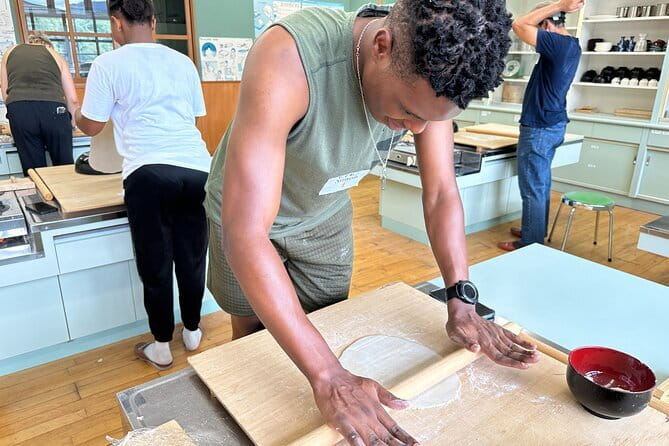
After the temple, the day shifts from spiritual to cozy. Stop 2 includes Nantan City Yagi Monkan Petting Park, and you pair that with lunch at the restored old-house restaurant Kaeru no Oyado. This is the kind of pairing I love on tours because it breaks the day into human-scale moments: animal time, then a meal in a traditional setting.
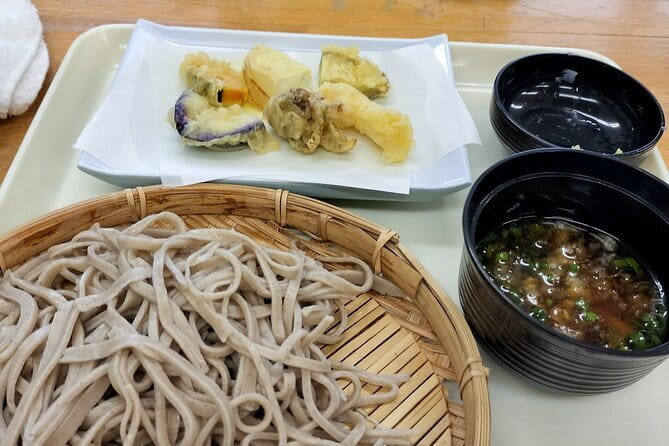
At Kaeru no Oyado, the lunch is described as homemade Japanese cuisine made with local ingredients. The building itself is part of the story—beautifully renovated from an old folk house into a fusion-style restaurant. That means you get both food and atmosphere, and you’re not stuck eating in a generic strip-mall place.
What to watch for: the stop is time-limited. You’ll likely get just enough time to enjoy lunch rather than linger for multiple courses. If you’re hungry (and you’ll be, after cycling and a temple walk), this stop is a strong reset.
Stop 3: Sonobe Park, Wagashi at Yatsuhashi Honpo, and Sweet Souvenirs
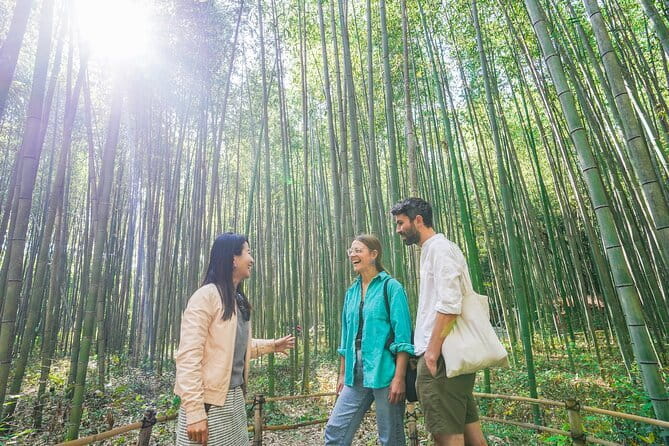
Stop 3 centers on traditional Japanese sweets, which is a smart move because it adds culture you can take home. You visit Yatsuhashi Honpo at the Shinkōetsu Village store, where you can experience making wagashi or purchase the sweets as souvenirs, depending on what’s offered during your time slot.
Wagashi making is one of those activities that’s fun even if you’re not crafty. The guided pace helps. And even if you simply buy the sweets, you still get the satisfaction of choosing something made for the region’s food culture, not just a packaged snack you could find anywhere.
This portion also ties into the scenery shift: Sonobe Park gives you a chance to breathe between activities, and it keeps the day from feeling like nonstop busyness. If you’re traveling with family, this is often the part that turns into extra conversation because sweets are easy to talk about and easy to share.
Michino-eki Shopping: How You Turn the Day into Real Gifts
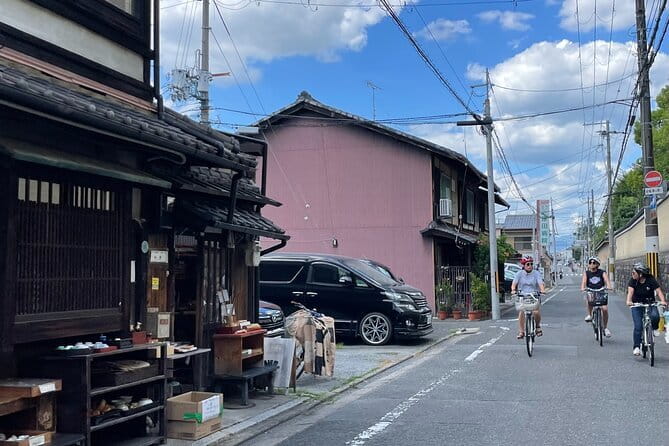
The tour includes time for shopping at the Michino-eki store. This matters more than it sounds. Michino-eki (roadside stations) are where regional products show up—snacks, small gifts, sometimes local produce or specialty items. It’s a practical way to spend the last stretch of your tour time without turning it into a shopping marathon.
I like this stop because it’s flexible. If you’re tired from the ride, you can browse gently. If you’re energized, you can stock up on treats and small items to bring back. Either way, you leave with something tangible that feels like Satoyama life, not just a temple ticket and a photo.
What the Full 5 Hours Feels Like (Timing and Pacing)
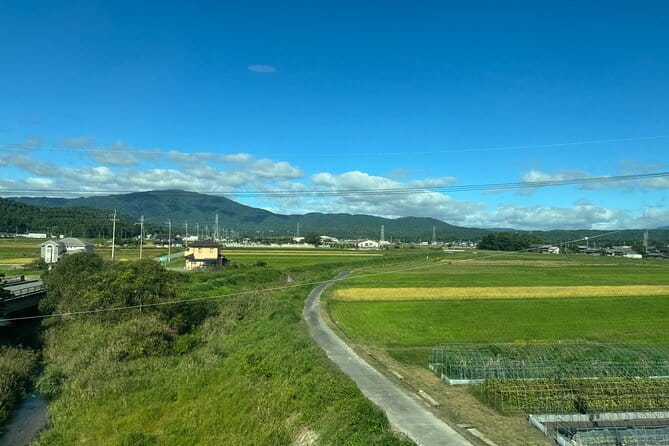
The tour runs about 5 hours and operates 10:00 AM to 3:00 PM. The length is long enough to feel like a day out in the countryside, but short enough that you won’t spend your whole trip “working” at sightseeing.
The order is also thoughtful: start with the most iconic ritual (108 bells), then shift to animals and lunch, and finish with sweets and shopping. That progression keeps your energy matched to the day. Temple walking plus cycling builds anticipation; lunch and park time help reset; wagashi and shopping give you closure you can take home.
Because this is a private tour/activity where only your group participates, you can usually expect fewer delays. It’s not about squeezing more people in—it’s about moving your party through the route comfortably.
Price and Value: Is $97.55 Worth It?
At $97.55 per person, you’re paying for more than bike rental. The included items cover the big cost buckets: lunch, bottled mineral water and lunchtime drinks, and use of a bicycle. Admission is listed as free for the main stops, and your English guide adds real value by connecting everything into a narrative you can follow.
Here’s how I judge the value: if you booked these pieces separately (a guided temple visit, a countryside lunch with local focus, and a structured riding day), the total usually climbs fast. This tour packages the day into one schedule with transportation solved by the cycling itself.
Also, your guide’s communication style shows up in the experience design. First-timers are supported, and the helmet microphone setup reduces the common problem on cycling tours: you either pedal quietly and miss explanations, or you chat with the group and lose the thread. This setup helps you get both.
Weather Matters: When You Should Be Flexible
This experience requires good weather. If it’s canceled due to poor weather, you’ll be offered another date or a full refund. Since the itinerary includes outdoor cycling and walking, you should take forecasts seriously, especially if you’re going in a season with sudden rain.
If the forecast looks shaky, consider building this tour earlier in your trip window so you have backup flexibility. That simple strategy can save the day.
Who This Tour Suits Best (And Who Might Hesitate)
This tour fits best if you want something between a city day and a full countryside escape. You’ll ride, but you’re not doing a hardcore training ride. You’ll do meaningful stops, but you’re not spending your day in a quiet museum-only mode.
It’s also a strong pick for families and first-time cyclists, because the approach is supportive and the ride tech helps. If you’re comfortable following instructions, you’ll probably find it a fun way to get outside Kyoto City without feeling lost.
The main mismatch is for people who prefer fully self-paced sightseeing. This tour is structured. If you need long free time in each place, you may feel the schedule comes too fast.
Should You Book This Kyoto Satoyama Cycling Tour?
Yes, if you want a countryside day that’s active but not intimidating, and if you like experiences with a clear emotional anchor. The 108 bell ritual at Kyoto Taishakuten, the symbolic purification step, and the very real everyday comfort of lunch at Kaeru no Oyado make it feel layered in a way that’s hard to replicate with a DIY route.
Book it especially if:
- You’re curious about Satoyama life near Kyoto City, but you don’t want logistics stress
- You’re a first-time cyclist and you want an English guide plus electric-assist support
- You want souvenirs that make sense (wagashi and Michino-eki shopping)
Skip it or consider another option if:
- You want an entirely self-paced day with lots of free wandering
- Your fitness level is more limited than moderate, since you will climb hills
- You’re traveling during a period where outdoor cycling is very likely to get rained out
FAQ
FAQ
How long is the Kyoto Satoyama Cycling with Lunch tour?
It runs for about 5 hours (approx.).
Where does the tour start, and does it end nearby?
It starts at Sonobecho Oyama Higashimachi, Nantan, Kyoto 622-0041, Japan, and it ends back at the meeting point.
What does the tour cost?
The price is $97.55 per person.
Is the tour private?
Yes. It’s described as a private tour/activity, so only your group participates.
Do I need to be a strong cyclist?
You should have a moderate physical fitness level.
What’s included in the price?
Included are lunch, bottled mineral water and drinks for lunchtime, and use of a bicycle.
Is lunch provided at a restaurant?
Yes. Lunch is at a traditional restaurant (Kaeru no Oyado) with homemade Japanese cuisine made with local ingredients.
What are the main stops during the tour?
The tour includes Kyoto Taishakuten (with 108 bells), Yagi Monkan Petting Park (paired with lunch), and a Sonobe Park stop focused on wagashi at Yatsuhashi Honpo Shinkōetsu Village, plus shopping at a Michino-eki store.
Are admissions required for the listed stops?
Admissions are listed as free for the stops (including Kyoto Taishakuten and the other listed stops).
What if the weather is bad?
The experience requires good weather. If it’s canceled due to poor weather, you’ll be offered a different date or a full refund.
What’s the cancellation window?
You can cancel up to 24 hours in advance for a full refund. If you cancel less than 24 hours before the start time, the amount paid is not refunded.