REVIEW · KYOTO PREFECTURE
Kyoto Satoyama Cycling with Lunch and English Guide
Book on Viator →Operated by Kyoto Satoyama cycling tour · Bookable on Viator
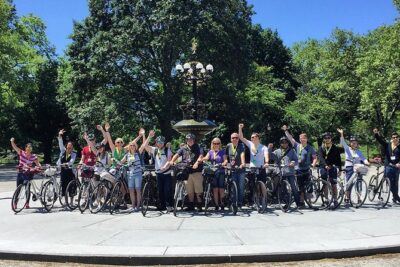
E-bikes and rural Kyoto make sense. In Sonobe, about 30 minutes from Kyoto City by train, you glide past fields and rivers, stop at Ikimi Tenmangu Shrine, and end with a lunch built around soba.
I especially like the hands-on food part and the way the local guides explain what you’re seeing. If you’re lucky, you’ll meet Maki (and sometimes Yasu), who brings clear, friendly energy to every stop.
One possible drawback: the plan depends on good weather, and cold or wet conditions can make timing feel tighter—especially if you tack on Mt. Komugi (Mario) later.
In This Review
- Key highlights at a glance
- Sonobe satoyama: a quieter Kyoto day with real breathing room
- E-bikes, a private group, and English that doesn’t feel like a translation
- Course A vs Course B: pick the lunch experience that matches your mood
- Course A: hands-on soba-making plus a soba set meal
- Course B: local produce in a traditional Japanese house
- Dietary needs are handled with advance requests
- The route through Sonobe: shrines, castle ruins, and a closed school turned into food time
- Stop 1: Ikimi Tenmangu Shrine and the luck of learning
- Stop 2: the ruins of Sonobe Castle, built for a last chapter
- Stop 3: a closed elementary school and soba-making for real
- Stop 4: Make Shrine and the agriculture connection
- Optional add-ons: how to make your day feel more personal
- Timing and what to wear for a 10:00 start and a 4 to 5 hour ride
- Price and value: how $78.83 makes sense for what you actually get
- Who this tour is for, and who might not love it
- Should you book this Kyoto Satoyama cycling tour?
- FAQ
- Where does the Kyoto Satoyama Cycling tour start?
- What time does the tour begin?
- How long is the tour?
- What does the tour cost?
- Is there more than one lunch option?
- Are vegan, vegetarian, or allergy-friendly meals available?
- What extra experiences can you add to the tour?
- What are the main stops during the tour?
- Is this tour a shared group or private?
- What happens if the weather is poor?
Key highlights at a glance
- Local English guidance from people born and raised in Sonobe, with clear explanations at each stop
- E-bike cycling with easy pacing, with rides of about 10 to 20 minutes between points
- Two lunch styles: hands-on soba-making (Course A) or a local-produce meal in a traditional house (Course B)
- Free-feeling sightseeing, since admissions are listed as free for the main shrine and historical spots
- Optional add-ons included like kimono photo, koto, spring water, and Mario mountain exploration
Sonobe satoyama: a quieter Kyoto day with real breathing room
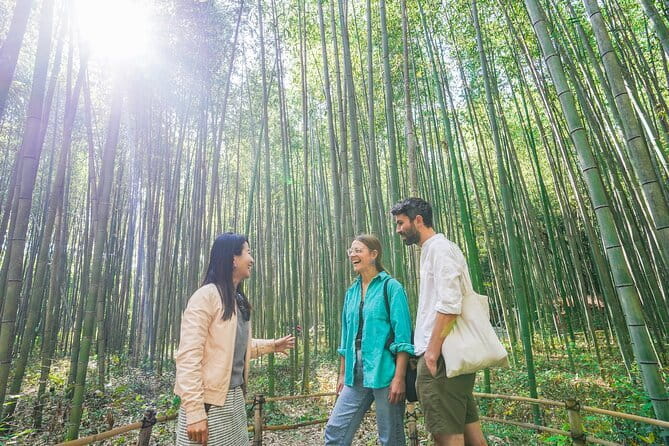
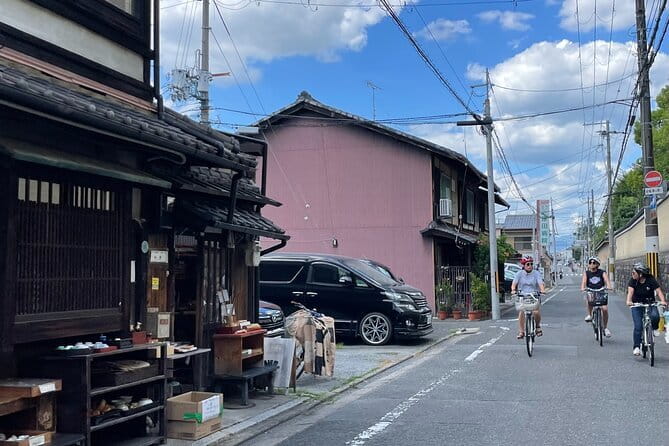
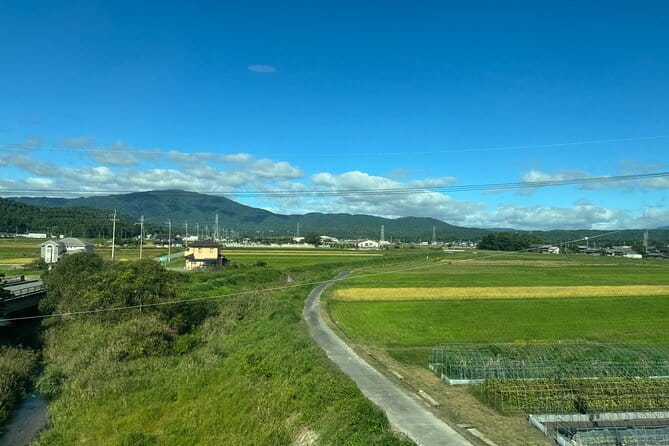
Kyoto is famous for crowds and camera lines. Sonobe feels like the opposite. The area around Sonobe is known as satoyama, where village life, fields, and forest meet in one everyday scene. Instead of rushing from temple to temple, you get a slower kind of movement—bike time between meaningful stops.
You start in Nantan (Sonobechō Oyama Higashimachi) and return there too, so the day feels self-contained. The big practical win: Sonobe is only around a 30-minute train ride from Kyoto City, which makes it a realistic half-day plan without giving up the countryside.
What you’ll notice right away is the soundscape. You get that rural rhythm—birds calling, water moving, and fewer city noises than you expect. It’s not staged. It’s just life around you as you ride.
You can also read our reviews of more tours and experiences in Kyoto Prefecture.
E-bikes, a private group, and English that doesn’t feel like a translation
This is a private tour, meaning it’s only your group. That matters more than it sounds. Private time lets the guide set your pace, answer questions, and adjust if your group wants to linger at a shrine or move on quickly.
The tour runs with e-bikes, which helps a lot when you’re riding rural roads for several hours. Even with short segments between stops (about 10 to 20 minutes each), it’s easier to enjoy the view when you’re not fighting the bike the whole time. If you’re not a confident cyclist, this kind of assist makes the day feel approachable.
You’ll also get an English guide who’s from the town. In other words, it’s not just scripted commentary. Guides like Maki (and her team, including Yasu in some groups) tend to give context that sounds like it comes from daily familiarity: what the place means locally, how to behave in shrine spaces, and what to look for when buildings change from one era to another.
One small but real comfort detail: safety prep. In colder conditions, they’ve been described as providing disposable hand warmers and neck warmers, plus safety equipment. That turns a potential chilly ride into something you can actually enjoy.
Course A vs Course B: pick the lunch experience that matches your mood
Lunch is the heart of this tour, but it comes in two different flavors.
Course A: hands-on soba-making plus a soba set meal
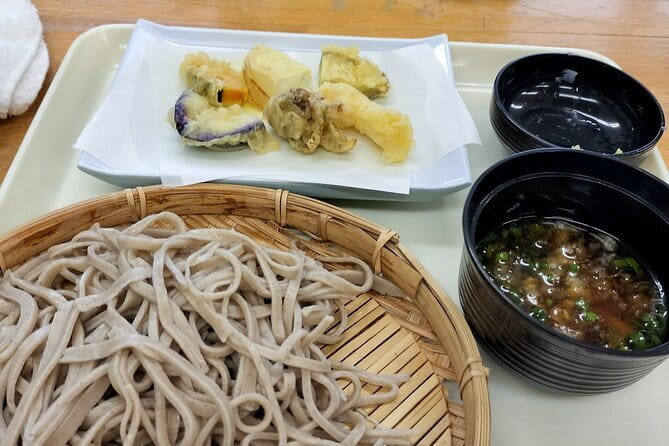
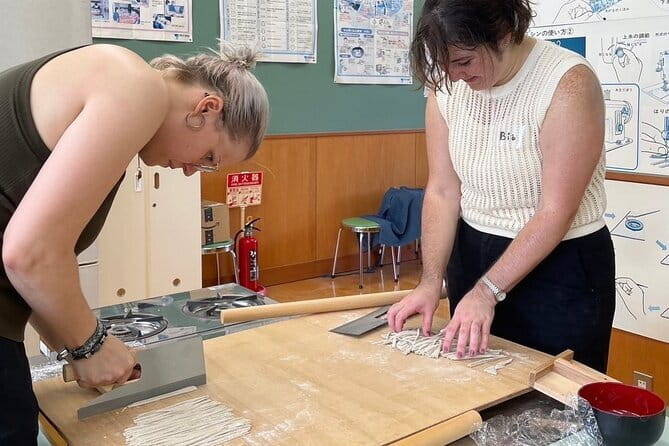
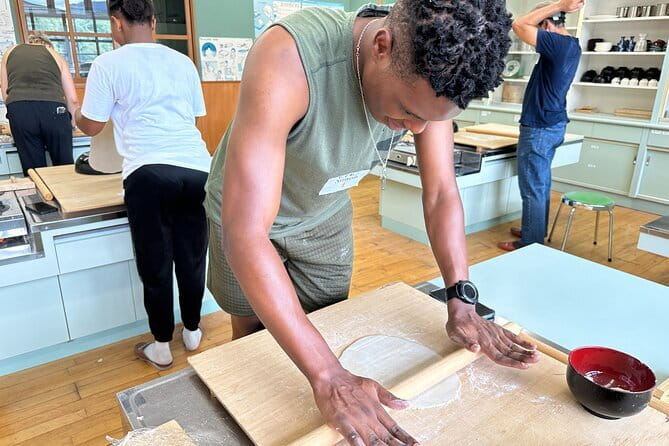
Course A is for you if you want to do something with your hands. You’ll get a chance to make soba noodles using buckwheat flour harvested locally. The coolest part is the connection: you’re not just eating soba, you’re seeing the ingredient story from the region.
During this stop, the plan includes freshly boiled soba, and there’s also typically tempura and rice balls served alongside. It’s a satisfying mix, so you leave fueled rather than just tasting a little bite.
Course B: local produce in a traditional Japanese house
Course B is for you if you’d rather skip the noodle workshop and focus on a relaxed meal experience. This course centers on local produce served at a restaurant in a traditional Japanese house.
From what people report, these lunch setups can feel special even when they’re simple. One group highlighted a guest-house meal with a frog theme, and another mentioned lunch at Kaeyuno Oyado. You might not get the exact same theme, but the takeaway is consistent: lunch is treated as part of the culture, not an afterthought.
Dietary needs are handled with advance requests
If you need vegan, vegetarian, or allergy-friendly options, you can request it. That’s an important value point because food in Japan can still be tricky when you have restrictions. Don’t wait until you’re hungry—make the request at booking or at the start of the tour.
The route through Sonobe: shrines, castle ruins, and a closed school turned into food time
This tour works like a story in four base stops, each with its own vibe.
Stop 1: Ikimi Tenmangu Shrine and the luck of learning
You’ll visit Ikimi Tenmangu Shrine, described as the oldest Tenmangu shrine in Japan. It enshrines Sugawara no Michizane, traditionally linked with learning and education. People visit to pray for success in exams, which gives this stop a clear emotional purpose.
What I like about starting here is that it sets a cultural tone fast. You’re not jumping into countryside first; you’re learning how local belief ties into everyday hopes.
Admission here is listed as free, which makes the start feel easy.
Stop 2: the ruins of Sonobe Castle, built for a last chapter
Next comes the ruins of Sonobe Castle. The description says it’s the last castle built in Japan. Today, you’ll see remaining structures like the main gate, castle walls, turrets, and a guardhouse. One practical detail: the gate area is currently used as the main gate of Sonobe High School, so the site lives on as part of modern life.
If you like history but don’t want a museum-level crawl, this stop is a good middle ground. It gives you architecture clues and scale without demanding hours.
Again, admissions are listed as free.
Stop 3: a closed elementary school and soba-making for real
This is a standout stop. You’ll visit the area by what’s described as an old elementary school front, and the activity shifts into food craft. Buckwheat comes from the local area, and you’ll make soba noodles and enjoy them freshly boiled.
On top of soba, tempura and rice balls are served. This is where the tour earns its nickname in spirit: you’re not just looking at rural life—you’re participating in it through ingredients and routine.
One watch-out: this part takes time (listed as 1 hour 50 minutes), so it helps to plan your expectations around it. If you’re easily rushed by schedules, this is where you slow down on purpose.
Stop 4: Make Shrine and the agriculture connection
You’ll finish with Make Shrine, which enshrines the god of agriculture from the Tanba region. Historically, Tanba supported the food supply of Kyoto, and this shrine reflects that older link between region and survival.
The main hall has a traditional thatched roof, which gives the stop a distinct feel compared with more stone-heavy shrine styles. If you want a last cultural note that fits the day’s theme—fields, food, countryside—this is it.
This stop includes time to learn proper worship behavior (as described). It’s one of the best ways to understand shrine visits beyond quick photo stops.
Optional add-ons: how to make your day feel more personal
On top of the base route, you can choose extra experiences included in the tour price. You can pick two or three options at the start.
Here are the add-ons you can look for:
- Castle visit
- Shinto shrines (worship)
- Drinking spring water over a small mountain
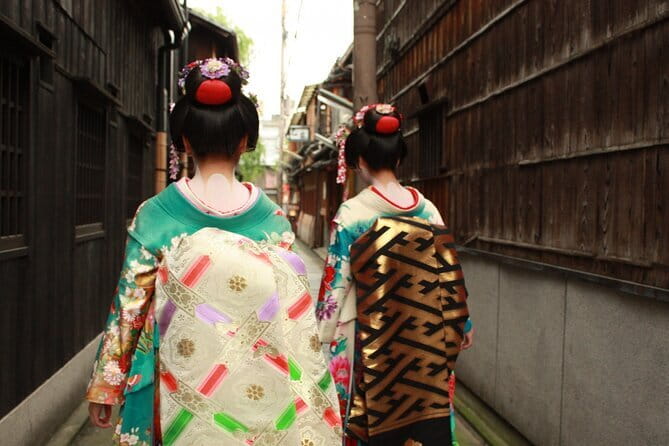
- Kimono photo option
- Playing koto (traditional Japanese instrument)
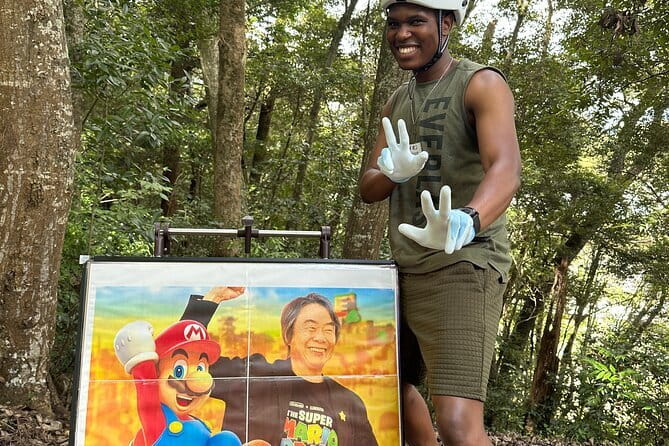
- Mario Mountain Exploration (Mt. Komugi is mentioned as the Mario birthplace)
These extras can change the tone of the day. Kimono photo and koto make it feel more like hands-on cultural play. Spring water and shrine worship lean more spiritual and outdoorsy. The Mario option adds a fun pop-culture angle, but keep timing in mind.
One timing consideration is explicit: exploring Mt. Komugi can extend the tour past 2 PM. So if you’re trying to catch a specific afternoon plan back in Kyoto City, either leave slack time or skip the longer add-ons.
Timing and what to wear for a 10:00 start and a 4 to 5 hour ride
The start time is 10:00 am, and the duration is listed as 4 to 5 hours. Importantly, that total includes cycling travel time between stops.
Between points you’re typically looking at about 10 to 20 minutes on the bike. You’ll get enough breaks for stops, explanations, and meal time, but it’s still a real daytime commitment.
What to wear depends on the season, but the tour provider has planned for cold weather with hand and neck warmers. So even if you think you’re fine, bring layers you can adjust. If rain shows up, expect weather to matter—this is a tour that requires conditions they can ride in safely.
If you’re adding extras, plan your day like a flexible itinerary. The core stops are structured, but add-ons can stretch the timeline.
Price and value: how $78.83 makes sense for what you actually get
The price is listed as $78.83 per person, and it also mentions 15,000 yen for one person. That’s not cheap-cheap, but for Kyoto it can be solid value when you price it against what’s included.
Here’s why it tends to be worth it:
- You’re getting an English guide from the local area.
- You’re riding an e-bike for multiple segments.
- You get a full sightseeing route with free admissions noted for major stops.
- You’re paying for lunch inside the program, not as a separate hunt.
- If you choose extras like kimono/koto or spring water, those are included options.
Also, there are notes about group discounts and a mobile ticket, which can help with smooth payment and coordination.
Where you might decide against it is if you’re the type who wants maximum freedom and you already know exactly how to get to rural spots on your own. In that case, a DIY transit plan could be cheaper. But for most first-time visitors, the guided structure is what turns a half-day into an actually satisfying day.
Who this tour is for, and who might not love it
This tour fits best if you want:
- A rural Kyoto day without going full van tour style
- A mix of culture plus food (especially if you choose Course A)
- A guided countryside experience in English that feels practical, not just ceremonial
- E-bike support for comfortable pacing
It’s also a strong fit for groups. People have described big school groups and families doing this together, and they’ve praised the guide’s clear instructions and warm welcome.
Who might not be ideal:
- If you only want major, famous Kyoto landmarks and don’t care about rural life
- If you have very tight time constraints and can’t handle potential schedule extensions when adding Mt. Komugi
- If you strongly dislike any cycling at all, even with an e-bike assist (the tour says most travelers can participate, but it’s still a bike day)
Should you book this Kyoto Satoyama cycling tour?
Book it if your dream Kyoto day includes Sonobe satoyama, a shrine-and-history route, and a lunch you can’t replicate at home. I’d also book it if you like the idea of an English guide who can explain what you’re seeing in plain terms, and if you’d enjoy food craft like hands-on soba-making.
Skip it (or choose fewer add-ons) if your schedule is too rigid for a potential late finish, especially with Mario Mountain Exploration. And if your travel dates are right on the edge of rain or cold, keep expectations flexible.
If you do book, make sure you request any dietary needs in advance, and tell the guide what extra experiences you want at the start so your day flows without last-minute stress.
FAQ
Where does the Kyoto Satoyama Cycling tour start?
The tour starts at Mizobe-6-21 Sonobechō Oyama Higashimachi, Nantan, Kyoto 622-0041, Japan, and it ends back at the meeting point.
What time does the tour begin?
The start time is 10:00 am.
How long is the tour?
The duration is listed as about 4 to 5 hours, and that total includes travel time by bicycle.
What does the tour cost?
The price is listed as $78.83 per person (also shown as 15,000 yen for one person).
Is there more than one lunch option?
Yes. Course A includes a hands-on soba noodle-making experience plus a soba set meal. Course B focuses on local produce at a restaurant in a traditional Japanese house.
Are vegan, vegetarian, or allergy-friendly meals available?
Yes. Vegan, vegetarian, and allergy-friendly meal options are available upon request.
What extra experiences can you add to the tour?
You can choose two or three extra experiences included in the tour price, such as castle visit, Shinto shrine worship, drinking spring water, kimono photo, playing the koto, and Mario Mountain exploration.
What are the main stops during the tour?
The tour includes visits to Ikimi Tenmangu Shrine, the ruins of Sonobe Castle, an old elementary school area for soba-making (with lunch), and Make Shrine.
Is this tour a shared group or private?
It’s a private tour/activity, so only your group participates.
What happens if the weather is poor?
The tour requires good weather. If canceled due to poor weather, you’ll be notified by 5:00 pm the day before, and you can choose transportation by car, reschedule for another date, or cancel for a full refund.