REVIEW · GIFU PREFECTURE
Private-group Morning Cycling Tour in Hida-Furukawa
Book on Viator →Operated by SATOYAMA EXPERIENCE · Bookable on Viator
The best way to understand rural Japan is by bike. This private-group morning tour in Hida-Furukawa lets you pedal on a 22 km route through rice paddies, old wooden houses, and small farming lanes that feel out of reach when you’re stuck in a car.
I especially like the timing. Morning is when the countryside wakes up, and the ride covers a lot of daily life without eating up your whole day. The other thing I like is the private guide angle—your guide adds real context about what you’re seeing, not just directions and photo stops.
One thing to plan for: the tour is outdoors and runs in the morning, so weather matters. In at least one case, the guide offered options when rain showed up, but you’ll still want to be ready for damp roads and bring practical gear.
In This Review
- Key Highlights You’ll Feel on the Ride
- Hida-Furukawa by Bike: Why Morning Feels Like the Right Choice
- Getting Started at Furukawa: What to Expect Before You Pedal
- The 3.5-Hour Plan: How the 22 km Route Feels in Real Life
- From Old-Town Streets to Rice-Field Views
- Farming Village Sights: Rice Paddies, Mountains, and Folk Houses
- The Local Market Stop: A Simple Way to Understand Daily Life
- What the Guide Adds: Context You Don’t Get on a DIY Ride
- Price and Value: Is $214.48 Worth It?
- Practical Tips: What to Bring and How to Handle Weather
- Who Should Book This Tour (and Who Might Skip It)
- Should You Book the Private-Group Morning Cycling Tour in Hida?
- FAQ
- What is the duration of the Private-group Morning Cycling Tour?
- How long is the bike route?
- Where does the tour meet?
- Is this tour private?
- What’s the maximum group size?
- What’s included in the price?
- Is food or drinks included?
- What should I know about bike storage?
- What are the minimum age and height requirements?
Key Highlights You’ll Feel on the Ride
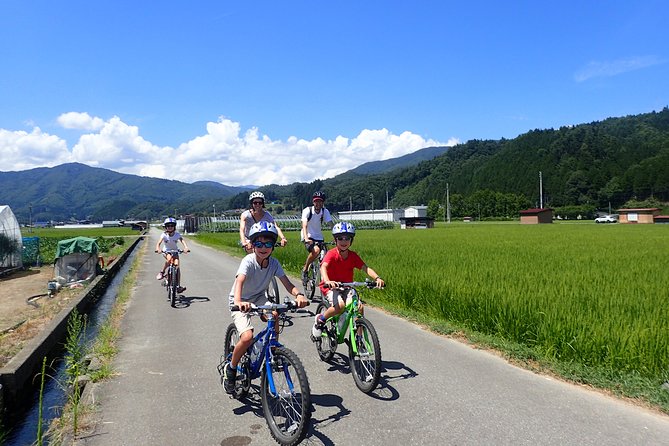
- Private group of up to 8 people, so you’re not lost in a crowd
- 22 km in about 3.5 hours, a strong dose of scenery without going all day
- Old town to Satoyama farming village, with rice fields and mountains in the background
- Local market time with vegetables lined up for everyday cooking
- Helmet, insurance, bicycle, and snacks included, so you travel lighter
- Morning departure when rural life is most visible
Hida-Furukawa by Bike: Why Morning Feels Like the Right Choice
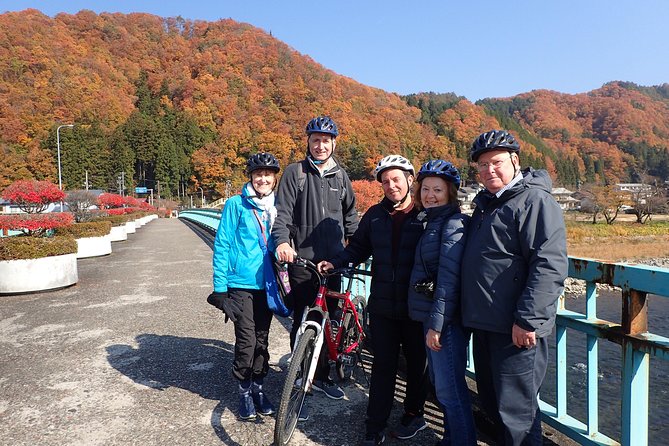
Hida-Furukawa is a place where the quiet is part of the experience. This tour leans into that by running in the morning—when farming areas and small neighborhoods start moving again. You don’t just pass through; you roll through at human speed, so details catch your eye.
A private group also changes the feel. With a maximum of 8 people, your guide can slow down for questions, pause for photos, and keep the pacing comfortable for families. If you’re the type who likes to look longer at houses, fields, and daily routines, that matters.
And because you’re on bikes, you get access to rural roads that feel too narrow or inconvenient for larger vehicles. That’s where the trip becomes more than sightseeing. It turns into a real slice of countryside life.
You can also read our reviews of more tours and experiences in Gifu Prefecture.
Getting Started at Furukawa: What to Expect Before You Pedal
Your meeting point is at the Furukawa office of the local operator in Hida, at 11-32 Furukawachō Ninomachi, Hida, Gifu 509-4235. The start time is listed as 8:30 am, with the tour described as departing around 9:00 am. Either way, plan to arrive a bit early so check-in doesn’t stress you out.
Once you meet your guide, you’ll get set up with the bicycle and helmet. This is also where the tone of the tour sets itself: you’re not handed a gadget and told to go. You’re talking to a person who can explain what you’re about to see in the farming village and why it matters.
Also note: the tour includes snacks, but it does not include food or drinks. That means you’ll want to treat snacks as a helpful add-on, not a meal replacement.
The 3.5-Hour Plan: How the 22 km Route Feels in Real Life
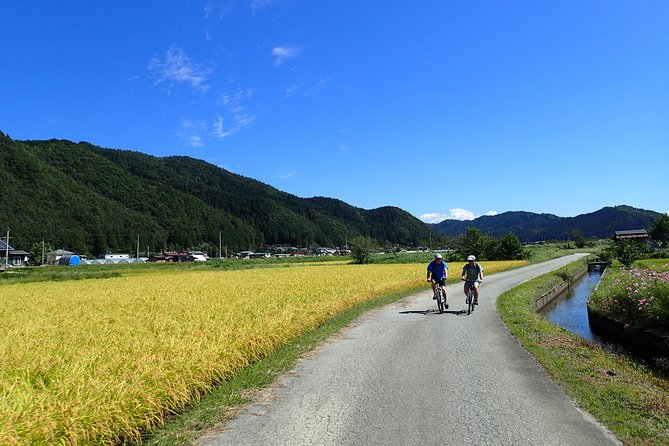
The ride is about 3.5 hours for roughly 22 km. That distance is very doable for most people, especially with a guide controlling the pace. You’re exercising, but you’re also stopping—so it doesn’t feel like a grind or a workout class.
You’ll cover:
- an old town stretch in Hida
- then a move outward toward a farming village
- and a general return back to the meeting point
Because the tour is private and limited to 8 people, the tempo can be adjusted. If someone needs a slower rhythm or a short pause, the group dynamic makes that easier.
One practical note: there’s no basket attached to the bike. So don’t rely on your bike to hold your camera, jacket, or shopping items. Bring a small day bag or backpack you’re comfortable wearing while riding.
From Old-Town Streets to Rice-Field Views
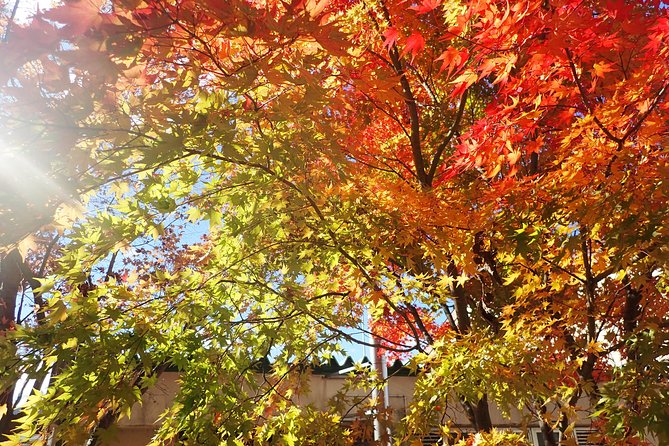
The tour begins with a graceful look at traditional Hida town life. You start in and around the older part of Hida, where you can spot the wooden character of the area—houses that look like they’ve been part of daily routines for generations.
What makes this first phase valuable is that it sets your context before you reach the farming stretches. When you later see fields and rural homes, you can connect what you learned at the beginning to what’s in front of you.
As you move along, Satoyama gradually comes into view. Satoyama is the rural relationship between people and the land—how communities farm, live, and maintain a landscape that supports daily life. On a bike, that connection is easier to “feel” because you’re traveling through it, not viewing it from behind a window.
Farming Village Sights: Rice Paddies, Mountains, and Folk Houses
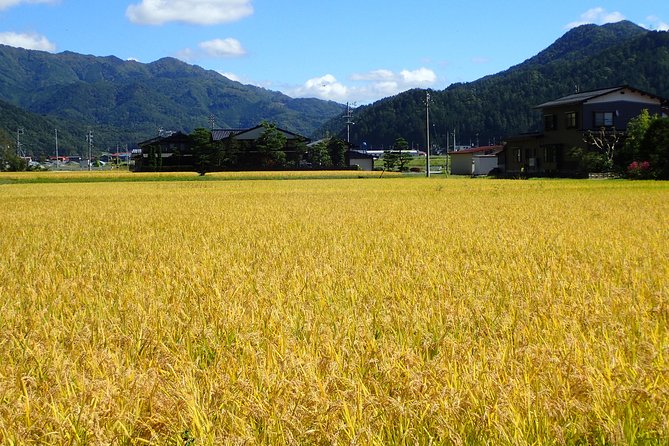
Once the route shifts into the countryside, the scenery changes fast. You’ll pass:
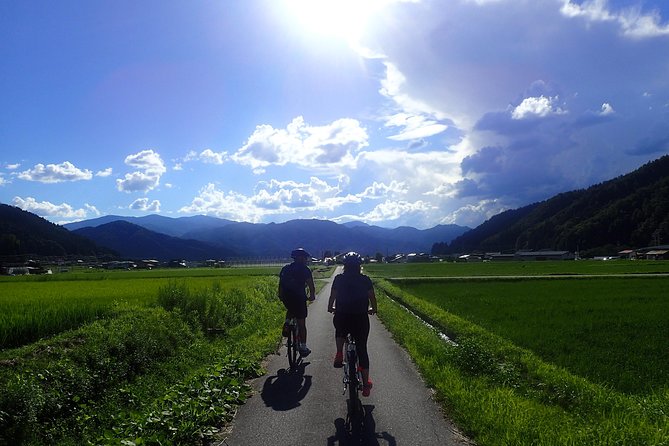
- sprawling rice paddies
- rolling mountains surrounding the area
- and huge old folk houses scattered around the village
This is the part many people come for, and for good reason. The big advantage of cycling here is your vantage. You don’t just see the fields—you notice how they’re arranged, how far the village reaches, and how the mountain backdrop shapes the view.
Also, being on a bike helps you observe daily life more naturally. You’re not looming like a large vehicle. You can slow down, watch what’s happening, and then keep moving when you’re ready.
Keep an eye out for the contrast between the “built” part of the village and the working fields. That shift is a big part of why this tour feels like more than scenery.
The Local Market Stop: A Simple Way to Understand Daily Life
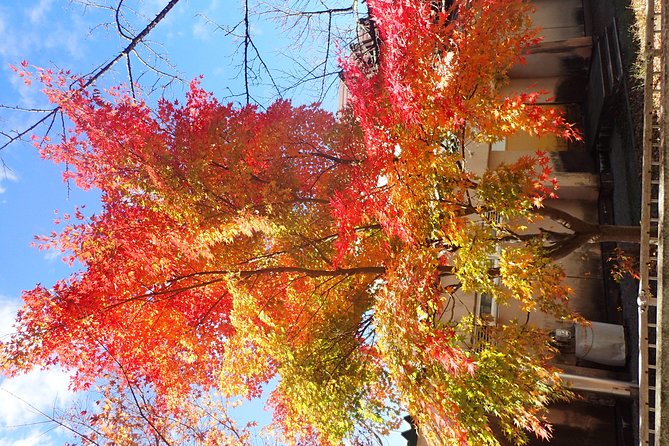
There’s a market element on the route where you’ll see local vegetables lining up. This kind of stop is powerful because it’s ordinary—people handling what they need for cooking and daily meals.
If you like food culture, this is a great moment to pause and look closely. Vegetables at a local market aren’t just colorful props. They’re tied to the season and the rhythms of the countryside.
And it’s also a good way to break up the ride. After cycling through open fields and older houses, a market gives your brain something new: textures, colors, and everyday routines close-up.
Since the tour only includes snacks (no full meals), this stop can also help you decide what you’ll want to eat later. If you’re planning dinner that day, you’ll leave with ideas.
What the Guide Adds: Context You Don’t Get on a DIY Ride
The tour includes a local guide, and that’s a big part of the value. In rural areas, it’s easy to see “pretty scenery” and miss what you’re looking at. A guide helps connect the dots—why certain places exist, how the region developed, and what everyday life looks like beyond postcards.
In particular, the tour is described as being timed for a morning window when rural Japan shakes off sleep and starts moving. A guide can help you interpret what you’re seeing during that time: why this moment matters, and what daily routines might look like as the day progresses.
A private tour also means you can ask practical questions. Want to know what you’re seeing in the village? Ask. Curious about the difference between the town area and the Satoyama farming area? Ask. That back-and-forth is usually the difference between a nice ride and a memorable one.
Price and Value: Is $214.48 Worth It?
At $214.48 per person, it’s not a budget activity. But it’s also not just “bike rental.” Your price includes:
- a local guide
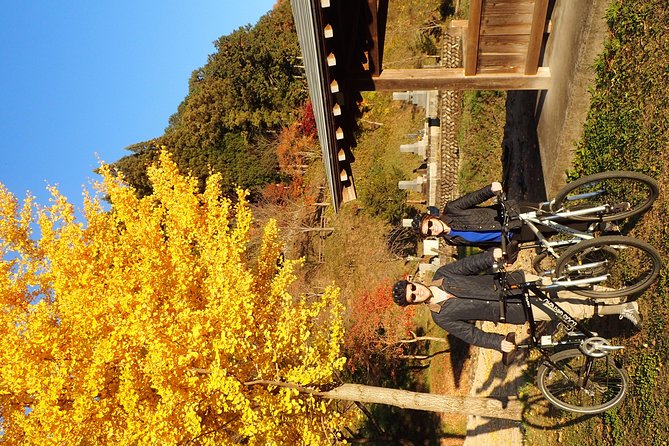
- bicycle use and helmet
- insurance and local taxes
- snacks
When you add that up, the price starts to make sense—especially if you’re traveling as a small group and want something organized that you can’t easily reproduce with the same confidence.
Also consider the time. This takes about 3.5 hours, and the route covers both old town and farming village. That’s a lot of ground in a short window, and it’s done on roads that larger vehicles can’t access as easily.
Group discounts are listed, and the maximum group size is 8. So if you’re not traveling alone, this is usually the moment where value improves fast.
Practical Tips: What to Bring and How to Handle Weather
This tour is outdoors in the morning, so weather can change your experience quickly. One review noted that when rain showed up, the guide offered options right after arrival. That’s exactly what you want to hear—flexibility.
Still, you should come prepared:
- Bring a light rain layer or compact umbrella you can handle on a bike
- Pack water since drinks are not included
- Wear comfortable shoes that work well if you need to step off the bike
- Use a small bag for personal items because there’s no basket attached
If you’re cycling with kids, the tour has a minimum of age 6 and minimum height of about 125 cm. That’s important because it affects how comfortable the ride will be for everyone, especially when stopping.
And because the tour ends back at the meeting point, you’ll want to plan an easy, close-by next activity—something that doesn’t require rushing.
Who Should Book This Tour (and Who Might Skip It)
I think this tour fits best if you:
- want a guided look at rural Japan, not just a self-guided bike rental
- like getting out early and seeing how a region works at the start of the day
- enjoy food culture and daily-life details, like the market vegetables
- are traveling with family and want a structured but not-too-strenuous outing
It might be less ideal if:
- you hate riding in the morning or prefer late-day schedules
- you want a full meal or drinks included (snacks are included, not meals)
- you need bike storage on the bike itself (there’s no basket)
Should You Book the Private-Group Morning Cycling Tour in Hida?
If you want real countryside rhythm—wooden houses, rice paddies, folk houses, and a market stop—this tour is a strong match. The private group size keeps it manageable, and the guide adds context so you aren’t just passing scenery.
I’d book it if you can handle morning starts, bring basic rain gear, and you’re comfortable riding about 22 km in roughly 3.5 hours. If that sounds like your kind of day, you’ll likely leave with a calmer, more grounded sense of Hida than you’d get from a faster tour style.
FAQ
What is the duration of the Private-group Morning Cycling Tour?
The tour runs for about 3 hours 30 minutes.
How long is the bike route?
The route is about 22 km.
Where does the tour meet?
The meeting point is the Furukawa office at 11-32 Furukawachō Ninomachi, Hida, Gifu 509-4235, Japan.
Is this tour private?
Yes. It is a private tour/activity, and only your group participates.
What’s the maximum group size?
Up to 8 people per booking.
What’s included in the price?
A local guide, bicycle use, helmet, insurance, local taxes, and snacks are included.
Is food or drinks included?
No. Food and drinks are not included.
What should I know about bike storage?
A basket is not attached to the bike.
What are the minimum age and height requirements?
Minimum age is 6 years, with a minimum height of about 125 cm.