REVIEW · HANOI
Pu Luong 3-Day Adventure: Trekking, Cycling & Local Cooking Class
Book on Viator →Operated by Divi Travel · Bookable on Viator
Pu Luong feels like another world. In three days you’ll mix trekking, village crafts, and countryside food stops with cycling routes that stay off the main tourist track. You’ll also get Thai-influenced village moments, like silk weaving and stilt-house life, plus a real recharge day by the waterfall.
Two things I liked a lot: meeting guide Nga (and sometimes Sunny with larger groups) and learning hands-on at Lan Village, where you practice weaving silk yourself.
My main caution is the early start. Pickup begins around 6:25–6:35 from Hanoi, and even with a short break you’re looking at a long drive to the reserve. If you’re not a morning person, plan for that. Rainy-season timing can also affect outdoor water play, including river activities.
In This Review
- Key highlights to expect
- First morning logistics: Hanoi pickup, travel time, and what to pack
- Day 1: Arriving at Pu Luong and easing into rural life
- Day 2: Lan Village silk-weaving and Thai-house culture
- Cooking class with a farmers’ family: learn food, then eat it
- Day 3: Bamboo bridge, cycling villages, and Cham Stream by raft
- Lodge time: pool relaxation and the value of a real downtime block
- Price and value: what $219 buys (and where you’ll spend extra)
- Who this tour fits best (and who should rethink it)
- A few smart tips for getting the most out of Pu Luong
- Should you book Pu Luong 3-Day Adventure with trekking, cycling, and cooking?
- FAQ
- What time does the pickup start?
- How long is the drive to Pu Luong Nature Reserve?
- How many days is the tour?
- What’s included in the price?
- Are drinks included?
- Is the group size small?
- Does the tour include a cooking class?
- Is there rafting or swimming?
- What months are best for the rice fields?
Key highlights to expect
- Small group feel (max 9), with guides who can flex for weather and group size
- Lan Village silk-weaving practice, from cocoon-to-textile and then your turn at the loom
- Bamboo rafting and floating lunch on Cham Stream, plus a swim if conditions allow
- Hieu Waterfall downtime that actually feels like a break, not just another stop
- Thai-style village life, including stilt house culture and craft exchanges
- A lodge with pool time, so the trip doesn’t end with nonstop motion
First morning logistics: Hanoi pickup, travel time, and what to pack
This tour is built for the early hours. You’ll be picked up in Hanoi’s Old Quarter (around 06:25–06:35) or from nearby in Ninh Binh (around 08:00–08:30). Then the drive takes roughly 4.5 hours from Hanoi (or 3.5 hours from Ninh Binh) to reach Pu Luong, with a short break along the way.
That matters because it shapes the whole rhythm. You’ll spend the daylight doing the fun stuff, and you won’t feel stuck in traffic all afternoon. Still, it’s a long sit in the van, so come prepared: water for the ride (drinks aren’t included), a light layer for the morning air, and something for sun once you’re outdoors.
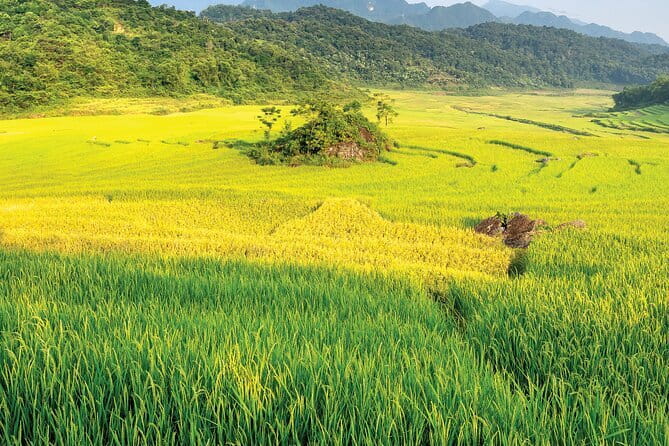
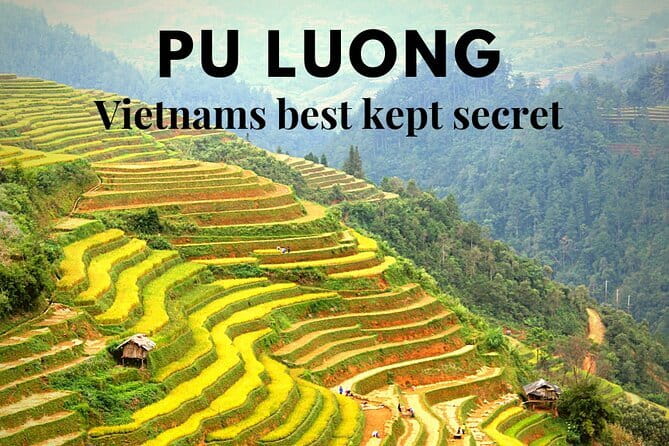
If you’re visiting in August, I’d expect warm rain and wet trails. One of the best tips here is to treat it like “weather happens” rather than “ruined.” Guides can shift plans around, and you’ll still get the core activities. For October, the rice fields tend to look especially good, which matches what people rave about after this trip.
You can also read our reviews of more tours and experiences in Hanoi.


Day 1: Arriving at Pu Luong and easing into rural life
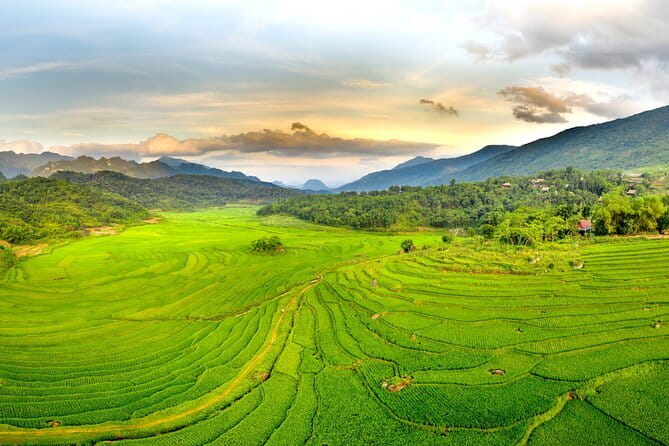
Day 1 starts with the big transition: the drive into the reserve area, then settling into your stay. People describe the accommodation as comfortable and nature-focused, and there’s usually time built in for rest after the travel day. One review also points to a nice homestay setup, which helps you feel connected to the place instead of treating it like a day trip.
What you do on Day 1 centers on getting your bearings in Pu Luong Nature Reserve. You’ll start with the countryside atmosphere—rice paddies, hills, and everyday village rhythms. The tour highlights a few signature experiences that typically land early or mid-trip, and Day 1 is the natural place for them because you’re already committed out here.
Two standouts to look for on this first day:
- A traditional buffalo cart ride through the countryside, which is slower and more sensory than a car. You’ll notice how people live near their fields, not behind them.
- A chance to reset at Hieu Waterfall, with time to relax once you’re done hiking. This is the kind of stop that keeps the trip from feeling like a checklist.
Practical note: if you get rainy-season weather, waterfall time can be especially pleasant. The air is warm, and the misty vibe can feel refreshing. Just bring shoes or sandals that handle mud, and pack a small towel if you expect to get wet.
Day 2: Lan Village silk-weaving and Thai-house culture
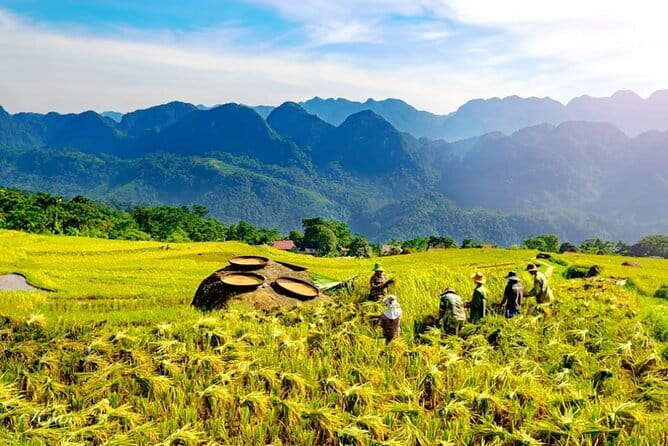
Day 2 is where the trip turns “hands-on.” You start by moving through rice fields and mountain scenery toward Lan Village. Before you head to the work, you’ll get a Thai household visit—an important detail because Pu Luong isn’t one single “Vietnam” story. You’re learning how people here build, make, and live, including craft traditions.
The silk portion is the main event. You’ll see silk weaving from cocoon to textile, and then you’ll actually try weaving your own silk. This is the difference between watching something and learning why it looks the way it does. Weaving teaches you patience: your hands get the logic of the threads even if your results are imperfect.
Why this matters for your trip:
- You get a real skill-based experience, not just a photo stop.
- It gives you a frame for the rest of the journey. Once you understand the work behind textiles, village life reads differently.
Along the way, this day also includes the kind of cultural exchange that makes the tour feel human. Reviews highlight how guides like Nga can explain local customs clearly and with a friendly sense of humor. And because the group is small (up to 9), you’re not stuck being one face in a crowd.
A possible drawback on Day 2 is that any wet weather can slow things down. If it rains hard, outdoor sections can feel longer than planned. That said, the overall structure helps: you’re still doing real indoor-or-protected activities like craftwork and cooking.
Cooking class with a farmers’ family: learn food, then eat it
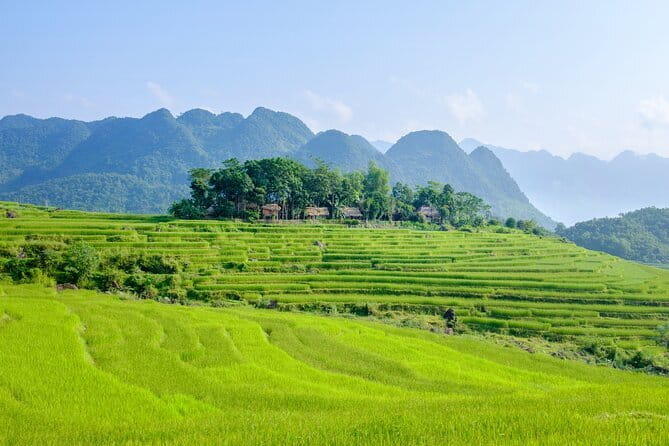
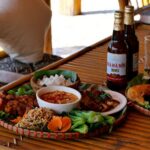
A big value piece of this tour is the cooking class with a welcoming family connected to farming. The tour description points to a cooking class with farmers, and reviews back up that you get an authentic family meal vibe, not a staged restaurant performance.
What you’ll likely enjoy most is the way food becomes part of the landscape. In places like Pu Luong, ingredients are tied to what people grow and raise. When someone shows you how they cook what they can access, you start thinking differently about meals back home.
Also, this is one of the best days to ask questions. If your guide is Nga or Sunny, this tends to be their sweet spot: explaining daily life, tools, and traditions in plain language. You’ll also get lunch as part of the day’s rhythm, so you’re not juggling hunger with travel.
Cooking class practical tips:
- Wear clothes you don’t mind getting a little messy.
- Ask about any ingredients you don’t recognize so you can repeat the flavors later.
Day 3: Bamboo bridge, cycling villages, and Cham Stream by raft
Day 3 begins with a scenery hit and a movement change. You’ll head to a bamboo bridge over the Ma River, where you can see local artisans at work. Then you transition into cycling through nearby villages, with stops that focus on village life and local homes.
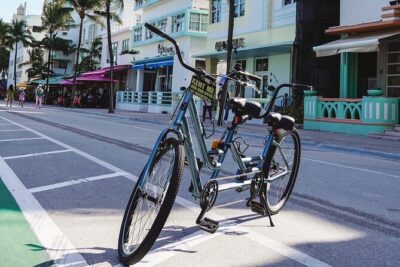
The cycle portion is one of those underrated parts. Cycling is active enough to keep you awake and paying attention, but not so intense that your legs wreck the rest of the day. It’s also a great way to travel through village rhythms—passing houses, small fields, and everyday work without the speed of a car.
From the tour overview, you’ll also get:
- Traditional farming context (including ancient waterwheel-style scenes)
- Village craft and artisan moments as you move
- Time to reach river experiences later on
Then comes the signature water day option: bamboo rafting on Cham Stream, often with a floating lunch served during the ride. If weather allows, you can also swim. Even if you don’t get in the water, the floating lunch concept is memorable because it turns lunch into part of the experience rather than a break from it.
This is also where rainy season matters. The tour explicitly notes some river activities are weather dependent. If rain comes down, you still get the experience, but conditions can change your exact time in the water. The good news: this is typically the kind of day where guides can keep you moving with alternate timing so you don’t feel stuck.


Lodge time: pool relaxation and the value of a real downtime block
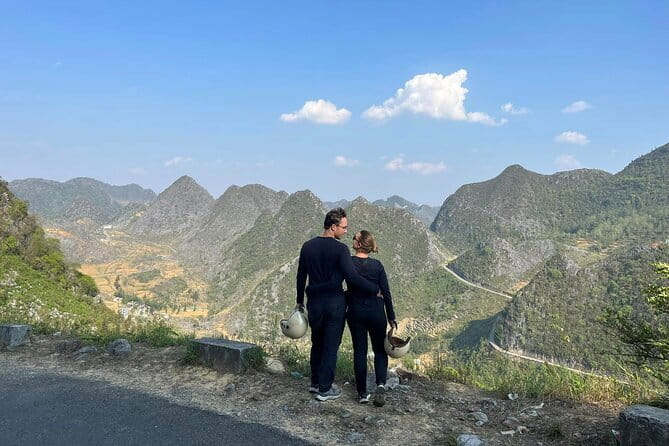
After a trip full of walking, cycling, and craft time, you need a reset. The tour includes time to relax at a comfortable lodge, with a chance to cool off by the pool. Reviews also describe homestay or resort comfort as a strong part of the trip, which makes sense.
This is more than a “nice to have.” Downtime helps you absorb what you just did. When you’re not rushing at every hour, you actually notice the details: how families pace their afternoons, how the light hits the hills, and how quiet feels when you’re away from city noise.
If you travel with a partner or friends, this part is great for decompressing together. It’s also a good moment to journal, sort photos, or just watch life from a distance without feeling like you’re always “on.”
Price and value: what $219 buys (and where you’ll spend extra)
At $219 per person for about three days, this isn’t a budget “only transport” tour. It’s a package that includes multiple meals and entry fees, plus several paid activities.
Here’s what you’re getting that supports the price:
- Pick-up offered
- Entrance fees included
- 3 lunches and 2 dinners included
- Core experiences across three days: trekking, cycling, village visits, silk weaving practice, cooking class, and river time like bamboo rafting
- Small-group setting (up to 9)
Where you should expect extra costs:
- Drinks
- Tips
- Personal expenses
My take: this is good value if you want experiences you can’t easily replicate on your own in a short time. If you’re the type who enjoys planning routes and DIY bookings, you could try to assemble parts of this trip. But the hard part isn’t finding scenery in Pu Luong—it’s lining up craft sessions, village interactions, and the right flow of activities so you don’t waste time.
Who this tour fits best (and who should rethink it)

This trip fits best if you want:
- Hands-on culture, especially silk weaving and a cooking class with farmers
- A mix of gentle-to-moderate physical activity: hiking plus cycling
- Smaller-group attention from guides like Nga (and Sunny in some cases)
- A short break day feel with waterfall and lodge relaxation
You might rethink it if:
- You hate early starts and long drives.
- You need guaranteed swimming or fully dry weather, since some river experiences depend on conditions.
- You only want famous landmarks and big-city sightseeing. This tour is countryside-first.
If you’re traveling solo, this kind of group can feel friendly because the cap is small. If you’re with family, you’ll want to check comfort levels for trekking and cycling, since the day isn’t built as a slow stroller pace.
A few smart tips for getting the most out of Pu Luong
- Bring a small rain layer and plan for wet ground, especially in August.
- Wear shoes that handle mud. Water routes and village paths can get slick.
- Pack sunscreen, because once clouds break, you’ll still be outside during cycling and walks.
- Bring cash for drinks. The tour includes meals, but not everything you’ll want to sip.
- Ask your guide about what you’re seeing during craft stops. If you go in curious, you leave with more than photos.
Should you book Pu Luong 3-Day Adventure with trekking, cycling, and cooking?
If you want Pu Luong to feel like a lived-in place—fields, crafts, cooking, river time, and village learning—then yes, I’d book it. The best reason is the combination: physical scenery time plus hands-on culture like silk weaving, and a cooking class that connects food to farming.
Choose it especially if you like small-group tours with guides who can explain daily life in a relaxed, funny, human way. If you’re okay with an early start and you pack smart for rain, this itinerary gives you a strong “three days, lots of meaning” payoff without feeling like it’s rushing you through everything.
FAQ
What time does the pickup start?
Pickup starts around 06:25–06:35 in Hanoi’s Old Quarter, or around 08:00–08:30 from Ninh Binh.
How long is the drive to Pu Luong Nature Reserve?
It’s about 4.5 hours from Hanoi to Pu Luong, or about 3.5 hours from Ninh Binh, usually with a short break.
How many days is the tour?
The experience is 3 days.
What’s included in the price?
Entrance fees are included, along with 3 lunches and 2 dinners. Pickup is offered, and there are mobile tickets.
Are drinks included?
No. Drinks are not included, and you’ll also want to plan for tips and personal expenses.
Is the group size small?
Yes. The tour has a maximum of 9 travelers.
Does the tour include a cooking class?
Yes. It includes a cooking class with farmers, plus lunch and dinner as part of the schedule.
Is there rafting or swimming?
Bamboo rafting on Cham Stream is included, with a floating lunch. Swimming is mentioned as an option if the weather allows.
What months are best for the rice fields?
The tour is described as especially beautiful in October for the rice fields, while August can be warm and rainy.