REVIEW · NAHA
Afternoon Adventure: Okinawa Local Cycling with Spectacular Views
Book on Viator →Operated by Discovery Bicycle Tours Okinawa / e-CHARIty Naha · Bookable on Viator
Pedal into Okinawa’s everyday magic. This Naha tour blends daily neighborhoods with Ryukyu history, powered by e-bikes and a guide who gets you to the best photo angles, including the panoramic stop in Shurisakiyamacho. I like how the route feels local, not like a checklist, and how the stops connect across pottery, shrine lanes, and castle-town streets. The only drawback to factor in: you’ll be riding for 3.5 hours, so come ready for some hills even with power assist, and dress for evening chill.
In practice, this is the kind of afternoon outing that turns time in Naha from “I saw a few sights” into “I get the place.” You’ll start right by Makishi Monorail, roll through working streets, and finish with an easy return so you still have energy to explore on your own.
In This Review
- Key Highlights to Watch For
- Why Cycling Naha and Shuri Feels Better Than Walking
- Meeting at e-CHARIty by Makishi Monorail: Fast Start, Clear Safety
- Tsuboya Yachimun Dori: Pottery Streets With a 300-Year Backstory
- Passing Asato Shotengai and Local Neighborhood Streets
- Shurikinjocho Stone-Path Road: Shuri Castle Town on Footpath Scale
- Shurijo Castle Park and Shureimon Gate Photos
- Shurisakiyamacho Viewpoint: Panoramic Naha City in 20 Minutes
- Rolling Back to Kokusai Street: Finish Clean, Keep the Afternoon
- Price and Value: Is $99.10 Worth It?
- What to Bring (So You’re Comfortable the Entire Ride)
- Weather and Route Changes: Plan for Flexibility
- Who This Tour Fits Best (And Who Might Skip It)
- Should You Book This Naha Cycling Adventure?
- FAQ
- How long is the Okinawa local cycling tour?
- Where do I meet the guide and pick up the bike?
- What is included in the price?
- What should I bring for photos?
- What happens if the weather is bad?
- How many people are in the group?
- Is the tour suitable for beginners?
Key Highlights to Watch For
- Small group size (max 5) for a calmer pace and more guide time
- Power-assisted e-bikes that make Shuri-area inclines feel doable
- Tsuboya Yachimun Dori pottery history, tied to the Ryukyu Kingdom’s kiln consolidation
- Shuri Castle town lanes with stone paths, temples, and sacred shrines
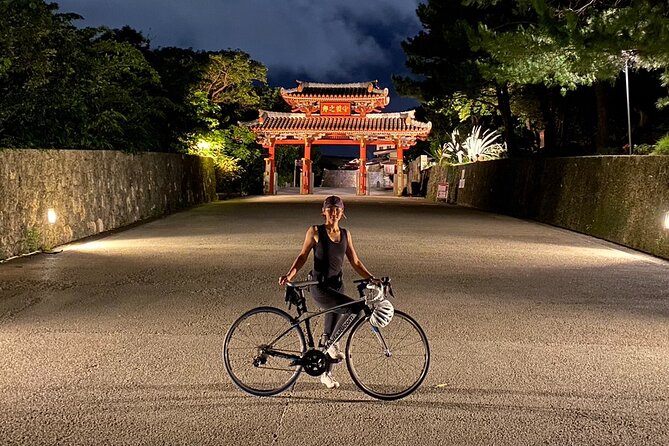
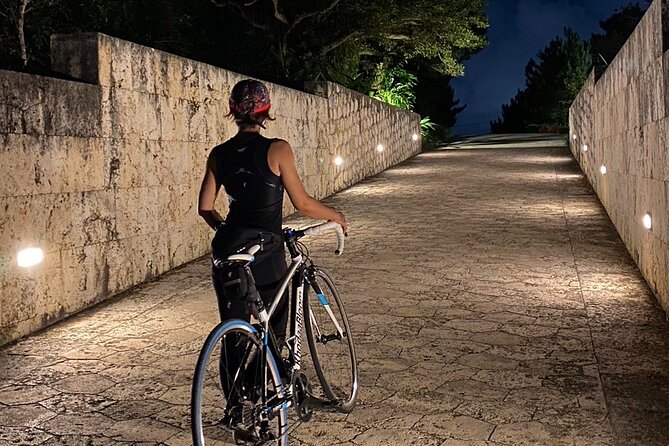
- Shureimon gate and illuminated stone walls at Shurijo Castle Park for standout photos
- Panoramic city viewpoint in Shurisakiyamacho for Naha skyline shots
Why Cycling Naha and Shuri Feels Better Than Walking
Naha can be a bit of a patchwork: markets here, back streets there, and then suddenly you’re in Shuri Castle country. A bike solves the “what order should I do this in” problem fast. You cover real ground without feeling rushed, and you move at the speed that lets you notice the stuff you’d miss on a bus or from a sidewalk.
I also like the way this route mixes old-and-new. You’ll ride through areas where local houses still show up, then pivot into Shuri’s historical streets. That contrast is the point. Okinawa isn’t just scenery—it’s a living place, and the bike format lets you see daily life while still hitting major cultural anchors.
You can also read our reviews of more tours and experiences in Naha.

Meeting at e-CHARIty by Makishi Monorail: Fast Start, Clear Safety
You meet near Makishi Monorail station, at 3-chōme-13-20 Makishi—just a one-minute walk from the station. The setup is simple: grab your bike, get a quick safety briefing, and then roll out.
This matters more than it sounds. When you’re heading into older neighborhoods and tighter streets, you want everyone on the same page for spacing and turns. The tour includes a helmet and a cycling guide, and some helmets are fitted with microphones so the group can communicate while riding. That’s a practical detail that makes the whole experience feel smoother.
If you’ve never ridden an e-bike, don’t panic. The power assist is one of the reasons people rate this tour so highly, especially on the uphill sections toward Shuri.
Tsuboya Yachimun Dori: Pottery Streets With a 300-Year Backstory

The ride’s first culture stop goes to Tsuboya Yachimun Dori. The word Yachimun means pottery in Okinawan. Here’s the key historical thread: around 300 years ago, the Ryukyu Kingdom gathered scattered pottery kilns and brought them together in this area.
That one fact changes how you see the street. Instead of treating it like a souvenir corridor, you start looking for the deeper rhythm—how an industry shaped a neighborhood. The stop is about 30 minutes, long enough to wander at a relaxed pace without feeling like you’re stuck in one shop.
Tip: If you’re the type who likes learning through looking, bring your curiosity. Even if you don’t buy anything, you’ll get more from the walk when you understand why the area exists.
Passing Asato Shotengai and Local Neighborhood Streets

Between the planned stops, you’ll ride through the vicinity of Asato Shotengai. It used to be known as a red-light district, and in the evening the area becomes lively with izakayas and eateries. On an afternoon tour, you won’t get the full night energy, but you’ll still see how layered the streets are—history and food culture sitting side by side.
You’ll also pass through a more local stretch of Naha where a few traditional houses still remain. This is the part that makes the tour feel like you’re moving through real life, not just between major sites. You catch the “how people actually live” textures: quiet residential rhythms mixed with occasional landmarks.
This section is also good for resetting your pace. If you’re tired from previous days of walking, you can lean into the ride and let the guide’s narration carry you.
Shurikinjocho Stone-Path Road: Shuri Castle Town on Footpath Scale
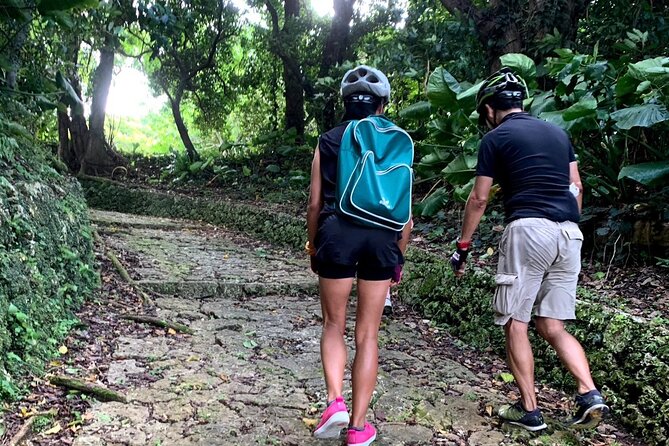
Next comes Shurikinjocho Stone-Path Road, where you explore the Shuri Castle town area—formerly the capital of the Ryukyu Kingdom. This is where the tone shifts toward classic old-street atmosphere: cobblestones, temples, and sacred shrines.
The stop runs about an hour. That’s a sweet spot. Long enough to slow down and look closely, but not so long that the bike becomes a second thought. A good guide keeps you moving just enough to avoid crowding or dead ends, while still giving you the time to absorb the details.
One practical plus: Shuri’s terrain can feel steep in parts, but the e-bikes help you stay in control and keep your energy for the walking sections. In short, you get the historical vibe without paying for it with your legs.
Shurijo Castle Park and Shureimon Gate Photos
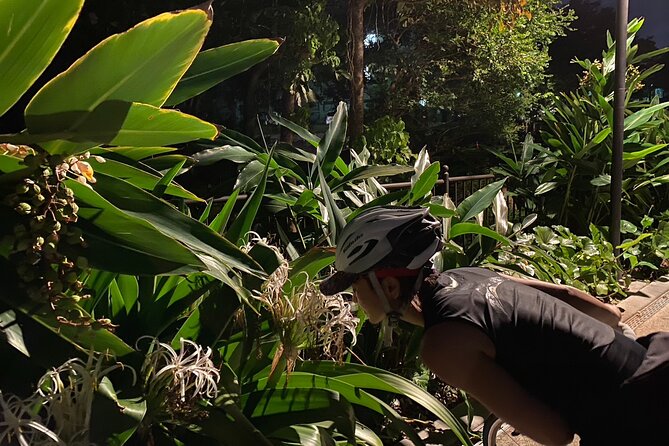
After the stone-path lanes, you’ll move into Shurijo Castle Park for a leisurely pass—about an hour. This is a “take it in” section. The park is described as showing seasonal beauty in the plants, and the tour highlights photogenic elements like illuminated stone walls and the Shureimon gate.
Even if you’re not visiting at night, this stop still works because the view angles are set up for photos and perspective. The gate and walls are the kind of landmarks that look different from different distances, and the bike keeps you from being stuck at only one viewing point.
If you care about pictures, this is a stop to actually slow down. Stand where you can frame the gate and walls, then shift positions. You’ll feel the difference quickly.
Shurisakiyamacho Viewpoint: Panoramic Naha City in 20 Minutes

The final highlight is Shurisakiyamacho, where your local guide takes you to a viewpoint with a panoramic look over Naha City. You get about 20 minutes here, and the tour calls it a highly recommended photo spot.
This stop is great for a simple reason: it gives you a sense of scale. After winding through streets and castle-town lanes, you finally see how the city spreads out. It’s also a good mental reset—your brain moves from “old stone and narrow streets” to “whole city geography.”
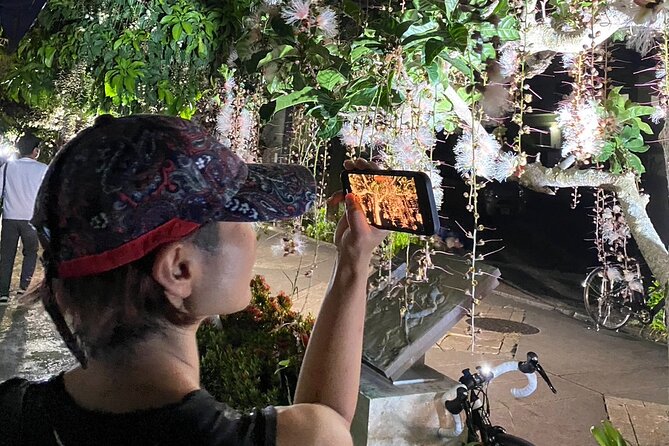
Photo tip: You might want to bring a way to stabilize your phone. Camera mounts and a mobile phone holder aren’t included. A small strap or a simple brace technique can save you from shaky shots.
Rolling Back to Kokusai Street: Finish Clean, Keep the Afternoon
At the end, you return your bicycles at the e-CHARIty Naha shop on Kokusai Street area, and the tour ends back at the meeting point. The ride time is short for the return—about 5 minutes—so you’re not dragging yourself home.
That means you still have time to explore Naha after the tour on your own. If you want to keep the momentum, think about pairing this with a meal around Makishi or Kokusai Street. The whole point of doing it mid-afternoon is that you don’t burn your day on logistics.
Price and Value: Is $99.10 Worth It?
At about $99.10 per person for roughly 3.5 hours, you’re paying for three things: bike access, a guided route, and the fact that you’re not dealing with navigation.
What makes it feel fair is the combination:
- Bike rental plus an installed helmet means you show up ready to ride
- A cycling guide handles the route decisions so you spend your energy enjoying the streets
- e-bike power assist helps with inclines toward Shuri, which is where many self-guided plans struggle
Also, the maximum group size is 5 travelers, so you aren’t stuck in a big pack. That kind of group size is often the difference between a tour that feels like transportation and one that feels like a real outing.
If you’re traveling light, this still works. Just accept that you’ll need to manage your own camera setup since phone mounts aren’t provided.
What to Bring (So You’re Comfortable the Entire Ride)
This is an afternoon cycling tour, and Okinawa can cool off later, so bring something for the evening. Beyond that, think practically:
- Wear clothes you can move in while riding
- Bring water for the day
- Bring a way to hold your phone if you want steady photos (phone holder not included)
One more mindset tip: treat it like a city walk with wheels. You’ll get the most enjoyment if you’re relaxed about pauses, turns, and short walking moments.
Weather and Route Changes: Plan for Flexibility
The tour runs on good weather. If precipitation probability exceeds 70% or severe weather shows up, the plan can change. If that happens, the shop contacts you the day before.
This isn’t unusual for outdoor cycling, but it’s still worth keeping in mind when you plan your day. A flexible afternoon slot makes this tour feel even better.
Who This Tour Fits Best (And Who Might Skip It)
This tour is ideal if you:
- Want local neighborhoods and Ryukyu history in one half-day
- Prefer small-group guiding over large bus tours
- Like bike travel, especially if you might struggle with hills on a regular bicycle
- Want a photo-focused viewpoint stop without spending hours figuring it out yourself
You might think twice if you:
- Hate any uphill effort, even with e-bike assist
- Expect lots of time at a single indoor museum or long gallery stop
- Need phone-camera mounts provided (they aren’t included)
Should You Book This Naha Cycling Adventure?
I’d book this if you want a smarter way to see Naha and Shuri in one go—without feeling like you’re speed-running tourist stops. The biggest selling points are the small group, the e-bike help on the route, and the mix of pottery street history with Shuri Castle town atmosphere and a true city viewpoint.
If your schedule is tight but you still want meaningful culture and great views, this is a strong fit. If you’re choosing between this and a purely walking plan, the bike format usually wins in comfort and time—especially when the route includes Shuri’s terrain.
FAQ
How long is the Okinawa local cycling tour?
It’s about 3 hours to 3 hours 30 minutes.
Where do I meet the guide and pick up the bike?
You meet at 3-chōme-13-20 Makishi, Naha, Okinawa 900-0013, Japan, near Makishi Monorail station (about a 1-minute walk).
What is included in the price?
The tour includes bicycle use, an installed cycling helmet, a cycling guide, and bike rental.
What should I bring for photos?
Camera mounts and a mobile phone holder are not included, so bring your own setup if you want to stabilize your phone.
What happens if the weather is bad?
If precipitation probability exceeds 70% or there is severe weather, the tour plans may change. You’ll be contacted the day before.
How many people are in the group?
The tour has a maximum of 5 travelers.
Is the tour suitable for beginners?
Most travelers can participate, and the power-assisted e-bikes make it easier for riding around inclines.