REVIEW · UBUD
Kintamani Cultural and Nature Cycling Tour ( Manual Bike )
Book on Viator →Operated by Greenbike Adventure · Bookable on Viator
Bali by bike beats another hot drive around town. This manual cycling tour drops you into working villages, rice terraces, and forested paths, starting from the Kintamani area and heading downhill away from the busiest tourist zones. You get round-trip transport from Ubud plus a guide who talks through everyday life, food, and local crafts as you ride.
What I like most is how the route mixes views with real human moments: plantation coffee at the start, short terrace stops for photos, and home visits where you can understand how people live around the rice fields. I also like that you’re not left to figure it out yourself—guides often ride as a lead and a sweep, calling out hazards and keeping the pace easy to manage.
One thing to consider: because this is a manual bike and the roads can be narrow with bumps, you’ll want to double-check your bike gears before you roll. Also, pickups and timing are usually smooth, but one bad day has shown up in past feedback—so I’d plan to be ready and allow a little buffer.
In This Review
- Key things to know before you pedal
- Manual downhill cycling from Kintamani: why it feels more local
- Timing and flow: a long day that stays manageable
- Stop 1: Greenbike Adventure coffee break in the plantation
- Tegallalang photo stop: quick terraces, no big detours
- Kintamani start and the Abuan village home visit
- Taro coffee and Gunung Raung Temple: a temple stop with character
- Bresela rice fields and irrigation talk: seeing how it works
- Payangan finish at Hyang Api Temple, plus the Greenkubu lunch setup
- Safety, bike fit, and effort level on a manual bike
- Guides and pacing: why the lead-and-sweep team matters
- Value check: is $33 worth it?
- Small practical tips that actually help
- Who this cycling tour suits best
- Should you book Kintamani Cultural and Nature Cycling?
- FAQ
- How long is the Kintamani Cultural and Nature Cycling Tour?
- Do I get pickup and transport from Ubud?
- What food and drinks are included during the tour?
- Is the tour suitable for beginners, and how hard is the ride?
- What bike skills should I have since it’s a manual bike?
- What should I bring with me?
Key things to know before you pedal
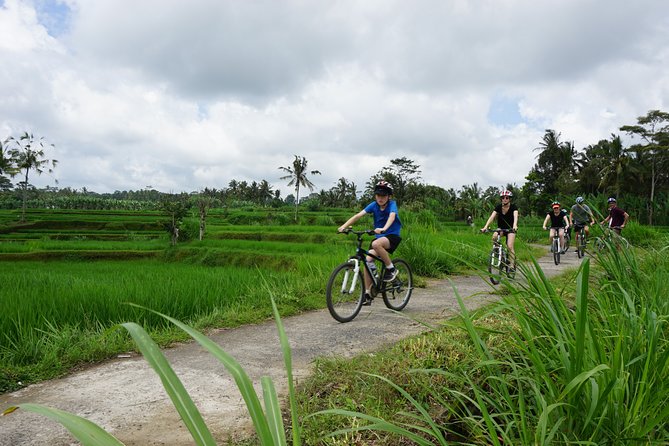
- Mostly downhill, easy work: Expect a ride that’s described as about 95% downhill, so you’re not grinding uphill for hours.
- Two guides on the route: A lead and a sweep help with spacing, directions, and safety on traffic crossings.
- Village stops, not just viewpoints: You’ll get home visits and hands-on context about Balinese daily life and local food.
- Coffee, lunch, and snacks included: Breakfast is usually light coffee time, then you end with lunch at Greenkubu Cafe.
- Narrow roads with potholes: Plan for uneven sections even though the ride is gentle overall.
- Max group size 50: The operator caps the group, and the guide setup helps keep control on the road.
Manual downhill cycling from Kintamani: why it feels more local
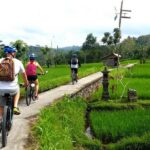
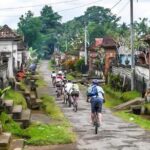
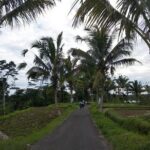
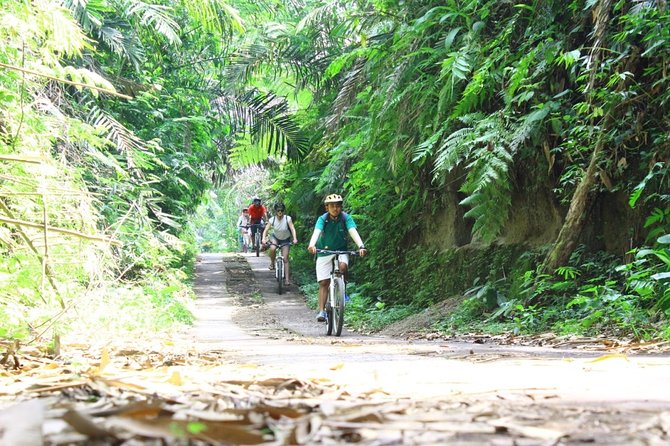
This tour’s whole trick is simple: start higher, ride down, and stay off the most crowded look-at-me routes. The scenery changes as you go—plantations at the beginning, then rice terraces, then village alleys and quieter country lanes that feel like they belong to locals, not bus tours.
The guide component matters, too. When someone explains how religion shows up in daily routine, or how rice fields are organized among families, the countryside stops being just pretty background. It becomes a working system you can actually picture.
And because you’re on a bike instead of in a vehicle, you notice small stuff: the rhythm of back lanes, the smell of cooking food near houses, and the way people move through fields and irrigation channels.
You can also read our reviews of more tours and experiences in Ubud.
Timing and flow: a long day that stays manageable
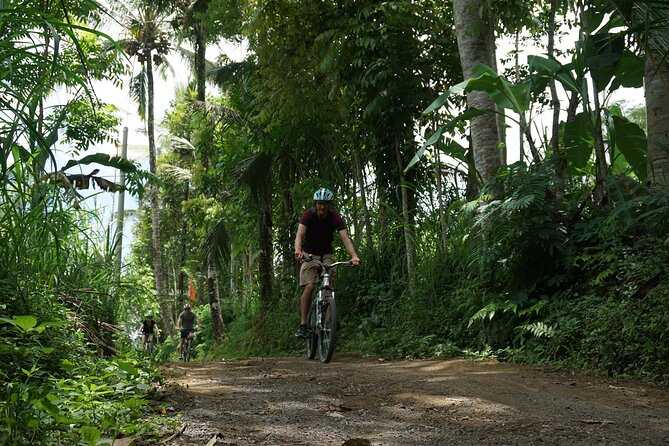
The ride runs about 7 to 9 hours. That’s long enough to feel like a full outing, but it doesn’t feel like a nonstop pedal-fest because you’re built around breaks and short stops.
A typical rhythm looks like:
- Coffee and pancakes or a smoothie bowl at the plantation area (with gluten-free available on request)
- A quick photo stop at Tegallalang rice terraces
- Starting your downhill ride from the Kintamani area (Abuan Kintamani village)
- Several village and rice-field stops with short walks/observations
- Lunch at Greenkubu Cafe, plus a quick swing-style stop at the restaurant area
That structure is part of the value. You’re not just getting scenery—you’re getting context, food, and photo moments without turning the day into a marathon.
Stop 1: Greenbike Adventure coffee break in the plantation
You kick off with hotel pickup in Ubud, then ride up to the plantation area for your first break. This is where you get coffee and a meal option like pancake or a smoothie bowl, and it’s set up so you can handle common dietary needs—gluten-free requests are mentioned as being available.
Why this stop matters: it’s not just breakfast. It’s a reset. Your body warms up, you get oriented, and the guide can check that you’re comfortable on the bike before heading into the downhill parts.
Practical note: wear sunscreen early. The morning can still burn fast once you’re outdoors.
Tegallalang photo stop: quick terraces, no big detours
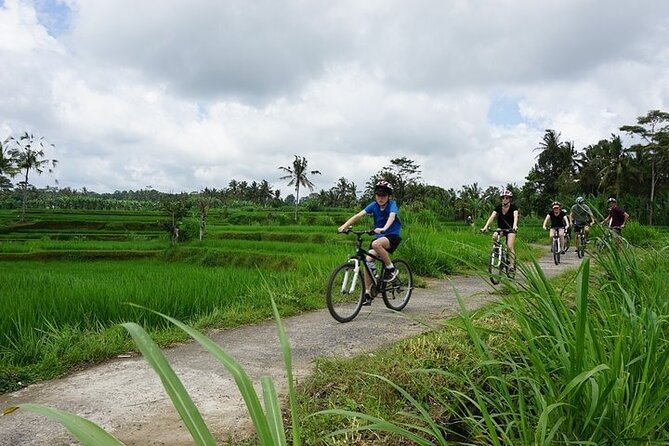
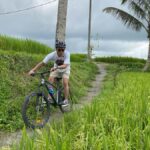
At Tegallalang, you get a short stop—about 15 minutes—to take photos of the rice terraces. This is one of those moments that’s great for visuals, but you shouldn’t expect a long wander.
The upside is that you can capture the terrace look without losing your whole morning. The trade-off is that if you want slow, deep exploring, you’ll need separate time beyond this tour.
Kintamani start and the Abuan village home visit
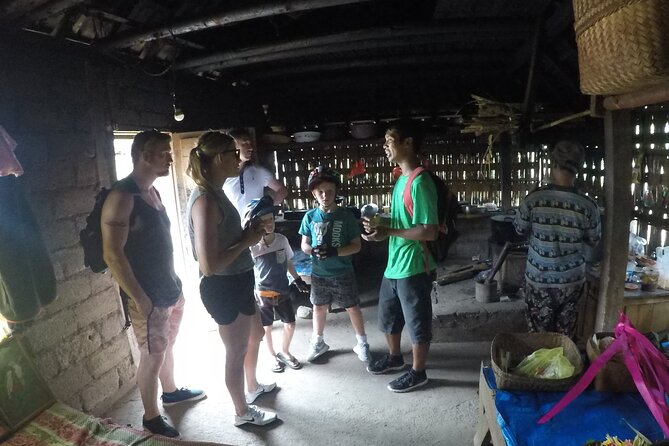
Your biking route starts in the Abuan Kintamani village area. You’ll then ride into the next cultural moment: a stop in Abuan for a visit to a local home, lasting about 45 minutes.
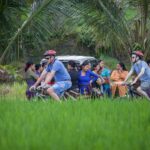
This is where the tour becomes more than scenery. You’re not just seeing fields—you’re hearing how people organize daily life around them. In the shared stories you’ll hear on this route, religion shows up as something practical (not a lecture), and rice-field life is explained as a family-and-community effort.
If you like tours where you can ask questions, this home visit is the kind of stop that gives you that back-and-forth feel.
Tip: if you’re hoping to film or photograph, bring a small backpack so your hands stay free and you’re not wrestling with a bag while the guide moves the group.
Taro coffee and Gunung Raung Temple: a temple stop with character
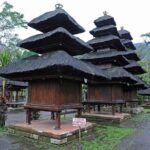
Next up is Taro. You’ll have a coffee break here and also visit a temple called Gunung Raung Temple, noted as one of the most unique temple spots in Bali.
This stop is about variety. After rice terraces and villages, you get a more spiritual landmark moment—then you roll onward through more farmland settings. It’s a good change of pace, and it breaks the day into clear sections.
If you’re photo-oriented, treat this stop like a time-box. The time is enough to see the temple and get your pictures, but you still want to stay present for what the guide says.
Bresela rice fields and irrigation talk: seeing how it works
At Bresela, you stop in the rice fields area to understand the irrigation system—about 45 minutes. This is the kind of explanation that clicks when you’re standing where water control actually happens.
Instead of just calling rice-growing beautiful, this part helps you understand why it’s possible. You start noticing how pathways, water channels, and field boundaries create a working landscape.
If you like practical learning—how something functions more than just what it looks like—this is one of the best stops.
Payangan finish at Hyang Api Temple, plus the Greenkubu lunch setup
Your ride finishes at Hyang Api Temple in Payangan, around 30 minutes. Then the day shifts into the food and decompression portion: lunch at Greenkubu Cafe, about 1 hour, with a swing-style attraction also referenced at the restaurant.
This ending arrangement is handy. You get the finish-point moment, then you can relax and eat without needing another transport shuffle.
Also, it helps that the lunch stop is built into the schedule rather than left as a guess. When lunch is included, it usually means the timing is designed to keep the group energy stable.
Safety, bike fit, and effort level on a manual bike
This is a mostly downhill tour, and you should expect the ride to feel easy in terms of endurance. One detail that comes up repeatedly: riders describe it as about 95% downhill, with guides calling out directions and possible hazards so you don’t get surprised.
Still, it’s not a “sit back and coast” cruise. You’re dealing with:
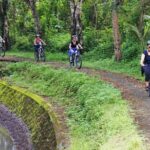
- narrow paths and village lanes
- occasional bumps and potholes
- real bike handling on a manual shift
That’s why you want walking or sport shoes, not sandals. And before you move off from the start point, do a quick gear test. The route is designed for an easy day, but if your bike isn’t shifting smoothly, it can turn into unnecessary stress.
What I’d do if I were booking: bring calm confidence. Manual riding doesn’t have to be perfect, but if you can shift smoothly at low speeds, the ride stays fun. If you’ve never ridden a manual before, this might still work—but you should be willing to learn carefully while the guides handle positioning.
Guides and pacing: why the lead-and-sweep team matters
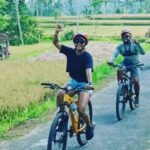
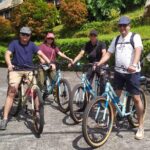
This tour’s quality isn’t only the route. It’s the fact that you don’t ride alone. Guides are typically set up in a lead and sweep pair, so the group stays together and nobody gets stuck behind traffic or confused about turns.
You may run into guides including names like Gede, Ben, Wayan, Amin, Gudday, Yoga, or Madi (depending on your day). The common thread is the same: they’re friendly, they explain what you’re seeing, and they pay attention to safety.
If you’re doing this with kids, the setup can be reassuring. Separate mention exists that the guides take extra care when children are on the ride.
Value check: is $33 worth it?
At $33 per person, the value is strong because it bundles several things most half-day experiences charge extra for:
- Round-trip transport from Ubud
- coffee and food breaks during the tour
- lunch at Greenkubu Cafe
- snacks included
- a guided ride with multiple cultural stops
On the itinerary, some elements are marked as admission included (notably the Greenbike Adventure start and the lunch stop), while other stops are listed as free admission. In practice, that means you’re not paying multiple separate entrance fees to get the full day.
The only way it won’t feel like value is if you want a long, slow, museum-style experience at each stop. This is paced for cycling and variety, not deep stays.
Small practical tips that actually help
Here’s what I’d pack and plan around this day:
- Sunscreen early. You’ll be outdoors for hours.
- Bring bug spray if you’re sensitive to bites (it’s specifically mentioned as worth doing).
- Small backpack for phone/camera so you can carry items safely on bike breaks.
- Walking/sport shoes so you can handle uneven ground near stops.
- If you’re sensitive to food, plan around the coffee-and-break meal style. Gluten-free is noted as possible with request.
Also, decide your comfort level with a manual bike. If you’re fine changing gears, the experience stays smooth. If you’re not, take it slowly at the start and ask the guide to help you get settled.
Who this cycling tour suits best
This is a great match if you:
- want a gentle, mostly downhill bike day
- enjoy village life context more than just photo stops
- like guided explanations about rice fields, irrigation, and daily routines
- want included food so you don’t spend your day searching for lunch
It’s less ideal if you:
- hate uneven roads or potholes
- can’t handle manual shifting at all
- need strict timing precision for hotel drop-off (there has been at least one timing complaint in past feedback)
Should you book Kintamani Cultural and Nature Cycling?
I’d book it if you want a day that feels practical and real: countryside riding, short cultural stops, and the payoff of coffee and lunch without added hassle. The route design—starting from Kintamani, moving downhill, and pairing a lead-and-sweep guide setup—makes it easier than most people expect.
I wouldn’t book it blindly if you’re worried about bike mechanics. Do a quick gear check at the start, wear proper shoes, and accept that some village lanes can be bumpy.
If you’re aiming to see more than the same crowded viewpoints, this tour is one of the better ways to do it for the price.
FAQ
How long is the Kintamani Cultural and Nature Cycling Tour?
The tour runs about 7 to 9 hours.
Do I get pickup and transport from Ubud?
Yes. Round-trip transport from Ubud is provided, and hotel pickup is offered.
What food and drinks are included during the tour?
You’ll have coffee at the start and additional coffee breaks during the tour, plus lunch at Greenkubu Cafe. Snacks are also included.
Is the tour suitable for beginners, and how hard is the ride?
Most of the ride is downhill and is generally described as easy. Still, it’s on a manual bike and you’ll ride on narrow roads with possible potholes, so you’ll need basic comfort and careful handling.
What bike skills should I have since it’s a manual bike?
You’ll be riding a manual bike, so being able to shift gears comfortably at low speeds will make the ride easier.
What should I bring with me?
Wear walking or sport shoes, use sunscreen, and consider bringing a small backpack for your camera or video.