REVIEW · MOSHI
Chagga Villages in Mount Kilimanjaro Cycling Day Trip
Book on Viator →Operated by One Bike Tanzania · Bookable on Viator
Chagga village life looks different when you reach it by bicycle. This day trip around Moshi and Kilimanjaro’s base is one of the more human-feeling ways to see the Chagga villages up close, with a private guide translating daily farming life as you ride. Two things I really like are the chance to pedal through banana and coffee farms and the relaxed pacing with an English-speaking guide. The main thing to consider: the route mixes tarmac and dirt, and it is a moderately difficult day—so be honest about your comfort level before you commit.
You’ll start in Moshi at 8:30am, then work your way north toward Kibosho with some gradual climbing that gets steeper near the end. Expect about 5 to 7 hours total for roughly 39km, plus time to stop, look, and learn. If you want a cultural visit that moves at your speed instead of a long bus day, this is a strong option.
In This Review
- Key Things to Know Before You Pedal Through Chagga Villages
- Moshi To Kilimanjaro Base: Why This Ride Feels So Personal
- Meeting Point Details (So You Don’t Lose Time Rolling)
- The Ride Profile: 39km Over Tarmac and Dirt
- Moshi Start and the Shanty Town Area: A Reality Check Before the Farms
- Northbound Climb Toward Kibosho: Where the Effort Makes the Learning Stick
- Through Chagga Villages: Coffee and Banana Farms as Everyday Infrastructure
- The Lunch Break: Fueling Up Without Derailing the Day
- Going at Your Pace on Dirt Sections and Steeper Bits
- Pricing and Value: Why About $101 Can Actually Make Sense
- How to Prepare (Without Overthinking It)
- Who This Day Trip Fits Best
- Should You Book the Chagga Villages Cycling Day Trip?
- FAQ
- How long is the Chagga Villages cycling day trip?
- What distance will I cycle?
- How difficult is the route?
- What’s included in the price?
- Is this tour private?
- What should I know about drinks?
Key Things to Know Before You Pedal Through Chagga Villages
- Private, English-speaking guide: you’re not shuffled into a big crowd, and your guide helps you keep a safe, comfortable pace.
- Banana and coffee farms all day: the route is built around how people grow food year-round on small plots of land.
- Mixed tarmac and dirt road: you’ll feel the terrain under your tires, especially as the climb steepens.
- Lunch is included: you’ll stop for a local meal so the biking doesn’t turn into a full-day snack scramble.
- 39km, 5–7 hours: it’s a true ride, not a short spin—plan your fitness and energy around that.
- Weather matters: good conditions are required, and if it’s canceled due to poor weather, you should get a different date or a full refund.
Moshi To Kilimanjaro Base: Why This Ride Feels So Personal
This isn’t a checklist tour where you just drive past places and take photos. You’re cycling through the same kind of paths people use in their daily rhythm, with the mountain backdrop always there as a reference point. That shift matters. When you’re on a bike, you notice small things faster: the way crops are arranged, where roads narrow, how farmers keep their plots productive, and how villages fit into the terrain rather than sitting outside it.
I also like that the tour is designed around conversation and observation. Your English-speaking cycling guide isn’t just there to point out scenery; they help connect what you’re seeing to how people live and farm. And because it’s private, you can ask questions without feeling rushed or swallowed by a group.
The other big value piece is that the day includes practical support. You’re provided a mountain bike and helmet, and you get bottled water along the way. That reduces the usual hassle of doing an active outing in a new place.
You can also read our reviews of more tours and experiences in Moshi.

Meeting Point Details (So You Don’t Lose Time Rolling)
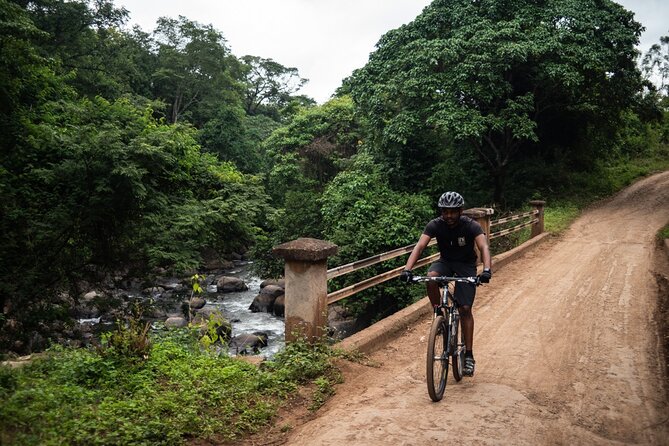
Your starting point is One Bike Shop on MoshiMailimoja Rd. You’ll meet there at 8:30am, and the ride ends back at the same place.
This timing is helpful. Starting in the morning usually means you’re not battling the hottest parts of the day, and you have daylight for the whole loop. Also, because you’re cycling for 5–7 hours, leaving promptly helps the itinerary actually feel like a full experience instead of an end-of-day sprint.
The Ride Profile: 39km Over Tarmac and Dirt
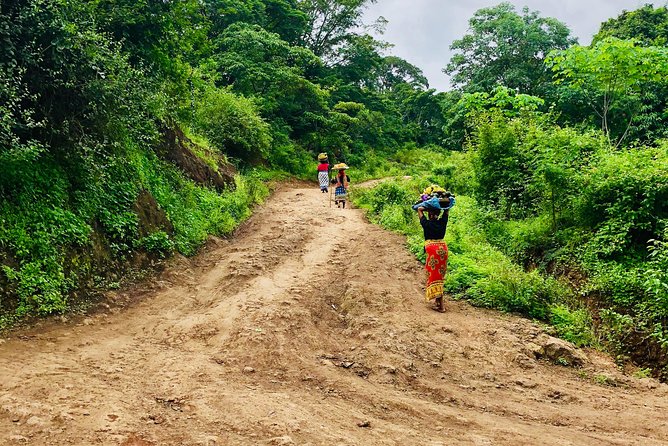
Let’s talk about what your legs are signing up for. The route covers about 39km and is labeled as moderate. The path mix is tarmac and dirt road, which means you’ll get more than one kind of cycling feel. Dirt sections can be a little slower, and they ask for steadier balance.
The climbing is part of the point. Early on, you ride on relatively flat terrain near Moshi, then you gradually head north. Toward Kibosho, the road gets steeper near the end of that stretch. If you’re used to road cycling, you’ll likely feel the climb as a workload rather than a technical challenge. If you’re newer to riding, it’s still doable, but you’ll want to ride within your comfort zone and rely on your guide’s pacing.
I’d treat this as a full-day workout with frequent stops for learning. The best strategy is simple: don’t measure your day by speed. Measure it by how much you’re able to take in while you’re moving.
Moshi Start and the Shanty Town Area: A Reality Check Before the Farms
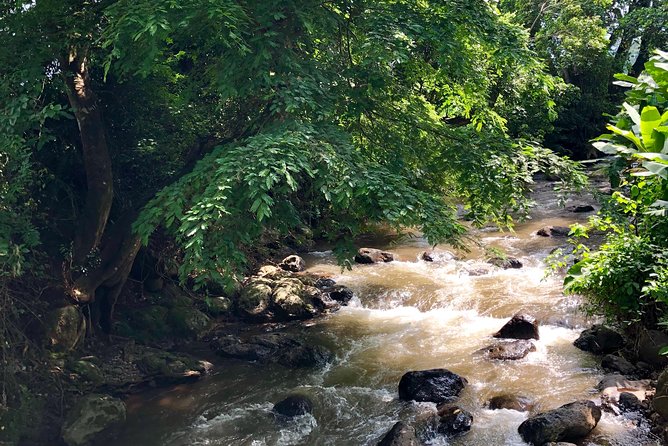
Your day begins by heading out from Moshi town and into Moshi’s Shanty Town area. The terrain here is described as relatively flat, so it’s a good time to get your body warmed up and your bike comfortable. This first stretch is also a reminder that tourism doesn’t happen in a vacuum. You’re leaving the center of town and moving into a patchwork of neighborhoods and agriculture that feed daily life.
It’s not just about getting scenery for later. This portion helps you understand the geography of the area: how roads and housing connect to farmland. And once you start seeing plantations and farming practices, you’ll be able to connect what you see to the transition you just rode through.
Northbound Climb Toward Kibosho: Where the Effort Makes the Learning Stick
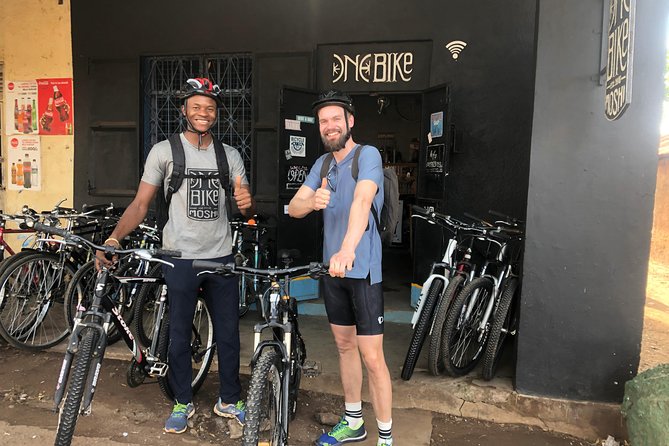
After the flatter opening, you head north on a gradual climb toward Kibosho. The climb is said to get steeper toward the end of the road, and that’s where the ride becomes more than casual cruising.
This is also where I think the tour earns its value. When you’re working a bit harder—without being miserable—you’re more likely to pay attention during stops. You’ll have time to watch how people manage small plots, how crops are integrated, and what mixed farming looks like on the ground instead of as an abstract idea.
If you’ve ever done a cultural tour where you feel rushed, you’ll appreciate what a controlled pace gives you here. The ride has built-in time for stops, and a good guide can slow you down when you need it. Based on guide feedback you might hear beforehand, the approach tends to be practical and supportive, with guidance on handling more strenuous paths.
Through Chagga Villages: Coffee and Banana Farms as Everyday Infrastructure
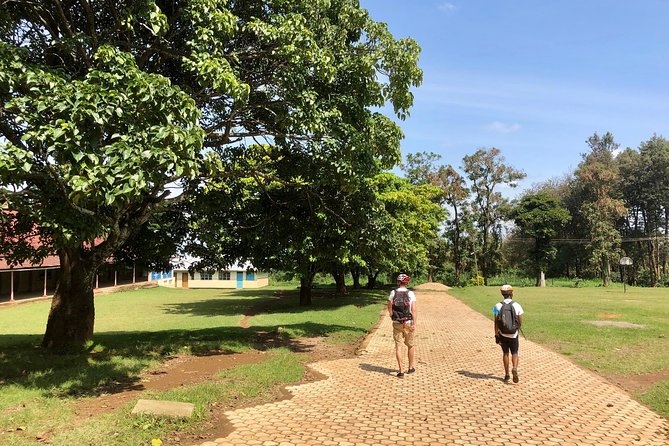
The heart of the experience is cycling through Chagga villages in an area rich in banana and coffee farms. This isn’t just a scenic theme. It’s a window into a farming system built to feed families through the year, using mixed farming on relatively small land parcels.
Here’s what you’ll likely notice as you ride:
- The way farming and housing relate to each other, rather than existing as separate zones.
- How banana cultivation and coffee growing can coexist, changing the texture and density of the fields.
- The presence of local knowledge—what to plant, how to maintain it, and how to keep production steady.
Your guide’s job is to connect the dots. You’re not just seeing plants; you’re hearing how they fit into everyday life—what food matters, how work is done, and how land is used to support families across seasons.
And yes, you might see local flora and fauna along the way. With a slower pace and frequent looks, it becomes part of the day rather than something you miss while rushing between stops.
The Lunch Break: Fueling Up Without Derailing the Day
Lunch is included at a local restaurant. This is one of those details that quietly makes the tour feel smoother. When you have a set meal planned, you avoid the classic active-day problem: spending energy pedaling, then spending the rest of the day hunting food.
It also helps you experience the day-to-day rhythm of the area. A meal stop is a natural moment to ask questions, check in with your guide, and reset your energy for the last stretch.
Going at Your Pace on Dirt Sections and Steeper Bits
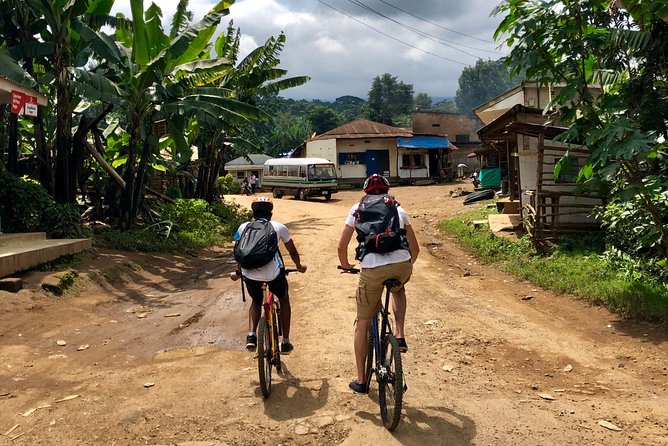
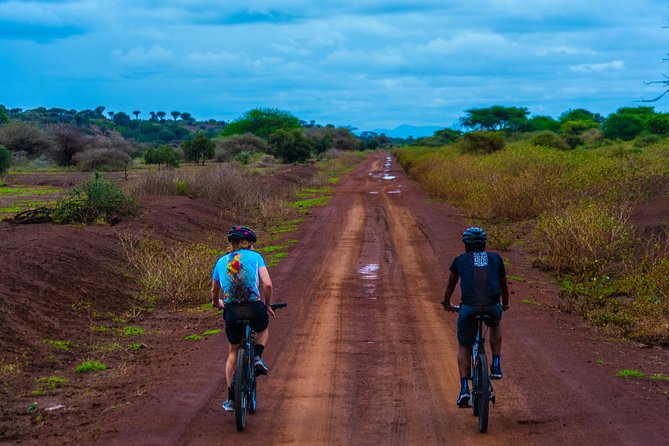
Your route mixes tarmac and dirt, and you’ll encounter at least some sections that feel more strenuous as the day goes on. This is where a private tour really matters. Instead of watching a group disappear ahead, you can keep a pace that fits you.
A detail I really value from guide feedback is how some guides actively check that riders are okay during harder paths and adjust pacing accordingly. That’s not just kindness—it’s safety. When the road gets rougher or the climb bites, your comfort level can change fast. Having a guide who watches for that makes the whole day more enjoyable.
If you’re an experienced cyclist, you’ll likely appreciate the efficiency and organization. If you’re less experienced, you’ll likely appreciate the patience and reassurance that helps you keep moving without feeling pressured.
Pricing and Value: Why About $101 Can Actually Make Sense
At $101.54 per person, this ride isn’t the cheapest way to spend a morning in Moshi. But when you break down what you get, it becomes clearer.
You’re paying for:
- a private cycling guide (English speaking)
- a mountain bike and helmet
- lunch
- bottled water
- all fees and taxes
You’re also not paying extra for the bike setup or helmet sourcing on your own. For an activity built around equipment and a planned route, that matters.
Is it good value? For many people, yes—especially if you like active travel with a cultural lens. The ride structure (39km, 5–7 hours, moderate difficulty) plus included food and gear often compares better than piecing together transportation, rentals, and guiding separately.
How to Prepare (Without Overthinking It)
You don’t need to train for a race, but you do need to plan like it’s a real cycling day. Aim for moderate physical fitness, and if you’re between levels, pick a pace that matches the moderate label. This is a day where you’ll feel the climb, and the dirt sections can ask for balance.
Wear cycling-appropriate clothing if you have it. If you don’t, comfortable clothes you can move in and shoes you trust on uneven surfaces are key. Bring a mindset that says: I’m here to ride, learn, and enjoy the villages—not to hammer miles.
One more practical thought: since this is an outdoor ride that requires good weather, you’ll want to stay flexible with your day. If conditions are poor, the tour may be canceled and rebooked, or you may get a full refund.
Who This Day Trip Fits Best
This is a great match if you want:
- a bike-based way to see the Chagga countryside at Kilimanjaro’s base
- cultural learning tied to what you’re physically experiencing
- a private setup where you can ask questions and go at your pace
- a day that includes lunch instead of turning into a long scavenger hunt
It might feel less ideal if you want an easy, flat walk-only experience, or if the idea of mixed dirt roads and a steeper climb makes you nervous. In that case, be up front with your comfort level before booking so you’re set up for success.
Should You Book the Chagga Villages Cycling Day Trip?
If you’re in Moshi and you like active travel that still feels personal, I’d say yes. The mix of banana and coffee farms, the village-focused route, and the included lunch make it a practical day—not just a long ride with no payoff.
Book it if you want to learn how people manage small land plots for year-round food and you like the idea of getting to villages by pedal power. Think twice if you hate climbs, dislike dirt roads, or you’re looking for a purely relaxing sightseeing day.
If you want a cultural outing with movement, this one earns its place.
FAQ
How long is the Chagga Villages cycling day trip?
The ride lasts about 5 to 7 hours.
What distance will I cycle?
The total distance is about 39km.
How difficult is the route?
It’s rated moderate, and you should have a moderate physical fitness level.
What’s included in the price?
Included are lunch, a mountain bike and helmet, bottled water, all fees and taxes, and an English-speaking cycling guide.
Is this tour private?
Yes. It’s a private tour/activity, so only your group participates.
What should I know about drinks?
Lunch is included, but alcoholic beverages and soda/pop are not included.