REVIEW · MOSHI
Cycling from Kilimanjaro to Ngorongoro Crater
Book on Viator →Operated by One Bike Tanzania · Bookable on Viator
Kilimanjaro-to-Ngorongoro by bike is a rare idea. This Northern Tanzania route stitches together Kilimanjaro villages, Rift Valley viewpoints, and park-edge wildlife country in one steady challenge, with day-by-day guidance that keeps the trip fun and safe. I especially like the way the riding changes with the scenery, from Chagga banana-and-coffee country to Maasai plains, and how the team can adjust each day to you. One thing to consider: it is still real cycling—dusty roads and a long day mean you’ll want a solid base of fitness and patience.
What I love most is the practical setup: a support vehicle keeps logistics smooth, meals are planned, and you get that close-to-the-people travel feeling without the stress of driving yourself. I also really value the human touch—people in your group get paired with guides who know the local culture and wildlife, including names like Hilary, Goodluck, and Joseph from past trips. The possible drawback is that you’re cycling on mixed road surfaces (tarmac one day, dirt and dusty stretches another), so comfort will depend on your expectations and bike fit.
In This Review
- Key things that make this ride worth your time
- Why this Kilimanjaro to Ngorongoro cycling safari feels different
- Meeting point and early logistics that matter (Moshi, 7:00 am, One Bike Shop)
- The team factor: how Hilary and the support crew change the ride
- Day-by-day ride: what each section really feels like
- Day 1: West of Kilimanjaro, from tarmac to gravel and village life (Ngabobo overnight)
- Day 2: Dusty plains and easy rolling toward Arusha (Arusha lodge overnight)
- Day 3: The longest day, mostly tarmac undulations, then Tarangire elephant country (Roika Tented lodge)
- Day 4: Wildlife corridors between Tarangire and Lake Manyara, plus Great Rift Valley views (Migombani camp)
- Day 5: Lake Manyara gate to Ngorongoro conservation area gate (Karatu to the crater doorstep)
- Day 6: Relax and optionally add a game drive (transfer back to Kilimanjaro area)
- Wildlife expectations: where your odds improve (and where they don’t)
- What’s included in the price (and what that means for value)
- Fitness, road surfaces, and comfort: the real-life checklist
- Weather and timing: when plans change
- Who this tour suits best (and who should pass)
- FAQ
- FAQ
- Where does the cycling tour start?
- What time does the tour begin?
- Is this tour private?
- What kind of fitness level do I need?
- What is included in the price?
- What is not included?
- Can I add a game drive?
- Is weather a factor?
- Should you book this Kilimanjaro to Ngorongoro bike ride?
Key things that make this ride worth your time
- One route, many worlds: Chagga farms, Maasai country, Tarangire elephant territory, and Ngorongoro access all in one trip
- A real support system: a vehicle travels with you so you’re not doing this on pure luck
- Roads match the stories: tarmac undulations, dusty plains, Rift escarpment climbs, then Karatu cycling to the conservation gate
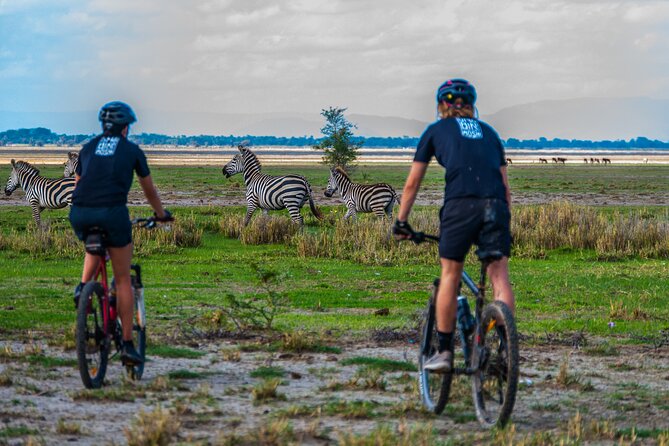
- Wildlife corridors on the way: you ride near key areas between Tarangire and Lake Manyara where animals move through
- Game drive option on Day 6: finish with a chance to spot wildlife from the crater area transfer day
- Private group experience: only your group participates, so your pace and needs matter
Why this Kilimanjaro to Ngorongoro cycling safari feels different
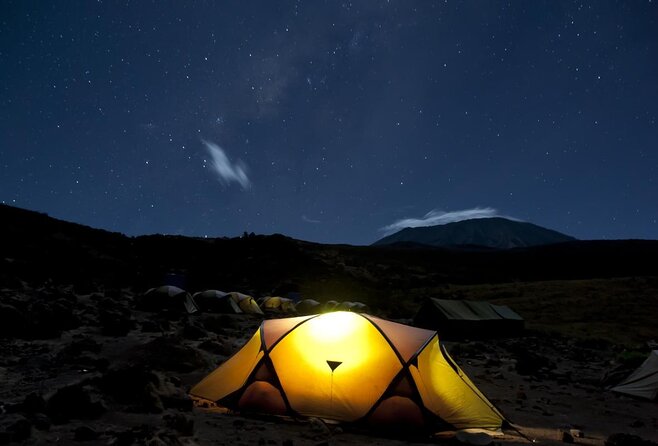
Most Tanzania safaris are a car-and-wait affair. This one is closer to how you actually experience a place: slow enough to notice details, fast enough to cover distance, and hands-on in a way photos can’t replicate.
You start near Moshi and ride west of Kilimanjaro, then keep pushing toward the Ngorongoro conservation area. The route naturally teaches you northern circuits in the order they usually appear on maps—except you’re doing it with a bike under you, passing villages, plantations, and open country along the way.
I like that the trip is built around variety. One day can feel like big-road convenience, while the next can be dusty and longer without being technically hard. Then you hit the Great Rift Valley edge and the riding feels like a reward, not a chore.
You can also read our reviews of more tours and experiences in Moshi.
Meeting point and early logistics that matter (Moshi, 7:00 am, One Bike Shop)
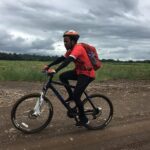
Your tour begins at the One Bike Shop in Moshi on Mailimoja Rd, with a start time of 7:00 am. You can also get pickup offered, but the tour’s stated meeting point stays the One Bike Shop area.
Why this matters: early starts help you beat heat and traffic, especially once you’re heading into park-adjacent roads. It also gives you time in each place to settle into the day’s plan—cycle, eat, rest, repeat.
You’ll also receive a mobile ticket. That’s not flashy, but it makes day-of logistics easier when you’re bouncing between lodges and gates.
Finally, this is a private cycling experience. In practice, that’s why people often come away feeling taken care of, not herded.
The team factor: how Hilary and the support crew change the ride
The reviews around this operator consistently point to one theme: safety and tailoring. People can be reasonably fit and still appreciate a schedule that respects age, comfort, and preferences. On past trips, guides such as Hilary, Goodluck, and Joseph have been credited with making the adventure both exciting and manageable.
So what does tailoring look like here? You’re not just given a route and told good luck. The pacing can be adjusted to what you’re comfortable with, and the team brings local knowledge that turns passing terrain into context—what you’re cycling through, who lives there, and what wildlife patterns may be relevant nearby.
Also, you have a support vehicle. That’s a big deal when you’re riding mixed surfaces. It means you’re not stuck with a mechanical issue and no plan, and it helps with timing between sections of riding and transfers to overnight spots.
Day-by-day ride: what each section really feels like
Below is the flow as you’ll live it—starting with Kilimanjaro foothills and working west into the Rift Valley and crater access.
Day 1: West of Kilimanjaro, from tarmac to gravel and village life (Ngabobo overnight)
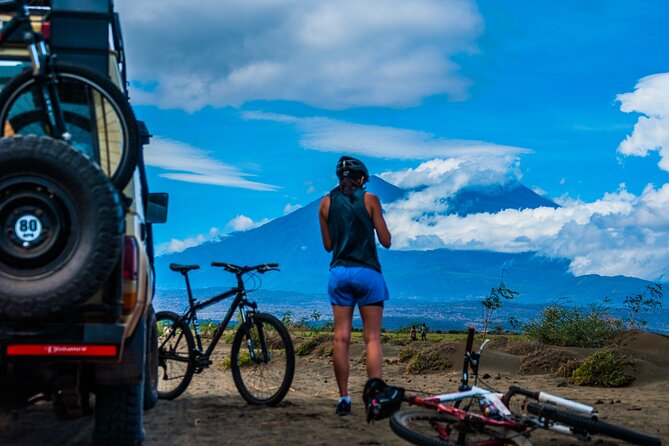
You begin at the One Bike Shop and ride toward the west side of Kilimanjaro. Expect a mix of big tarmac and dirty gravel. This first day is where the scenery starts teaching you the northern circuit story: you pass through Chagga villages, along banana and coffee plantations, and through lush forest before things open up.
As you move farther west, vegetation thins and the land shifts toward drier open plains—country associated with Maasai communities. The day includes small uphills and downhills, and you can get that odd-but-cool feeling of crossing roads where wildlife might also be traveling.
You end by reaching Ngabobo village for your overnight.
Possible consideration: day 1 sets your rhythm. If you start too fast, Day 2’s long riding can feel longer than it needs to.
Day 2: Dusty plains and easy rolling toward Arusha (Arusha lodge overnight)
Day 2 leans toward a longer riding time with mostly dirty and dusty roads, but without big uphills. This is where you really start feeling the “cycling safari” vibe—moving through country where animals travel, not just stopping at viewpoints.
You’ll ride through Ngasurai open plains, described as a wildlife migratory path, and elephants are specifically mentioned as coming from Amboseli National Park in Kenya. That’s not a guarantee of seeing elephants, but it does mean the area is part of a bigger seasonal movement story.
Once you reach the main tarmac road toward Arusha, riding becomes easier. On the way, you’ll pass villages with a view of Mount Meru in the background, a classic northern Tanzania sightline.
Overnight is in a lodge in Arusha.
Day 3: The longest day, mostly tarmac undulations, then Tarangire elephant country (Roika Tented lodge)
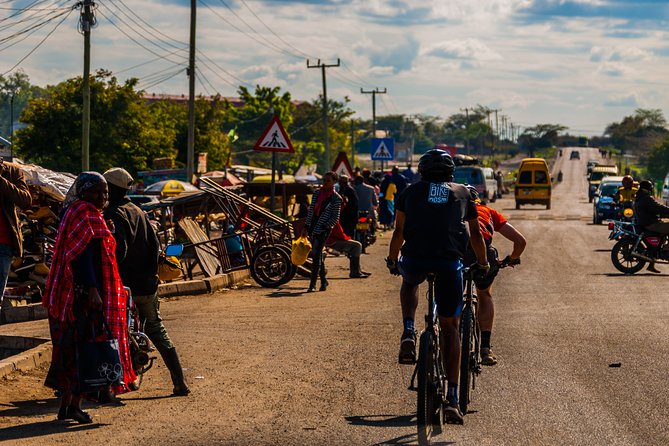
This is the longest riding day on the route, but it’s described as less demanding because you cycle mostly on tarmac with gentle undulations. You’ll pass colorful Tanzanian villages and see everyday life up close as you roll through.
The riding ends near the border of Tarangire National Park, an area noted for the largest concentration of elephants in Tanzania. That means your last stretch isn’t just “pretty road”—it’s moving toward a wildlife hotspot.
You rest at Roika Tented lodge for the night.
Tip that helps: bring layers for morning chill and afternoon sun. Even when the road is easy, the weather can still wear you down.
Day 4: Wildlife corridors between Tarangire and Lake Manyara, plus Great Rift Valley views (Migombani camp)
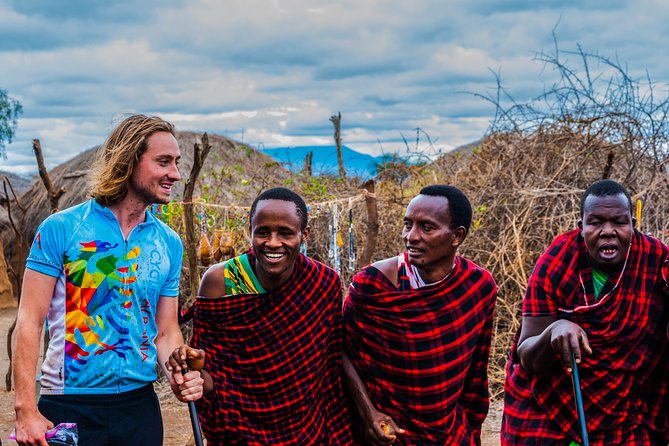
Day 4 is one of the route’s highlight days. You ride through the wildlife corridor area between Tarangire National Park and Lake Manyara, and you pass Maasai traditional settlements.
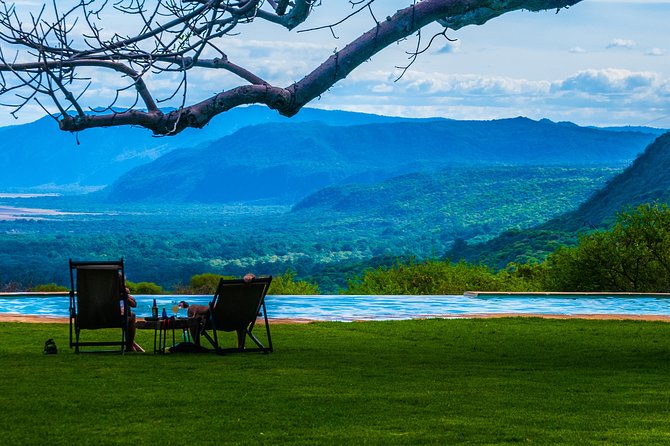
The Great Rift Valley views are part of why this day feels like a payoff. You’re not just traveling across Tanzania—you’re traveling along the planet’s fault line, with viewpoints that make you slow down without anyone telling you to.
Riding is on tarmac until the last few kilometers, when you switch to dirt road toward Migombani camp for overnight.
Consideration: corrugated dirt can be tiring if you’re tired already. Plan to keep your cadence steady and avoid grinding.
Day 5: Lake Manyara gate to Ngorongoro conservation area gate (Karatu to the crater doorstep)
Day 5 is toughest and most rewarding, and you can feel that build from the way it’s scheduled.
You start at the Lake Manyara National Park gate, then cycle up to the top of the Great Rift Valley escarpment. Along the climb, you stop for a breathtaking view over Lake Manyara and its surroundings. After that, you cycle through Karatu town.
You continue until you reach the end of the tour at the Ngorongoro conservation area gate. Then you’re transferred to your lodge for rest and celebration.
This is the day you’ll remember when someone asks if the challenge was worth it.
Day 6: Relax and optionally add a game drive (transfer back to Kilimanjaro area)
Day 6 is your decompression day. You wait at the lodge for the transfer back to Kilimanjaro airport or another departure point.
And yes, a game drive can be arranged on this day. That’s your chance to trade pedal power for safari viewing as you wrap up the circuit.
Wildlife expectations: where your odds improve (and where they don’t)
Let’s be honest: cycling near wildlife corridors doesn’t mean you’re guaranteed to see animals on the schedule. Still, this route sets you up in places described as key movement and viewing areas.
You ride through a wildlife migratory path on Day 2 with elephants specifically mentioned (coming from Amboseli). You then approach Tarangire, known here for a high elephant concentration, and you spend Day 4 riding between Tarangire and Lake Manyara along corridor country.
The practical takeaway: you’re increasing your chance of wildlife encounters by being in the right zones at the right time of year, even though sightings are never totally controllable.
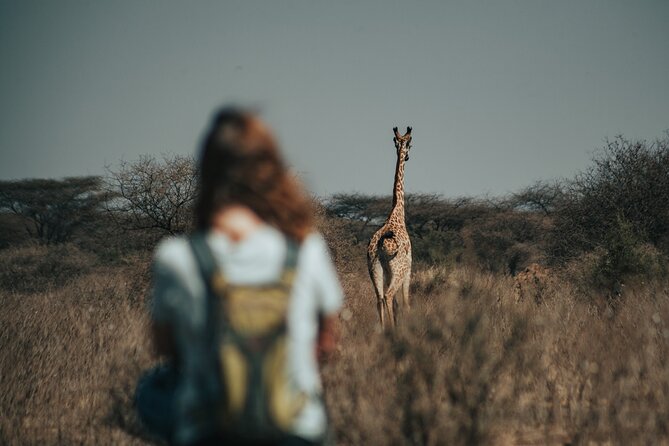
If wildlife is your top priority, consider adding the game drive on Day 6. That gives you a more standard safari setup for crater-area viewing.
What’s included in the price (and what that means for value)
The listed price is $2,820.52 per person for about 6 days. This is not a cheap week, but the tour is positioned as a full-service cycling-and-safari route.
From what’s included, you get:
- A supporting vehicle that travels with you
- Meals: breakfast (5), lunch (6), dinner (6)
- Accommodation for overnight stops (the route uses lodges/camps each night)
- Pickup offered (when arranged)
- A private group setup
- Travel insurance is stated for the cycling journey for peace of mind, but insurance is also listed as not included—so confirm what exactly is covered before you pay final expenses
What you don’t get:
- Tips
- Insurance (as listed under not included)
So the value equation is simple. You pay for logistics and planning: the rides, the overnight stays, the meals, and the safety net of vehicle support. If you were to DIY this route, you’d spend a lot on coordination, transportation, and safe pacing—and you’d still be guessing on the best way to string together parks, gates, and cultural stops.
My practical advice: ask what the insurance covers and whether it applies to the whole trip or only the cycling segment. Don’t guess.
Fitness, road surfaces, and comfort: the real-life checklist
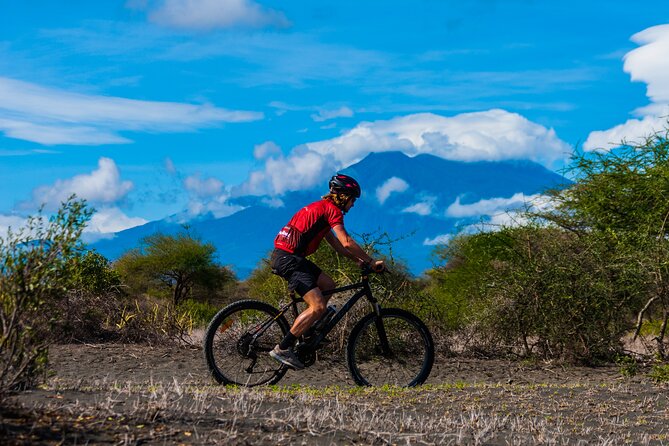
The tour calls for moderate physical fitness. That’s a helpful phrase because it signals you don’t need to be an athlete, but you do need to handle long days and changing road quality.
Road conditions shift through the week:
- Day 1: tarmac plus dirty gravel
- Day 2: dusty dirt roads, long but less climbing-focused
- Day 3: longest ride but mostly tarmac undulations
- Day 4: tarmac then dirt road toward camp
- Day 5: Rift escarpment climb plus more cycling through towns and gate areas
Comfort notes you can plan around:
- Bring sun protection. Even when roads are tame, the effort plus exposure adds up.
- Expect dust. It’s not “a little dust,” it’s part of the cycling experience on dirt stretches.
- Plan for bike fit. If your bike is uncomfortable, your day will suffer. Get the fit right at the start.
And here’s a small-but-real mindset: your goal isn’t just finishing. It’s keeping a steady pace so you can enjoy the villages and the views too.
Weather and timing: when plans change
This trip requires good weather. If the experience gets canceled because of poor conditions, you’re offered a different date or a full refund.
That matters because cycling is unforgiving on bad roads and rain. If you’re booking around Tanzania’s rainy patterns, you’ll want flexibility.
The good news: the route is built with breaks, lodges, and a support vehicle. It’s not a “no rest, just ride forever” style.
Who this tour suits best (and who should pass)
This is a strong fit if you:
- Want a single trip that covers Kilimanjaro area culture and northern circuit highlights
- Like biking but also want a safety net and logistics handled
- Appreciate cultural stops in the middle of your “challenge”
- Want the option of ending with a game drive
It might not be your best match if you:
- Hate mixed road surfaces or you need paved-only riding
- Want zero physical effort (this is a cycling challenge, not a scenic cruise)
- Don’t want to be flexible if weather affects the schedule
FAQ
FAQ
Where does the cycling tour start?
It starts at One Bike Shop in Moshi on Mailimoja Rd, Tanzania.
What time does the tour begin?
The start time is 7:00 am.
Is this tour private?
Yes. Only your group participates.
What kind of fitness level do I need?
The tour asks for travelers with moderate physical fitness.
What is included in the price?
It includes a supporting vehicle and meals: breakfast (5), lunch (6), and dinner (6). The route also uses overnight lodging and camps as part of the journey.
What is not included?
Tips and insurance are listed as not included.
Can I add a game drive?
Yes. A game drive can be arranged on the final day.
Is weather a factor?
Yes. The experience requires good weather. If it’s canceled due to poor weather, you’ll be offered a different date or a full refund.
Should you book this Kilimanjaro to Ngorongoro bike ride?
If you want a Tanzania trip that feels close-up—villages, plantations, Rift Valley viewpoints, and wildlife country—this is a smart way to do it. The big selling points are the tailored, safety-focused team and the fact that you’re not doing it alone with guesswork. If your cycling days can handle mixed roads and you’re happy to work through a long route, the payoff at Ngorongoro conservation area makes a lot of sense.
Book it if you’re excited by a real cycling challenge with a safari finish. Skip it if you only want paved roads or if you’re looking for a fully effortless, sightseeing-only week.