REVIEW · MOSHI
West Kilimanjaro cycling Adventures
Book on Viator →Operated by Kili Bike Adventures · Bookable on Viator
Wildlife sightings on two wheels sound unreal. This private overnight ride through West Kilimanjaro mixes real savannah action with camping under the stars, plus a bicycle route that’s built for close-up views instead of quick look-and-go stops. I really like that it’s private, so you can match the pace to your legs and ask questions as the scenery and animals change. I also like the “proper adventure” feel: helmets and mountain bikes included, all meals handled, and a sunset camp vibe with a campfire.
The countryside here is acacia woodland and open plains along the Kilimanjaro area, so you should expect wildlife like zebras and giraffes, and sometimes elephants along the elephant corridor. One drawback to plan for: the cycling can get tough in places (sand is a real possibility), and the trip asks for at least moderate fitness plus early starts.
In This Review
- Key Points You’ll Care About
- Why West Kilimanjaro Cycling Feels Like a Real Adventure
- The Country You’ll Ride: Acacia Plains, Wildlife, and Maasai Land
- Day 1 in Motion: Pickup, Bike Setup, and First Wildlife Chances
- The Overnight Setup: Camping Gear, Meals, and Campfire Time
- Day 2: More Riding, Wildlife Watching, and the Return Trip
- Your Guide and Support Crew: What Makes Private Actually Feel Private
- Bikes, Helmets, and the Real Fitness Check
- Price and Value: What $666.67 Really Buys
- Who Should Book This Tour (and Who Should Think Twice)
- Quick Booking Checklist (Do This, Thank Yourself Later)
- Should You Book West Kilimanjaro Cycling Adventures?
- FAQ
- How long is the West Kilimanjaro cycling tour?
- Is this tour private?
- What’s included for meals and water?
- Do I need to bring my own bike or helmet?
- Where does the tour start?
- What happens if the weather is poor?
- Is travel insurance or tipping included?
Key Points You’ll Care About
- Private overnight format: you’re not squeezed into a big group pace, and your guide can flex the timing
- Mountain bikes + helmets provided: you show up, get fitted, and ride without extra rentals to hunt down
- All meals plus bottled water: food and hydration are handled for both cycling days
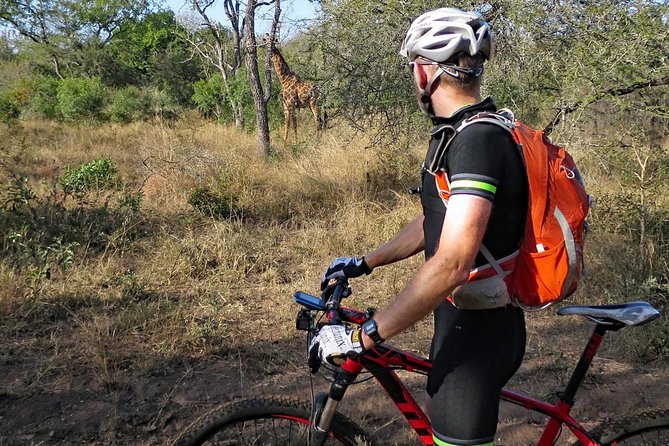
- Wildlife corridor chances: you may see zebras, giraffes, wildebeest, baboons, and sometimes elephants
- Camping gear is included: tents, sleeping bags, chairs, tables, plus ranger and entry fees
- Support vehicle on hand: useful for fatigue, logistics, and keeping the day moving smoothly
Why West Kilimanjaro Cycling Feels Like a Real Adventure
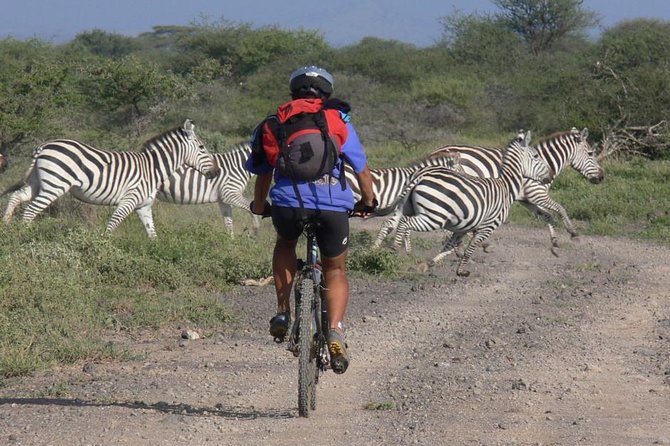
This trip is built around one big idea: see the West Kilimanjaro area on a bike, not from behind glass. That changes what you notice. You hear birds before you spot them. You feel the ground under your wheels. And when wildlife is nearby, it’s not just a distant dot—you’re moving through the same space at animal-watching distance.
It also helps that the ride happens in “in-between” country—acacia woodland, open plains, and the kind of wide views that make Kilimanjaro feel close, even when you’re not climbing it. If you like photography, this setup is strong because you’re not parked for long stretches. You keep rolling, stop when something matters, and then continue while the light is still good.
I’ll be honest about the rhythm: this isn’t a lazy cruise. Early starts and some pushing are part of the deal. The payoff is that you feel like you’re living inside the landscape’s pace rather than passing through it.
You can also read our reviews of more tours and experiences in Moshi.
The Country You’ll Ride: Acacia Plains, Wildlife, and Maasai Land
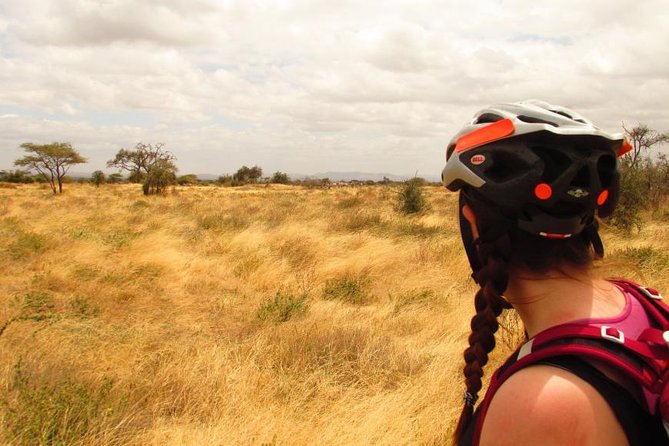
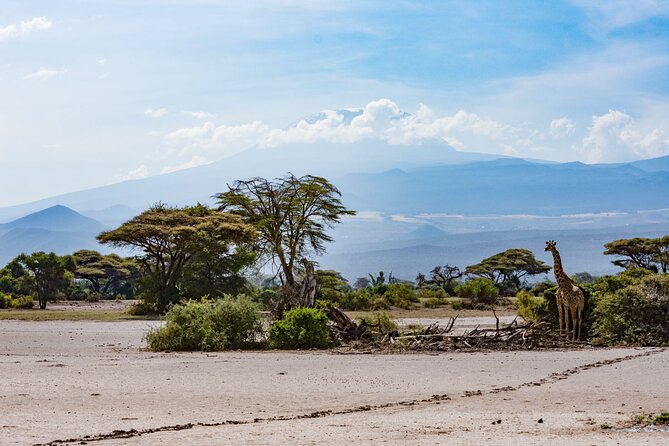
West Kilimanjaro’s setting is described as acacia woodland and open plains with a remarkable variety of wildlife. That matters because it shapes your whole day on the bike.
You might see:
- wildebeest, zebra, gazelles, impalas
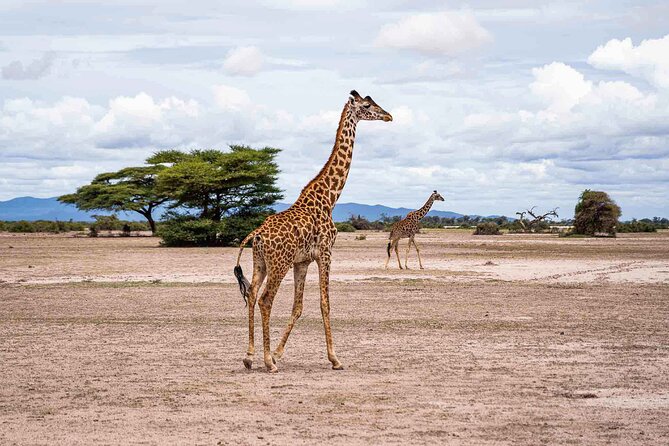
- giraffes and baboons
- and—depending on season—elephants, because the area sits along an elephant corridor linking Kenya’s Amboseli and Kilimanjaro
You’re also riding in Maasai Land, with nomadic Maasai herdsmen co-existing with wildlife. In practical terms, this means you’re not just in a “track through nature.” You’re in a lived-in area where people and animals share space. When your guide points out what you’re seeing, it turns wildlife viewing into cultural context too.
The other big “why it works” factor is scenery. You get views of Mount Kilimanjaro from the cycling area, and the wide plains make it easier to notice how the mountain changes with the sun. Sunset is specifically called out, and with camping involved, it’s the kind of moment you don’t want to rush.
One small planning note: the route experience can vary with conditions. For example, deep sand can slow things down and make otherwise manageable stretches feel harder than expected. That’s not a deal-breaker, but it’s something to mentally budget for.
Day 1 in Motion: Pickup, Bike Setup, and First Wildlife Chances
Your day begins with pickup. The tour includes transportation from Moshi, Arusha, or the airport, and the meeting start is tied to the Kilimanjaro Airport / Kilimanjaro National Park area. In other words: you’re not left arranging transfers on your own.
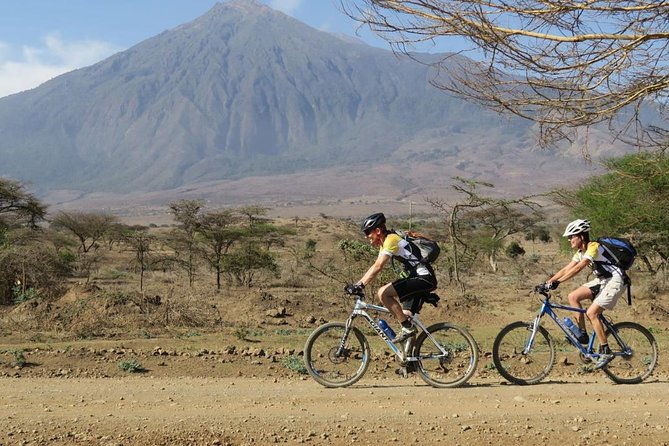
Once you’re together, the essentials come fast: mountain bike and helmet are included, and you’ll get the chance to get comfortable before the ride gets serious. This kind of “gear-first” approach matters because a bike that fits your body and a helmet that sits right can make the difference between an enjoyable day and an uncomfortable one.
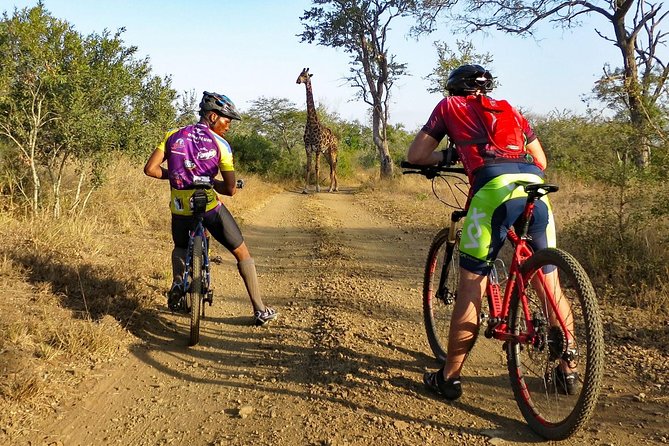
From there, you ride through the acacia woodland and open plains. The wildlife odds are a core part of the experience, so expect the route to include stop-and-look moments. If you like animals, the value here is that you’re not only scanning from a vehicle. You’re moving at a pace that lets you notice behavior—how a zebra bunches up, how giraffes hold still and then drift, how baboons act alert.
Also keep your eyes on your tires and your effort level. One piece of feedback I found particularly useful: the ride can start slightly downhill, making progress easier, but then you can hit deeper sand. That means you might feel strong at first and then realize you need to switch gears—literally and physically. If you’re new to mountain biking, treat sand sections as part of learning, not a sign you chose the wrong trip.
Finally, you’re not doing this alone. The tour includes a support vehicle, so if you tire, need a break, or have a mechanical issue, help is there to keep you from turning the day into a struggle.
The Overnight Setup: Camping Gear, Meals, and Campfire Time
This is an overnight tour, so the quality of the camp matters. Luckily, the trip includes camping accommodation plus gear: tents, sleeping bags, chairs, and tables. That’s a big deal because it removes the usual “bring your own half the camping store” problem.
You’ll also get all three meals per day, plus bottled water. That’s one of those boring details that ends up being a big part of why you enjoy the trip. When food is handled, you can focus on riding and wildlife instead of tracking snacks, searching for water, or doing last-minute grocery runs.
Camping nights in this area are also tied to the sunset and campfire highlight. Even when you’re tired, that’s the point where the day lands. You’ll have time to eat, share stories with your group, and enjoy the quiet that comes after the day’s movement—especially with Kilimanjaro views as part of the overall experience.
If you’re the type who likes planning, here’s what to do: pack for cool night air and for “bike-day” dust. Even with support vehicle help, the cycling environment can get gritty. Dry your stuff if you can, and accept that some dust will stick around because you’re riding off-road terrain.
Day 2: More Riding, Wildlife Watching, and the Return Trip
Day two continues the theme: cycling through the West Kilimanjaro area with wildlife and mountain scenery as the main event. Since the trip is built around a private group, you should expect the pace and stops to be guided by your comfort level, not a rigid schedule that assumes everyone wants the same thing.
This is where your experience with the first day pays off. If you learned the feel of sand on day one, you’ll be ready for it if it appears again. If the first day felt too easy, day two may show you why this ride can be “accessible to novice riders” while still offering challenges for stronger cyclists. The key is that the tour is flexible enough to meet different comfort levels.
You’ll also see wildlife again. Depending on the timing of the year and animal movement, the wildlife corridor and open plains can produce different sightings. One practical takeaway: if you’re going specifically for certain animals, ask your guide how they think sightings may shift with the season. In a corridor area, migration and movement matter.
As for the ending, the tour includes transportation from the area back toward Moshi, Arusha, or the airport, depending on where you start/need to return. Your support vehicle and guide help keep the logistics from eating up your energy at the finish line.
Your Guide and Support Crew: What Makes Private Actually Feel Private
A private tour isn’t just a smaller headcount. It changes how the day feels.
Here’s what I think you should expect from the private setup:
- You can ask questions without feeling rushed.
- Your guide can explain what you’re seeing, from animal behavior to the Maasai Land context.
- The pacing becomes more human—especially if you’re balancing confidence on the bike with “I want to watch wildlife too.”
In the experience feedback, guide George comes up as particularly informative, and that’s exactly what you want in a cycling safari-style format. When you’re on a bike, you’re busy. A good guide helps you notice what matters quickly, then gives you time to enjoy it.
The support vehicle is another quiet win. It means you can ride with more confidence. Even if you’re careful and well-prepared, outdoor riding can throw curveballs—soft ground, fatigue, or simple mechanical issues.
One caution, because you asked for balance: I also saw one strongly negative report calling out concerns involving the manager Roy and payment issues with local providers. I can’t verify any of that from what’s provided here, but it’s enough for me to suggest a simple safety step: ask for clear, written confirmation of inclusions (meals, gear, entry fees, pickup timing) and who your local contacts will be. Serious trips deserve serious clarity.
Bikes, Helmets, and the Real Fitness Check
You don’t need to bring a bike or a helmet. Mountain bikes and helmets are provided. You also get camping gear and a support vehicle, so the physical demands are mainly about riding, not carrying gear.
Still, the tour asks for moderate physical fitness. That usually means:
- you can pedal for stretches without panicking
- you’re comfortable with some uneven ground
- you can handle early mornings
The cycling difficulty can swing with conditions. Deep sand is mentioned as a spot where progress gets slower and the work increases. So if you’re used to smooth pavement, plan to practice a little control over changing terrain before you go—then go in with a calm, patient mindset once sand hits.
Also remember: this is a “ride and watch” kind of day. Stopping for wildlife and photos is part of the schedule, which can make the day feel stop-start. That’s fine, but it also means you should eat well before and during the ride because you’ll be shifting between effort and stillness.
Price and Value: What $666.67 Really Buys
At $666.67 per person for roughly two days, you’re not just paying for bike time. You’re paying for a bundle:
- pickup from Moshi, Arusha, or the airport
- mountain bike and helmet
- accommodation in Moshi or Arusha, plus camping gear for the overnight
- entry fees, cycling fees, camping fees, and ranger fees
- all meals (three per day) and bottled water
- a support vehicle
- Kili Bike Adventures T-shirts
If you price those pieces separately, the “value” gets clearer. A private guided activity plus equipment plus meals plus park-related fees tends to add up fast. Here, the inclusions are doing the heavy lifting. You’re spending money to reduce friction: fewer places to pay, fewer things to organize, less time wasted.
The only financial “gotcha” you should note is what’s not included: health and travel insurance, tipping, and alcoholic beverages. That’s common, but it’s still worth budgeting for.
Who Should Book This Tour (and Who Should Think Twice)
This is a strong fit if you:
- want wildlife viewing without the standard safari-van feel
- enjoy active travel and can handle some tougher riding moments
- like cultural context around the Maasai Land experience
- want an overnight camping adventure with food and gear handled
It’s also a good option if you’re new to mountain biking, as long as you show up with realistic expectations and a willingness to learn on sand and dirt.
Think twice if you:
- hate early mornings and longer outdoor days
- struggle with cycling on soft ground
- need a fully easy ride with no physical challenges
The biggest “fit” factor is your comfort with moderate fitness and variable terrain. If you’re good with that, the trip’s format is built to make it feel worthwhile.
Quick Booking Checklist (Do This, Thank Yourself Later)
If you book, I’d prepare like this:
- pack for a cool night (camping plus early mornings)
- bring clothing you don’t mind getting dusty
- confirm pickup timing and the meeting start point tied to Kilimanjaro Airport / Kilimanjaro National Park
- ask your guide how likely elephant sightings are during your travel window
- mentally plan for sand sections so they don’t surprise you
Also, because the tour is private, ask directly what flexibility looks like for your group—especially if you have any cycling concerns or want more wildlife time.
Should You Book West Kilimanjaro Cycling Adventures?
I’d recommend this tour if you want a real West Kilimanjaro adventure: private pacing, mountain bikes and helmets handled for you, camping gear ready, and a wildlife-focused route with Kilimanjaro views built into the experience. The all-meals plan and support vehicle make it feel more manageable than most “active safari” ideas.
I wouldn’t book if you want an entirely easy, paved-surface ride. Sand and rough ground can make it more demanding than day-one expectations. Also, if you’re the kind of person who needs airtight trust on finances and local payments, do extra due diligence and get clear written confirmation of inclusions and contacts.
If you’re somewhere in the middle—active traveler with moderate fitness—this is a very appealing way to see the wild side of Kilimanjaro without rushing past everything.
FAQ
How long is the West Kilimanjaro cycling tour?
The tour lasts about 2 days, with an overnight camping setup.
Is this tour private?
Yes. It’s a private tour/activity, meaning only your group participates.
What’s included for meals and water?
All 3 meals per day are included, along with bottled water.
Do I need to bring my own bike or helmet?
No. Mountain bikes and helmets are provided, and the tour also includes cycling fees and entry fees.
Where does the tour start?
The start is listed as Kilimanjaro Airport / Kilimanjaro National Park Tanzania.
What happens if the weather is poor?
This experience requires good weather. If it’s canceled due to poor weather, you’ll be offered a different date or a full refund.
Is travel insurance or tipping included?
No. Health and travel insurance are not included, tipping is not included, and alcoholic beverages are not included.