REVIEW · SICILY
Etna Bike Tour – Cycling in Sicily
Book on Viator →Operated by Cycling Sicily · Bookable on Viator
Etna is not a casual bike ride. This one is interesting because you tackle Europe’s highest active volcano on real road bikes, not a sidewalk tour, with a guide taking the navigation and traffic stress off you. I also love the small group size of eight, which keeps the climbing rhythm steady when the gradients bite.
What I like most on the day is the setup: you get a full carbon road bike plus helmet and pedals (flat, Shimano, or Look options). And because the guide rides with you, you spend your brainpower on breathing, not on maps.
One consideration: this is for people with moderate fitness, and the late climb is long enough that you’ll want to pace smart. If you go out too hard early, you’ll feel it on the final ascent.
In This Review
- Key things to know before you ride
- Cycling Mt. Etna from Giardini Naxos: the vibe and the reality
- Carbon road bike and pedal options: comfort on a grind
- The ride plan: warm-up, first tough climb, then the long ascent
- Start: a 5 km lowland warm-up toward Catania
- First climb: soft hill (5%–10%) to Piedimonte Etneo
- The Etna Wine Road: 10 km and 350 m D+ marker to reset
- Bartali & Coppi slope to Rifugio Citelli: where the day earns its name
- The downhill back to Naxos: speed, safety, and enjoying what you earned
- Value for the price: why $162.03 can make sense
- Who should book this Etna bike ride (and who should think twice)
- Should you book the Etna Bike Tour?
- FAQ
- How long is the Etna Bike Tour?
- How many people are in the group?
- What fitness level do I need?
- What kind of bike and gear are included?
- Where does the tour start and where does it end?
- Is transportation included?
- What happens if the weather is bad?
- Can I cancel and get a refund?
Key things to know before you ride
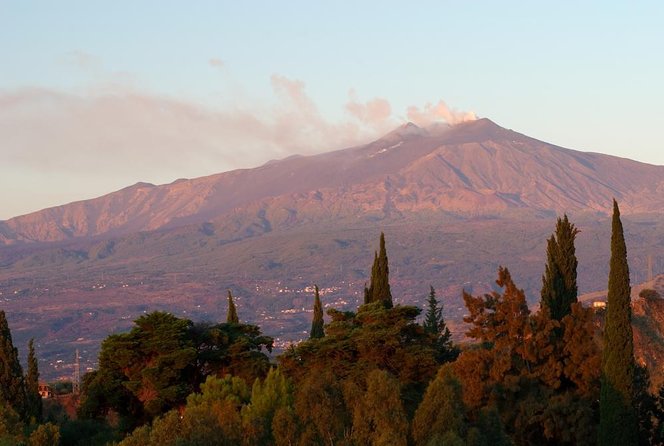
- Small group of up to 8 keeps the pace controlled on steep sections
- Full carbon road bike plus helmet and pedal choice (flat, Shimano, Look)
- Two major climbs: a warm-up grind to Piedimonte Etneo, then the steep push toward Rifugio Citelli
- Volcanic mineral-water stops help on a hot, hard morning
- Warm-up + drop-off back to the start means the day stays focused and straightforward
- English-speaking guide so you get route context without guessing
Cycling Mt. Etna from Giardini Naxos: the vibe and the reality
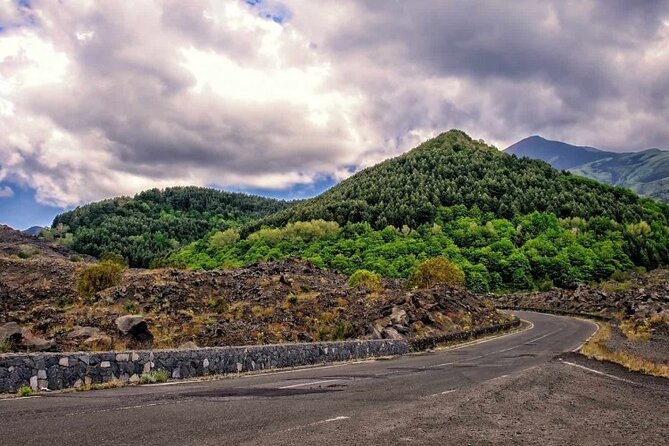
I like tours that do two things well: they get you to the right place fast, and they reduce the number of decisions you have to make. This Etna ride checks both boxes. You start at Via Recanati 26 in Giardini Naxos, get bikes sorted at the headquarters, and then you’re rolling soon after with a plan laid out for you.
The first “reality check” comes early. Even before the big ascent, you’re pedaling on lowlands for about 5 km toward Catania, just to warm up and get used to the bike. That matters more than it sounds. Road bikes feel different from rentals you might be used to, and Etna punishes sloppy technique and panic pacing. Warm muscles and calm hands are your early wins.
And then, slowly, the mountain turns the volume up. The ride is built around a steady progression: lowland effort, then a soft hill (about 5%–10%) for another 5 km, then more climbing as you pass above Fiumefreddo di Sicilia and continue toward Piedimonte Etneo. By the time you reach that area, you’ve already done serious vertical work.
Why this is a good format: you’re not just “going up a hill.” You’re being led along a classic Etna approach where the route gives you a sense of the volcano’s shape and the towns perched on ancient lava flows.
You can also read our reviews of more tours and experiences in Sicily.
Carbon road bike and pedal options: comfort on a grind
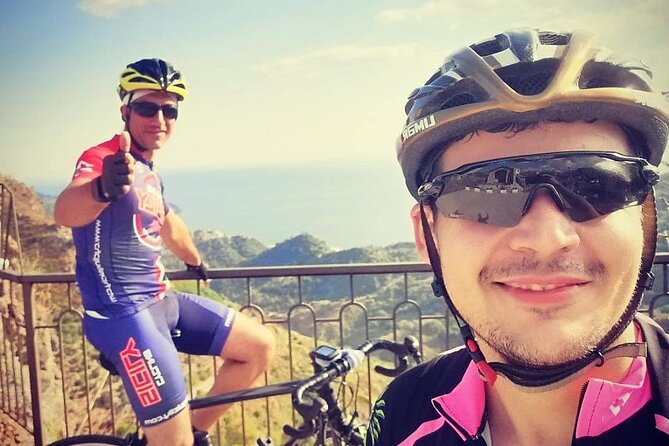
The bike setup is one of the best value parts of the day. You’re not showing up to a random bicycle and crossing your fingers. You ride a full carbon road bike, and you get a helmet plus pedals. Even better, there’s a choice of pedal systems: flat, Shimano, or Look.
That pedal choice is practical. If you ride with clip shoes at home, you can match your system more easily. If you prefer a simpler setup, flat pedals let you focus on technique and stability rather than cleats and clipping timing.
You’ll also feel the benefit of a carbon road bike on the descent later. Carbon bikes tend to feel lively under you, and on Etna the downhill is a big part of the payoff. You’ll want to be in control, and that’s easier when the bike feels predictable.
One small caution: a road bike plus steep climbing means you’ll need to be ready for a gear ratio that works for grinders, not just sprinters. In the experience of other riders, most are fine with the equipment, but one person wished for easier gearing on the toughest part of the climb. Translation for you: if you’re on the fitter-but-not-race-ready side, ask questions about gearing when you confirm, and plan to ride within your limits.
The ride plan: warm-up, first tough climb, then the long ascent
Here’s how the day typically unfolds on the mountain, and what it means for your legs.
Start: a 5 km lowland warm-up toward Catania
You pedal out from Giardini Naxos, aiming toward Catania for about 5 km in lower areas. This section is about rhythm. You’re building heat, learning how the bike responds under you, and finding a sustainable cadence.
If you’re the kind of rider who likes to go fast, this is your trap. Keep it easy. You’re not done; you’re just getting your system online.
First climb: soft hill (5%–10%) to Piedimonte Etneo
After the warm-up, you hit a 5 km stretch of rolling climbing around 5% to 10%. Then you pass above Fiumefreddo di Sicilia and continue up toward Piedimonte Etneo. This is the first major “climb identity” part of the morning, because the road begins to feel more persistent.
Piedimonte Etneo sits on an ancient lava flow on the northeast face of Etna, so the route isn’t only about effort. You’re also riding through the volcano’s geography—lava layers turned into roads and towns over time.
By the end of this first tough section, you’re around 18 km ridden with roughly 800 meters of elevation gain (D+). That’s a lot for a 4-hour day, which means pacing matters from here onward.
The Etna Wine Road: 10 km and 350 m D+ marker to reset
At about 10 km, you’ll already be around 350 m D+, and you then shift onto the Etna Wine Road along the northern volcano slope. This is where the tour gets more interesting than just “more climbing.” The route moves you along a side of Etna that’s tied to vineyards and countryside roads, which often means steady riding and frequent visual cues about where you are on the mountain.
There’s also a practical move here: you stop to fill bottles with fresh volcanic mineral water. That’s a nice detail because it’s built into the climb progression, not treated as an afterthought. Hot weather is common on Etna climbs, and hydration is one of the simplest ways to avoid a painful final ascent.
Bartali & Coppi slope to Rifugio Citelli: where the day earns its name
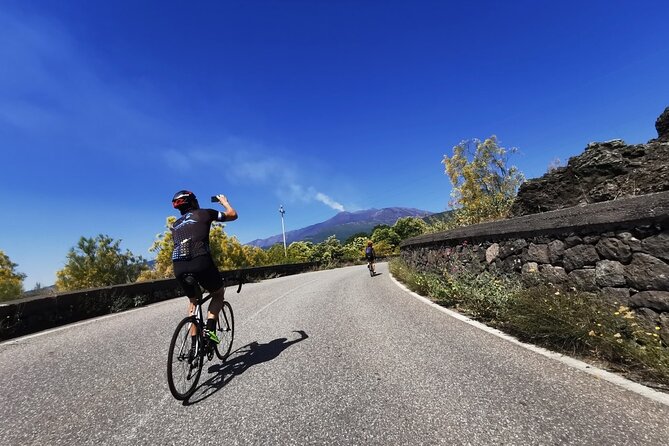
The last big work of the ride is called the slope of Bartali & Coppi, a famous naming that hints this is a climb cyclists actually respect.
You start this section around 827 meters above sea level and climb up to about 1,750 meters at Rifugio Citelli. That’s the main “event” of the morning, and it’s the part where your earlier pacing really shows.
What I’d do if I were planning your ride:
- Aim for steady effort, not hero moments.
- Keep your cadence smooth. If you stall, you’ll spend the next 10 minutes trying to restart.
- Use stops for function: water, quick check of bottles, then back on the pedals.
The benefit of reaching Rifugio Citelli is that you’ve earned the descent. The ride then turns into downhill mode, and in a good tour design, the hardest segment leads directly into the most rewarding one.
This is also where a lot of people mentally reset. One person mentioned coffee and cake at the top—not necessarily something you should count on as a guarantee, but it fits the typical “refuge” vibe. Plan to bring your own food just in case you need more fuel than you expect.
The downhill back to Naxos: speed, safety, and enjoying what you earned
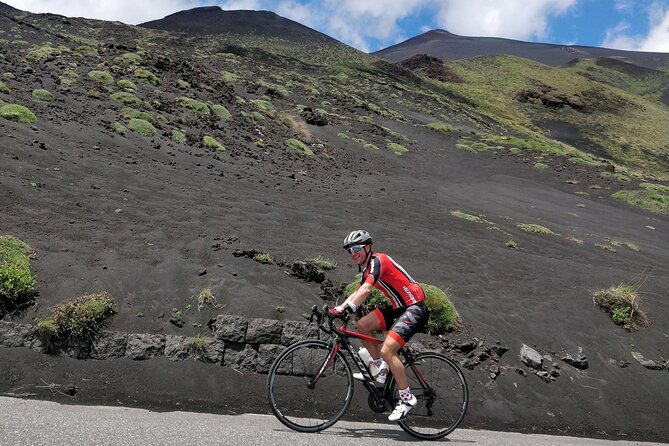
After Rifugio Citelli, the tour shifts to downhill. In a hard ride, the descent is often the part that makes people say yes, it was worth it. But downhill isn’t automatically easy. Your job becomes control: braking early, staying relaxed, and not letting speed steal your attention.
Because you’ve been climbing hard, you might feel a little stiff. That’s normal. Keep your body loose, glance where you’re going, and avoid braking too late. The best descents feel fast but calm.
And then, as promised, the tour ends back at the meeting point in Giardini Naxos. That return structure is helpful. You can plan the rest of your day without guessing logistics or negotiating a pickup.
Value for the price: why $162.03 can make sense
At $162.03 per person, you’re paying for a focused, guided experience with real equipment. The value isn’t just the fact that you’re biking uphill. It’s the combination of:
- A private guide to manage the route and the riding flow
- A full carbon road bike, helmet, and pedals included
- A climb structure that uses stops like the volcanic mineral water refill
Compare that to piecing it together yourself: you’d likely need bike rental, a route plan, and the confidence to ride on mixed roads without turning your day into “navigation stress.” This tour pays for that safety net and saves you time.
The one cost you don’t want to forget is what isn’t included: private transportation. If you’re relying on taxis or transfers to get to Giardini Naxos, budget for that.
Also, note the small-group structure. A group of eight tends to reduce waiting and keeps the pace consistent. That’s part of what makes the climb feel organized instead of chaotic.
Who should book this Etna bike ride (and who should think twice)
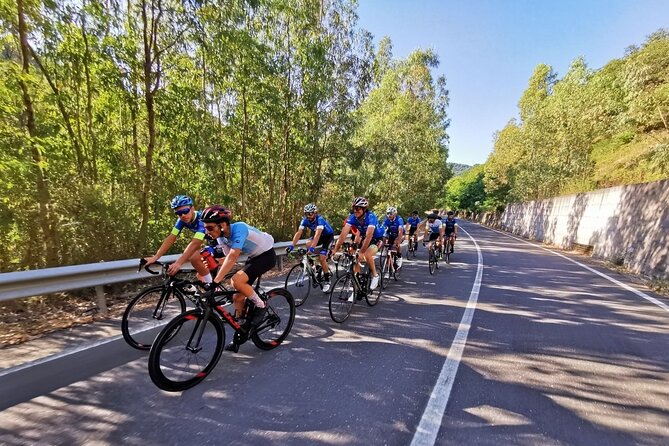
This ride is best for riders who want a real road climbing challenge but don’t want to figure everything out alone.
You’ll likely enjoy it if:
- You have moderate physical fitness and can handle steep, sustained gradients
- You want a guided experience with route support, not just a rental and a GPX file
- You like the idea of cycling to Rifugio Citelli and descending with momentum
You should think twice if:
- You’re brand new to road biking or you can’t sustain a steady pace for a full morning ride
- You’re expecting an easy spin with lots of frequent rests
- You’re prone to cramping and you don’t plan to fuel and pace early
And one more practical point: the ride depends on good weather. If conditions are off, you might be offered a different date or a full refund.
Should you book the Etna Bike Tour?
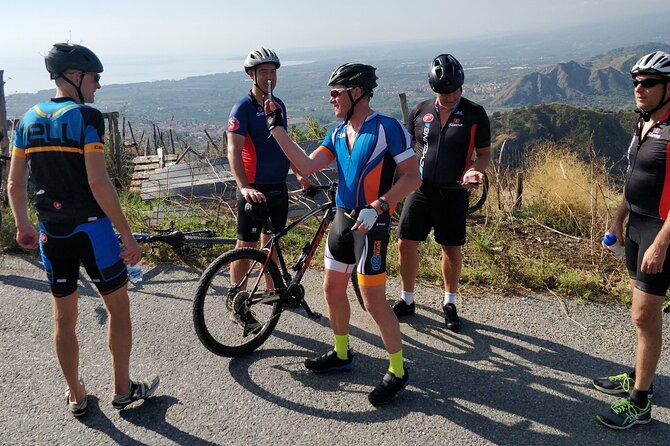
If you want Etna without the hassle, I’d book it. The tour’s strongest strengths are practical: small group size, guided pacing, and top-tier road bike gear that’s actually suited for climbing and descending. For many people, that combination is the difference between a memorable challenge and a stressful scramble.
Before you go, do two simple things: match your pedal preference to what you can ride confidently (flat, Shimano, or Look), and plan your fueling. You’re climbing toward Rifugio Citelli with a long push up the Bartali & Coppi slope, so your legs will thank you if you bring enough calories and keep water on schedule.
FAQ
How long is the Etna Bike Tour?
It lasts about 4 hours.
How many people are in the group?
The group is capped at a maximum of 8 travelers.
What fitness level do I need?
You should have moderate physical fitness for the ride.
What kind of bike and gear are included?
You get a full carbon road bike, a helmet, and pedals. Pedals can be flat, Shimano, or Look.
Where does the tour start and where does it end?
It starts at Via Recanati, 26, 98035 Giardini Naxos (ME), Italy and ends back at the same meeting point.
Is transportation included?
No. Private transportation is not included.
What happens if the weather is bad?
The tour requires good weather. If it’s canceled due to poor weather, you’ll be offered a different date or a full refund.
Can I cancel and get a refund?
Yes. You can cancel for a full refund up to 24 hours before the experience starts.