REVIEW · YOGYAKARTA
Kotagede Royal Route – Cycling Tour
Book on Viator →Operated by MOANA - Sustainable Cycling Tour · Bookable on Viator
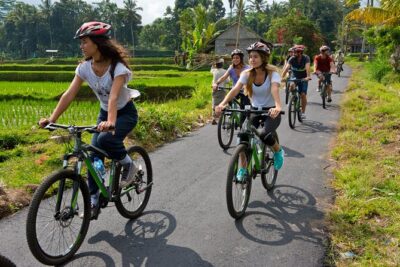
Pedal through Jogja’s old lanes. The Kotagede Royal Route gets you into the tight street-world of the city, with bike-led history and tasty stops that feel local, not staged. You’ll be moving at a human pace—close enough to notice the smells, chatter, and daily routines that pass-by cars miss.
I especially like the mix of old-town lanes and the visit to the Mataram Kingdom tombs. The tour also includes local food and drinks, so the ride comes with real breaks instead of just looking from the curb. You’re not just sightseeing; you’re learning how the area works.
One thing to plan for: this is urban cycling on narrow alleys and uneven paths. It needs medium cycling skill, and it’s not for kids, so confidence on a bike matters.
In This Review
- Key highlights worth your attention
- Why this ride works: old Jogja by bike, not by bus
- Route at a glance: the 3-hour plan and what 12–15 km means
- Meeting point and first minutes: get your bearings fast
- Stop 1: Kota Gede’s lanes and the architecture you only see up close
- The traditional market break: food as part of the sightseeing
- The Mataram Kingdom tombs: cultural context, not just a photo
- Cycling reality check: narrow lanes, cobblestones, and staying calm
- Bike rental, helmets, and what you actually get for $57
- Small group size: easier routes and better attention
- Sustainability in a way you can feel, not just a slogan
- Who should book this, and who should skip it
- Should you book Kotagede Royal Route?
- FAQ
- How long is the Kotagede Royal Route cycling tour?
- How far will I cycle during the tour?
- When are the tour departures?
- Where do I meet the tour?
- What type of bike is provided?
- Is a helmet included?
- Is this tour suitable for children?
- Is the tour difficult?
- What is included in the price?
- Is free cancellation available?
Key highlights worth your attention
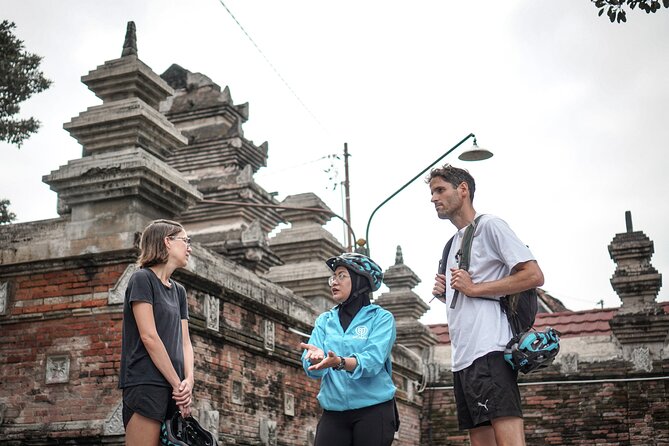
- Old-town maze routes: quiet side streets help you see real neighborhood life
- Mataram tomb visit with traditional clothing: a memorable cultural step beyond standard temples
- Market stop for local snacks: you get a food break built into the route
- Small group size (max 10): easier navigation through tight lanes
- Bike + guide + refreshment value: your time on the road feels fully used
- Low-carbon choice with a community donation: the tour folds sustainability into the experience
Why this ride works: old Jogja by bike, not by bus
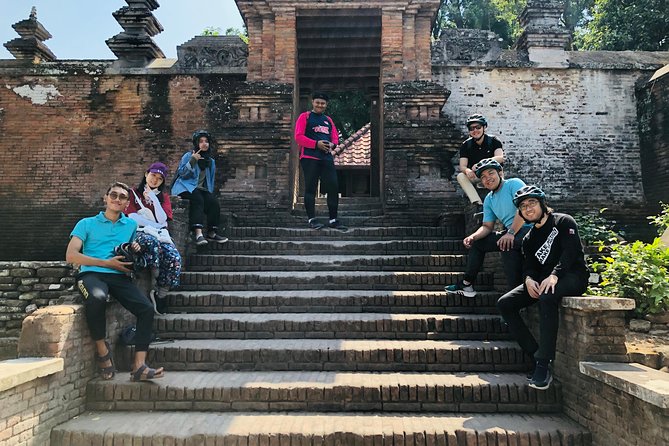
Yogyakarta can feel big if you only use main roads and taxis. This tour works because it changes the viewpoint. On a bike, you slow down on purpose. That makes it easier to notice doorways, small workshops, street life, and the way neighborhoods connect. It also makes the history feel less like a worksheet and more like something living in the streets.
I also like that the itinerary blends two different “types” of sights. You get architecture and temple areas around Kota Gede, then you shift to the Mataram Kingdom tombs—where you’re not just standing at a landmark. You’re participating in a cultural moment, including traditional Javanese clothing for the visit.
Finally, you get food and drink as part of the flow. That matters in a 3-hour tour. You don’t leave hungry or crash later—you refuel while the route is still unfolding.
You can also read our reviews of more tours and experiences in Yogyakarta.
Route at a glance: the 3-hour plan and what 12–15 km means
This half-day ride is about 3 hours, covering roughly 12–15 km. You can choose the morning slot (07:00–10:00) or the afternoon slot (14:30–17:30). Either way, it’s designed as a compact route: enough distance to feel like a real ride, but short enough to stay manageable for most adults who can handle city cycling.
The meeting point is MOANA Hub Prawirotaman, and the address given is Jl. Gerilya No.646, Brontokusuman, Kec. Mergangsan, Yogyakarta. The tour ends back at the same starting point.
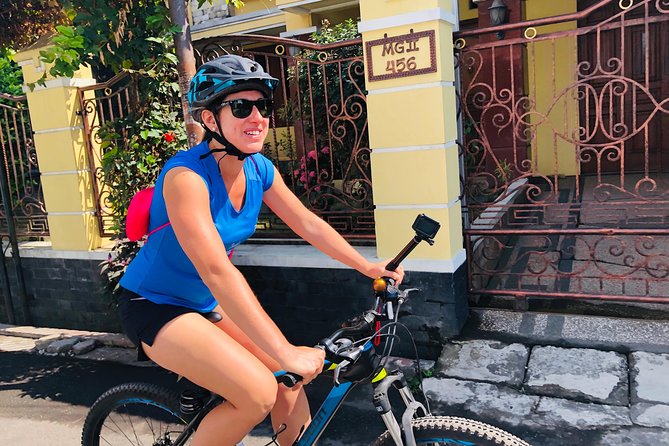
Bike choice is practical: you’ll ride a mountain bike or a city bike. In practice, that helps because the route mixes main roads with smaller alleys and footpaths. If you’re picturing a smooth riverside cycling track, adjust that expectation. This is more “neighborhood streets” than “tourist promenade.”
If you’re deciding between morning and afternoon, think about your comfort with heat and timing. An early start often feels easier for cycling, while late-day rides can be nicer for walking around markets and temples at a calmer pace.
Meeting point and first minutes: get your bearings fast
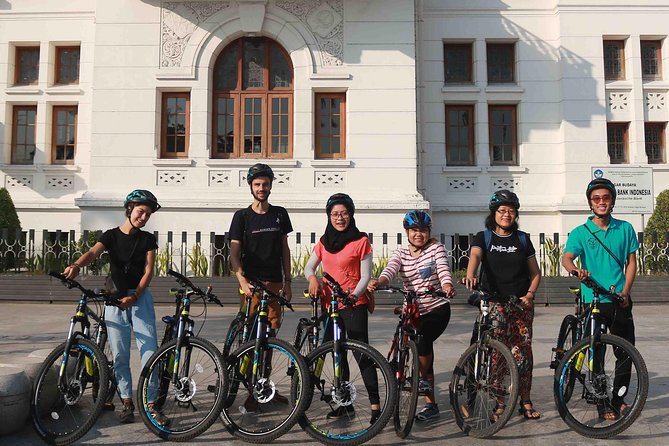
You’ll start at the MOANA Hub Prawirotaman area (Jl. Gerilya No.646). Since the tour immediately moves into tight streets, the first few minutes matter: helmet check, bike fit, and a quick safety briefing.
You’ll also want to be ready for the style of route. The experience is urban cycling, including narrow footpaths. That means balance counts as much as speed. If you’re even slightly unsure, ask the guide to show you how they handle turns in smaller lanes and where you should slow down.
The tour runs with a maximum of 10 travelers, which typically keeps the group easier to manage on narrow paths. That matters when the route funnels into alleys and market areas where you can’t spread out.
Stop 1: Kota Gede’s lanes and the architecture you only see up close
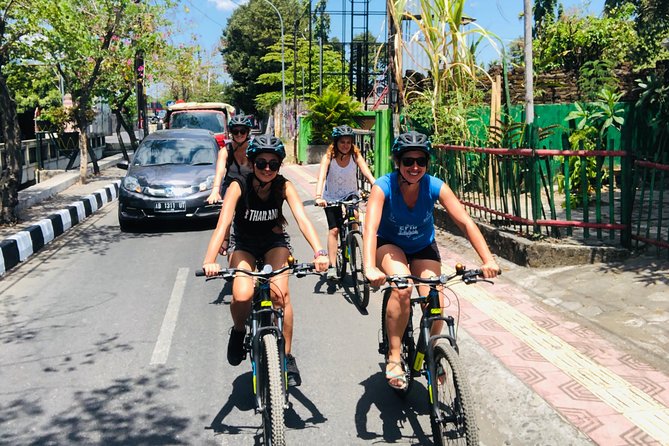
Kota Gede is where the tour’s “magic” really begins. This is not a drive-by zone. The idea is to help you walk—or rather, cycle—through the labyrinth of streets that shape the old town. Your guide points out the extravagant architecture of older buildings and temple areas, but from a moving position that helps you grasp how the neighborhood is laid out.
What you’ll feel here is scale and texture. From a distance, historic zones can look like “a cluster of sites.” Up close, they look like blocks of living space: doorways, courtyards, walls with details, and the way locals move between places. Cycling helps because you glide past these features without the long stops that can turn a tour into a standing-and-waiting routine.
The drawback is also simple: you’re cycling in a real urban environment. Streets can be tight, and surfaces can be uneven. If you’re comfortable with a city bike and you can handle occasional bumps, you’ll likely find the route exciting rather than stressful.
The traditional market break: food as part of the sightseeing
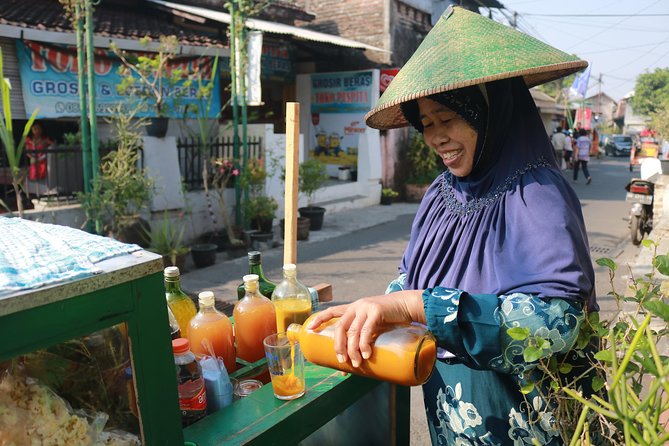
One of the route’s best value moments is the stop at a traditional market. This isn’t just a quick photo stop. It’s built into the ride, and it’s tied to local eating—snacks, local-style food, and refreshing drinks.
In a 3-hour experience, this kind of scheduled break does two things. First, it keeps your energy steady so you can enjoy the tomb segment later. Second, it gives you a view of local daily life beyond the tourist monuments. Markets are where you learn how people shop, snack, and socialize—often in the same minutes you’re watching a guide explain what you’re seeing.
What to do if you’re picky about food: pick what looks easiest to eat while cycling is done for that section. Also keep in mind you may be tempted to buy small items, but you’ll want to store them before you remount and start moving again.

The Mataram Kingdom tombs: cultural context, not just a photo
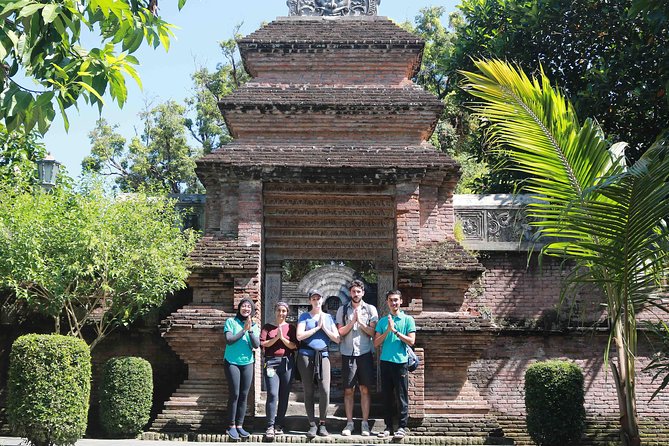
The second major highlight is the visit to the tombs of the Mataram Kingdom. This is a meaningful shift from streets and buildings into a place with deeper historical and cultural weight. The tour also includes a cultural detail: you’ll wear traditional Javanese clothing for the visit.
That costume element matters. It signals that this is not only about watching; it’s about respecting the setting and understanding that the area has ceremonial traditions. Your guide helps connect the tombs to the broader story of the old kings of Mataram.
The experience also mentions meeting the sultan’s servants, and that’s one of the reasons this tour feels more human than typical temple hopping. When you’re introduced to people connected to the site, the visit becomes about relationships and continuity, not just monuments.
Timing-wise, plan to slow down your expectations of speed. Tomb visits usually ask for quieter attention and careful movement. Even on a bike tour, the cultural stop changes your pace.
Cycling reality check: narrow lanes, cobblestones, and staying calm
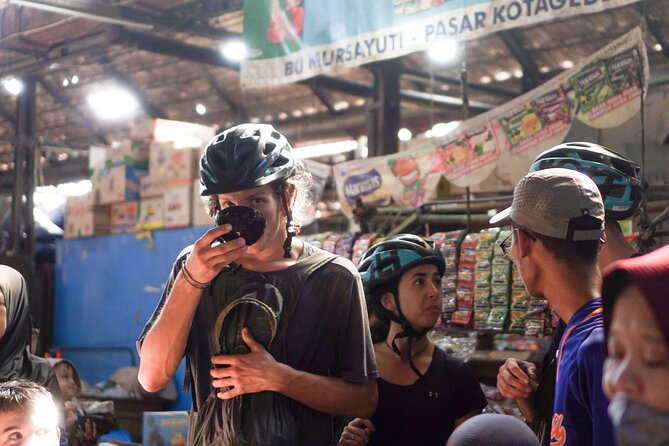
This is the part you should take seriously before booking. The tour involves urban cycling on main roads and small alleyways, with narrow footpaths. Surfaces can include cobblestone, and the ride can feel “harrowing” if you’re new to city biking.
The good news: the route is guided. The guide’s job is to lead you down quieter lanes and through areas without you needing to fight traffic on your own. That’s a huge stress reliever.
Still, here’s the practical rule I’d follow: if you’re comfortable riding in uneven outdoor conditions and stopping/starting smoothly, you’ll likely enjoy this. If you get nervous around cars, narrow lanes, or bumpy surfaces, choose your confidence over enthusiasm.
Also, remember it’s not for kids. The combination of road context and uneven paths just makes it too demanding for younger riders.
Bike rental, helmets, and what you actually get for $57
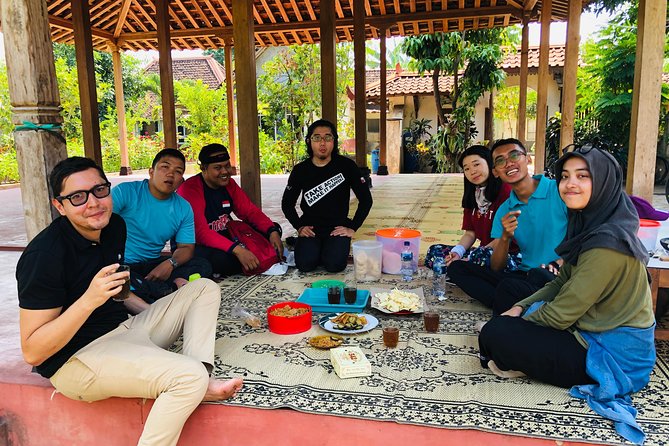
At $57 for about 3 hours, this tour can feel like a strong deal—mainly because the “hidden costs” are handled for you.
Included items:
- Bike rental
- Experienced guide
- Refreshment local food/drinks
- Donation to local community
- Helmet if desired
- Entrance fees on sites following the program (if any)
- A sustainability action fund
Not included:
- Tips for the guide (only if you’re satisfied)
- Transport to the meeting point
To judge value, I’d compare what you’d pay if you booked a bike, found a guide, and paid separately for entrance costs and food. Here, the structure is already tied together. You’re paying for time, safety support, local context, and meals/snacks—not just for movement.
If you’re traveling with a friend, check the idea of group discounts. The group is kept small (max 10), so it’s not the kind of tour where you’d get lost in a huge crowd.
Small group size: easier routes and better attention
This experience caps at 10 travelers, which changes the experience. In small groups, guides can manage spacing and keep an eye on everyone when you shift from wider streets to narrow alleyways.
It also means you’re more likely to get real-time guidance about where to slow down. That matters on footpaths and cobblestones. The tour style is practical and hands-on: it’s about getting you through the labyrinth of streets with confidence and context.
Sustainability in a way you can feel, not just a slogan
This is a low-carbon transport choice by design—cycling instead of another vehicle. On top of that, the tour includes a community donation plus a sustainability action fund.
Why that matters for you: you’re not just consuming a sightseeing experience. You’re contributing to local support tied to the tour’s operations. Even if you don’t track every detail, it signals that the tour is trying to balance visitor time with community impact.
If sustainability is part of how you choose tours, this one has tangible elements rather than vague claims.
Who should book this, and who should skip it
Book it if you:
- Want history explained through streets, not just through signs
- Like markets and local food as a core part of the day
- Feel comfortable biking in an urban setting
- Prefer small groups (max 10) for easier navigation
Skip it if you:
- Have limited confidence riding in city conditions
- Are bringing children (it’s not suitable for them)
- Want a stress-free, flat, traffic-free ride
This tour works best for adults and capable riders who enjoy getting close to everyday life—especially in older neighborhoods where walking paths can be narrow and surfaces irregular.
Should you book Kotagede Royal Route?
Yes, if you want a 3-hour slice of Yogyakarta that feels more grounded than typical “temple and back” tours. The combination of Kota Gede’s street maze, a planned market food stop, and the Mataram tomb visit—with traditional clothing—gives you variety without inflating the schedule.
But don’t book this on hope. Take it for what it is: urban cycling with medium skill demands and narrow paths. If that part sounds uncomfortable, look for a gentler route.
If you do book, pack confidence, wear something you can move in, and treat the market and tomb stops as key moments—not interruptions.
FAQ
How long is the Kotagede Royal Route cycling tour?
The tour runs for about 3 hours.
How far will I cycle during the tour?
The distance is about 12–15 km.
When are the tour departures?
You can choose a morning tour from 07:00 to 10:00 or an afternoon tour from 14:30 to 17:30.
Where do I meet the tour?
You meet at MOANA Hub Prawirotaman, with the provided address Jl. Gerilya No.646, Brontokusuman, Kec. Mergangsan, Kota Yogyakarta.
What type of bike is provided?
You’ll ride a mountain bike or a city bike.
Is a helmet included?
A helmet is available if you desire it.
Is this tour suitable for children?
No. The tour is not suitable for children.
Is the tour difficult?
The cycling skill requirement is listed as medium.
What is included in the price?
The price includes bike rental, an experienced guide, local food and drinks, a community donation, entrance fees for sites on the program (if any), plus a sustainability action fund.
Is free cancellation available?
Yes. You can cancel up to 24 hours in advance for a full refund.