REVIEW · TOKYO PREFECTURE
Little Adventure with Cycling in Tokyo No. 1 Crystal Clear River
Book on Viator →Operated by 東京裏山ベース · Bookable on Viator
Tokyo has a river-side secret. This day trip takes you from the city to the upper reaches of the Akigawa River for temple stops, e-bike riding, and a walk through the water to a hidden waterfall—then finishes with a soothing hot-spring footbath. I especially like how easy the e-bikes are to handle, and how the stops feel like real mountain Japan, not a staged tourist route. One thing to consider: this experience needs good weather, and rain can lead to changes in the plan.
You’re also not doing this with a crowd. The whole outing runs about 6 hours, starts at 10:00 am, and caps at 6 travelers, so the pace stays relaxed even when the day includes river trekking and a suspension bridge crossing. Plus, it’s close to public transport and starts from 東京裏山ベース in Akiruno—about an hour out from central Tokyo by train.
In This Review
- Key highlights you’ll care about
- From central Tokyo to the Akigawa Valley: why this feels different
- Meeting at 東京裏山ベース: small group, calm start
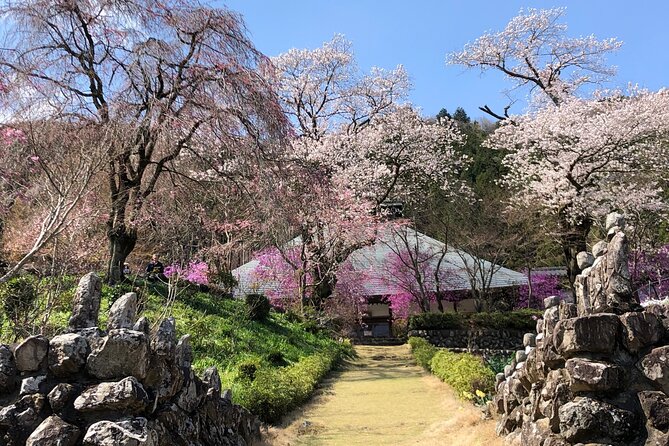
- Stop 1: Kotokuji Temple’s thatched gate and giant ginkgo
- Stop 2: Kurochaya and the first half of the e-bike ride
- Akigawa Valley lunch: outdoor chairs and a special Cuba sandwich lunchbox
- 13:00–14:00: River trekking with waterproof gear and a hidden waterfall
- Stop 4: 秋川溪谷瀨音之湯 hot-spring footbath and suspension bridge crossing
- Price and value: what $143.34 buys you in a day
- Best for: who will enjoy this most
- Considerations before you book
- Should you book this Tokyo Crystal Clear River e-bike tour?
- FAQ
- How long is the tour?
- What time does the tour start?
- Where is the meeting point?
- Is this a small group tour?
- What activities are included?
- Is the tour affected by weather?
- Can I cancel for free?
Key highlights you’ll care about
- Electric bikes that keep the day easy: you cover lots of ground without grinding uphill all day
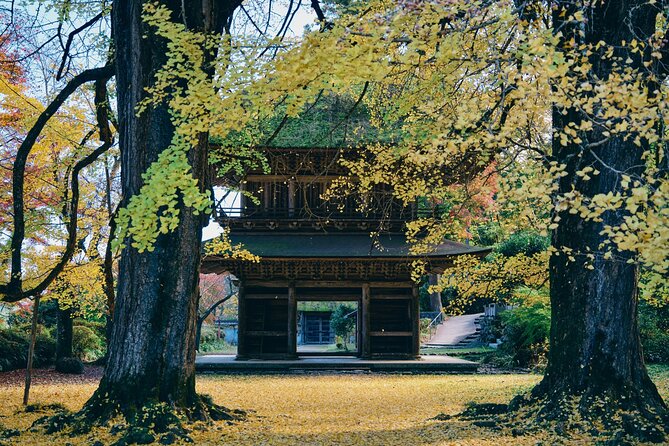
- Kotokuji Temple stop: a thatched gate, a giant ginkgo tree, and clear history explanations
- Kurochaya valley ride: scenic bridges, old temples, Japanese gardens, and terrace cafes above the valley
- Special riverside lunch: chairs set outdoors by the river for a lunchbox version of a Cuba-style sandwich
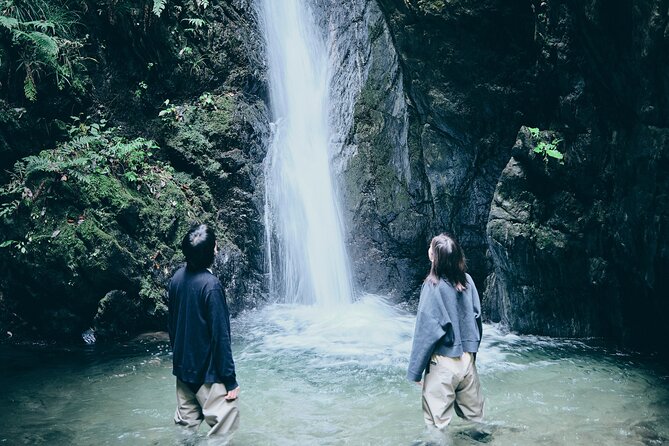
- Waterproof river trekking + hidden waterfall: the day’s most memorable physical moment
- 秋川溪谷瀨音之湯 hot-spring footbath: suspension bridge crossing, soaking feet, and souvenir time
From central Tokyo to the Akigawa Valley: why this feels different
Tokyo is famous for fast mornings, late-night lights, and crowds. This tour is a polite reset. You leave the city rhythm behind and head to the upper stretches of the Tama and Akigawa River systems, where older practices like charcoal burning and forestry shaped life around the Edo-era world. That history isn’t delivered as a lecture; it shows up as you move through temple grounds, bridges, and forested river paths.
The “crystal clear river” angle isn’t just marketing either. The itinerary is built around being on and near the water: cycling along the valley first, then switching to river trekking in waterproof gear for the waterfall walk, and finally cooling down with an onsen-style footbath afterward.
What you get for your money is the full arc: transit out, guiding, e-bikes, multiple stops, lunch, river trekking, and a hot-spring finish—all in one day.
You can also read our reviews of more tours and experiences in Tokyo Prefecture.
Meeting at 東京裏山ベース: small group, calm start
The tour meets at 東京裏山ベース, 219-7 Tateya, Akiruno, Tokyo. It starts at 10:00 am and returns to the same place at the end. The base is set up for this kind of half-rural day, so you’re not scrambling to figure out where to go once you arrive in Akiruno.
Two practical reasons I like small group tours like this:
- You get more time for questions during temple and cycling stops.
- The guide can adjust pace when the river conditions or the weather shift.
The maximum group size is 6 travelers, which keeps the ride from turning into a shuffle. If you’re the type who gets stressed by tight schedules, this matters.
Also, you’ll have a mobile ticket, which makes the start smoother once you’re at the meeting point.
Stop 1: Kotokuji Temple’s thatched gate and giant ginkgo
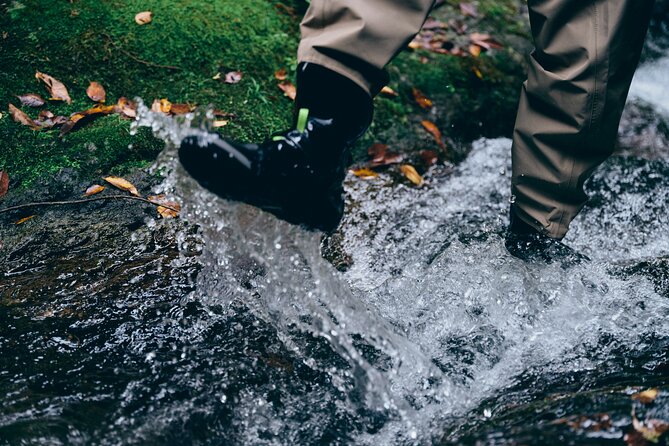
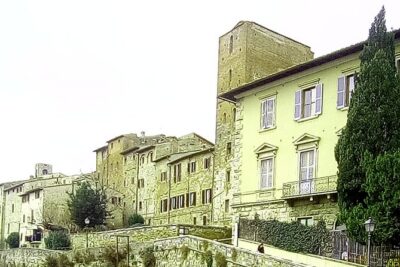
You begin with Kotokuji Temple for about 30 minutes, and the best part is that it’s not a quick photo stop. You pass through a thatched gate, then get to see a giant ginkgo tree—the kind of landmark that instantly makes a temple feel rooted in place.
What I find useful here is the way the stop is framed: you’re given enough background to understand why the site matters, without the experience turning into a long talk. Free admission helps too, and it means you can focus your brain on the atmosphere rather than logistics.
If you like temples but hate rush-through itineraries, this first stop is a good opener. It sets a quiet tone before the day gets more active.
Stop 2: Kurochaya and the first half of the e-bike ride
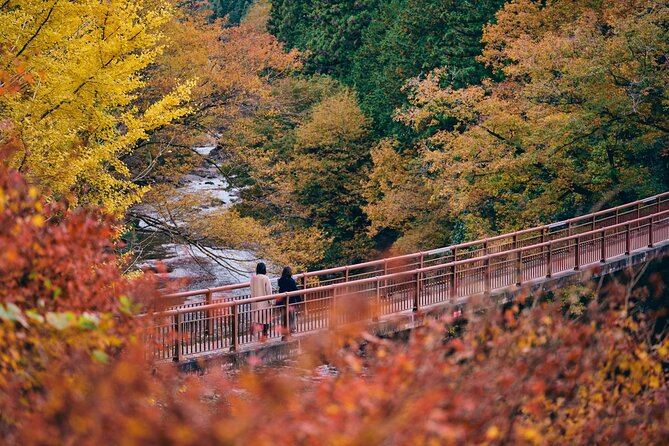
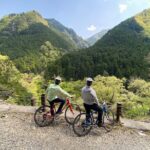
After Kotokuji, you switch to electric bikes for the first half with a guide. This part is about movement and scenery: you stop at scenic bridges, visit old temple areas, pass Japanese gardens, and you might have chances to see cafes with terraces overlooking the valley.
Kurochaya is where the day starts to feel like a real mountain outing. On an e-bike, you’re traveling at a comfortable pace, which lets you actually look around. That matters because the route runs through the kind of river-valley geography most visitors to Tokyo never see.
One detail worth noting: the ride is guided, so you’re not dealing with navigation apps while trying to enjoy the scenery. It’s also the point where the guide’s pacing can make or break the experience. In one version of the tour, the guide Kenji stood out for making communication easy and keeping things accommodating—useful if you’re not fluent in Japanese.
Akigawa Valley lunch: outdoor chairs and a special Cuba sandwich lunchbox
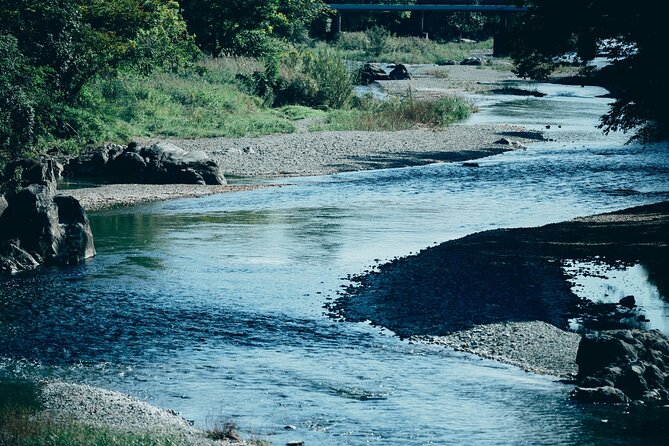
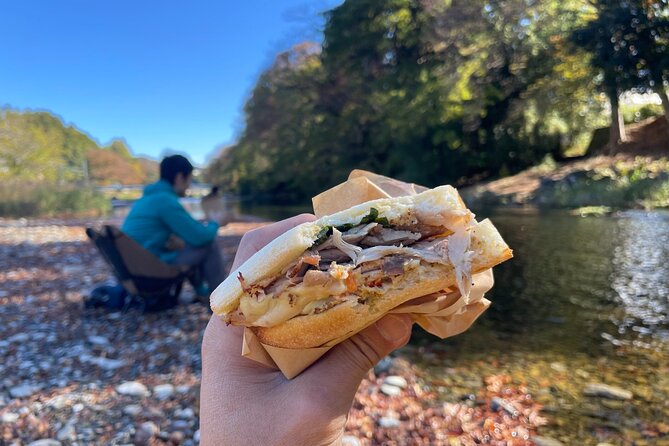
From 12:00 to 13:00, you take lunch by the river. The setup is part of the charm: outdoor chairs placed at a special riverside spot, then a lunchbox featuring a Special Cuba sandwich style meal.
This is the type of lunch I look for when I want travel to feel lived-in. You’re not stuck eating between two stops in a loud room. You’re eating near the water, with the valley around you. It also turns your day from “ride, stop, ride” into a slower rhythm with a real break.
A small practical tip: if you’re sensitive to outdoor conditions, bring a light layer. Even on pleasant days, river valleys can feel cooler than the city.
13:00–14:00: River trekking with waterproof gear and a hidden waterfall
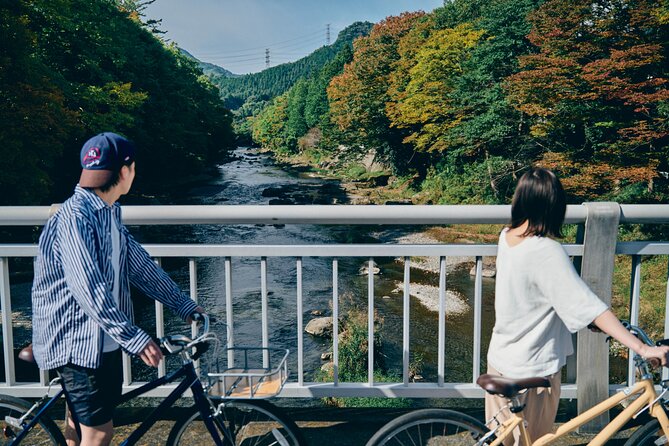
This is the centerpiece moment. From 13:00 to 14:00 you do a river trekking tour—and the overview makes it clear there’s a walk through the river with waterproof gear to reach a hidden waterfall.
Why this works so well (even for people who don’t think of themselves as outdoorsy):
- The e-bike gets you close to the right area without exhausting you.
- Then the trek gives you that hands-on connection to the landscape and water sound you can’t really get from a viewpoint.
- The payoff is tangible: you’re aiming for a waterfall you can reach on foot, not just something you see from across a road.
Is it challenging? It’s active, but you’re doing it as a guided activity with the right gear. Your biggest consideration is footwear and comfort. Go for shoes that can handle wet conditions and have grip. Also, be prepared for the moment when you transition from “walking normally” to “water-level walking.”
If you’re visiting Tokyo expecting neon, this stop is how the trip earns its name: a crystal-clear river day that actually uses the river.
Stop 4: 秋川溪谷瀨音之湯 hot-spring footbath and suspension bridge crossing
From 14:00 to 14:40, you cycle again on electric bikes for the second half. After that, you spend time crossing a suspension bridge and visiting 秋川溪谷瀨音之湯.
From 14:40 to 15:30, the focus shifts to recovery and local atmosphere:
- Footbath in a hot spring
- Time for souvenir shopping
I like that the final stretch is restorative rather than just “finish and go.” After water trekking, your feet are the logical place to unwind. A footbath also feels more doable than a full bath schedule, especially on a day trip where you still have a lot of movement earlier.
The suspension bridge adds a little drama at the end. It’s a short, memorable crossing that breaks up the cycling and makes the return feel like you’re moving through the valley rather than simply leaving it.
Price and value: what $143.34 buys you in a day
At $143.34 per person, you’re paying for more than a guided walk. You’re funding a full, structured day: e-bike use, a guide, temple entry (the itinerary lists admission tickets as free), lunch (the special Cuba sandwich lunchbox setup), waterproof gear for the water trek, plus the hot-spring footbath stop.
The value really comes from bundling:
- You get transportation within the area via e-bike rather than buses or taxis.
- You get multiple “anchor” activities (temple, scenic ride, lunch, river trek to a waterfall, hot-spring finish).
- You get a small group cap, which helps keep the experience from feeling rushed.
One more planning clue: the tour is often booked about 46 days in advance on average. That’s not a reason to panic, but it does suggest you’ll want to lock in early if your dates are fixed.
Best for: who will enjoy this most
This tour is a strong fit if you want:
- A different Tokyo: you’re staying in Tokyo Prefecture, but the feel is rural and river-focused
- Real activity without needing to be a hardcore hiker
- A small-group day with time for explanations and breaks
You’ll likely enjoy it most if you’re traveling with curiosity and you like your “Tokyo” days to include nature and local food, not only big-ticket sights. It also makes sense for couples and solo travelers who want guided flow without having to plan every turn.
Considerations before you book
The tour requires good weather. Since the day includes river trekking, you should expect the organizers to adjust if conditions are poor. One caution I’d give: if you’re the type who hates uncertain plans, keep your schedule flexible.
Also, this is a 6-hour itinerary. It’s not long in clock time, but it’s packed with movement. Plan your day around it. If you want a gentle stroll day only, this might feel a bit active.
Finally, it’s not built around indoor comfort. Even with the hot-spring footbath at the end, you’ll spend a meaningful chunk of time outdoors, including around the river.
Should you book this Tokyo Crystal Clear River e-bike tour?
I’d book it if you want a day that feels like you left Tokyo without giving up the convenience of starting from inside the Tokyo region. The combination of e-bike riding, a temple with a giant ginkgo and thatched gate, a riverside lunch, a guided waterfall walk in waterproof gear, and an end-of-day hot-spring footbath is a lot of experience for one outing.
Skip it if your trip is heavily weather-dependent and you can’t be flexible. Also skip it if you know you dislike any water-walking component, since the waterfall portion is central to the route.
If your idea of a great Tokyo day includes mountains, river sounds, and food near water, this is exactly that.
FAQ
How long is the tour?
It runs for about 6 hours.
What time does the tour start?
The start time is 10:00 am.
Where is the meeting point?
You meet at 東京裏山ベース, 219-7 Tateya, Akiruno, Tokyo 190-0163, Japan, and the tour ends back at the same meeting point.
Is this a small group tour?
Yes. It has a maximum of 6 travelers.
What activities are included?
The day includes an electric bike ride, temple visits, a riverside lunch, river trekking with waterproof gear to a hidden waterfall, and a hot-spring footbath at 秋川溪谷瀨音之湯.
Is the tour affected by weather?
Yes. The experience requires good weather, and if it’s canceled due to poor weather, you’ll be offered a different date or a full refund.
Can I cancel for free?
Yes. You can cancel up to 24 hours in advance for a full refund. If you cancel less than 24 hours before the start time, the amount paid is not refunded.