Kyoto’s backstreets feel fast on two wheels. This morning e-bike tour is a stress-free way to see classic sights and quieter alleys without wrestling a map, and it includes the bike setup so you can just ride.
I especially like the balance of “big landmarks” and small street moments. You’ll pass through geisha districts like Miyagawacho and Gion, then glide into the Kyoto Imperial Palace grounds, with a calm break by the Kamo River.
One thing to consider: even on an e-bike, you’re still on a road-focused ride for about 3 hours, so comfort matters. If weather turns rough, the plan can shift to a walking tour using public transit, and that changes the feel of the morning.
In This Review
- Key Things You’ll Notice on This Kyoto E-bike Morning
- What You’re Really Paying For: Time Saved and Better Seeing
- 9:00 a.m. Start, Local Rhythm, and How the Ride Feels
- Stop 1: Miyagawacho Kaburenjo Alley Walk for Old-Kyoto Calm
- Stop 2: Gion’s Maiko and Geiko World at Street Level
- Stop 3: Tatsumi Bridge for Willows, Water, and a Quick Reset
- Stop 4: Kyoto Imperial Palace Grounds on Gravel Paths
- Stop 5: Kashiwayacho and the Kamo River Break You’ll Appreciate
- Guide Impact: When Q&A Turns the Morning Into a Real Conversation
- Price and Comfort: E-bike Logistics That Affect Your Day
- Who This Tour Suits Best (and Who Might Want a Different Option)
- Should You Book This Morning Hidden Alleyway E-bike Tour?
- FAQ
- How long is the Morning tour?
- What time does the tour start, and where do we meet?
- Is this a private tour?
- How many people can join per guide?
- Are tickets handled digitally?
- What happens if it rains?
- Are there child requirements?
Key Things You’ll Notice on This Kyoto E-bike Morning
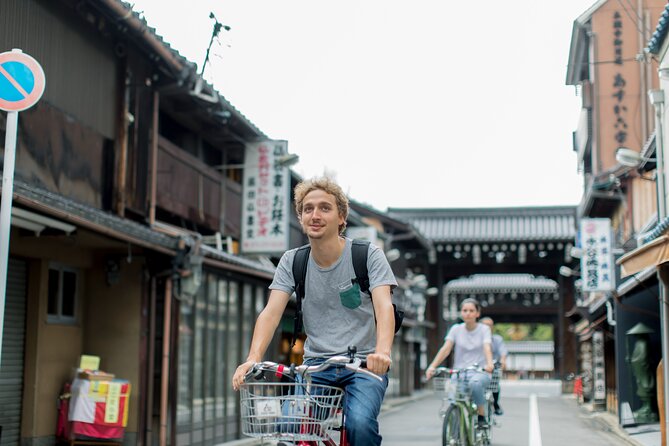
- Private-group pacing for just your group (min 2, up to 6 per guide), so you’re not stuck with the slowest or fastest rider
- Bike equipment rental included, which saves time on arrival and makes the whole thing feel low-hassle
- Geisha districts first (Miyagawacho, then Gion) so you catch those lanes before the day gets too hot or crowded
- Kyoto Imperial Palace on a gravel-path ride, not just a quick viewpoint stop
- A reset by the Kamo River with time to slow down in Kashiwayacho
- Rain plan is built in: continue with rain poncho or switch to a walking tour via bus/metro
What You’re Really Paying For: Time Saved and Better Seeing
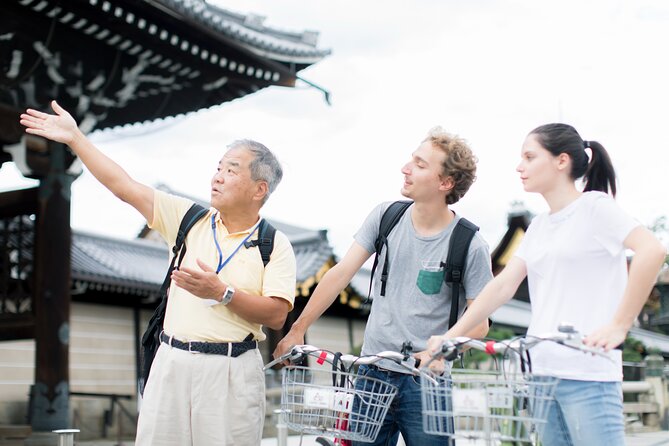
At $103.04 per person for about 3 hours, this tour isn’t trying to be the cheapest way to get around Kyoto. You’re paying for three things that add up quickly: a guide who knows how to connect sights, an e-bike setup that removes rental hassle, and a route that’s designed to move efficiently on streets and lanes.
That matters in Kyoto, where “trying to see everything” can turn into long walks, confusing turns, and wasted energy. With an e-bike, you can cover more ground than you would on foot, but without feeling like you’re just sprinting from photo spot to photo spot.
The private format is a big part of the value. With a smaller group, your pace can be human. If you want to pause for a detail or ask questions (and you will), you don’t feel rushed by a big herd.
You can also read our reviews of more tours and experiences in Kyoto.
9:00 a.m. Start, Local Rhythm, and How the Ride Feels
You start at 9:00 am at 552-13 Higashiaburanokōjichō, Shimogyo Ward, Kyoto (and the tour ends back at the meeting point). You’ll get a mobile ticket, so you’re not digging through paper while you’re trying to meet a person in a busy area.
The group size is capped: typically min 2 and max 6 guests per guide, with an extra guide possible for larger groups (7–12). That means the tour should feel organized rather than chaotic. In the reviews, the best moments seem to come from the back-and-forth: the guide explains, you ask, the morning becomes a conversation rather than a lecture.
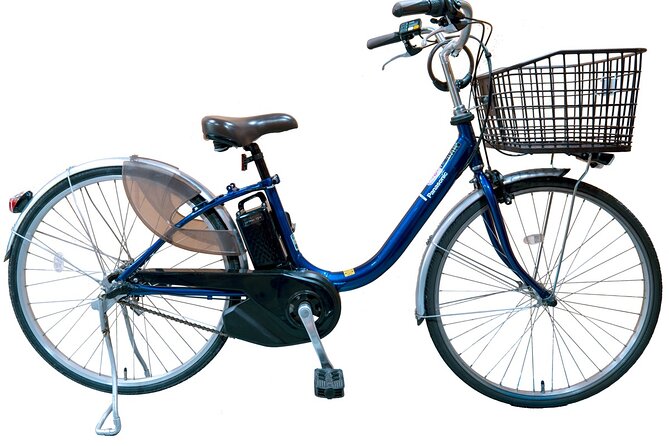
Because it’s an e-bike, the ride tends to feel manageable even when you’re not used to cycling. One review specifically notes a battery-powered bike, which is exactly what you want for Kyoto’s stop-start streets and small stretches where the route rises and falls a bit.
Practical comfort note: if you’re not used to biking, consider padded pants. One rider called that out directly, and honestly, it’s the kind of small fix that can turn an okay ride into a genuinely comfortable morning.
Stop 1: Miyagawacho Kaburenjo Alley Walk for Old-Kyoto Calm
The morning begins in Miyagawacho Kaburenjo, part of Miyagawacho, one of Kyoto’s major geisha districts. It’s described as one of the largest districts among the five geisha districts in Kyoto, and the feel is all about atmosphere.
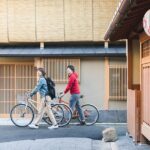
Here, you’re going to slow down and look. The lane is lined with traditional wooden houses on both sides, giving you that quieter, older Kyoto mood that you don’t always get when you only pass through main streets. You can almost feel the pace drop, even though you’re on a bike.
This stop is also short—about 15 minutes—so it’s less about “strolling for hours” and more about getting your bearings fast. You’ll walk away with a sense of how geisha districts are shaped by their streets, not just their signage or landmarks.
Stop 2: Gion’s Maiko and Geiko World at Street Level
After Miyagawacho, the tour moves into Gion, Kyoto’s most famous geisha district. The focus here is less on treating Gion like a theme park and more on understanding what you’re seeing at human scale.
You’ll learn how Gion developed as a central geisha district, and you’ll get introduced to the roles that show up in the district: Maiko girls and Geiko women. Even if you don’t catch formal events, knowing the difference helps you interpret what you notice on the street—how people move, how neighborhoods feel, and why certain areas stay tightly connected to tradition.
Like the first stop, this one is about 15 minutes. That makes it ideal early in the day: enough time to soak in the refined atmosphere of older Kyoto, but not so long that you feel stuck watching the same street corner.
Stop 3: Tatsumi Bridge for Willows, Water, and a Quick Reset
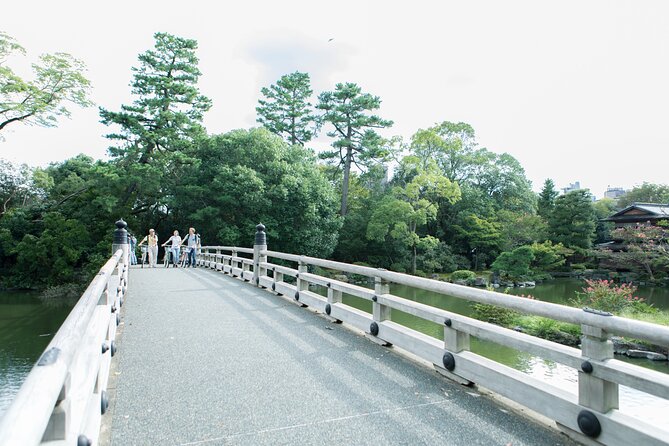
Tatsumi Bridge is a breather stop. About 15 minutes along a path that runs by a limped stream, this is where the tour shifts from district streets to nature edges inside the city.
Willows swing in the breeze here, and the walk-by-water feeling is exactly the kind of calm break that keeps the rest of the ride enjoyable. After geisha-district lanes, you’re ready for a sensory change: softer sounds, more open sightlines, and a little “Kyoto breath” before you head into the bigger grounds of the palace area.
If you’re the type who likes both culture and atmosphere, this stop tends to be a highlight. It’s short, but it gives your brain a moment to reset.
Stop 4: Kyoto Imperial Palace Grounds on Gravel Paths
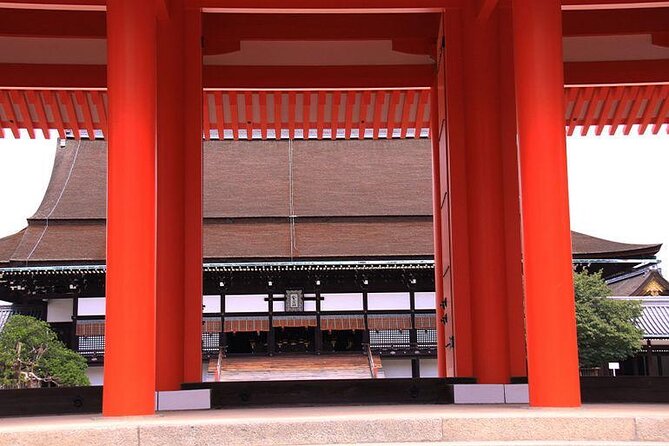
Now you shift from neighborhood detail to a major historic site: the Kyoto Imperial Palace. This was the residence of Japan’s Imperial Family, and today it’s open to the public as a national garden with seasonal flowers.
The key point here is how you experience it. You’re not just getting a quick pass-by. You cycle along the gravel paths, which keeps you moving through the grounds without turning the visit into a long foot trek.
This stop takes about 20 minutes. Admission is noted as free, so you’re not juggling payment or tickets mid-tour. You also get a more “structured visit” than what most people do when they arrive at the palace and realize they’ve walked the same route twice.
One practical thought: palace grounds can be visually big. A guided stop helps you avoid wandering with no plan. Even when you’re only there for a short window, you’ll leave with a clearer sense of what matters in the space.
Stop 5: Kashiwayacho and the Kamo River Break You’ll Appreciate
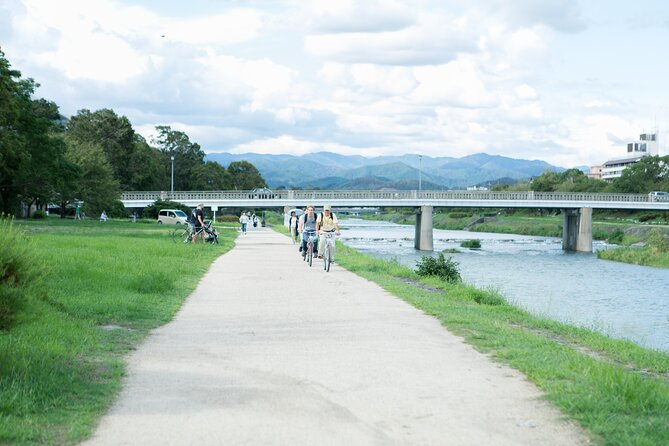
Your final stop is Kashiwayacho, with time to relax by the Kamo River. This is about 20 minutes, and admission is included.
This part is valuable because it turns the morning from “constant looking” into “local time.” On an e-bike tour, the day can feel like a string of stops. A river break gives you the chance to just sit, reset your legs, and let the morning’s information settle.
If you’re traveling with someone who gets tired of walking, this is also a great peace-offering moment. It’s not just scenic; it’s practical.
Guide Impact: When Q&A Turns the Morning Into a Real Conversation
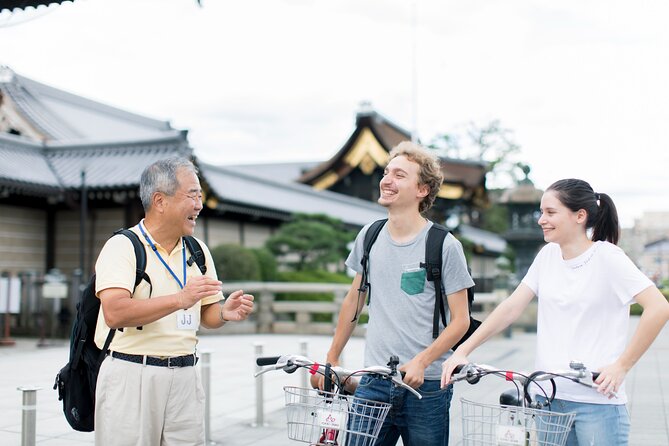
The guide quality is a major reason this tour earns such strong marks. You might get a guide like Rich-San, and some groups have described how he answered questions for a full morning without losing momentum. Another review mentioned Yuichi, with the guide responding to what the group wanted and keeping the pace comfortable. And Annie was praised as kind, informed, and generous with comments and help.
You’ll probably get more than a route explanation. The best experiences come when the guide connects the dots—how the geisha districts fit into Kyoto’s wider traditions, what to notice in the streets, and how to understand the palace grounds beyond just name recognition.
That said, here’s a fair consideration: language skill can vary day to day. One group said English felt insufficient to really exchange on topics during rain, and they wished they’d switched to metro and bus instead of biking. So if language depth matters a lot to you, this is worth keeping in mind.
Price and Comfort: E-bike Logistics That Affect Your Day
Here’s the practical reality: a 3-hour e-bike tour is a sweet spot. It’s long enough to see multiple major areas, but short enough that you don’t feel destroyed afterward—especially compared to a full-day bike plan.
To make it feel smooth:
- Wear clothing that lets you ride comfortably in the seat for a while. If you’re not used to cycling, padded pants are a smart move.
- Plan to keep your hands and eyes alert on streets. Even with power assist, you’re still navigating real traffic patterns.
- Bring a small layer if morning air feels cooler. (Kyoto can swing in temperature early.)
And remember: the tour can run in rain. You can choose to continue as usual with rain poncho included, or switch to a walking tour using public transportation (bus or metro) with that portion included in the tour fee. Rain changes the experience, but at least you’re not stuck staring at a cancellation notice.
Who This Tour Suits Best (and Who Might Want a Different Option)
This is a strong choice if you:
- Want a first or second day strategy for Kyoto (you’ll get orientation fast)
- Prefer seeing more than you’d manage on foot, especially in warmer weather
- Like geisha districts but also want the “real Kyoto calm” side (palace grounds, river time)
- Travel in a small group and want your pace respected
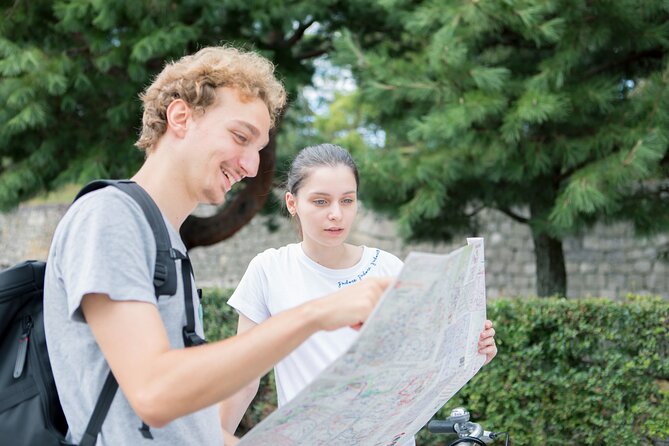
It’s also a good fit for people who don’t want the stress of map navigation. Kyoto’s backstreets are charming, but they can be tricky. A guide helps you move confidently while still keeping that authentic feel.
If you’re uncomfortable riding in traffic at all, or if you only want gentle sightseeing with zero road riding, you may want to consider a tour style that is fully walking-based. The rain option helps, but it’s still worth thinking about your comfort level before booking.
Should You Book This Morning Hidden Alleyway E-bike Tour?
If your goal is classic Kyoto plus quieter lanes, and you want to do it without turning your day into a long walk marathon, I’d book this. The mix of Miyagawacho + Gion (geisha district atmosphere), Kyoto Imperial Palace (major grounds, gravel-path cycling), and Kamo River downtime (Kashiwayacho rest) is a smart way to spend a few hours.
I’d especially choose it if you value:
- private-group pacing
- a guide who answers questions
- a setup that removes friction (bike equipment rental, mobile ticket)
One final nudge: book it earlier rather than later. It’s commonly reserved about 47 days in advance, which usually means you’ll want to lock in your morning while you still have options.
FAQ
How long is the Morning tour?
It runs for about 3 hours.
What time does the tour start, and where do we meet?
The start time is 9:00 am, and the meeting point is 552-13 Higashiaburanokōjichō, Shimogyo Ward, Kyoto, 600-8235, Japan.
Is this a private tour?
Yes. It’s listed as a private tour/activity, and only your group participates.
How many people can join per guide?
The group size is typically a minimum of 2 and a maximum of 6 guests per guide. For groups of 7–12, an extra guide can be arranged.
Are tickets handled digitally?
Yes. You’ll receive a mobile ticket.
What happens if it rains?
The tour operates in rain. You can continue on bikes with a rain poncho (free of charge), or switch to a walking tour using public transportation (bus or metro), included in the tour fee.
Are there child requirements?
Children must be at least 10 years old, at least 145 cm tall, and able to ride a bicycle safely on the road unassisted.