REVIEW · KYOTO
Kyoto: Higashiyama Slow Cycling Tour along the quiet waterfront
Book on Viator →Operated by BROMPTON SLOW CYCLING TOURS · Bookable on Viator
Kyoto feels different when you’re rolling, not walking. This Higashiyama Slow Cycling tour lets you glide along Kyoto’s waterside and calm temple lanes with a BROMPTON-style bike and local know-how. I love the mix of quiet riverside streets and temple stops, and I love that your navigator helps you find tranquil alternatives when crowds pile up. One catch: you’ll want moderate physical fitness, and the tour depends on good weather.
You ride about 12 km over roughly four hours, starting at Demachiyanagi Station at 10:00 am and ending back at the meeting point. All the riding gear is provided—helmets and bags for wheeled transport—so you can travel light and focus on the route.
In This Review
- Key things to know before you ride
- Meet your BROMPTON and roll into Higashiyama’s quieter side
- Why the $129 price feels fair for a 4-hour guided ride
- The route: Kamogawa River to Kyoto Gyoen in a calm, water-first loop
- Stop 1: Kamogawa River, the city’s water backbone (about 15 minutes)
- Stop 2: Shimogamo Jinja, UNESCO shrine calm (about 45 minutes)
- Stop 3: Philosopher’s Walk along the Lake Biwa Canal (about 30 minutes)
- Stop 4: Nanzen-ji Temple, a Rinzai heavyweight (about 30 minutes; admission not included)
- Stop 5: Nanzenji Suirokaku, the brick aqueduct still in use (about 30 minutes)
- Stop 6: Keage Incline, preserved industrial heritage beside cherry blossoms (about 30 minutes)
- Stop 7: Kyoto Gyoen National Garden, long linger time (about 1 hour)
- What makes this tour feel different: slow pace, small group, local course logic
- Photo moments and food breaks, without turning it into a checklist
- Weather and fitness: the two real constraints
- Who should book this Kyoto slow cycling day
- Should you book it?
- FAQ
- How long is the Higashiyama slow cycling tour?
- About how far do we cycle?
- Where does the tour start, and where does it end?
- What’s included in the price?
- Are temple admissions included?
- What happens if the weather is bad?
Key things to know before you ride
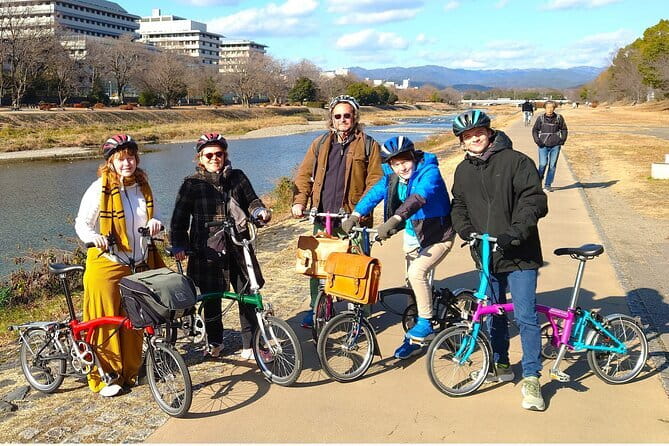
- BROMPTON-style bikes: a smooth, stylish ride that keeps things easy at an unhurried pace
- A local navigator: route guidance plus cultural context, with help avoiding the busiest moments
- Slow pace, modest distance: about 12 km in ~4 hours, built for people who aren’t chasing a workout
- Temple-and-water day: rivers, shrine grounds, and Higashiyama viewpoints, all connected by practical bike paths
- Small group size: up to 6 travelers, which means more breathing room and less rushing
- Admission mix: many stops are free, but Nanzen-ji Temple admission is not included
Meet your BROMPTON and roll into Higashiyama’s quieter side
The best part of cycling in Kyoto is simple: you can cover ground without losing the feel of the city. This tour uses BROMPTON bicycles, and that matters because these bikes are built for comfort and control in tight city spaces. You’re not sprinting between sights; you’re moving slowly enough to notice side streets, canal edges, and the rhythm of daily life.
You’ll get all the equipment you need, including a helmet and transport bags for your things. That’s a quality-of-life win, because carrying a bag on public transit or while walking adds up quickly in Japan. The tour also allows flexibility in the course based on what you want, so it’s not just a rigid checklist.
And yes, you’ll get photos. Kyoto with a BROMPTON bike looks great because the bike is part of the visual story—clean lines, compact size, and that “Kyoto street” vibe rather than a tourist bus silhouette.
You can also read our reviews of more tours and experiences in Kyoto.
Why the $129 price feels fair for a 4-hour guided ride
At $129 per person for about four hours, you’re paying for three big pieces: the bike rental, the exclusive navigator, and the riding equipment. For a city like Kyoto—where timing and navigation can make or break your day—that guided component is the real value.
A few costs to note up front:
- Insurance fee is listed separately (500 yen).
- Snacks aren’t included, though the navigator can suggest lunch during the tour based on what you want.
- Nanzen-ji Temple admission is not included.
When you add it up, the price makes sense if you want more than a simple rental. You’re not just getting wheels; you’re getting a person who knows how to thread the route through calm areas, water edges, and temple approaches without turning your day into a sprint.
Also, this tour tends to book early—on average about 35 days in advance—so if your dates are fixed, it’s worth planning ahead.
The route: Kamogawa River to Kyoto Gyoen in a calm, water-first loop
This is a slow cycling tour, so the timing at each stop is built for walking a bit, looking around, then remounting without dragging the whole day. You’ll cover multiple areas of Higashiyama and northern Kyoto, all connected by waterways and older heritage routes.
Here’s what you can expect stop by stop.
Stop 1: Kamogawa River, the city’s water backbone (about 15 minutes)
The tour starts at the Kamogawa River, a central waterway that runs through Kyoto. Even with only about 15 minutes here, the river sets the theme: Kyoto is a city that lives with water, not just around monuments.
Practical tip: take a moment to watch the river edge and surrounding streets before you roll on. It helps you get your bearings, because the whole day’s route is about moving along that water influence—canals, inclines linked to boat transport, and temple grounds shaped by their proximity to water.
Stop 2: Shimogamo Jinja, UNESCO shrine calm (about 45 minutes)
Next comes Shimogamo Jinja, a UNESCO World Heritage Site. You’ll spend about 45 minutes here, which is a good amount of time for slowing down, reading the space, and not feeling like you’re rushing through the gates.
One reason this stop works on a bike tour: the ride gets you to a serene pocket north of the Kamogawa River delta, so the atmosphere feels like a reset. The Tadasunomori forest area—described as tranquil sunlight filtering through the trees—is the kind of place where you stop thinking about your next photo and just start noticing.
Drawback to keep in mind: a shrine visit is still a walking-and-standing experience, so if you’re easily tired on your feet, pace yourself and use your bike time to rest.
Stop 3: Philosopher’s Walk along the Lake Biwa Canal (about 30 minutes)
Then it’s to the Philosopher’s Walk, a footpath along the Lake Biwa Canal at the base of Mount Higashiyama. The name comes from philosophers strolling there for contemplation, and even if you don’t come to think deeply, the vibe is built for quiet movement.
You’ll spend about 30 minutes—enough to stroll the canal-side feel and connect it to the temple district mood. If you’ve only seen this area at peak hours, a slow, guided timing can make a real difference. You’re not just “passing through,” you’re getting the canal rhythm.
Practical tip: wear comfortable shoes under your daypack situation. You’re cycling the route, but this section is still primarily walking.
Stop 4: Nanzen-ji Temple, a Rinzai heavyweight (about 30 minutes; admission not included)
Nanzen-ji Temple is famous as the most prestigious of all Rinzai temples in Japan. You’ll have about 30 minutes here, plus the view-worthy Sanmon Gate, which is known for showing up in Kabuki performances.
Admission here is not included, so plan for that extra cost if you want to go inside. Even without a long stay, the temple architecture and grounds have a strong sense of structure. It’s the kind of stop where you’ll want a little time just to look upward and notice scale.
Consideration: temple spaces can feel crowded during busy periods, so the tour’s slow, guided pacing is worth it. Your navigator can steer you toward calmer moments within the time you have.
Stop 5: Nanzenji Suirokaku, the brick aqueduct still in use (about 30 minutes)
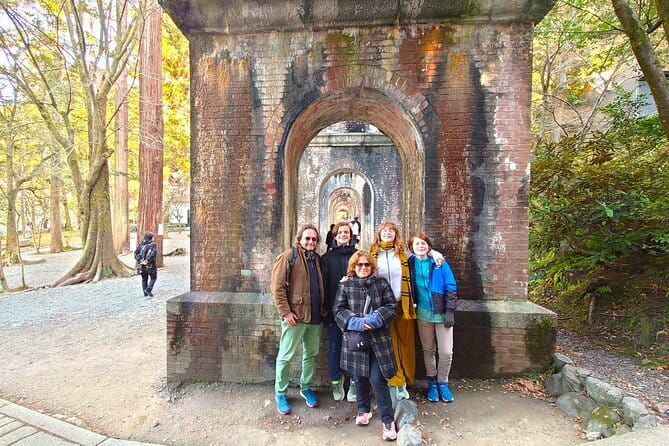
In the Nanzen-ji precincts is Nanzenji Suirokaku, a brick aqueduct connected to the Lake Biwa River. The cool detail here is that it played a major role in modernizing Kyoto in the Meiji era, and it’s still in use today.
You’ll spend about 30 minutes. That’s enough time to appreciate it as more than a photo stop. The aqueduct gives you a different perspective on Kyoto: not just temples as symbols, but water engineering as daily infrastructure.
If you like history that you can see and walk around, this is one of the most satisfying stops of the day because you can connect past and present without needing extra explanation.
Stop 6: Keage Incline, preserved industrial heritage beside cherry blossoms (about 30 minutes)
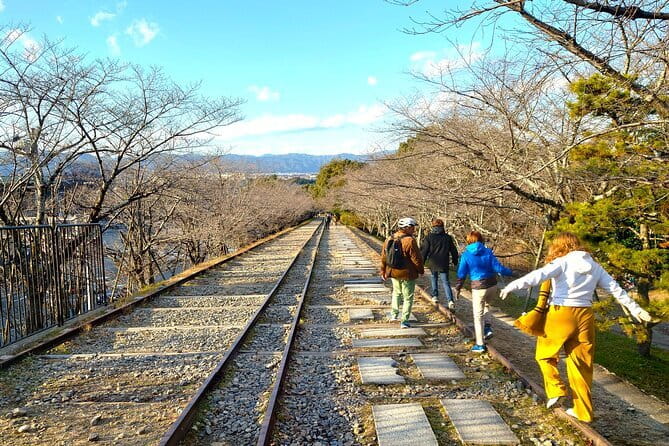
Next is Keage Incline, an incline railway linked to boat transport routes by the Lake Biwa Canal. It’s preserved as industrial heritage, and cherry blossom trees line it—so depending on the season, the atmosphere can shift a lot.
You’ll have about 30 minutes here, which is the right time to catch the geometry of the place and take in the water-and-transport story. It’s one of those stops where cycling makes sense, because you’re moving between areas that are connected by how people historically traveled and moved goods.
Tip: if you’re visiting in blossom season, plan to arrive ready to pause. This is the kind of sight that pulls your attention from your pace.
Stop 7: Kyoto Gyoen National Garden, long linger time (about 1 hour)
The ride finishes with Kyoto Gyoen National Garden, tied to the former Kyoto Imperial Palace area, where emperors lived until the mid-19th century. You’ll get about an hour here, which gives you room to slow down and just enjoy the garden space without feeling yanked onward.
This is a strong closing act because it shifts from water and heritage mechanics into a more restful, open time. You’re not rushing through buildings; you’re letting the day cool off.
If you’re the kind of person who ends tours by sitting for a while, this stop is your reward.
What makes this tour feel different: slow pace, small group, local course logic
The big theme is “slow cycling,” and that’s not just a marketing phrase. It changes how you experience Kyoto. Instead of fighting through crowded streets on foot, you’re on a bike with a guide who can keep your route practical and calm.
The group size is small—maximum 6 travelers. That matters more than most people expect. Small groups move with more flexibility, and you’re less likely to be stuck waiting for slow moving lines or blocked paths. You also get a more personal navigator experience, which helps if you want course adjustments based on your interests.
And that navigator piece shows up in the tour’s promise: they know the local area inside out and can steer you toward tranquil alternatives when places get busy. That’s the difference between seeing sights and actually experiencing a neighborhood.
Photo moments and food breaks, without turning it into a checklist
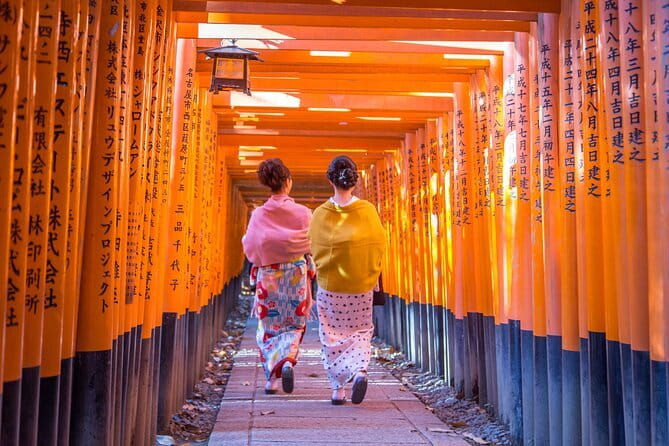
This tour is built for photos, but it’s not only about snapping. With BROMPTON bikes in the mix, you’ll naturally find better-looking angles than you would from standing on a sidewalk. The bike also makes it easier to frame scenery without standing in the flow of foot traffic.
Food-wise, snacks aren’t included, but your navigator can suggest restaurants for lunch based on what you want. That’s a practical perk: instead of guessing what’s nearby (and accidentally landing in the most tourist-y spot), you can ask for suggestions during the ride and keep the day smooth.
If you’re the type to carry a small snack just in case, that’s optional. The tour doesn’t list snacks as included, so plan around your own hunger level.
Weather and fitness: the two real constraints
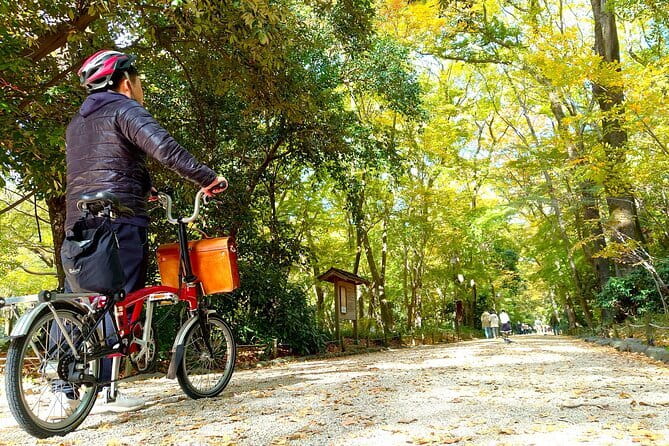
Two things decide whether the day feels easy or stressful.
First: good weather is required. If weather is poor and the tour is canceled, you’ll be offered a different date or a full refund. So it’s smart to keep your schedule flexible if you can.
Second: you need a moderate physical fitness level. The ride is slow and the distance is reasonable (about 12 km), but you’ll still be cycling for a chunk of time. If you can handle a comfortable city bike ride and short walks at stops like shrines and temples, you’re in the right zone.
The tour lasts about four hours, so plan for a “one activity day” mindset rather than stacking multiple heavy plans afterward.
Who should book this Kyoto slow cycling day
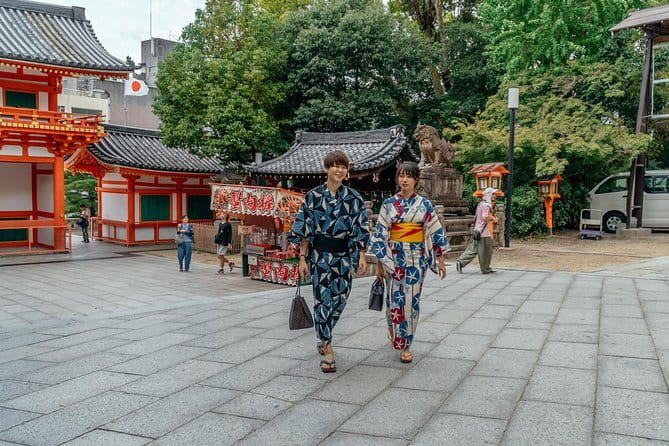
This tour is a great fit if you:
- want a gentler way to explore Kyoto’s Higashiyama and northern shrine areas
- like the idea of cycling between sights instead of constantly walking
- enjoy riverside paths, canals, and the water-and-temple connection
- want a small-group guided day with equipment provided
It’s also a strong pick if you’ve already done the big-name Kyoto sights and want a quieter, more local-feeling route.
If you’re looking for maximum time inside only a few temples, you might prefer a slower sightseeing plan with fewer stops. This one balances many classic Kyoto highlights in a single ride.
Should you book it?
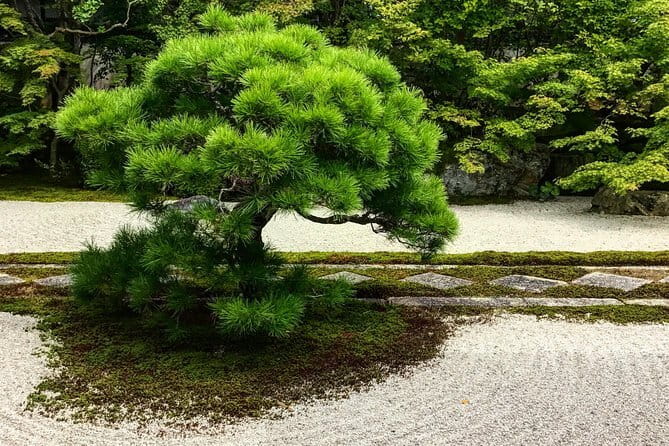
Yes, if your goal is to experience Kyoto with less crowd pressure and more calm motion. The value is in the combination: BROMPTON bikes, a local navigator, and a stop-by-stop route that ties water, heritage, and temples together in about four hours.
You should skip or swap if you’re expecting total ease with no walking at all, or if your schedule can’t handle weather-dependent changes. The tour works best when you treat it as a relaxed “ride and look” day.
If you want Kyoto that feels quieter than the postcard chaos, this is one of the better ways to get it.
FAQ
How long is the Higashiyama slow cycling tour?
It’s about 4 hours.
About how far do we cycle?
The distance is approximately 12 km.
Where does the tour start, and where does it end?
It starts at Demachiyanagi Station (32-1 Tanaka Kamiyanagichō, Sakyo Ward, Kyoto) and ends back at the meeting point.
What’s included in the price?
The bicycle rental fee, exclusive navigator fee, and riding equipment like helmets and bags for wheeled transport are included.
Are temple admissions included?
Nanzen-ji Temple admission is not included. The other listed stops have free admission.
What happens if the weather is bad?
This tour requires good weather. If it’s canceled due to poor weather, you’ll be offered a different date or a full refund.