REVIEW · UBUD
Half Day Cycling Tour ( Manual Bike )
Book on Viator →Operated by Greenbike Adventure · Bookable on Viator
Rice paddies meet real village life.
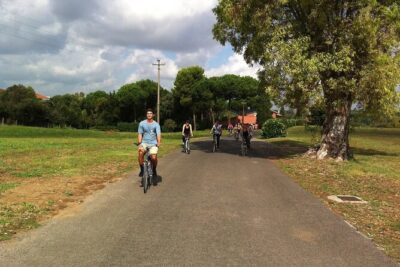
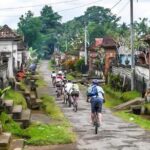
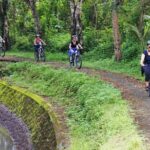
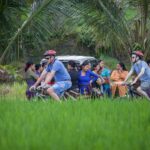
This Ubud manual cycling tour takes you out of town and down through villages, rice fields, and temple areas. You get a real sense of Balinese daily rhythm—then finish with a lunch in the rice paddy café vibe.
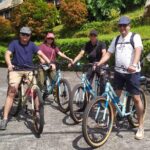
What I really like is how much is included. Helmets, insurance, bottled water, snacks, and round-trip hotel transfers are part of the deal, so you’re not juggling details before you ride. I also love the culture-focused stops, including a Balinese house visit and coffee breaks that feel more local than touristy.
One thing to keep in mind: this is not an electric bike. It’s a manual ride, and while it’s mostly downhill, you still need comfort with shared roads and uneven village paths.
In This Review
- Key things to know before you pedal
- Ubud cycling for $33: what you’re actually paying for
- The 7:00 am start: transfers and how the day really feels
- Manual bike reality check: how hard is the ride?
- From Tegallalang to the first ride break
- Abuan village and Bayung Gede: safety, water, and culture
- Taro Village coffee stop in a palm-garden setting
- Bresela rice irrigation: where the scenery becomes a lesson
- Payangan finish at Klusa: then the big lunch moment
- The guide factor: Ben, Yoga, Gede, and the team’s patient pace
- Who should book this cycling tour in Ubud
- Practical tips so you enjoy the whole day
- Should you book this Ubud half-day cycling tour?
- FAQ
- What time does the cycling tour start?
- How long is the tour?
- Is hotel pickup included?
- What kind of bike do I ride?
- Do I get helmet and insurance?
- What food is included?
- Where do you ride and what do you see?
- How many people are in the group?
- What is not included in the price?
- Can I cancel for a full refund?
Key things to know before you pedal
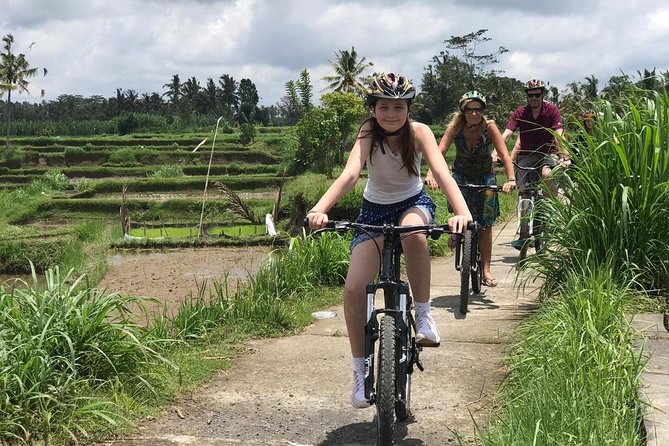
- Mostly downhill ride that many people find easy to enjoy, even at older ages
- Helmets + insurance + water included, plus an early safety explanation in the hill village area
- Culture stops like a Balinese house visit (and temple time along the route)
- Coffee break in palm-garden surroundings and a rice-field view focused on irrigation
- Greenkubu lunch stop with time to eat well and soak up the setting
- Small group size (max 20), so the guide can keep an eye on the pack
Ubud cycling for $33: what you’re actually paying for
At $33 per person, this tour is strong value because you’re buying the whole morning-to-lunch experience, not just bike time. You get the bike and helmet, bottled water, snacks, insurance, and round-trip transport from your hotel to the start area. That matters in Bali, where “getting there” can quietly become the hard part.
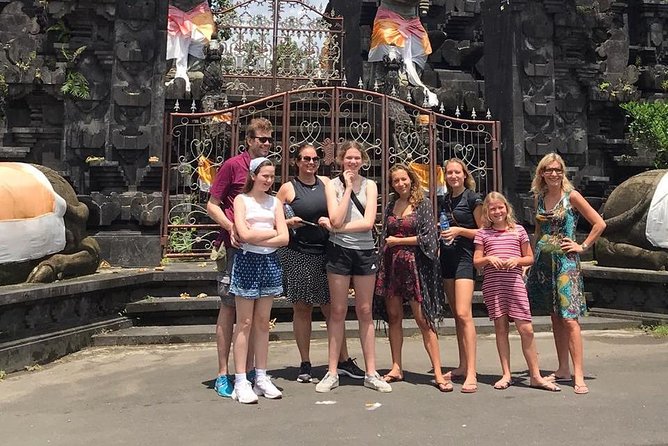
Most importantly, the day isn’t just scenery. You weave through villages, see the rice landscape up close, and make time for culture moments—like visiting a Balinese house and stopping at a village temple area. The included lunch later on is a big part of why this tour feels like a full outing, not a quick activity.
You can also read our reviews of more tours and experiences in Ubud.

The 7:00 am start: transfers and how the day really feels
The tour starts at 7:00 am. Your pickup is included, but the ride length depends on where you’re staying—if you’re in Kuta, Seminyak, Legian, Sanur, or Nusa Dua, plan on about two hours each way to reach the departure area.
Officially, the tour runs about 7–8 hours. In practice, this is one of those trips where “half-day” is really about your riding time, while the total day includes transport and stops for food, coffee breaks, and cultural visits.
The group size is capped at 20. That’s big enough to feel lively, but small enough that the guide can manage the road crossings and keep the ride together.
Manual bike reality check: how hard is the ride?
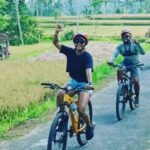
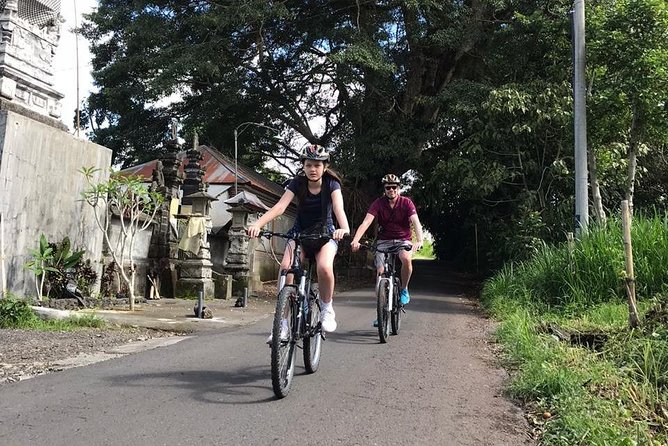
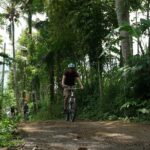
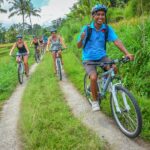
This is a manual bike tour. The ride is widely described as very easy because it’s mostly downhill—people often say it feels like cruising rather than climbing. One rider noted being mostly on downhill for about 99% of the time, with minimal pedaling needed.
That said, “easy” doesn’t mean “zero effort.” You’ll still need to steer, use brakes, and handle shared village traffic. Some sections can be narrow with pedestrians around, so you’ll want to stay alert and follow your guide’s instructions closely.
Also, if it rains, it’s still a go (and you’ll want the right attitude and gear). One thing I like here is that the team is prepared for wet weather and has rain gear available according to rider feedback.
From Tegallalang to the first ride break
You start with a quick stop near Tegallalang. Expect a short coffee-break-style stop with time for pictures, around 15 minutes, and no hard tasks beyond enjoying the view.
This is a useful warm-up moment. You’ll get oriented before the downhill momentum takes over, and it sets the tone: you’re not “riding at speed,” you’re moving slowly enough to look around and take in the rice-and-village details.
If you’re sensitive to heat, Tegallalang is often bright and open, so bring sun protection. Even though the ride is downhill, the waiting time before you drop into the countryside still counts.
Abuan village and Bayung Gede: safety, water, and culture
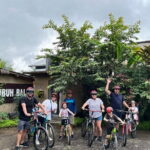
The ride begins from the Abuan village area, linked with Kintamani. Here your guide explains the safety standards, and you’ll be given water and your helmet before you start riding.
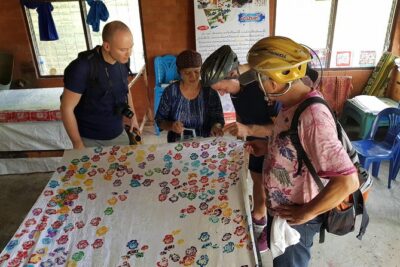
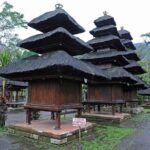
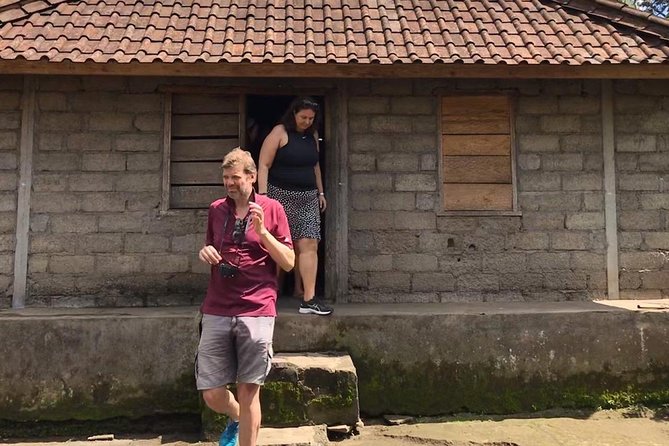
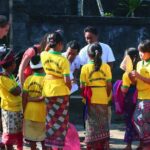
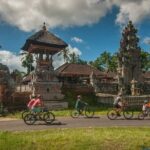
This is where the tour becomes more than a bike route. There’s time to visit a Balinese house, which is a great way to see how daily life is organized—people, family space, and the rhythms that sit behind the pretty scenery. Along the way, there’s also temple time as part of the cultural route.
You’ll spend around 30 minutes at the early Bayung Gede point, then another stretch (about 45 minutes) tied to the Balinese house stop. These are the stops where the guide’s voice matters most, because you’re not just looking—you’re learning how the locals see their world.
Taro Village coffee stop in a palm-garden setting
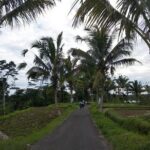
Next up is Taro Village. You’ll pause for about 45 minutes for a coffee break in a palm-tree garden experience, and this stop is included.
This part is nice because it slows the day down. You’re not sprinting between photo points—you’re actually taking a breath, drinking something warm or refreshing, and letting the ride settle into a relaxed pace.
One smart move: use this break to check your bike comfort. If your handlebar grip or seat position feels off, it’s better to mention it here than later when you’re further into the route.
Bresela rice irrigation: where the scenery becomes a lesson
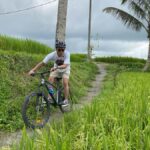
At Bresela, you stop in a rice-field area to see how rice grows and how the irrigation system works. It’s about 30 minutes, and this is one of the most meaningful pauses on the day.
Why it matters: Bali’s rice landscape isn’t only about views. The whole system—water flow, fields, and timing—is what makes the paddies survive and stay productive. When your guide points out the irrigation logic, the whole countryside starts to make more sense.
Bring your “slow looking” brain for this stop. Take photos, but also watch how water is managed in and around the fields. That’s the difference between snapping pictures and actually understanding what you’re seeing.
Payangan finish at Klusa: then the big lunch moment
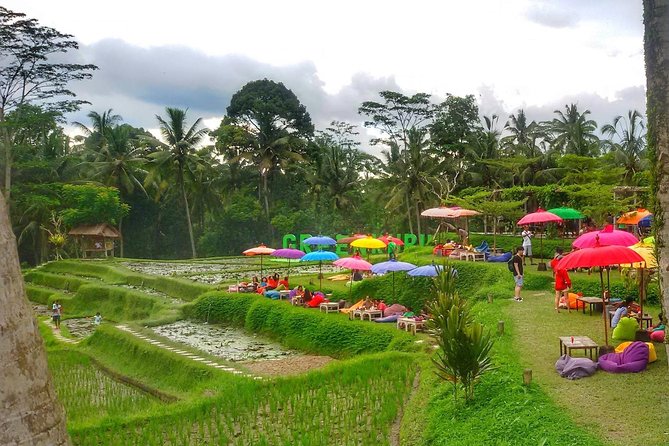
The cycling segment wraps around the Klusa Payangan finish point, with a short stop time (about 15 minutes). After that, you head to lunch.
Lunch is at Greenkubu Restaurant and Swing, and you’ll have about 1 hour there. This is your included meal break, and it’s set in that classic rice-field setting people come to Bali for—so you’re not just eating, you’re enjoying the place.
If you want a few extra photos, lunch time is usually your best bet. The background is open, and you’ll have enough time to eat without feeling rushed by the ride schedule.
The guide factor: Ben, Yoga, Gede, and the team’s patient pace
A huge part of why this tour earns a high score is the guide style. In the names you might encounter, you’ll see people like Ben, Yoga, Darma, Gede, Made, and Ahmed mentioned in rider feedback.
The common thread: guides focus on keeping everyone comfortable. That includes safety moments early on, patience during the ride, and helpful guidance if you’re braking more than you expected or steering through busy crossings.
I also like that the team tends to respond well to real conditions. When weather shifts, rider feedback mentions rain preparation and even raincoats provided. That’s not a small detail in Ubud’s rainy season months.
Who should book this cycling tour in Ubud
This tour fits best if you want a mix of nature + village culture without the stress of planning. If you like rice paddies, coffee breaks, and short cultural stops, you’ll feel like you got your money’s worth.
It’s also a good pick for people who want an activity that many ages can handle. Feedback highlights that the ride is mostly downhill and can be cruisy, even for people who don’t consider themselves cyclists.
Skip it if you’re expecting an electric bike. Skip it too if you can’t handle shared roads, narrow sections, and the need to pay attention while passing pedestrians.
Practical tips so you enjoy the whole day
Here’s how to make the tour smoother:
- Wear comfortable shoes with grip. Paths can be uneven, and you’ll want stability.
- Pack a light rain layer if you’re going during the wetter months.
- You’ll want sunscreen and a hat, since you’ll spend time stopping and waiting in open areas.
- Alcoholic drinks and soda/pop are not included, so bring cash if you want them.
Also, keep your expectations tuned to the ride format. This is not a training ride or a speed sport. It’s a guided countryside experience where the best part is seeing real daily life at an easy pace.
Should you book this Ubud half-day cycling tour?
Book it if you want an organized Ubud day that combines manual cycling, rice-field views, and cultural stops like a Balinese house and temple time—plus an included lunch that feels part of the experience, not an afterthought.
Don’t book it if you need an electric bike or if you’re uncomfortable sharing the route with pedestrians and village traffic. And if you’re staying far from Ubud, consider the full-day timing created by the longer hotel transfer.
If you match that sweet spot—curious, relaxed, and okay with a manual downhill ride—this is one of the best-value ways to see the countryside beyond the main Ubud streets.
FAQ
What time does the cycling tour start?
The tour start time is 7:00 am.
How long is the tour?
It runs about 7 to 8 hours, depending on where your hotel is located.
Is hotel pickup included?
Yes. Round-trip transfers from your hotel to the start point are included.
What kind of bike do I ride?
This is a manual bike tour (not electric), and helmets are provided.
Do I get helmet and insurance?
Yes. Helmets are provided to all participants, and insurance is included in the tour package.
What food is included?
Lunch is included, along with bottled water and snacks. Coffee breaks are part of the route, and one coffee stop is included.
Where do you ride and what do you see?
You cycle through villages and rice paddies, with stops that include a Balinese house visit and a village temple area, plus views related to rice growth and irrigation.
How many people are in the group?
The tour has a maximum of 20 travelers.
What is not included in the price?
Alcoholic beverages and soda/pop are not included.
Can I cancel for a full refund?
Yes. You can cancel up to 24 hours in advance for a full refund.