REVIEW · UBUD
HALO BIKE Downhill Bali Countryside Cycling Tour
Book on Viator →Operated by Bali Panoramic · Bookable on Viator
Downhill bikes and rice views in Ubud. This tour blends Tegalalang rice terraces with Bali’s rural back roads, then wraps the day with culture and a proper home-style lunch.
I love the small group feel (up to 30 people) and how the English guide connects what you’re seeing in villages and temples to everyday Balinese life. Guides like Mardy and Made are repeatedly described as welcoming and generous with explanations during the ride and stops.
One consideration: timing can feel stretched. The countryside roads mean slower drives both ways, and the experience depends on good weather, so you’ll want a flexible mindset.
In This Review
- Key things to know before you go
- Downhill biking in Ubud’s back roads: what the ride really feels like
- Tegalalang Rice Terrace stop: why the first views feel worth the ride
- Bangli village cycling and the rice-paddy walk: seeing Bali beyond the main roads
- Temple and compound visits: cultural context you can actually use
- Bali Go Bike and the route’s pacing: how the stops keep it from feeling rushed
- Lunch at Yoga’s Home: the home-cooked meal that makes the day
- Helmets, rain gear, cold towels, and the small safety stuff that matters
- Pickup, timing, and traffic: what to plan for in real Ubud time
- Price and value in Ubud: is $56 a fair deal?
- Who should book this tour, and who might want to skip it
- Should you book Halo Bike Downhill Bali Countryside Cycling Tour in Ubud?
- FAQ
- Where is the Halo Bike Downhill Bali Countryside Cycling Tour located?
- How much does the tour cost?
- How long is the experience?
- Is hotel pickup available?
- What’s included in the tour?
- Does the route include admission tickets?
- What stops will I visit?
- Can children be accommodated?
- What if the weather is bad?
- Can I get a full refund if I cancel?
Key things to know before you go
- Downhill focus, not a grind: the route is designed to feel fun and fast on a bike, with less effort than a typical long ride.
- Tegalalang Rice Terrace stop includes admission so you don’t have to sort tickets.
- Bangli countryside + a short walk gives you a break from biking and a closer look at rice fields and village life.
- Temple and compound visits come with in-depth explanations of Balinese culture and tradition.
- A Balinese home-cooked lunch (Yoga’s Home) with a short cooking learning program, plus cold water and face towels during the ride.
Downhill biking in Ubud’s back roads: what the ride really feels like
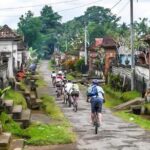
If you picture Bali as only beaches and temples, this tour nudges you toward the quieter side: lanes through villages, paddies, and everyday rhythms. It’s a downhill cycling day built around sightseeing, so the goal isn’t to burn calories. It’s to get moving, see real places, and learn what you’re looking at while you go.
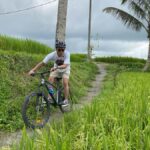
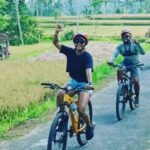
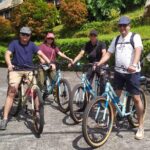
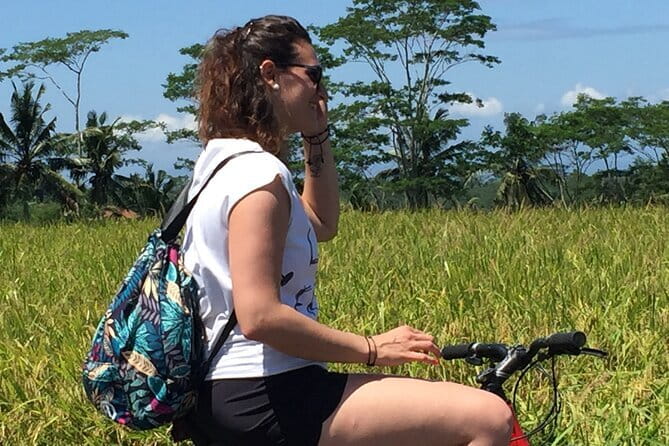
You’ll ride a mountain bike with a safety helmet. If rain shows up, they provide rain coats, and you’ll also have cold water plus a cold face towel during the ride. That matters more than it sounds in Ubud, where the sun and humidity can wear you down even before you start biking.
Group size stays capped at a maximum of 30 travelers. That’s a big deal on a cycling tour, because you get fewer delays at each stop and the guide can actually keep an eye on the group. It also makes the day feel less like a conveyor belt.
The tour runs about 6 to 7 hours, which is a normal half-day in Bali but still enough time to feel like you’ve done more than just a quick loop. Pickup is offered, so you’re not trying to time buses or taxis between Ubud and the countryside.
You can also read our reviews of more tours and experiences in Ubud.

Tegalalang Rice Terrace stop: why the first views feel worth the ride
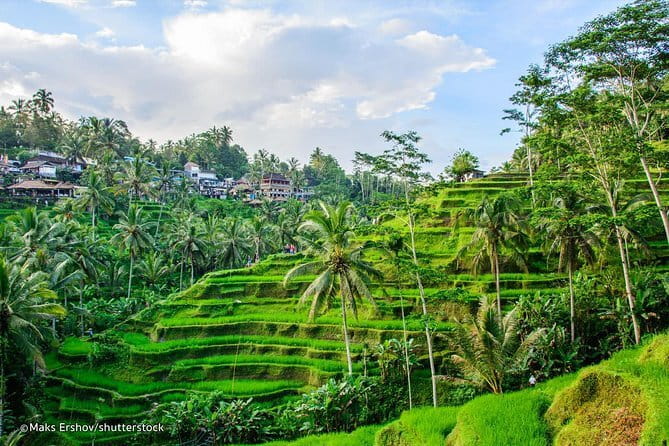
Tegalalang Rice Terrace is the kind of place you’ve probably seen in photos. The value here is that it’s not treated like a random photo stop. You get about an hour there, which is enough time to look around and understand how the terraces sit on the hills north of Ubud.
Admission is included for this stop, which removes one small friction point. You can arrive, settle in, and spend your energy on walking the terraces and soaking in the view instead of worrying about ticket lines.
Practical tip: go in ready to move slowly. Rice terraces look best when you take your time. If you’re the type who rushes for the perfect shot, you might feel slightly rushed here—so plan on pacing yourself.
This opening stop also sets the tone for the day. After seeing the terraces up close, the cycling route through rural areas makes more sense. You’ll start noticing how water, fields, and village life connect in the area.
Bangli village cycling and the rice-paddy walk: seeing Bali beyond the main roads
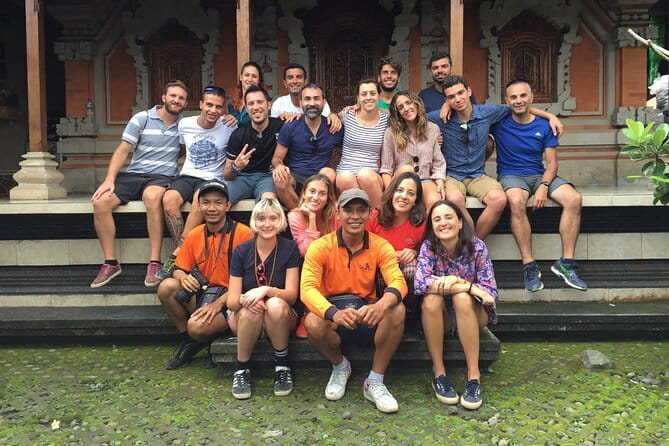
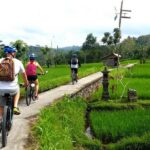
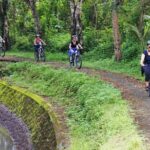
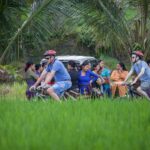
After Tegalalang, the day shifts into countryside mode. You ride through small villages and rice paddies on Bali’s back roads, and you get a quiet taste of daily life in the Bangli area.
There’s a full hour in this section, and that includes a short walk into the rice paddies. That little stretch off the bike is smart. Cycling gives you motion and perspective, but the walk gives you details: how people work, how paths connect, and what the fields look like at ground level.
This is also one of the tour’s best “how it feels” parts. Downhill biking is fun, but the more you slow down at places like this, the more the experience turns from an activity into a story. You’re not just passing through scenery; you’re spending time in it.
One note on expectations: rural back roads usually mean slower travel than you’d get on a main highway. That’s part of the deal. If you’re the kind of person who hates delays, you’ll still enjoy the day, but you’ll likely notice the extra time in transit.
Temple and compound visits: cultural context you can actually use

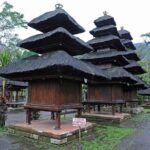
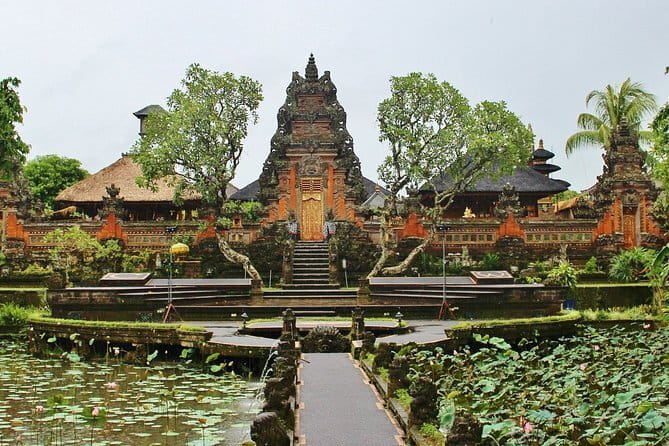
Biking in Bali is great. But what turns this tour into more than a ride is the cultural stops. You’ll visit a village temple area and get an explanation of Balinese culture and lifestyle. The tour also references a Balinese compound, which is a key piece of how many Balinese households are structured and how daily life and worship connect.
You spend about an hour across these culture-focused stops. Admission is listed as free for these segments, which helps keep the overall cost straightforward.
Here’s the practical value: when a guide points out what you’re seeing—how temples function, how compounds work, what rituals mean—you’ll leave with a mental framework. Even if you don’t remember every detail, you’ll see more next time you visit Bali.
The guide service is explicitly English, and that matters if you don’t speak Indonesian or Balinese. People like Mardy and Made are described as particularly generous with sharing, so you’re more likely to get answers to your questions instead of just listening and moving on.
Also, temple visits tend to come with a “respect the space” vibe. Wear comfortable clothes you can manage for walking. If you’re unsure about what to cover, you’ll want to bring a light layer or sarong-style option so you’re not scrambling at the last second.
Bali Go Bike and the route’s pacing: how the stops keep it from feeling rushed
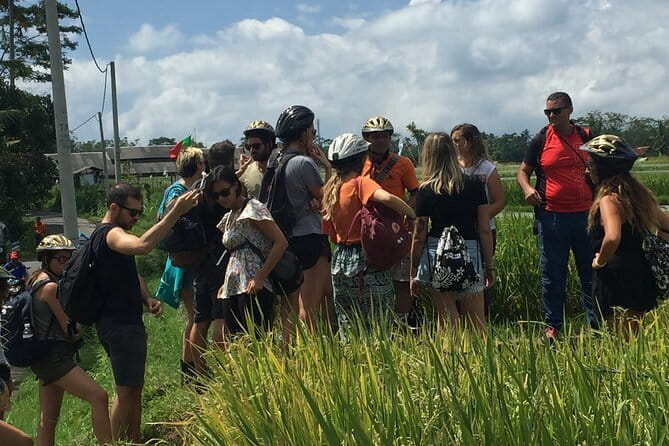
The itinerary references a stop at Bali Go Bike, again tied to temple and culture elements. Even if the day is structured, the pacing matters: you’re not cycling nonstop for the entire session. You’ll have breaks built into the route, including the terrace time, the village riding/walk, and multiple culture-focused stops.
That pacing helps for two reasons. First, it keeps the day from turning into a sweaty endurance test. Second, it gives your brain time to connect images to explanations. Cycling moves fast. Stops slow everything down, so the story sticks.
The other big factor is group management. With a max of 30 people, you generally spend less time waiting in a cluster at each photo or viewpoint. You still need patience—Bali is Bali—but the overall flow tends to feel controlled.
If you’re traveling with family, this also helps. Short rides plus scheduled stops usually works better with mixed energy levels than one long ride with no breaks. And if you need it, a baby seat is available upon request.

Lunch at Yoga’s Home: the home-cooked meal that makes the day
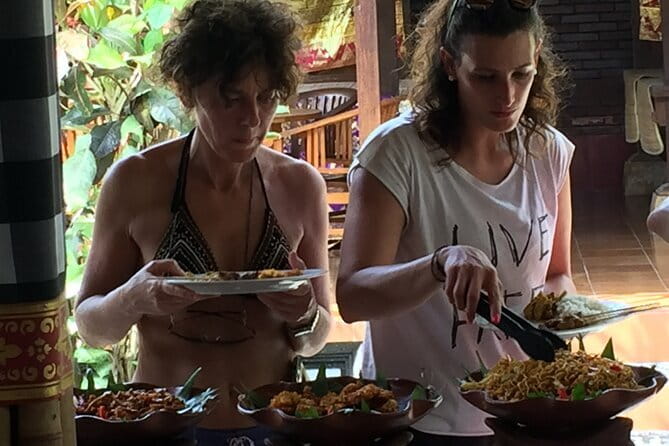
Here’s where this tour often wins people over: the food isn’t treated like an afterthought. You’ll be served lunch at Yoga’s Home, described as an authentic Balinese home experience.
They list a 6-course home-style lunch, and they also describe a buffet where the food can be cooked by you in a short cooking learning program. The combo matters. You get to eat well, and you also get a hands-on moment that turns lunch into part of the cultural learning.
In practical terms, that means the meal feels more connected to the day than a basic cafeteria sandwich. You’re already out in the countryside. Having lunch in a village-style setting keeps the experience consistent.
What to expect: you’ll likely feel hungry after biking and walking. Plan to come with an appetite, not just curiosity. And if you’re someone who doesn’t like spicy food, I’d suggest mentioning your preferences to your guide before the meal begins—because you’ll be there for the full lunch program.
Also, having cold water and face towels during the ride helps you get to lunch feeling human, not overheated.
Helmets, rain gear, cold towels, and the small safety stuff that matters

Cycling tours can range from casual to chaotic. This one clearly aims for comfort and basic safety.
You get:
- a mountain bike
- a helmet
- rain coats if needed
- cold water during the ride
- a cold face towel during the ride
- baby seat on request
That package is exactly what you want in a place where weather can shift quickly. Even when forecast apps look fine, Bali’s tropical patterns can change fast. The rain-coat option reduces the stress of the day becoming uncomfortable.
The “cold towel” detail is small, but it makes a noticeable difference. Heat builds up during uphill starts, stopping, and downhill coasting that still keeps you engaged. A cold face towel helps you reset so you can enjoy the next stop instead of just surviving it.
If you have sensitive skin, bring a light layer or sun protection. The data doesn’t specify sunscreen or cover-ups, but Bali sun is real, and you’ll be outdoors for much of the day.
Pickup, timing, and traffic: what to plan for in real Ubud time
Pickup is offered, and that’s a big plus if you’re staying in central Ubud. You don’t have to coordinate buses or hunt for a ride at the last minute.
The day starts early enough to help you beat the worst heat. One of the commonly mentioned details in the experience is being picked up around 8:00am at your accommodation, which lines up with the logic of cycling in Bali’s morning temperatures.
But here’s the reality check: the countryside drive can be slow. Even when the cycling part is smooth, traffic on the way in and out can stretch the day. In other words, don’t book anything right after your tour ends unless you like surprises.
The good news: because the tour is designed as a full half-day (6 to 7 hours), you’ll have built-in time to move, stop, eat, and learn without needing to sprint through your schedule.
Price and value in Ubud: is $56 a fair deal?
At $56 per person, this tour sits in a very reasonable range for what’s included. You’re paying for:
- guided cycling with an English tour guide
- helmets and mountain bikes
- cold water and a cold face towel
- rain coats if needed
- a full set of sightseeing stops tied to rice terraces and culture
- admission included for Tegalalang
- lunch at Yoga’s Home with a cooking learning element
When you add it up, this isn’t just a “bike rental with a leader.” It’s a structured day with food and cultural explanation.
Small-group size also affects value. A max of 30 people usually means less rushing and more attention from the guide, which you feel most during temple explanations and transitions between stops.
Booking tends to happen about 39 days in advance on average, which suggests it’s not a last-minute-only activity. If you want a specific date and your schedule is tight, plan ahead.
Who should book this tour, and who might want to skip it
This is well-suited for you if:
- you want to ride bikes in Bali’s countryside without a hardcore fitness focus
- you like cultural context, not just photos
- you enjoy food that’s part of the experience, especially a home-cooked lunch setting
- you’re okay with a longer day that includes slower countryside driving
It may be less ideal if:
- you strongly dislike waiting during transfer time in Bali traffic
- you hate weather-dependent plans (this experience requires good weather)
- you need a purely urban, low-movement day (this involves biking and short walks)
The good part is that the tour notes that most travelers can participate. There’s also a baby seat option if you’re traveling with a child who needs it.
Should you book Halo Bike Downhill Bali Countryside Cycling Tour in Ubud?
If you’re looking for a single day that mixes downhill fun, real village scenery around Bangli, temple and compound explanations, and a lunch you’ll actually remember, this is an easy “yes” candidate.
I’d book it if you want the countryside side of Ubud and you appreciate a guided day that connects what you see to what it means. The price is fair for the mix of biking, admissions (at least for Tegalalang), guide service, and the Yoga’s Home meal.
I’d think twice if your schedule is extremely tight or you can’t handle weather changes. Since good weather is required, keep your next-day plan flexible too.
FAQ
Where is the Halo Bike Downhill Bali Countryside Cycling Tour located?
The tour is based in Ubud, Indonesia.
How much does the tour cost?
The price is $56.00 per person.
How long is the experience?
It runs about 6 to 7 hours (approximately).
Is hotel pickup available?
Yes. Pickup is offered.
What’s included in the tour?
The tour includes an English tour guide with in-depth explanation of Balinese culture and tradition, mountain bikes with safety helmets, cold water during the bike ride, and a cold face towel. Rain coats are provided if needed, and lunch is included.
Does the route include admission tickets?
Tegalalang Rice Terrace includes an admission ticket. Other listed stops have admission listed as free.
What stops will I visit?
You’ll visit Tegalalang Rice Terrace, cycle through Bangli’s villages and rice paddies with a short walk into the rice paddies, and stop at village temple areas for cultural and lifestyle explanations. The itinerary also includes a Bali Go Bike stop with similar temple/culture elements.
Can children be accommodated?
A baby seat is provided upon request.
What if the weather is bad?
This experience requires good weather. If it’s canceled due to poor weather, you’ll be offered a different date or a full refund.
Can I get a full refund if I cancel?
Yes. Free cancellation is available, and you can cancel up to 24 hours in advance for a full refund.