REVIEW · UBUD
Ubud : Kintamani Downhill Cycling Tour with Lunch
Book on Viator →Operated by eBikes Ubud Tour · Bookable on Viator
Downhill biking through Bali villages is a treat. This Ubud to Kintamani downhill ride is mainly about moving through real countryside where cars can’t go, with time to pause at places like a village school and a temple. I especially like the small-group feel and relaxed pace, plus the fact you finish with an included Balinese lunch at The Amertha Restaurant.
The only real catch is that sun protection isn’t included, so bring sunscreen and plan for strong daylight—especially if you’re out in the open during photo stops.
In This Review
- Key points at a glance
- Why This Downhill Ride Beats Trying to DIY Bali Countryside
- The Pace: How a 6-Hour Tour Feels When You’re Not Racing
- Bayung Gede Start: Where the Day Gets Oriented
- Pura Desa Malet Gusti: School, Temple, and Daily-Life Context
- Cycling Through the Village Rhythm: What You’ll Notice from the Bike
- Lunch at The Amertha Restaurant: A Real Break, Not a Trap
- Bikes, Guide, and Pickup: The Small Comfort Wins That Add Up
- Price and Value: Is $29.90 a Good Deal?
- Who This Tour Fits Best (and Who Might Want Something Else)
- What to Bring (and Why Sun Protection Is a Real Need)
- Should You Book This Ubud to Kintamani Cycling Tour?
- FAQ
- How long is the cycling tour?
- Is pickup and drop-off included?
- What meals are included?
- Where does the tour start and end?
- What’s the cycling route like for beginners?
- How big is the group?
- What’s the cancellation policy?
Key points at a glance
- Mostly downhill route that stays beginner-friendly without feeling like you’re doing a workout contest
- Small group (max 15) with a guide who handles the driving logistics for you
- Culture stops built into the ride, including Bayung Gede and Pura Desa Malet Gusti
- Included Balinese lunch at The Amertha Restaurant, plus bottled water on the day
- Round-trip pickup from Ubud or south Bali in an air-conditioned vehicle
Why This Downhill Ride Beats Trying to DIY Bali Countryside
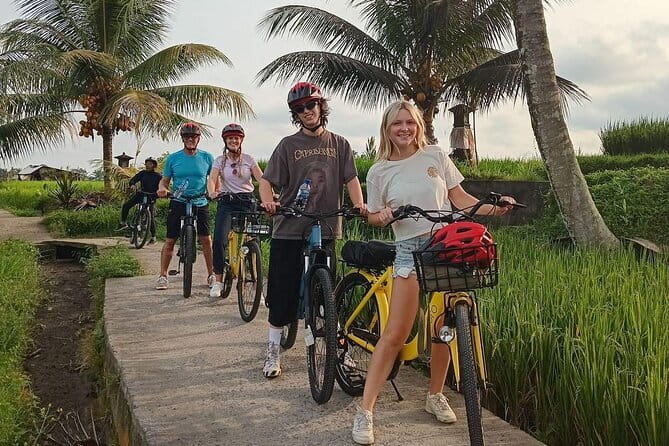
Bali can feel like two different worlds: the packed tourist roads, and then the calm lanes where bikes and scooters move through villages. This tour leans hard into that second world. You get a guided route that takes you away from the traffic problem and into the kind of daily-life scenery you can’t easily reach by bus or taxi on your own.
The best part is that it’s not just a ride with a token stop. You cycle into places with meaning—like a village school and a temple—then you break for lunch at a proper local restaurant. That mix is why this works so well as a Ubud-area activity: you’re not stuck doing only temples or only viewpoints. You get movement, people, and food.
There’s also a practical sanity check baked in. You’re not responsible for navigation or logistics. The tour includes round-trip transport by air-conditioned vehicle, and you start from a defined meeting point near Bayung Gede, then end at Tampaksiring. For a low-stress Bali day, that matters.
You can also read our reviews of more tours and experiences in Ubud.

The Pace: How a 6-Hour Tour Feels When You’re Not Racing
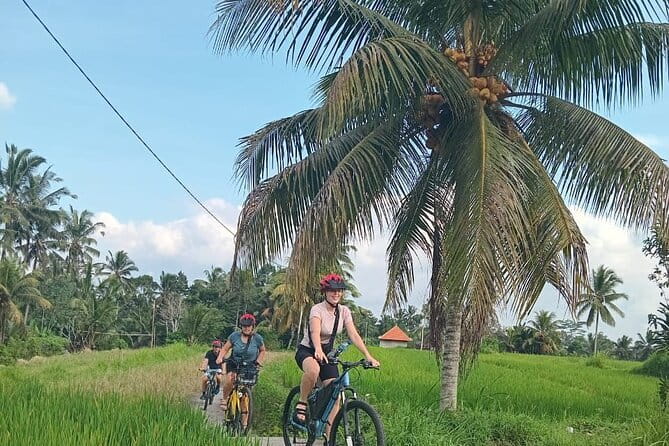
This is about a 6-hour experience, including the cycling and the culture stops. The ride itself is described as mostly downhill, which is the big reason it feels comfortable even if you’re not sporty. You get the fun of speed and motion without the constant climbing grind that turns “scenic” into “why did I sign up.”
The timing also helps. The day begins with a short briefing around Bayung Gede, then you spend a longer chunk at Pura Desa Malet Gusti. That gives your brain a break from riding so you can take in the setting and ask questions. After that, you head into lunch time at The Amertha Restaurant, then finish around Tampaksiring.
A small-group limit of 15 people keeps things from feeling crowded or chaotic. You’ll still have a group rhythm—stop, wait, roll out—but it’s controlled and calm. If you prefer activities with a steady flow instead of a sprint, this fits.
Bayung Gede Start: Where the Day Gets Oriented
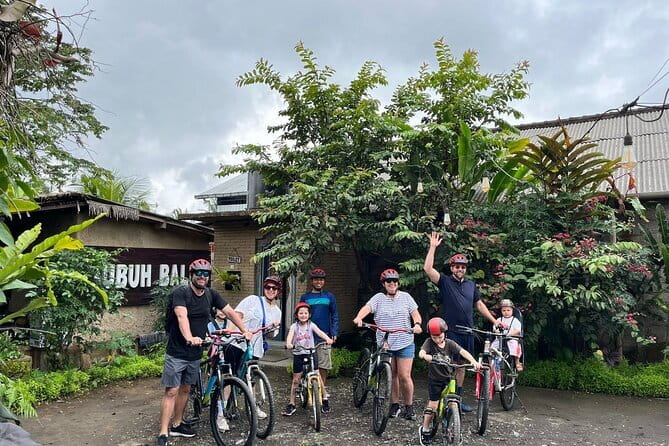
You don’t start on a random street corner—you begin in Bayung Gede (near Kintamani, in Bangli Regency). The tour starts with a briefing right at the village side of the route. That matters more than you might think, because downhill cycling goes faster than flat road biking. A quick safety and route orientation helps you feel confident right away.
You’re also starting from a place that sets the tone: rural Bali, not postcard Bali. This first segment isn’t about a big attraction. It’s about getting your bearings, meeting your guide, and setting expectations for how the rest of the day will play out.
The tour keeps this part short (about 30 minutes), so you’re not stuck waiting around. Then you move into the next phase: cycling toward cultural stops.
Pura Desa Malet Gusti: School, Temple, and Daily-Life Context
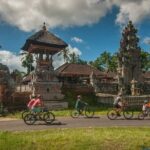
The main culture block happens around Pura Desa Malet Gusti. This is where the tour stops feeling like a cycling class and starts feeling like a guided walk through local routines—at a temple setting, with time to see more than one kind of place.
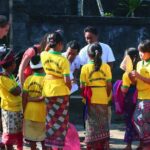
One of the strongest reasons people enjoy this stop is the mix. It includes a local school element and a temple stop in the same area. Even when the visit is brief, it adds context to what you’re seeing while you ride afterward. You’re not just taking photos of buildings—you’re learning what those places mean in everyday village life.
Plan on about two hours here. That’s a real window. It gives you enough time to slow down, notice details, and listen without feeling rushed every five minutes. It also helps explain why this tour is so popular for people who want “Bali beyond the main roads” without committing to a full-day cultural tour on foot.
Practical note: temple settings can involve modesty expectations. The tour doesn’t list dress rules, so I’d treat it like any Balinese temple visit: wear something you can adapt for a respectful visit, and be ready to cover up when you’re asked to.
Cycling Through the Village Rhythm: What You’ll Notice from the Bike
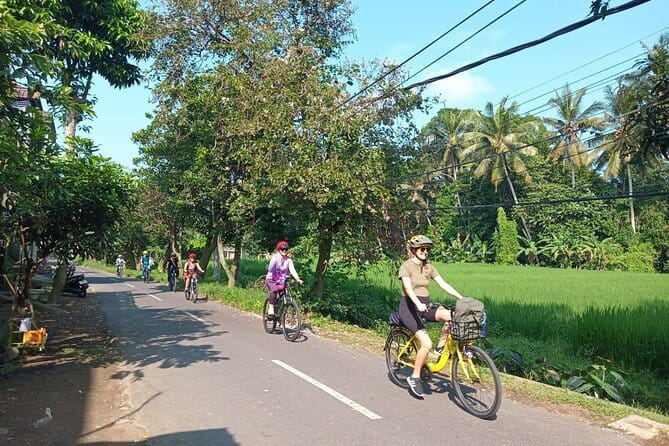
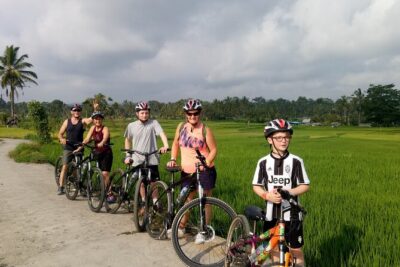
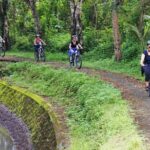
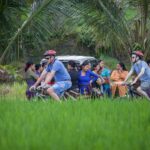
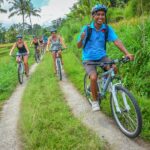
While the itinerary highlights specific stops, the in-between moments are what make the ride feel special. This is a route that favors quiet roads and village lanes, which means you see everyday homes and street life instead of only major roads.
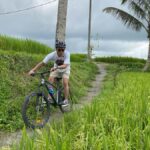
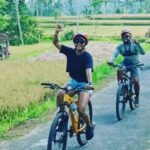
Because it’s mostly downhill, you’ll feel the ride differently than a typical “cycle and suffer” experience. You can actually look around. You can stop for photos without needing to recover for long afterward. And if you’re sharing the ride with people of mixed comfort levels, that downhill profile tends to keep everyone closer together.
The tour also includes a traditional family compound as part of the cultural route. That’s valuable because it connects the dots between what you see at the school and temple and what daily life looks like at home. It’s the kind of stop that doesn’t just say Bali is spiritual—it shows how spirituality and community sit beside ordinary routines.
You’ll likely take a lot of pictures because there are natural photo moments at village edges, temple viewpoints, and rice-area viewpoints along the route. Just remember: take some photos, but also pause long enough to look with your eyes, not only your camera.
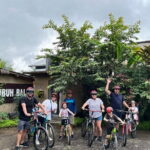
Lunch at The Amertha Restaurant: A Real Break, Not a Trap
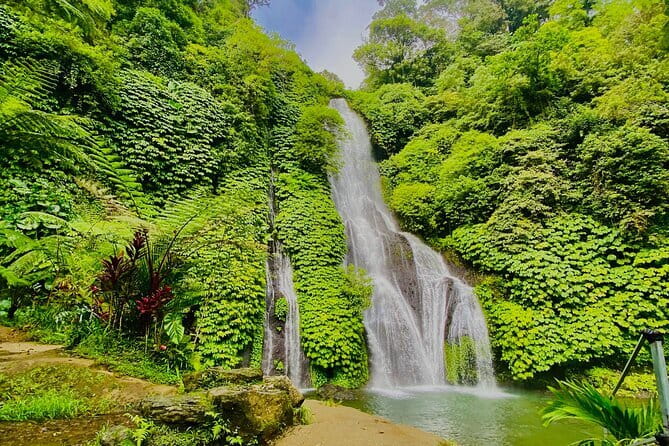
Lunch is included, and it’s at The Amertha Restaurant (around 45 minutes on the schedule). You’re eating Balinese local dishes, which is what you want on a tour like this. If you’re only going to cycle for scenery, you could do it on your own. The lunch makes it a full experience.
Why the lunch matters: it gives you time to reset after the bike portion. You’ll be ready to walk around the final area without feeling hungry or cranky. And because the lunch is part of the plan, you don’t have to gamble on finding something open and decent at the right moment.
The tour also includes bottled water, so you’re not stuck buying every little thing during the day. That’s a small detail that improves comfort a lot—especially if you’re out under bright sun.
Bikes, Guide, and Pickup: The Small Comfort Wins That Add Up
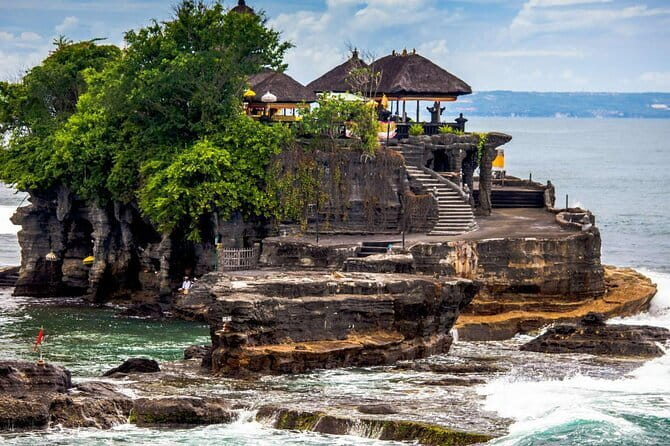
This is one of those tours where the “boring” logistics are actually a big part of the value.
You get:
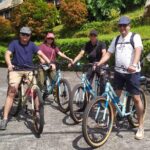
- Bicycle use (so you don’t need to hunt for a rental)
- Professional English-speaking guide
- Air-conditioned vehicle for pickup and drop-off
- All fees and taxes
- Bottled water
- Lunch included at the end
The guide is key because they’re not just counting stops. They’re helping you understand what you’re seeing, from the opening briefing at Bayung Gede to the temple-and-school context. Clear communication makes a short visit feel richer. It also keeps the group moving smoothly.
The pickup piece matters if you’re staying in Ubud or the south Bali area. The tour offers round-trip transfers, so your day is built around one smooth plan instead of juggling taxis or trying to get to Bayung Gede under your own steam.
Also, the tour uses a mobile ticket system. That’s a modern convenience, especially in Bali where you might be bouncing between activities.
Price and Value: Is $29.90 a Good Deal?
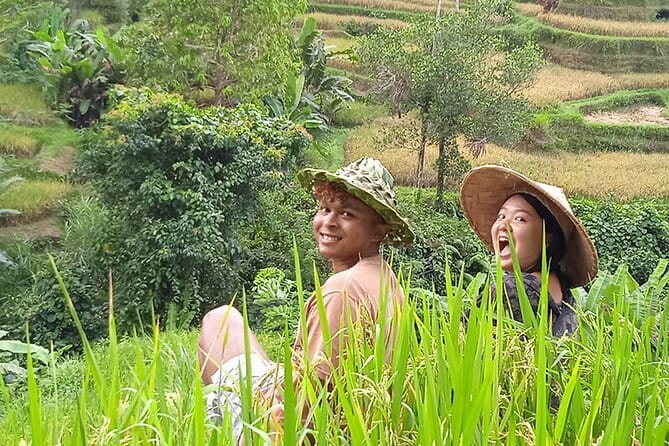
At $29.90 per person, this tour is priced in a way that makes sense for the mix you get. You’re paying for more than a bike:
- guided cultural stops (school/temple/family compound context)
- a real local lunch
- round-trip air-conditioned transportation
- guide and included basics like bottled water
If you tried to replicate it alone, you’d spend time coordinating bikes, finding the route, arranging transport, and booking lunch. Even if each piece isn’t expensive by itself, the time cost stacks up fast. Here, it’s bundled.
A detail I like: the tour is usually booked around 21 days in advance on average, which suggests it’s stable and popular. You might want to book early if you’re traveling during peak season or on a tight schedule.
Who This Tour Fits Best (and Who Might Want Something Else)
This tour works especially well if you want:
- a beginner-friendly downhill ride
- a relaxed pace that still gives you meaningful cultural stops
- included food and transportation so you don’t spend your day planning
It also suits people with different comfort levels. With the route mostly downhill and the group size kept to 15, it tends to feel manageable for mixed groups.
If you’re the kind of cyclist who wants an intense workout or a technical mountain ride, this may feel too easy. The tour is built for sightseeing and local contact, not training.
What to Bring (and Why Sun Protection Is a Real Need)
The tour listing doesn’t include sun block, so plan for that. If you forget, you’ll notice it fast once you’re out in open daylight during cycling and stop-and-look moments.
Beyond sunscreen, I’d bring practical basics you’d normally use in Bali:
- light clothing that you can adjust for temple visits
- something comfortable for walking during short stops
- water awareness, even though the tour includes bottled water (your body might still want more)
Since the day is built around outdoor time, packing for sun and comfort is more important than packing for adventure.
Should You Book This Ubud to Kintamani Cycling Tour?
I think this is a strong book if you want a classic Ubud experience that goes beyond cafes and major temples. The mix of downhill cycling, village visits like Bayung Gede and Pura Desa Malet Gusti, plus lunch at The Amertha Restaurant makes it feel like a full day, not a quick “activity add-on.”
Book it if you value:
- low stress logistics with pickup and a pro guide
- scenery you can actually enjoy without pushing yourself
- a local lunch included in the plan
Skip or consider alternatives if you’re chasing a serious cycling challenge or you prefer spending your day fully independent. This tour is intentionally structured—on purpose.
If you’re ready for an easy, culturally guided downhill ride through Bali’s countryside, this one is a very solid choice.
FAQ
How long is the cycling tour?
The tour runs for about 6 hours.
Is pickup and drop-off included?
Yes. The experience includes round-trip transportation from Ubud or south Bali, using an air-conditioned vehicle.
What meals are included?
Lunch is included, with Balinese local dishes served at The Amertha Restaurant. Bottled water is also included.
Where does the tour start and end?
It starts at Bayung Gede (Kintamani, Bangli Regency) and ends at Tampaksiring (Gianyar Regency). Lunch is at Tampaksiring.
What’s the cycling route like for beginners?
The ride is described as mostly downhill, making it easier and more enjoyable even if you’re not very sporty.
How big is the group?
The group size is capped at a maximum of 15 travelers.
What’s the cancellation policy?
You can cancel for a full refund up to 24 hours before the experience’s start time. Free cancellation is offered, but cancellations made less than 24 hours before start time are not refunded.