REVIEW · HIROSHIMA
Hiroshima Country Cycling: Explore Rural Life 1 HR from City
Book on Viator →Operated by Oasa Mobility Station · Bookable on Viator
Countryside Hiroshima, minus the workout. This small-group e-bike tour from Oasa turns steep hills into easy rolling and shows you rural life at a human pace, guided by Jonah and his local knowledge. I especially love the electric-bike assist that makes climbs feel manageable and the small-group setup that keeps the day relaxed and questions-friendly.
One thing to consider: you’ll want moderate fitness and you must be able to ride a bike on your own, even with the motor helping you. If weather isn’t cooperating, the experience may be rescheduled or refunded, so plan to be flexible.
In This Review
- Key Highlights You Should Know
- E-Bikes and Steep Hills: Why This Ride Feels So Doable
- The Small-Group Magic: Jonah’s Local Context
- Getting There: Oasa I.C. and a Smooth Start at 10:00
- Stop-by-Stop Route: Kakeyama, Doitaya, Herb Garden Lunch, and Quiet Oasa
- Kakeyama: Test the E-Bike on the Steep Stuff
- Doitaya: Farming Community Views You Don’t Get from the Highway
- Ainosato Herb Garden: Lunch That’s About Vegetables and Edible Flowers
- Oasa: Quiet Old Streets and a Slower Pace
- Lunch Details: Herb Garden Flavor, Winter Sushi, and Vegan Planning
- What You’ll Learn About Rural Life (Without Feeling Like Homework)
- Price and Value: Is $85.39 Worth It?
- Who Should Book This Tour—and Who Might Prefer Something Else
- Should You Book This Hiroshima Country Cycling Tour?
- FAQ
- How long is the Hiroshima countryside e-bike tour?
- How much does the tour cost?
- How many people are in the group?
- What’s included in the price?
- Is lunch included?
- Is there a vegan lunch option?
- Do I need to know how to ride a bike?
- What if the weather is bad?
- What is the cancellation policy?
Key Highlights You Should Know
- Top-notch e-bike help for steep hills so first-timers aren’t left grinding
- Small group up to 8 for calmer pacing and real conversation
- Lunch stop built into the route at a herb garden (or sushi in winter)
- Stops in farming communities with rice fields, streams, and traditional streets
- Water refill stations along the way so you’re not scrambling between sips
E-Bikes and Steep Hills: Why This Ride Feels So Doable
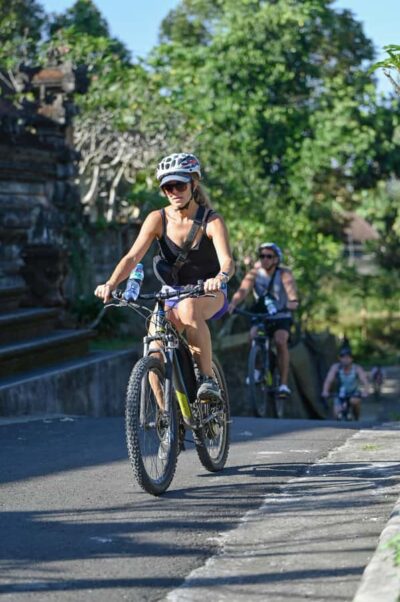
The big selling point here isn’t just that you ride an electric bike. It’s how the bike changes the whole experience. The route includes hills that would normally scare off casual riders, and the e-bike assist is specifically there to help you climb without turning the day into a sweat contest.
For you, that means two things. First, you can focus on what’s actually happening around you: rice fields, quiet lanes, and everyday rural details you usually miss from a car. Second, the tour becomes accessible to people who want movement and fresh air, but don’t want to feel punished by terrain.
Still, don’t treat the motor as a free pass. You’ll need the basic ability to ride confidently on your own. The tour also sets a minimum height of 140cm (4ft 6in), so it’s aimed at riders who can comfortably handle the bike. If you can’t steer and balance smoothly yet, you’ll spend the tour worrying instead of enjoying.
You can also read our reviews of more tours and experiences in Hiroshima.
The Small-Group Magic: Jonah’s Local Context
What makes this feel more like a day out with a local friend than a checkbox tour is the guidance. The format is capped at 8 travelers, and that changes the vibe fast. You get room for questions, you move together at a comfortable pace, and the guide can explain things without rushing you back onto the road.
In particular, Jonah comes through in the way he brings the countryside to life. On at least one rainy outing, he even helped a rider out with a poncho, which tells me he’s paying attention to real travel conditions, not just the plan on paper. His focus isn’t on memorizing facts. It’s on helping you understand how daily rural life works—through the places you pause, the people you pass, and the small cultural routines you notice once someone points them out.
If you like tours that feel human—less performance, more practical context—this small-group structure is a strong fit.
Getting There: Oasa I.C. and a Smooth Start at 10:00
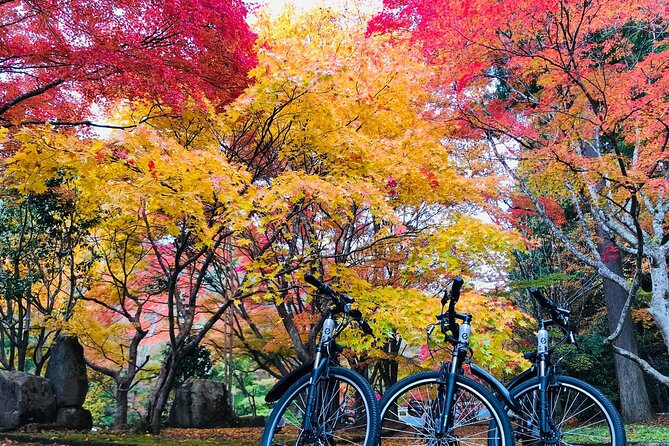
The tour starts at the Oasa I.C. Bus Stop at 10:00 am, and it ends back at the same meeting point. That round-trip rhythm matters because it reduces logistics stress. You don’t have to hunt for a new pickup point or figure out how to get back after you’re done pedaling.
You’ll also be glad to know the meeting spot is near public transportation. Still, don’t ignore the extra travel leg: highway bus fare between Hiroshima and Oasa is listed separately at 3,560 JPY round trip, so your total trip cost will depend on where you’re coming from.
One practical tip: bring your own water bottle. The route includes multiple water refill stations, which is great for convenience, but it’s still smart to have a bottle ready so you’re not buying something last minute in the countryside.
Stop-by-Stop Route: Kakeyama, Doitaya, Herb Garden Lunch, and Quiet Oasa
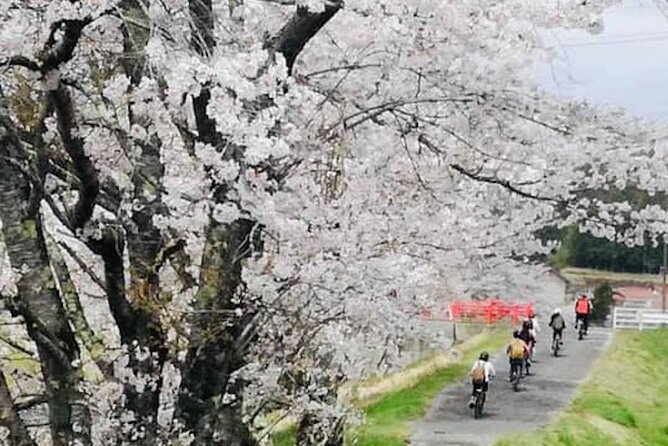
The pacing is built around four main stops, with about an hour at each. That structure is perfect for first-timers because it gives you repeated chances to stop, regroup, and absorb what you’re seeing—without turning the ride into nonstop cycling.
Kakeyama: Test the E-Bike on the Steep Stuff
Kakeyama is where the e-bike earns its keep. The route description calls out steep hills, and that’s exactly what this stop highlights: the bike’s assist power helps you climb without turning the day into hard-mode cycling.
For you, this is a confidence builder. Even if you’ve never ridden an e-bike, you get a chance to feel how the motor responds and how your pedaling rhythm changes. It’s also a good reality check: you’ll learn what “effortless” really means here—because you’re still pedaling, just with less strain.
Potential drawback: if you’re expecting a gentle flat ride the whole time, the first hills can feel different. The point is to make them manageable, not to remove them.

Doitaya: Farming Community Views You Don’t Get from the Highway
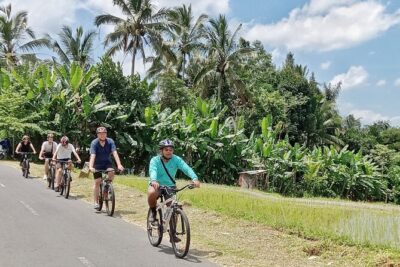
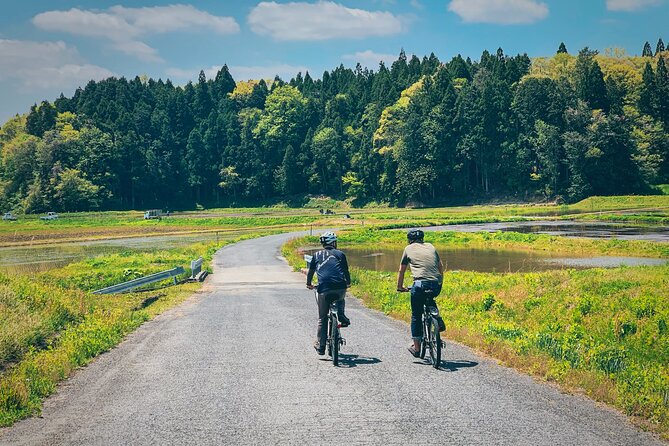
Doitaya is where the countryside starts to feel real. The community has a traditional look, with quaint houses, rice fields, and streams that support wildlife. Instead of passing the scenery at car speed, you’re moving slowly enough to notice everyday details and the way the land shapes local life.
This is also a good stop for your camera brain. Even in a short time window, you’ll have enough moments to frame buildings against fields, or catch the movement around water. Just remember: don’t only shoot. Take a few minutes to look up and notice how quiet the area feels when you’re not surrounded by city traffic.
Drawback to consider: this kind of rural scene can be extra appealing—or underwhelming—depending on what you enjoy. If you’re only into major sightseeing landmarks, you might find this stop more about atmosphere than monuments.
Ainosato Herb Garden: Lunch That’s About Vegetables and Edible Flowers
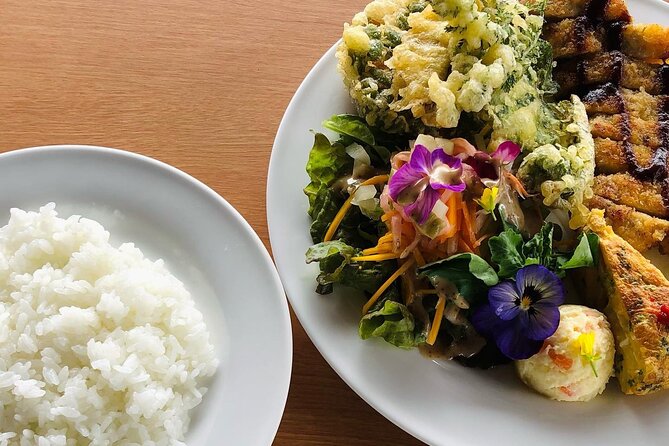
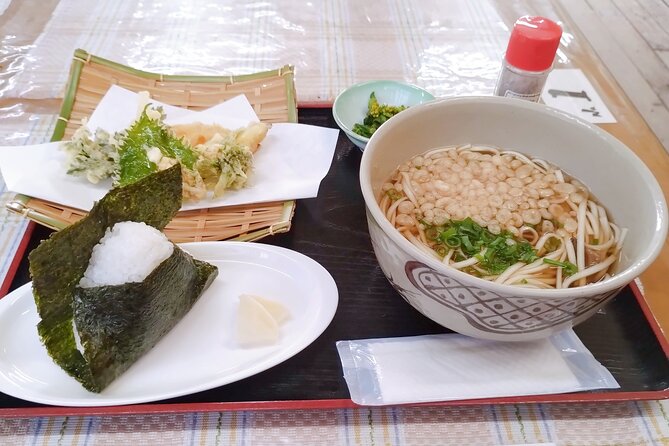
Lunch is the centerpiece stop. At the Ainosato Herb Garden, the restaurant serves locally grown vegetables and edible flowers. The tour description also notes the food is free of harmful pesticide, which is the kind of practical detail that matters when you’re eating farm-to-table in a place where agriculture is the main industry.
If the season is December to March, the plan shifts to sushi lunch at a farm house. That winter swap is a big deal for value because it keeps the experience seasonal rather than generic year-round.
Two things to plan around:
- The herb garden lunch option is where you’ll likely find the veggie-focused meal structure.
- Vegan lunch is available on request, but you have to book it 3 days in advance, so don’t leave it to the last minute.
Oasa: Quiet Old Streets and a Slower Pace
Oasa is the finishing mood. The main street used to be a bustling hub of people and shops, but now it feels quiet and unhurried. You’ll still see old buildings that hint at past prosperity, and there are a handful of shops still operating.
For you, this is where the tour turns from “ride and view” into “place and people.” It’s a reminder that rural towns aren’t stuck in the past; they’re living in the present, just at a slower speed. Walking the area after cycling also helps you reset your body and take in what the ride revealed earlier.
Potential drawback: because Oasa is quiet, it helps to come with the right mindset. If you want constant action or big-ticket attractions, this calm ending might not feel like enough. If you like noticing how towns survive, this stop lands well.
Lunch Details: Herb Garden Flavor, Winter Sushi, and Vegan Planning
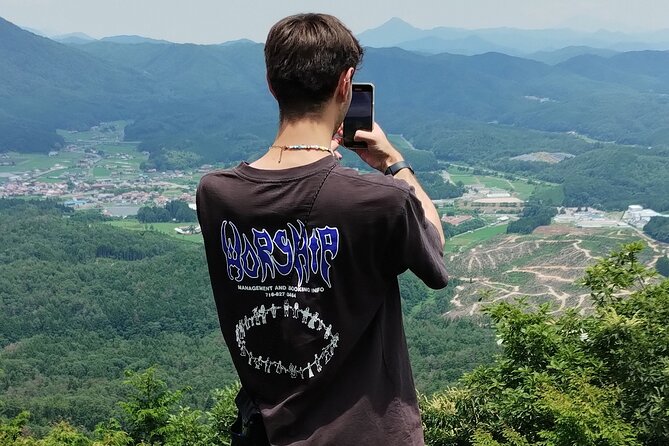
Lunch is part of why this tour feels like more than a transportation service. It’s the moment you sit down and connect the biking to what you’re actually seeing outside: local growing, seasonal food, and small-scale farm culture.
The herb garden stop is built around fresh vegetables and edible flowers, which makes it different from a generic Japanese lunch set. And the pesticide-free note signals a deliberate approach to ingredients, not just a scenic lunch spot.
Winter changes the menu: from December to March, lunch becomes sushi at a farm house. That’s a smart way to keep the day from feeling repetitive across seasons, and it also makes the food experience feel tied to local life rather than a static venue.
For vegan eaters, there’s a clear process: vegan lunch available on request, but you need to book 3 days in advance. If you miss that window, you might be stuck making do with whatever standard option is offered that day, so plan ahead.
One more cost note to keep your expectations straight: the overall tour plan says lunch is enjoyed as part of the day, while lunch prices are also listed as separate amounts (herb garden lunch 900–1,250 JPY per person, sushi lunch 2,000 JPY per person). That usually means your confirmation will clarify what’s covered. Before you go, check your booking details so there are no surprises at lunch time.
What You’ll Learn About Rural Life (Without Feeling Like Homework)
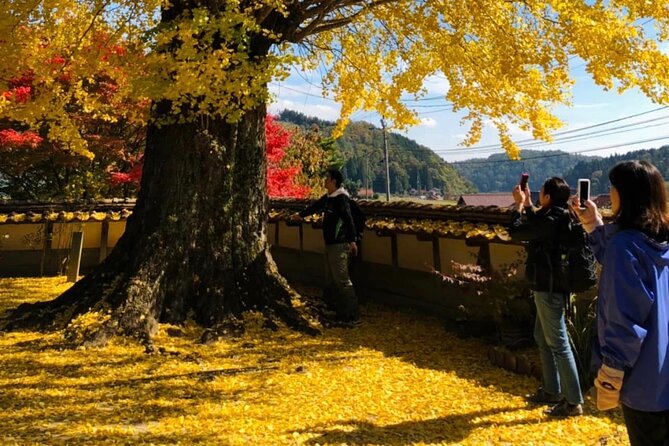
This tour isn’t about big speeches. It’s about observation guided by context. The route is designed so you experience rural life in layers: first through how people move around farms and towns, then through the food, and finally through the quieter rhythm of places like Oasa.
You’ll also get the benefit of a guide who connects what you see to local traditions and everyday realities. The tour highlights that you’ll meet locals and experience authentic traditions. In practical terms, that means you’re not just riding through scenery—you’re being pointed toward what matters in the community.
A key value here: the e-bike makes the cultural side more accessible. On foot, you might get tired and rush. By bike, you can keep your attention on small details, like how streets look, how fields sit in the environment, and how daily life flows around them.
Price and Value: Is $85.39 Worth It?
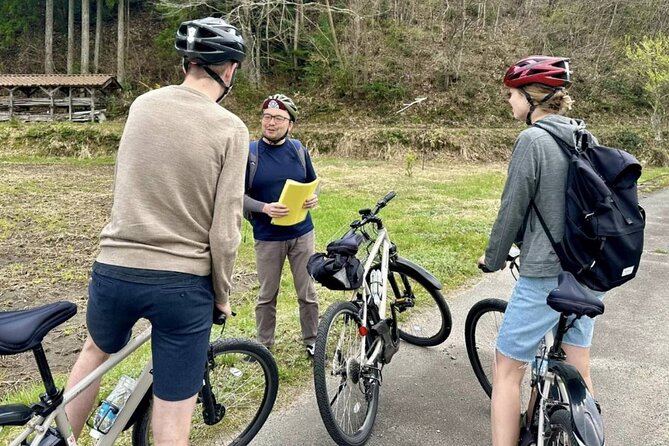
At $85.39 per person, this tour sits in a reasonable range for an activity that includes real support: an e-bike, helmet, a guide, and accident insurance coverage. You’re also getting the route structure—four planned stops—and water refill stations along the way, which reduces small hidden hassles.
Here’s the best value logic for you:
- If you want countryside access but don’t want to figure out local transport and biking logistics on your own, paying for a guided route is smart.
- If you’re new to e-bikes, having a guide and a defined schedule helps you avoid rookie mistakes and keeps you comfortable.
- If you care about food that feels connected to where you are (herb garden or seasonal sushi), lunch being part of the day adds real payoff.
What can make it feel less like a deal is if you have to add extra costs for transportation from Hiroshima to Oasa via highway bus (3,560 JPY round trip). Also, you should consider your personal comfort level with riding a bike on your own. The tour is built for people who can handle that basic skill.
Finally, remember the timing: it’s about 4 hours total. You’re not getting a full-day immersion, but you are getting a focused taste of rural life with less fatigue than a walking-heavy option.
Who Should Book This Tour—and Who Might Prefer Something Else
You should book if you want:
- An easy-to-manage countryside ride thanks to electric assist
- A small group experience with a guide who explains local life
- A food stop that’s tied to the region, not just a convenient restaurant
- A route with real variation: hills, farming community streets, herb garden lunch, and a quieter town center
You might pass if you:
- Want only major landmarks and big-name sights
- Don’t feel comfortable riding a bike by yourself yet
- Need long hours on the road; this is paced for comfort, not distance
If you’re traveling as a couple, solo, or with a small group of friends, the max 8 travelers cap keeps the day from turning chaotic. It also works well if you’re the type who likes to learn while walking through places, not just taking photos.
Should You Book This Hiroshima Country Cycling Tour?
If your idea of a great day in Japan includes countryside rhythm, seasonal food, and biking that doesn’t punish you for having fun, I think this is an easy yes. The electric-bike assist on hills is the heart of it, and the small-group guidance (with Jonah’s practical, people-first style) helps you understand what you’re seeing without feeling rushed.
Book it if you can ride confidently, you can handle about four hours of relaxed cycling, and you’re open to a calm rural town ending in Oasa. If you’re chasing nonstop attractions, consider other options. But for rural-minded travelers, this tour is the kind of day you remember because it feels lived-in, not staged.
FAQ
How long is the Hiroshima countryside e-bike tour?
It runs for about 4 hours.
How much does the tour cost?
The price is $85.39 per person.
How many people are in the group?
The tour has a maximum of 8 travelers.
What’s included in the price?
Included are the use of bicycle, helmet, guide fee, accident insurance coverage, and water refill stations along the route (bring your own water bottle).
Is lunch included?
Lunch is part of the plan. The route includes lunch at the Ainosato Herb Garden, and from December to March the tour changes to sushi lunch at a farm house. Vegan lunch is available on request with advance notice.
Is there a vegan lunch option?
Yes. Vegan lunch is available on request, but you must book it 3 days in advance.
Do I need to know how to ride a bike?
Yes. You must be able to ride a bike on your own.
What if the weather is bad?
The experience requires good weather. If it’s canceled due to poor weather, you’ll be offered a different date or a full refund.
What is the cancellation policy?
You can cancel for free up to 24 hours in advance for a full refund. If you cancel less than 24 hours before the start time, the amount you paid won’t be refunded.