REVIEW · HIROSHIMA
Hiroshima Scenic Cycling Guided Tour
Book on Viator →Operated by Sunset Tour in Hiroshima's Peace Park · Bookable on Viator
Two wheels can change how you see Hiroshima. This small-group e-bike tour makes the big sights feel doable, with an easy pace, local context, and stops that range from the Peace Memorial Park area to Hiroshima Castle and Mitaki Temple. I also like that you get electric assistance for hills, but the ride still feels active enough to keep you engaged (not like you’re being chauffeured around).
The main drawback is physical effort and temperature. Even with the assist, you’ll pedal on some uphill bits, and the activity asks for moderate fitness plus the ability to bend your knee to about 90°. In summer, heat stroke risk is real—plan timing wisely and skip if you’re prone to overheating or vertigo.
In This Review
- Quick highlights
- Electric-assisted biking that still feels hands-on
- Where the tour starts and how the timing works
- Stop 1: Hiroshima Peace Memorial Park without the sightseeing whiplash
- Stop 2: Hiroshima Castle grounds, moat photos, and the big temple focus
- Stop 3: Mitaki Temple, the stop most people miss
- Keep the e-bike for the whole day: turning a tour into a plan
- Price and what you actually get for $73.57
- The guide matters: stories, answers, and pacing
- Logistics: meeting point, ending spot, and where lunch fits
- Fitness, safety, and weather checks you should not skip
- Who should book this Hiroshima e-bike tour
- Who should skip (or choose a different day)
- Should you book the Hiroshima Scenic Cycling Guided Tour?
- FAQ
- How long is the Hiroshima Scenic Cycling Guided Tour?
- What does the tour cost?
- Is the bike included, and do I get it after the tour ends?
- Where does the tour start?
- Where does the tour end?
- What are the main stops on the itinerary?
- Is admission included at the stops?
- What’s included in the price?
- What should I bring or plan for since coffee and snacks are not included?
Quick highlights
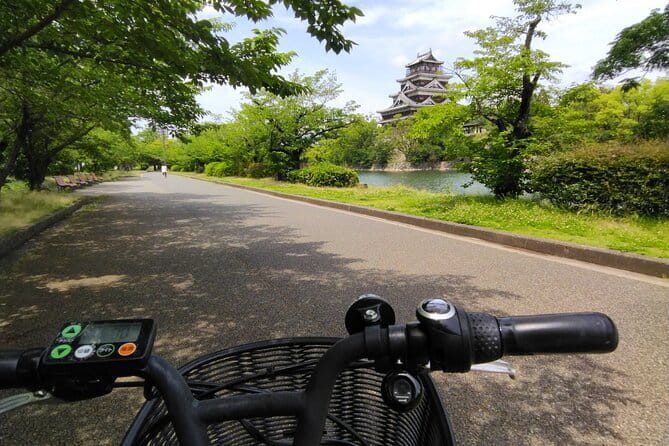
- Peace Memorial Park in one tight loop with a guide’s stories about key monuments and the atomic bomb dome area
- Hiroshima Castle grounds without rushing—time for photo-friendly moat views and temple focus
- Mitaki Temple is the star detour: a stop most tours skip, with free entry and a recommended donation
- Max 8 riders keeps the pace relaxed and questions easy to ask
- You keep the bike the whole day so the tour is really a launchpad, not a dead-end ride
- A guide can make history personal—Joshua is specifically called out for friendly, informative explanations
Electric-assisted biking that still feels hands-on
Hiroshima can be a lot on foot, especially when you’re trying to connect history sites with daily-life stops. This tour solves that by using an electric-assisted bicycle. Translation: you do the pedaling, but the bike helps you get up and over the tougher moments without wiping you out.
The ride style also matters. This is a small-group tour (maximum 8 travelers), and that tends to mean less waiting around at intersections and more time to ask questions. The route focus is smart, too: you’re not trapped in the most crowded core streets. You’ll move through meaningful areas, then you’ll finish near public transit where you can keep your day rolling.
One more practical win: your bike is yours for the full day. So the 3 hours 30 minutes guided portion isn’t the whole story. It’s more like your morning gets organized, and your afternoon becomes flexible.
You can also read our reviews of more tours and experiences in Hiroshima.

Where the tour starts and how the timing works
Start is 10:00 am at LUCKY BAKERY (5-5 Motomachi, Naka Ward, Hiroshima). The meeting spot is close enough to public transportation that you’re not stuck budgeting time for a long transit shuffle.
The tour runs about 3 hours 30 minutes, and the end point is set up for an easy transition: the tour ends just after lunch time at JR Yokogawa Station. From there, tram, JR, and bus connections are available. It’s a nice setup if you plan to eat without a long trek.
Also note the planning tempo: on average, this tour is booked about 22 days in advance. If your dates are fixed, I’d book early. Small-group tours plus a heat-sensitive activity (more on that below) can sell out.
Stop 1: Hiroshima Peace Memorial Park without the sightseeing whiplash
You’ll spend about 45 minutes at Hiroshima Peace Memorial Park, and admission is free. This is the kind of stop where “a quick look” can leave you with more questions than answers. The guide experience is what turns it into something you’ll actually remember.
Expect to see the atomic bomb dome area along with multiple monuments and the bridges that survived. Those details are important. The park isn’t just a single viewpoint—it’s a whole network of memorial markers, each pointing to different parts of the story and different ways people remember.
What you’ll get from a good guide here is the glue: short explanations tied to what you’re looking at. The tour format keeps it from feeling like a checklist. You’re not racing across the park to hit every photo angle. You’re there long enough to understand what you’re seeing, then you’re moving on.
A tip for comfort: if you’re sensitive to heat, aim to keep your time shaded when you can. Peace Memorial Park can feel exposed depending on the day.
Stop 2: Hiroshima Castle grounds, moat photos, and the big temple focus
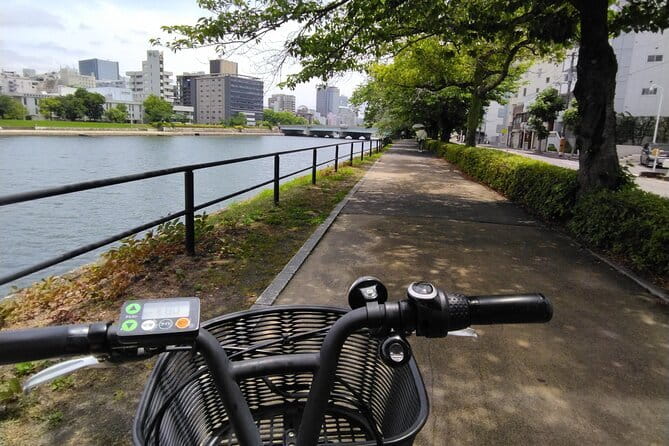
Next is Hiroshima Castle for about 30 minutes, again with free admission. This stop has two different “moods,” and that’s why it pairs well with Peace Memorial Park.
First, you get the moat area for photo opportunities. The waterline framing gives you a classic castle look without needing long walking detours. Second, the castle grounds themselves feel like an old fortress setup—more grounded and structural than the memorial zone you just saw.
There’s also a temple element here. The tour description calls out Hiroshima’s largest temple located in this area. Even if you’re not the type who seeks temples out on vacation, that detail helps you see the castle grounds as more than just scenery.
The time is short, so set your expectation. You’re not doing a full castle exploration. You’re getting the best “first visit” version with a guide’s help so you don’t waste time hunting for what matters.
Stop 3: Mitaki Temple, the stop most people miss
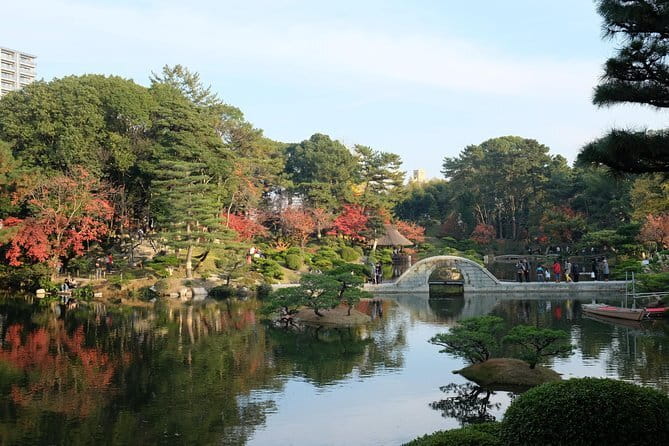
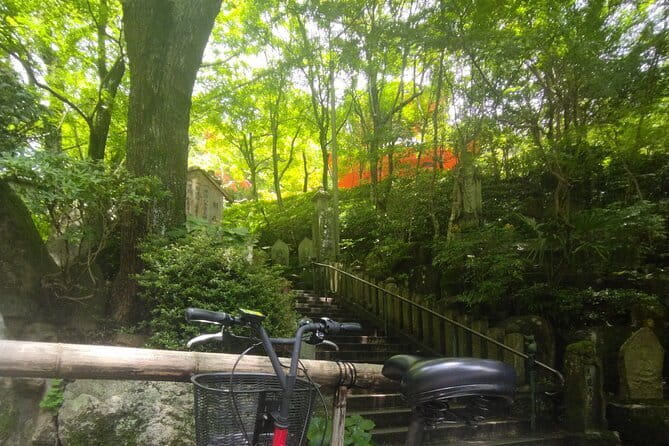
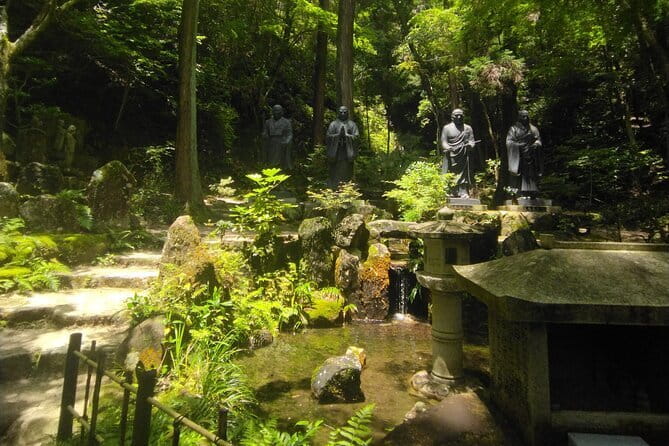
After the castle, you’ll head to Mitaki Temple for about 1 hour. This is where the tour earns its difference.
Mitaki Temple is described as the only tour in Hiroshima that visits it, and it’s considered one of the most beautiful in the Chugoku region. Some say it even outranks Kyoto’s best spots. Even if you don’t rank temples, the key practical point is this: most sightseeing schedules won’t touch Mitaki, so it gives you a quieter, more spiritual angle on the city.
Entrance is free, but there’s a suggested donation. That’s common with places of worship, and it’s worth planning for in your budget. If you’re the type who likes to pause, read signage at a calm pace, and let a site slow you down, this stop is a good fit.
One thing to keep in mind: temples often mean more stairs or uneven ground. The itinerary is paced for a cycling group, but you’re still doing some walking once you arrive. If you’re worried about balance, vertigo can be a factor on bike days, and any dizziness you have might also show up once you dismount.
Keep the e-bike for the whole day: turning a tour into a plan
This is one of the best value features: you keep the bicycle for the full day. That changes how you think about the tour.
Instead of planning your Hiroshima day around getting back to a shop, you can treat the guided portion like a route starter. After the tour ends near JR Yokogawa Station, you’re positioned to explore nearby areas on your own without losing momentum.
I like this for two reasons:
- You get structure early (you learn what to look for and where to go).
- You get freedom later (you can choose your own pace, coffee break timing, and extra stops).
You still need to manage energy, but you’re in control. And since the tour ends around lunch time, you can plan a meal, then extend your cycling time while your legs still feel good.
If you want snacks: coffee and tea aren’t included. The tour does allow you to pick up extras like pastries, ice cream, or coffee at your own expense, which is helpful if you’re riding and eating on a schedule.
Price and what you actually get for $73.57
At $73.57 per person, this isn’t the cheapest way to tour Hiroshima. But it’s also not priced like a private guide experience. The value comes from the combination:
- A full e-bike included (not just a rental discount).
- A live guide for about 3.5 hours.
- Admission coverage for all three stops (free at the listed sites).
- A small group cap of 8 travelers, which affects how much attention you get.
- The biggest “value multiplier”: you keep the bike all day.
If you were to rent an e-bike on your own and then also add guided explanations for history-heavy sites, you’d likely spend similar money. Here, you get the explanation piece built in—especially at Peace Memorial Park, where the meaning isn’t obvious if you’re just scanning monuments.
Also, the average booking lead time suggests this tour is popular for a reason. With a small group limit and heat considerations, pricing feels more like “fair and practical” than “overpriced.”
Rating is also strong: 4.8 out of 5 based on 19 reviews, with 95% recommending it. That matters because bike tours can be hit-or-miss if the pacing or bike comfort isn’t right.
The guide matters: stories, answers, and pacing
History sites work best when you understand what you’re seeing while you’re standing there. This tour is built for that. Your guide is expected to relate stories and interesting facts at the Peace Memorial Park stop, then keep explaining as you move.
A name you may run into is Joshua. One group described Joshua as friendly and knowledgeable, and also noted how questions were answered. In another account, there was a small mishap with the bikes at the beginning—but it was fixed and the day stayed on track.
That’s useful to know because bike tours can fail quietly if the guide doesn’t manage small problems. Here, the tone of the feedback suggests the team keeps the day flowing.
Logistics: meeting point, ending spot, and where lunch fits
You start at LUCKY BAKERY in Motomachi (Naka Ward) at 10:00 am. The end is set at (株)華や 三篠店, and the practical travel anchor is JR Yokogawa Station just after lunch time.
Why do I like that? Because it plugs you into real transport right when you’re ready to rest. You can hop on the tram, or use JR or bus lines without having to map an awkward return plan.
And yes, this is a smart moment to eat. The area near JR Yokogawa Station is described as a good place for lunch, including options like okonomiyaki with English menus at many spots—helpful if you’re not planning every meal in advance.
Fitness, safety, and weather checks you should not skip
This tour asks for moderate physical fitness. Electric assist helps, but it doesn’t remove effort. You’ll still pedal, and hills are mentioned as a real factor.
There are also specific physical and safety notes:
- You should be able to bend at the knee to about 90°.
- If you’re prone to heat stroke, avoid in summer.
- If you have vertigo, use extra caution.
- If you take medication that isn’t safe for driving, be careful. (A bike is still a vehicle in practice.)
The activity also requires good weather. If the weather is poor, you’ll be offered a different date or a full refund. That’s the kind of policy that matters for cycling, where wind and rain can turn a “easy ride” into a miserable one.
Who should book this Hiroshima e-bike tour
This tour is ideal if you want:
- A guided introduction to Hiroshima Peace Memorial Park that doesn’t feel rushed.
- A practical way to reach Hiroshima Castle and still have time to understand what you’re seeing.
- A quieter, less common spiritual stop at Mitaki Temple.
- A comfortable pacing option with electric assist and a group size capped at 8.
You should also consider it if you like the idea of learning something meaningful early, then using the rest of the day to wander on your own.
Who should skip (or choose a different day)
Skip or reconsider if:
- You know you struggle with heat or you’re prone to heat stroke.
- You have vertigo or balance issues.
- You can’t comfortably bend your knee to about 90°.
- You’re not confident with pedaling uphill, even with assist.
If you’re unsure, check your comfort with the physical requirements before booking. The tour description is clear that fitness still matters.
Should you book the Hiroshima Scenic Cycling Guided Tour?
I think this is a strong choice for many first-time visitors to Hiroshima, especially if you want a guided, meaningful start and then freedom afterward. The best argument for booking is the pairing: Peace Memorial Park + Hiroshima Castle + Mitaki Temple. That mix gives you both the big public narrative and the quieter spiritual detour.
At the same time, don’t treat it like a free ride. Plan for some pedaling and some walking at stops, and be serious about weather and heat.
If you’re fit enough for moderate cycling, enjoy learning from a guide, and want your day to feel efficient without feeling rushed, this tour is a smart bet. If heat and dizziness are your weak points, pick your timing carefully—or choose a different format.
FAQ
How long is the Hiroshima Scenic Cycling Guided Tour?
The tour lasts about 3 hours 30 minutes.
What does the tour cost?
It costs $73.57 per person.
Is the bike included, and do I get it after the tour ends?
Yes. The bicycle is included, and you keep it for the full day so you can explore further on your own.
Where does the tour start?
The meeting point is LUCKY BAKERY, 5-5 Motomachi, Naka Ward, Hiroshima, 730-0011, Japan. Start time is 10:00 am.
Where does the tour end?
The tour ends at JR Yokogawa Station just after lunch time.
What are the main stops on the itinerary?
The tour stops at Hiroshima Peace Memorial Park, Hiroshima Castle, and Mitaki Temple.
Is admission included at the stops?
Admission is listed as free for the Peace Memorial Park and Hiroshima Castle stops, and Mitaki Temple has free entrance with a suggested donation.
What’s included in the price?
Included are bicycle use and a guide.
What should I bring or plan for since coffee and snacks are not included?
Coffee and/or tea are not included. You’ll have opportunities to buy your own snacks like pastries and ice cream or coffee.