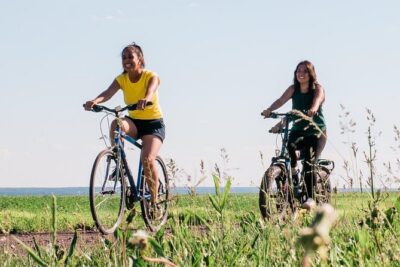
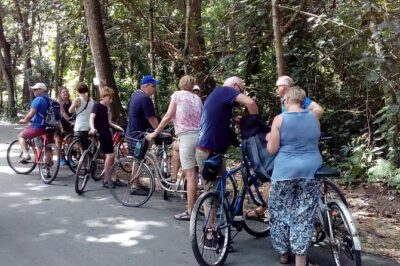
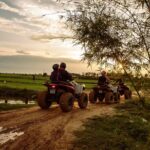
Quiet temples, two wheels, jungle shade. This private Angkor Jungle Biking Adventure is built for getting off the busy roads and riding back trails to iconic sites with a more relaxed, crowd-free feel. You pedal 25–40 km through shaded stretches, then slow down to actually look at what you’re passing—stone carvings, trees growing into ruins, and the roads that connect the Khmer empire’s cities.
I really like two things. First, the ride is private, so you’re not squeezed into a large group schedule. Second, the English-speaking guide—often highlighted by names like Leap or Sok—brings the temples to life with clear storytelling about architecture and Khmer history while you’re moving.
One heads-up: the Angkor Park admission ticket is not included in the tour price, so you’ll need to budget extra and plan a stop for ticket purchase.
In This Review
- Key highlights at a glance
- Why two wheels make Angkor feel different
- The big-picture plan: a full 7–8 hour temple bike day
- Ticket time at Angkor Wat: go in with the right expectations
- Quiet archaeology stop list: Ta Nei, French Dam, and back-trail riding
- Ta Nei Temple (about 30 minutes)
- French Dam (about 19 minutes)
- Bayon Temple (about 1 hour)
- Angkor Thom South Gate: the entrance that frames the city
- Ta Prohm: the “trees and stones” temple stop
- Price and value: what $61.75 covers (and what it doesn’t)
- Comfort, safety, and who this is for
- If you book: smart choices that make the day easier
- Should you book the Angkor Jungle Biking Adventure?
- FAQ
- FAQ
- How long is the Angkor Jungle Biking Adventure?
- Do I need to buy the Angkor Park ticket separately?
- How much cycling do you do?
- What’s included in the price?
- Is lunch included?
- What fitness level do I need?
- Can I cancel for free?
Key highlights at a glance
- Private, guided biking through quieter Angkor routes (no main-road scramble)
- 25–40 km of riding through shaded paths and temple roads
- Major temples plus smaller stops, like Ta Nei and Ta Prohm
- English-speaking bike guide who explains what you’re seeing in plain language
- All the basic ride essentials included: mountain bike, helmet, water, snacks
Why two wheels make Angkor feel different
Angkor can feel like a checklist when you’re hopping from one crowded entrance to the next. Cycling changes the rhythm. You’re traveling slower, stopping when something catches your eye, and moving through parts of the site that don’t get the same bus-tour attention.
This tour is also set up for comfort and flow. You get a mountain bike and helmet, plus bottled water and snacks, so your energy doesn’t crash halfway through the day. The guide keeps you oriented—what to look for, why it matters, and how each temple fits into the bigger picture of the Angkor complex.
And yes, it’s physical. You’ll be riding 25–40 km, so it’s not a gentle stroll. But it’s also not a punishment tour. The format gives you breaks and short stops at key points, which makes it easier to handle in the heat of Siem Reap.
You can also read our reviews of more tours and experiences in Siem Reap.
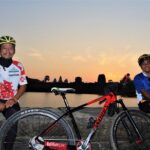
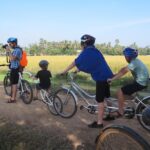
The big-picture plan: a full 7–8 hour temple bike day
The timing is built around a classic Angkor “big sights” arc, but with biking as the connecting tissue. Here’s the shape of your day:
You start with pickup from your hotel area in Siem Reap and get transferred to the cycling start point. From there, you ride toward Angkor Park, with your guide guiding the route so you spend less time stuck in the middle of crowds and more time actually moving through the site.
Once inside Angkor Park, the schedule focuses on major temples and the smaller structures that many people miss—plus a nature break that fits the “jungle trails” vibe the tour promises. You’ll return with enough time to feel like you saw a lot, without feeling like you barely glanced at anything.
A helpful detail: the tour includes assistance with buying your Angkor ticket at the entrance. That means you don’t have to figure out the process on your own before the ride starts.
Ticket time at Angkor Wat: go in with the right expectations
Your first major temple stop is Angkor Wat, with about two hours on site. This is the big one—the largest monument in the Angkor group and one of the best preserved. When you arrive, expect the classic “start with the basics” approach: you’ll handle entry smoothly, then shift from logistics to looking.
What I like about structuring the day around Angkor Wat first is pacing. By the time you leave, you’ve got a mental framework for what you’re seeing at the rest of the temples. The guide can point out how Angkor Wat’s composition, proportions, and sculptural details work—so later temples don’t just feel like different piles of stone. They start to feel like chapters in the same story.
Also, since Angkor admission is not included, plan for that extra step. The tour’s ticket help should make it straightforward, but it’s still time you should factor into your day.
Quiet archaeology stop list: Ta Nei, French Dam, and back-trail riding
After Angkor Wat, the day shifts gears into “find the details” mode.
Ta Nei Temple (about 30 minutes)
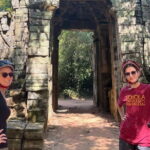
Ta Nei is a late 12th-century stone temple dedicated to the Buddha and positioned near the northwest corner of the East Baray. It’s the kind of place where you can see how Angkor design sits in the terrain—more intimate than the headline temples, and usually easier to appreciate at a human pace.
If you like temples that reward closer looking rather than long ticket line energy, this stop is a strong use of time.
French Dam (about 19 minutes)
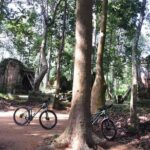
Then comes a refreshingly non-temple moment: French Dam (ទំនប់ទឹកបារាំង). You get a viewpoint and a break from stonework—water sounds, birds, and big trees doing what big trees do in Cambodia: turning ruins into living landscapes.
This short stop also helps the cycling day in a practical way. It’s long enough to reset your brain, but short enough not to steal the momentum of the route.
Bayon Temple (about 1 hour)
Bayon is where the faces show up—an iconic part of the Angkor Thom complex. The tour schedules about one hour here, giving you time to walk, look up, and understand the temple’s place in the royal city layout. You’re not rushing through details; you’re seeing enough to connect it to the next stops.
The guide’s job matters most at this stage. Bayon is visually overwhelming if you don’t know what you’re looking at. With a clear explanation, it starts to make sense.
Angkor Thom South Gate: the entrance that frames the city
Next up is the Angkor Thom South Gate (about 30 minutes). This gate is popular because it’s restored and many of the stone head sculptures remain in place. It’s also on the main road into Angkor Thom from Angkor Wat, so it feels like a transition point: you’re moving from stand-alone temple viewing into the idea of a whole city.
At this stop, your best move is to let the guide’s directions shape your walk. Gates can feel like photos spots, but the value is in how the entrance points you toward the layout behind it.
Then the route carries you onward—this is where cycling really pays off again. You’re not hopping across Angkor as a passenger. You’re traveling as a participant.
Ta Prohm: the “trees and stones” temple stop
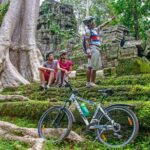
Ta Prohm is scheduled for about one hour, and it’s easy to see why it’s a headline. Often called the kingdom of the trees, it’s famous for being left largely untouched by archaeologists aside from clearing visitor paths and strengthening structures to prevent further deterioration.
On a bike tour, Ta Prohm feels even better because you arrive with the day already “in motion.” You’re not stuck in one place waiting for your turn. You’ve already been through jungle-style back roads, past the quieter edges of Angkor, so the temple’s close-up feel lands harder.
This is also the stop where your guide’s storytelling tends to make the biggest difference. When you understand why the site looks the way it does—and what’s been changed versus what hasn’t—you stop seeing it as a random photo set. It becomes a physical clue to how Angkor functioned, and how time has worked on the buildings.
Price and value: what $61.75 covers (and what it doesn’t)
At $61.75 per person, the tour is one of those Angkor options that makes sense if you care about getting more out of your day.
Included:
- pickup and drop-off from your hotel area
- an English-speaking bike guide
- mountain bike and helmet
- bottled water and snacks
Not included:
- Angkor Park admission ticket (your guide helps you purchase it)
- lunch during the day (you pay on your own, with local restaurant options around $3–$10 per dish)
To judge value, look at the combination: private guiding + your own bike transport + basic refreshment support. If you’ve done Angkor by tuk-tuk before, you’ll recognize the difference immediately. Biking adds active time and usually reduces wasted hours traveling in and out of traffic zones. You’re also better positioned to use short windows at temples without feeling trapped in bus timing.
If you want a simple plan: bring some extra cash or card capacity for the Angkor ticket and lunch. Then you can enjoy the ride without mentally budgeting every hour.
Comfort, safety, and who this is for
This tour fits best if you have moderate physical fitness. The route includes 25–40 km of riding, on jungle paths and quiet roads. That doesn’t mean you need to be training for a marathon, but you should be comfortable riding for a few hours and handling uneven surfaces.
A mountain bike is provided, along with a helmet, which helps a lot. You’ll also get water and snacks, so you’re not forced into “hope you find something open” mode.
Who should book?
- You want major temples plus quieter stops, without feeling like you’re constantly herded.
- You like active travel that still includes expert context from an English-speaking guide.
- You prefer a private group schedule over a big-bus rhythm.
Who might want to think twice?
- If you’re not comfortable with 25–40 km of biking, or if you prefer totally minimal physical effort, you may find the pace demanding.
If you book: smart choices that make the day easier
Here are a few practical moves that match how the tour is set up:
- Budget for the Angkor ticket separately. Your guide will help at entry, but the cost isn’t included.
- Plan lunch money ahead. Local restaurant meals during the tour are typically in the $3–$10 range per dish.
- Wear breathable clothing suitable for cycling and sun exposure. Even with shaded sections, you’ll still want light, comfortable gear.
- Hydrate early. Even with bottled water included, it’s smart to start the day feeling ready.
Should you book the Angkor Jungle Biking Adventure?
Yes—if you want Angkor to feel like more than a photo stop circuit. This tour’s biggest strength is the mix of major temples with quieter, more personal moments, tied together by back-trail riding. With included bikes, helmets, water, and snacks, plus a guide like Leap or Sok who can explain what you’re seeing, you get both movement and meaning.
Book it if you like your days active, guided, and paced with short temple stops instead of long waits. Skip it (or consider a less distance-focused option) if 25–40 km of biking sounds too much for your comfort level.
FAQ
FAQ
How long is the Angkor Jungle Biking Adventure?
It runs about 7 to 8 hours.
Do I need to buy the Angkor Park ticket separately?
Yes. The Angkor admission ticket is not included, and your tour guide assists you in purchasing it at the entrance.
How much cycling do you do?
You cycle about 25–40 km during the tour.
What’s included in the price?
Pickup and drop-off at your hotel area, an English-speaking cycling guide, a mountain bike and helmet, bottled water, and snacks are included.
Is lunch included?
No. Lunch is available at local restaurants during the tour, and meals are at your own expense (about $3–$10 per dish).
What fitness level do I need?
The tour is best for travelers with a moderate physical fitness level.
Can I cancel for free?
Yes. You can cancel for a full refund if you cancel at least 24 hours in advance of the experience’s start time.