REVIEW · SIEM REAP
Sunset or sunrise bicycle tour around Angkor Wat and nearby temples
Book on Viator →Operated by Angkor Wat Shared Tours · Bookable on Viator
Two wheels make Angkor feel closer. This small-group bicycle tour hits the key temples around Angkor Wat with an option for sunrise or a sunset finish, plus hotel transfers from Siem Reap so you’re not wrestling with logistics before your first photo. It’s a lower-impact way to see a lot in one day without getting stuck in traffic.
I like that the day is paced for real viewing, not just check-the-box stops. The included guide support is a big part of it, and you’ll also appreciate the practical touches like bicycles and pickup transfers that keep the focus on the temples.
One thing to plan for: admission/temple pass costs are not included. If you do the sunrise version, expect dark riding, and it’s smart to think about bike lights (I’m using the common feedback here) so you stay comfortable and safe.
In This Review
- Key things I’d pay attention to
- Why this Angkor Wat bicycle tour beats the usual temple day
- Sunrise or sunset: choosing the vibe that fits you
- Angkor Wat at sunrise: the reason you came
- Angkor Thom and the South Gate: where the bike route feels like history
- Ta Prohm: the jungle-overgrown temple moment
- Banteay Kdei: the monks’ cell citadel and the best “roots in stone” vibe
- Ta Keo: the unfinished pyramid that still hits hard
- Phnom Bakheng sunset: the hilltop finish that wraps the day
- Price and what $45 really covers (and what it doesn’t)
- The ride itself: what to expect on the ground
- Guide quality: how local context changes the day
- Best for: who should book this Angkor Wat bike tour
- Should you book this Angkor Wat sunrise or sunset bike tour?
- FAQ
- How long is the Angkor Wat sunrise or sunset bicycle tour?
- What’s included in the price?
- Do I need to pay for temple admissions?
- Is lunch included?
- How big is the group?
- Do you offer hotel pickup and drop-off?
- Where does the tour start?
- Can I cancel for a full refund?
Key things I’d pay attention to
- Sunrise or sunset option depending on whether you want pre-dawn Angkor Wat or a Phnom Bakheng sunset finish
- Small group max of 15 means you’re not stuck in a huge pack at the temples
- Hotel pickup and drop-off removes the hardest part of planning a long temple day
- Bikes + water included makes the tour feel genuinely “ready to go”
- Temple pass and admissions extra means your final cost depends on tickets
Why this Angkor Wat bicycle tour beats the usual temple day
Angkor can be overwhelming. Even when you know the names, the sheer size and variety of temples makes a normal day tour feel like a sprint. This bicycle format changes the pace. You still walk, climb, and stop for real viewing—but getting from place to place on a bike keeps you moving without the bus-stops-and-starts feeling.
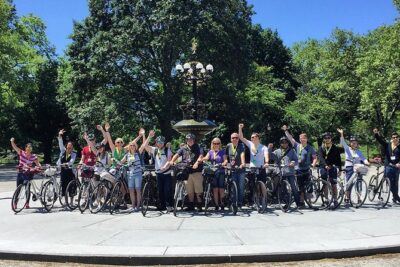
The small-group size matters. With a cap of 15 people, the guide can keep you together without turning the experience into a motion blur. And because you get two-way hotel transfers in Siem Reap, you’re not spending your morning figuring out where to meet or how to get back after sunset.
It also hits the sweet spot for fitness. This isn’t an all-afternoon easy cruise. You’ll ride, then spend time walking around temple grounds. If you like feeling like you did something all day, this is the kind of activity that delivers.
You can also read our reviews of more tours and experiences in Siem Reap.

Sunrise or sunset: choosing the vibe that fits you
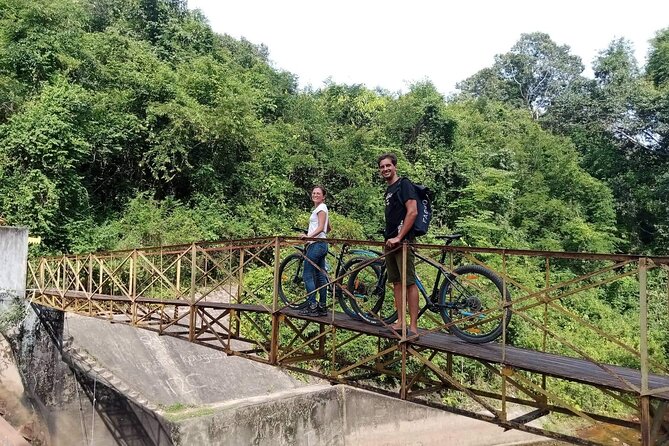
This tour is built around two different “anchor moments,” and that choice shapes the whole day.
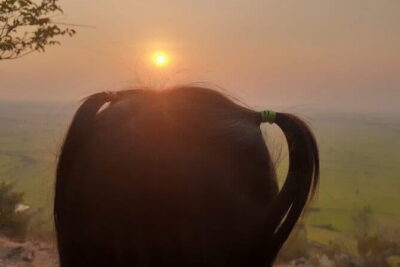
If you book the sunrise tour: you start early, with pre-dawn timing so you can watch the sunrise over Angkor Wat. The early departure is part of the experience, and it’s guided by local Khmer experts. That means you’re not just standing there—you’re getting context for what you’re seeing while the light slowly changes.
If you book the sunset tour: you finish the day with sunset from atop Phnom Bakheng. That option tends to feel a bit less punishing for people who don’t want to ride in the dark roads and paths. You’ll still cover the core Angkor temples earlier, but the “big payoff view” is saved for the end.
If you’re the type who loves early mornings and you want Angkor Wat in that first golden light, sunrise is the move. If you’d rather start later and end with a dramatic hilltop sunset, go with the Phnom Bakheng finish.
Angkor Wat at sunrise: the reason you came
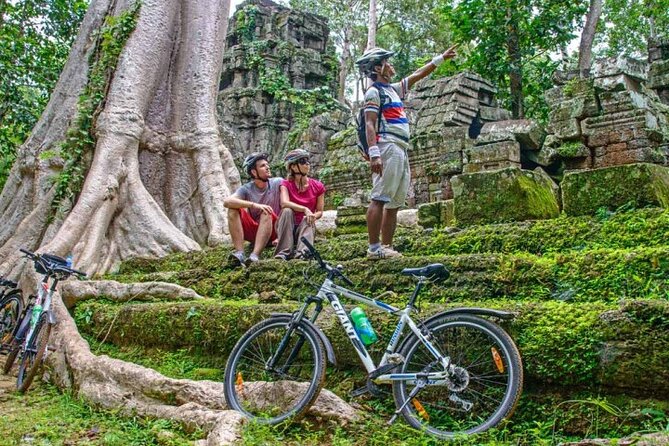
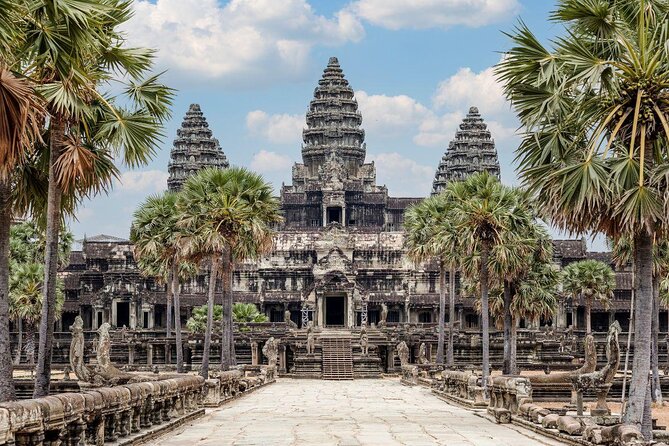
Angkor Wat is the obvious stop, but the sunrise version is what makes it feel like more than a landmark on a map. You’ll spend about an hour here, and the whole focus is the light over the largest religious complex in the world.
The tour is structured so you leave the start point very early. That’s not just for convenience; it’s so you’re positioned for the show. Riding in the dark and walking while it’s still early can be tiring, but it’s also exactly why the morning version gets people excited.
Practical note: temple admission is not included in the price, so you should expect to pay the Angkor Pass/temple tickets separately. Plan for that when budgeting so you don’t get surprised later.
Angkor Thom and the South Gate: where the bike route feels like history
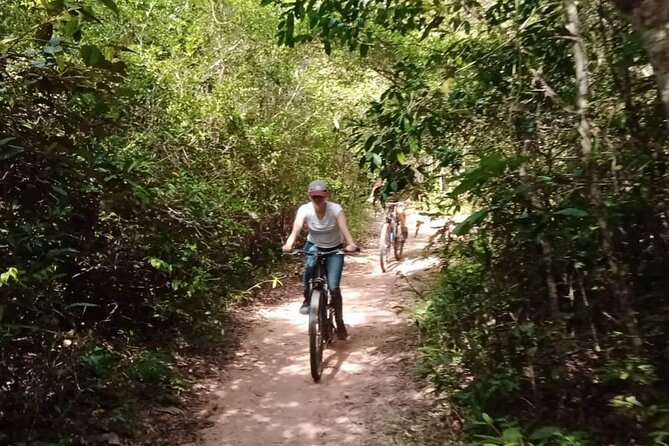
After Angkor Wat, the tour moves to Angkor Thom, the later capital of the Angkor Empire. The big visual here is the South Gate, lined with gods and demons locked in an eternal tug-of-war.
You’ll spend about an hour at Angkor Thom, and the route naturally guides you toward the Bayon, the central temple you’ll recognize by its distinctive faces. Being on a bike changes how you experience these spaces. You don’t lose time to constant transfers, and you can go from one viewpoint to another with less backtracking.
This is also a good moment for the guide to connect the dots. When someone explains what you’re looking at—why the gate is designed the way it is, and what the Bayon’s layout communicates—you’ll understand more than you would from photos alone.
Ta Prohm: the jungle-overgrown temple moment
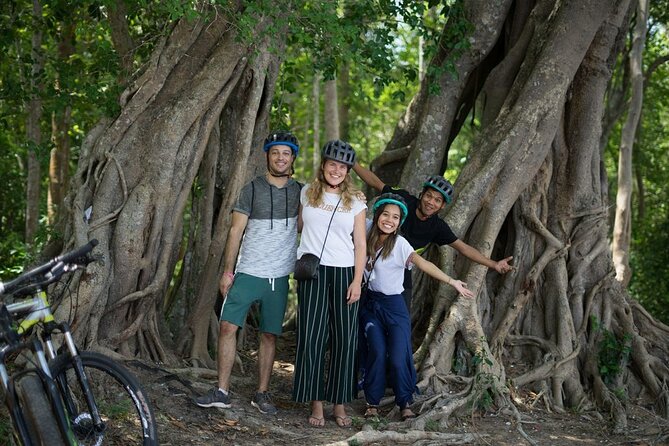
Ta Prohm is the temple people often picture before they even arrive. It’s known for its partially jungle-retaken ruins, plus its famous pop-culture association as the Tomb Raider temple.
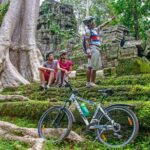
Expect about an hour here. This is one of those places where the photos look dramatic because the real site is dramatic. The effect of tree roots and overgrowth on the stone feels different in person than it does in posters. Taking it at a human pace helps: you can look up, move around the paths, and notice the way the jungle is physically part of the architecture.
A small caution: if you’re prone to heat or humidity discomfort, this is typically where you’ll feel it. The good news is you get water included, and your guide can keep you moving efficiently without rushing your viewing.


Banteay Kdei: the monks’ cell citadel and the best “roots in stone” vibe
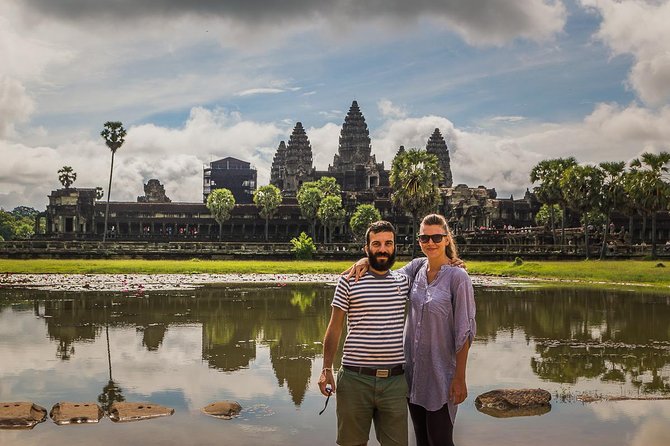
Banteay Kdei is sometimes less crowded than the headline names, and that’s a big part of why I’d put it on any Angkor short list. The temple is also called the citadel of monk’s cells, and it’s partially overgrown with tall, twisting tree shapes.
You’ll spend about an hour here. The standout feature is the visual detail: silk cotton tree roots weaving through ruined walls. It’s one of those scenes that feels like the temple is slowly being re-written by the forest.
If you like photography, this is a strong stop. The guide often helps with photo positioning so you’re not just shooting from wherever you end up standing.
Ta Keo: the unfinished pyramid that still hits hard
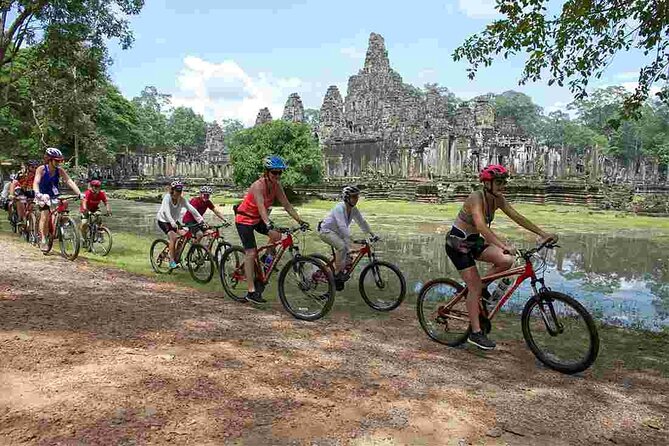
Ta Keo is different from many Angkor temples because it was never finished. That unfinished aspect gives it a more stripped-down, dramatic feel compared with more fully completed complexes.
You’ll spend about an hour here, and it includes climbing on terraced levels. Even if you’re in good shape, this is the part of the day where you can feel the “active” nature of a bike tour. It’s not one long hike, but it adds up when you’ve already biked and walked earlier.
If you prefer temples where you can sense the engineering logic—layers, symmetry, and structure—Ta Keo is a memorable angle on Angkor’s architectural style.
Phnom Bakheng sunset: the hilltop finish that wraps the day
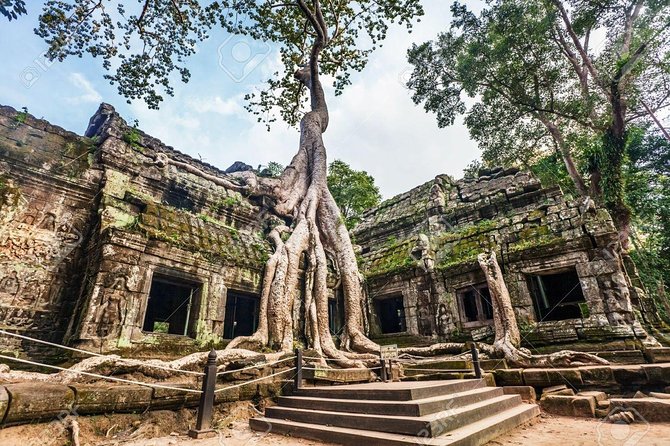
This stop is for the sunset version. Phnom Bakheng is a hilltop temple built hundreds of years before Angkor Wat, and it’s one of Cambodia’s best sunset viewpoints because it overlooks Angkor Wat itself.
You’ll spend about an hour here, and it’s a fitting finale: you’ve already seen the big names, and now you get the wide view that makes the whole Angkor region feel like a single landscape of temples and horizons.
The tradeoff is that hilltop viewing often means extra time for the climb, and sunset timing can compress patience if you’re not ready to wait for the light. Still, if sunset is your style, this is the finish that makes the day feel complete.
Price and what $45 really covers (and what it doesn’t)
At $45 per person for a 7–8 hour day, the value is mostly about what’s included. You get:
- A guide
- Bicycles
- Bottled water
- Pick-up and drop-off from Siem Reap hotels
That package approach matters in Angkor because the day is long and you don’t want extra costs and confusion layered on top. The price also reflects a small group structure (maximum 15), which tends to keep attention and pacing better than larger “bus plus walk” formats.
What’s not included:
- Lunch
- The temple pass / admission tickets (you’ll see admission not included for each major stop)
So, your final total will depend on those temple fees. If you already have a plan for the pass, the $45 feels like it’s paying for the experience logistics: guide, bike, and transfers.
The ride itself: what to expect on the ground
Biking between temples can feel like a cheat code: you cover ground without the repetitive start-stop pattern of vehicles. But it’s still real cycling, plus walking and climbing.
This matters most for two groups:
- People who enjoy getting a bit of exercise while sightseeing
- People who don’t want a long day that’s mostly sitting in traffic
It also helps that water is included. A lot of “big day” tours forget that basic need.
For the sunrise tour specifically, be ready for dark riding. One common piece of practical feedback is the need for lights on bikes. Even if the tour provides what you need, you’ll feel better if you bring something small for visibility (or confirm exactly what the bike setup is for your departure time).
Guide quality: how local context changes the day
The biggest consistent theme from the experience is the guide impact—especially for people who want more than just directions.
Guides like Sam Vone show up in the feedback as enthusiastic and passionate about Khmer history tied directly to what you’re seeing. People also mention that he can help with photography spots. Another guide-focused comment praises commentary and patience on the sunrise day, plus the fact that the day can be tiring but still fun.
No guide is perfect for every language level or every personality match, and one outlier comment included frustration about weaker communication and an expensive lunch stop. The lesson for you is simple: if you’re booking for deep explanations, you may want to confirm your guide language comfort during booking, and plan your lunch approach so you’re not trapped by a single option.
Best for: who should book this Angkor Wat bike tour
This is a great fit if you:
- Want a lower-impact, more sustainable way to see Angkor than relying entirely on cars
- Prefer active sightseeing (bike + walk + climbs) over a full-day couch tour
- Like small groups where you can move together without constant waiting
- Care about sunrise or sunset timing enough to build your day around it
It’s also a solid choice if you’re trying to reduce stress. The included hotel pickup and drop-off means you can focus on enjoying the day instead of managing transport at both ends.
If you’re looking for a fully relaxed day with zero effort, this may feel like too much. But if you want a temple day that also feels like a real experience, it lands in the right place.
Should you book this Angkor Wat sunrise or sunset bike tour?
I’d book it if you want Angkor Wat plus the essential surrounding temples in one efficient day and you value the “move by bike” rhythm. The included guide, bicycles, water, and hotel transfers make it feel like a complete outing, not just a rough itinerary.
Book sunrise if you’re excited by pre-dawn light and you don’t mind riding before the world fully wakes up. Book the sunset version if you’d rather start later and finish with the Phnom Bakheng overlook.
Just go in with two expectations set: temple admissions are extra, and sunrise riding happens in the dark. If you plan for those, this tour is a strong value way to see Angkor on two wheels.
FAQ
How long is the Angkor Wat sunrise or sunset bicycle tour?
The tour runs about 7 to 8 hours.
What’s included in the price?
The tour includes a guide, bicycles, bottled water, and pick-up and drop-off.
Do I need to pay for temple admissions?
Yes. Temple pass and admission tickets are not included.
Is lunch included?
No. Lunch is not included.
How big is the group?
The maximum group size is 15 travelers.
Do you offer hotel pickup and drop-off?
Yes. The tour includes two-way transfers from Siem Reap hotels to the base, and it ends back at the meeting point.
Where does the tour start?
The start point is Siem Reap Pub Hostel, behind Angkor Night Market, Krong Siem Reap.
Can I cancel for a full refund?
Yes, free cancellation is available. You can cancel up to 24 hours in advance for a full refund.