REVIEW · SIEM REAP
Angkor Wat Cycling Tour
Book on Viator →Operated by Easy Angkor Trip · Bookable on Viator
There’s something special about seeing Angkor from a bike seat. This Angkor Wat Cycling Tour turns the day into a calmer, more personal route through major temples and quieter jungle backroads, with time to linger instead of rush. I like the safe-feeling ride on a proper mountain bike, and I like how much you get from the expert English-speaking guide, Mr. K.
One thing to plan for: the big temple entry isn’t included. You’ll need the Angkor temple pass, so your final total depends on whether you already have tickets.
In This Review
- Key highlights at a glance
- Why cycling Angkor Wat feels different than buses
- Price and value: $45 bike tour plus the Angkor temple pass
- Morning logistics in Siem Reap: 7:30 am pickup, bike time, and a steady pace
- Stop by stop: Angkor Wat and the temples you actually get time for
- Angkor Wat (2 hours): the big one, with your main entry plan
- Bayon Temple (2 hours): towers and the feel of Angkor Thom
- Chau Say Tevoda (30 minutes): short stop, easy win
- Ta Prohm (2 hours): the jungle-temple match
- Ta Nei (1 hour): a quieter, Buddha-dedicated stop
- Bayon Temple East (Death) Gate (30 minutes): finish with the city boundary
- The guide factor: why Mr. K matters to the quality of your day
- What you’ll likely feel during the ride: safe trails, real backroads, and a break from walking
- Who this cycling tour suits best
- The one drawback to consider: tickets and stamina planning
- Should you book the Angkor Wat Cycling Tour?
- FAQ
- How long is the Angkor Wat Cycling Tour?
- What time does the tour leave?
- What’s included in the price?
- Is the Angkor Temple Pass included?
- Which temples are included in the stops?
- Are any temple entries free on this tour?
- Is this tour private?
- What’s the cancellation policy?
Key highlights at a glance
- Hotel pickup at 7:30 am keeps the day moving before the busiest crowds
- Mountain bike + helmet are included, so you’re not hunting rentals
- Mr. K guides you through backroads and less common temple stops
- Most temples stop with no extra entry fee during the tour, except Angkor Wat
- A private group experience means the pace stays friendly and flexible
- Cold drinking water helps on a long temple-and-ride day
Why cycling Angkor Wat feels different than buses
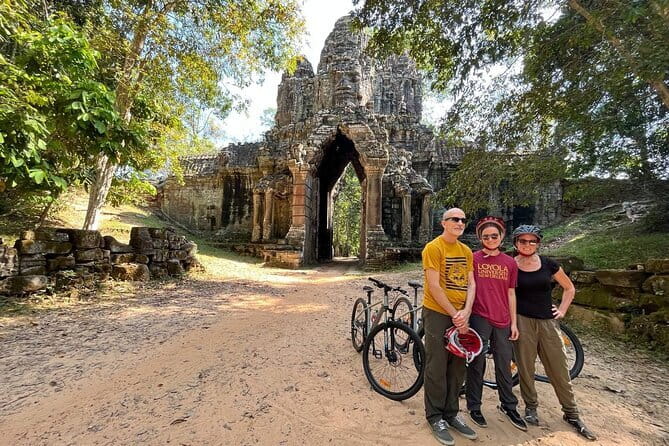
Angkor can be loud: engine noise, big groups, and that rush-rush feeling. Cycling swaps that out for quiet roads, slower turns, and a closer connection to the greenery around the temple grounds. Even on a day packed with famous sights, you’re getting around in a way that feels more human-scale.
What makes it work is the approach to getting you there. You’re not only riding between the “postcard” places. You also spend time on roads and paths where the world beyond the main walkway becomes visible—real daily life nearby and stretches that look more like jungle edges than tourist lanes. That’s a big part of why guests talk about the experience as an adventure, not just sightseeing.
And yes, you still see the major temples. You just reach them with your legs already warmed up and your eyes already trained on details. You’ll notice carvings and tower shapes more when you’re not trapped in a vehicle lineup.
You can also read our reviews of more tours and experiences in Siem Reap.
Price and value: $45 bike tour plus the Angkor temple pass
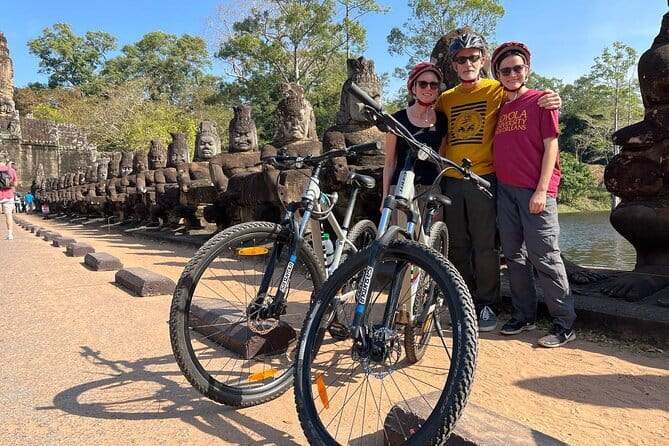
The listed tour price is $45 per person, which is reasonable for what’s included: an English-speaking guide, pickup and drop-off, cold drinking water, and a mountain bike with a helmet. That part matters because bikes and guide time aren’t “extra add-ons” once you’re on the ground.
Then comes the one extra cost that changes the math: the Angkor Temple Pass costs $37 per person and is not included. In plain terms, budget around $82 per person total if you need the pass.
Here’s how I’d think about it: paying for the pass is normal for Angkor, and the bike tour value is that you’re getting transportation through the park on two wheels plus guiding time, rather than just access to temples. If you compare “pass only” entry versus “pass plus a guide and bike,” the cycling version earns its keep—especially if you want a more relaxed, personal pace.
Morning logistics in Siem Reap: 7:30 am pickup, bike time, and a steady pace
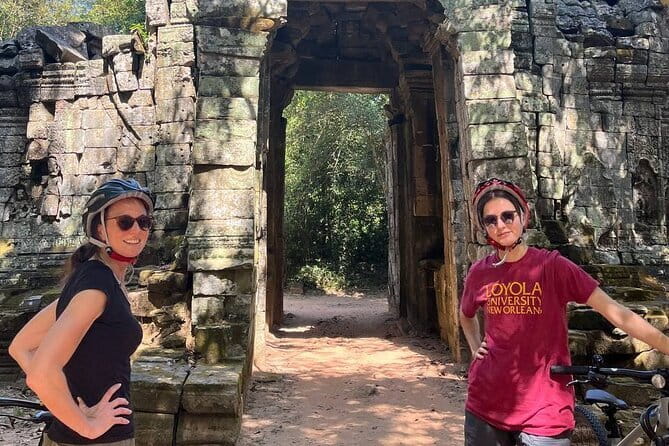
The day starts early. You leave your hotel at 7:30 am, which helps you get into the temple circuit with less midday pressure. The tour is described as leisurely, and the vibe from guests lines up with that: organized timing, no frantic chasing, and space to ride and look without feeling like you’re being whipped through.
Pickup and drop-off are included, which is a big deal in Siem Reap. It means you’re not trying to coordinate bike rentals, find parking, or figure out what route makes sense for a first-time visit. It also makes it easier if you’re pairing this with other plans later in the day.
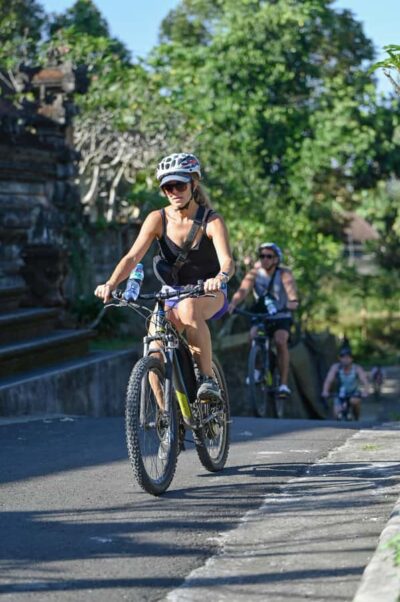
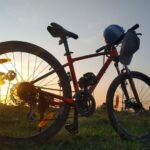
You’ll be on a mountain bike with a helmet. That’s not just for safety optics. Good gear changes the experience. People specifically highlight helmet quality and feeling secure on the roads. If you’re the type who gets stiff after hours of walking, cycling can be a welcome break—still active, but different than temple-to-temple walking.
Stop by stop: Angkor Wat and the temples you actually get time for
Angkor Wat (2 hours): the big one, with your main entry plan
Angkor Wat is the headliner. The tour schedule allots about 2 hours here, and this is where the Angkor temple pass matters most for you. The admission ticket for this stop is not included, so it’s the one entry you must budget for.
What I like about the way this stop is built is the time length. You’re not rushing in, taking a quick view, and sprinting to the next spot. Two hours gives you a chance to get oriented, then circle back for details you missed the first time. From a bike-based day, it also feels less like you’re “only” looking at walls and more like you’re learning how the layout connects the buildings and courtyards.
Bayon Temple (2 hours): towers and the feel of Angkor Thom
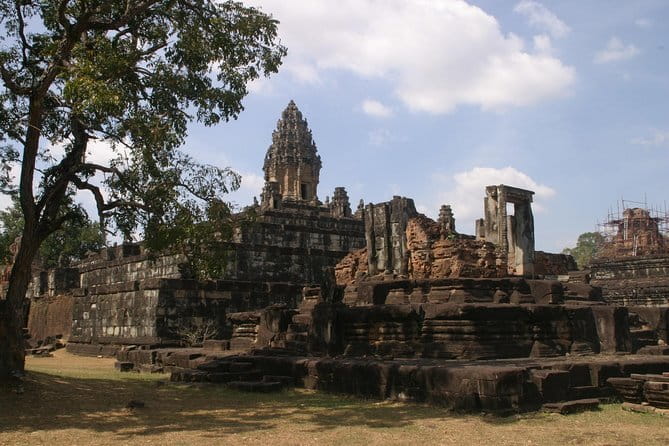
Next up is Bayon Temple, and it’s one of the best switches in the day. Bayon is free for the stop, and the schedule keeps you there for around 2 hours.
The standout detail here is the 54 towers, associated with the 54 provinces before and during the Khmer empire. That concept helps you look past the crowds and count patterns instead. You’re not only seeing faces carved into stone; you’re also seeing how the temple’s design communicates order and authority.
If Angkor Wat feels like a formal monument, Bayon often feels like a place people could talk about—because it’s layered with angles, gates, and viewpoints.
Chau Say Tevoda (30 minutes): short stop, easy win
You’ll also visit Chau Say Tevoda, which is listed for about 30 minutes and is free. This isn’t a long, slow-stroll stop. It’s more like a quick, satisfying detour that fills in the “lesser-known but still important” part of the circuit.
Why it’s worth it: a short stop like this keeps your energy for Ta Prohm and Ta Nei later. It’s also the kind of temple that can slip through if you only chase the most famous names. The location—just east of Angkor Thom and directly south across Victory Way—makes it feel like an intentional piece of the larger puzzle rather than a random extra.
Ta Prohm (2 hours): the jungle-temple match
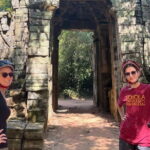
Ta Prohm gets about 2 hours and is free on the tour. This is the famous “roots and stone” temple period, built in the late 12th century and dedicated in 1186 to the king’s mother. The temple started with a Buddhist background and later became Hindu, which is one reason the carvings and spaces can feel like they belong to more than one chapter of Khmer life.
Here’s where cycling changes the experience again. Ta Prohm is known for its jungle atmosphere, and by riding between areas you get more of that surrounding feel rather than arriving from a vehicle and immediately funneling into the crowd lanes. You’re moving through the broader park context as well as the site itself.
Ta Nei (1 hour): a quieter, Buddha-dedicated stop
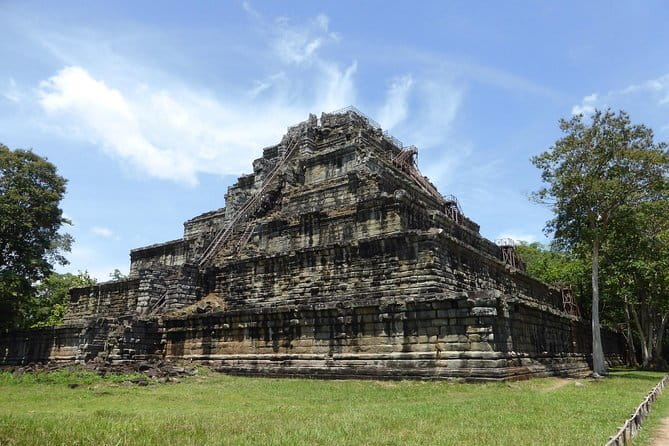
After Ta Prohm, you’ll head to Ta Nei, which gets about 1 hour and is free. It’s a late 12th-century stone temple near the northwest corner of the East Baray, dedicated to the Buddha.
Why I think this stop works: it gives you a change of pace. After two hours at a temple people actively flock to, Ta Nei feels more like the “breathing space” between heavy sights. You can look at the stonework without feeling like you’re constantly dodging for the next photo angle.
Bayon Temple East (Death) Gate (30 minutes): finish with the city boundary
The final stop on the list is Bayon Temple East (Death) Gate, part of the five gates guarding Angkor Thom. It’s listed for about 30 minutes and is free.
This is a good way to close the day because it shifts you from temple interiors to the idea of the city boundary. Gates frame everything—approach lines, symmetry, and how movement through Angkor is choreographed.
If you like the big-picture layout of ruins, this last piece helps connect the dots.
The guide factor: why Mr. K matters to the quality of your day
This tour is built around a guide-led rhythm, and the biggest praise points consistently point to how the day feels. Guests highlight that Mr. K is friendly, well organized, and explains clearly while adjusting the cycling level to the group.
You’ll also feel the guide’s influence in the route choices. People talk about hidden trails and unusual sites, plus stretches of jungle that are not typically on the standard quick circuit. That doesn’t just add novelty. It gives you a better sense of Angkor as a landscape of connected temple zones, not just a list of famous stops.
In at least one account, a rider also mentioned an enjoyable extra break involving food and a relaxing massage after the ride. I can’t promise that will happen every day, but it does signal that the guide may help shape downtime options if your group wants that kind of recovery.
What you’ll likely feel during the ride: safe trails, real backroads, and a break from walking
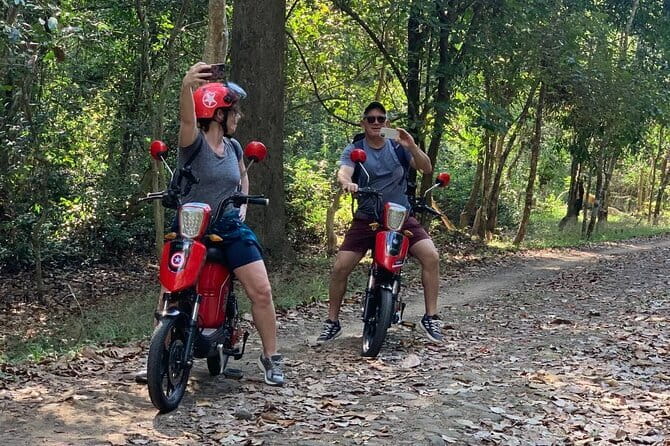
Cycling at Angkor is not about speed. It’s about comfort, control, and timing your viewing. The experience is described as more intimate and eco-friendlier than vehicle-heavy days, and you can feel that in how you move through the park.
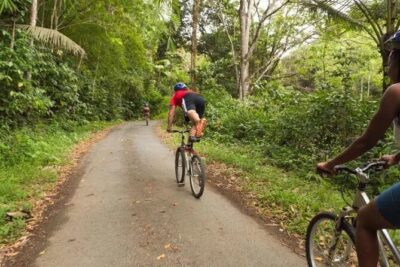
A recurring theme from guest experiences is that the routes include backroads and that the ride feels safe with good helmets. Another recurring theme is the “adventure” feeling—seeing more than the usual lanes, especially where the jungle edges show up.
Also, biking gives you variety after years (or a few hours) of temple tours. You’re still walking around temples, but the ride breaks up the day so your legs don’t just burn out from nonstop stairs and uneven ground.
Who this cycling tour suits best
This is a smart fit for you if you:
- want to see Angkor without being stuck in big-group traffic patterns
- like active sightseeing but don’t want only walking
- appreciate temples plus the surrounding park feel and quieter backroads
- value a guide who can shape the route to your comfort level
- prefer a private group experience where the pace stays friendly
It’s also a good option if you’re traveling with a partner or family and want shared “we did something together” energy beyond photos.
If you’re someone who struggles with cycling at all, you might find the format challenging, even if the tour is described as leisurely.
The one drawback to consider: tickets and stamina planning
Two practical considerations can affect your enjoyment.
First, the Angkor temple pass ($37) is not included. Make sure you budget for it in advance so you’re not making a last-minute payment decision right at the most important entrance.
Second, the day combines cycling and multiple temple walks. The ride helps break up the walking, but you still need a basic level of physical comfort. If you’re expecting a fully car-based tour, this one is more active than that.
Should you book the Angkor Wat Cycling Tour?
Yes, if you want Angkor in a format that feels calm, flexible, and slightly more adventurous. The mix of major temples plus quieter stops is the main draw, and the bike + helmet + hotel pickup package makes it simple to do right.
I’d book it if you care about the “getting there” part as much as the “seeing” part. Mr. K’s organization and the focus on safe backroads are exactly what can turn a normal temple day into a memorable one. Just do your homework on the Angkor temple pass so your budget—and your schedule—stays smooth.
FAQ
How long is the Angkor Wat Cycling Tour?
The experience lasts about 6 to 8 hours.
What time does the tour leave?
You’ll depart from your hotel at 7:30 am.
What’s included in the price?
Included are an English-speaking tour guide, pickup and drop-off, cold drinking water, and a mountain bike with a helmet.
Is the Angkor Temple Pass included?
No. The Angkor Temple Pass is $37 per person and is not included in the tour price.
Which temples are included in the stops?
The tour includes Angkor Wat, Bayon Temple, Chau Say Tevoda, Ta Prohm, Ta Nei, and Bayon Temple East (Death) Gate.
Are any temple entries free on this tour?
The listed stops for Bayon Temple, Chau Say Tevoda, Ta Prohm, Ta Nei, and Bayon Temple East (Death) Gate show admission as free. Angkor Wat is listed as admission not included.
Is this tour private?
Yes. It’s described as private, meaning only your group participates.
What’s the cancellation policy?
You can cancel for a full refund up to 24 hours before the experience starts. Cancellation with less than 24 hours notice is not refunded.