REVIEW · SIEM REAP
Short Cycling at Countryside
Book on Viator →Operated by Angkor Cycling Tour · Bookable on Viator
Four hours can feel like a week.
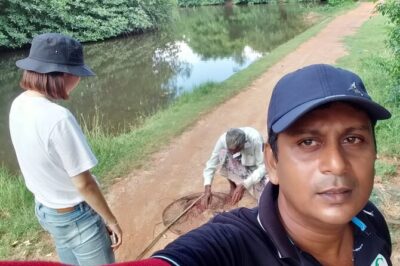
This short countryside cycling trip takes you from central Siem Reap toward Chreav village along the Siem Reap River, with wide views of paddy fields, grazing animals, and birds overhead. Depending on the season, you’ll see rice fields green (May–October) or gold (November–January), plus village scenes that make great photos without fighting crowds.
I like how smoothly it’s organized from the start, with a TREK mountain bike and helmet ready to go, plus bottled water and coconut water to keep you comfortable. I also like the way the guide brings the route to life, whether it’s Vannarath, Bobo, or Kimmi explaining what you’re passing and answering real questions about local life.
One thing to consider: even though it’s mostly countryside roads, you can still hit busy crossroads where traffic behavior can feel chaotic. The helmet and guide help, but you’ll want to stay alert and follow their instructions.
In This Review
- Key things to know before you pedal
- A 7:30 am escape into Siem Reap countryside
- Angkor Cycling Tour setup: TREK bike, helmet, and cooling drinks
- Siem Reap River to Chreav: rice fields, animals, and birdlife
- Chreav village stops: how farming shows up in daily life
- Market time: Khmer flavors and quick snack tastings
- Arthvear pagoda: a quieter spiritual break with stupas and statues
- Passing older temples on the way back into town
- Safety on mixed roads: what to watch at busy crossroads
- Value check: why $30 feels fair for a guided 25 km morning
- Who should book this short ride, and who might skip it
- Should you book Short Cycling at Countryside?
- FAQ
- What time does the cycling start?
- Where do I meet for the tour?
- How long is the ride?
- How far will we cycle?
- Is a bike and helmet provided?
- What drinks are included?
- Is hotel pick-up and drop-off included?
- Is the tour suitable for most people?
- What if I have dietary requirements?
- Can I cancel for a full refund?
Key things to know before you pedal
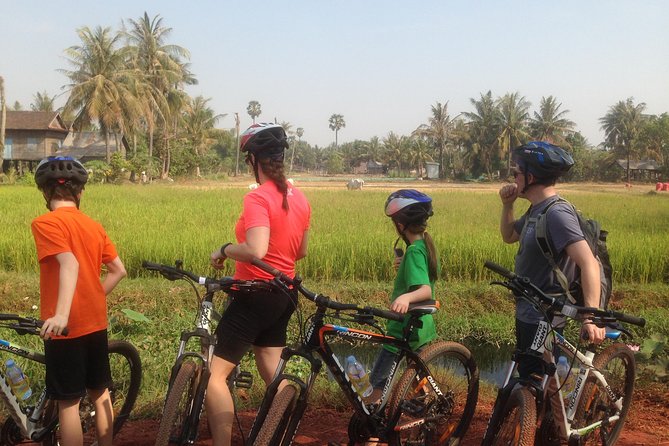
- Small group (max 10) means more time with your guide and fewer bottlenecks at stops
- TREK bikes + helmets are provided, so you’re not stuck worrying about rental quality
- Seasonal rice-field colors: green in May–October, gold in November–January
- Village-meets-market mix: you don’t just ride through scenery, you see how food and trade work
- Arthvear pagoda is a quieter, spiritual stop with stupas and statues
- Road sense matters on a few busier intersections even on a countryside ride
A 7:30 am escape into Siem Reap countryside
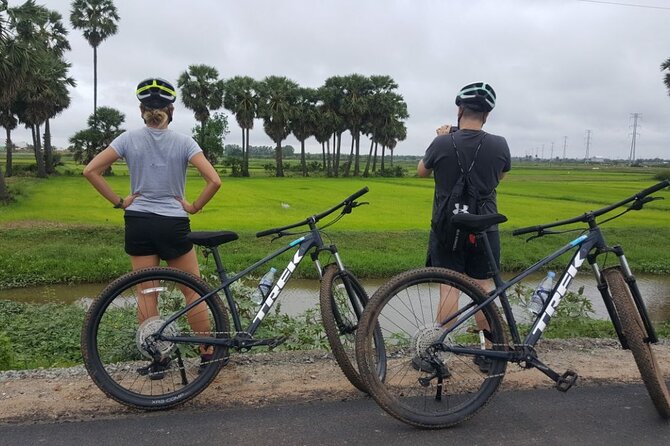
If your Siem Reap trip is mostly temples and tuk-tuks, this is a smart counterbalance. The ride starts at 7:30 am, which usually means cooler air, softer morning light for photos, and roads that feel calmer than later in the day.
You’re on the bike for about 4 hours covering roughly 25 km. That’s enough distance to feel like you got out of town, without turning into an all-day grind. The pace tends to work well if you can handle a few hours of cycling at a comfortable speed with stops along the way.
The biggest payoff is the change of scenery. You leave the city center and head toward the countryside through stretches of fields and village life. You’ll see big open rice paddies, animals moving through the area, and everyday routines that don’t show up in the typical tourist route.
You can also read our reviews of more tours and experiences in Siem Reap.
Angkor Cycling Tour setup: TREK bike, helmet, and cooling drinks
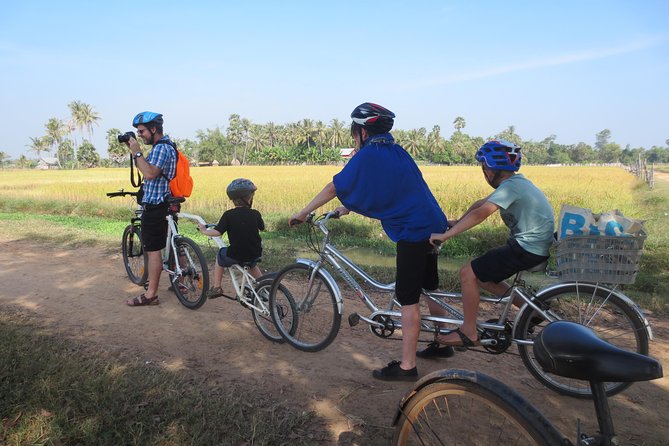
You meet at the Angkor Cycling Tour office on Taphul Rd. There’s a quick orientation so you understand the route flow and meeting point for the group.
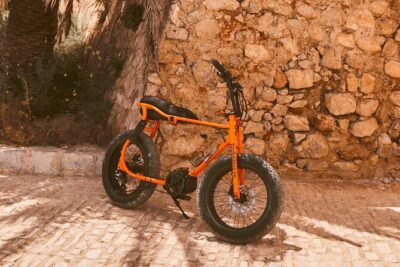
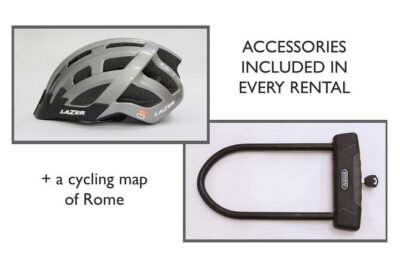
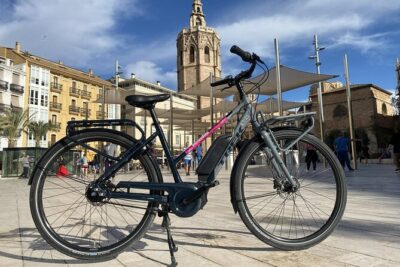
This is also where you get what makes the day feel easy: a premium TREK mountain bike, a helmet, and safety gear. In past experiences with this operator, people have specifically praised the bikes as clean and close to new, and helmets as well-kept—exactly what you want when you’re heading out early.
You’ll also get pure drinking water and coconut water. It’s a small inclusion, but it matters in Cambodia heat and humidity. You don’t want the day to turn into a scavenger hunt for hydration.
Two practical notes:
- There’s no hotel pick-up or drop-off, so build that into your plan.
- You’ll do best bringing sunglasses, sunscreen, and a camera, since you’ll be stopping for views and village scenes.
Siem Reap River to Chreav: rice fields, animals, and birdlife
The ride begins by moving out from downtown toward the Chreav village area, following the Siem Reap River direction. This part is about atmosphere as much as distance. The air feels different out there, and the views open up quickly.
The rice fields are the star. If you’re in May to October, expect fields that look lush and green. If you’re there November to January, the same paddies can shift into a golden tone that makes photos look warm and cinematic.
And it’s not just plants. You’ll pass scenes with cows, buffaloes, and ducks, plus different birds overhead. It’s the kind of natural detail you can miss if you’re just sitting in a car. Even if you’re not a bird-spotter, it’s fun to look up and spot motion against the sky while you coast along quieter sections.
Chreav village stops: how farming shows up in daily life
As you ride, you start seeing the countryside as a working place, not just scenery. Your guide leads you through village routines tied to the farming cycle—things like vegetable cultivation and hay stacking.
What makes these stops worth it is the chance to interact, not just observe. You may be able to talk with farmers about parts of the rice cultivation process. That Q&A angle is one of the best reasons to choose a guided ride over renting bikes on your own, because the guide can help translate what you’re looking at and connect it to daily work.
You’ll also pick up context for what you see in front of you:
- why certain fields look the way they do
- how farming schedules shape the year
- how people manage crops and supplies right where they live
This is where the countryside really becomes personal. You’re not just counting barns and rice rows; you’re watching how life runs.
Market time: Khmer flavors and quick snack tastings
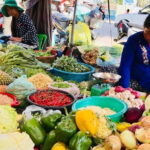
A market stop is part of the experience, and it’s one of those practical cultural moments that adds variety to a morning ride. You’ll get a chance to see how people trade, what’s on display, and how everyday buying works in the local setting.
Along the way, you’ll also get introduced to traditional Khmer flavors. The day includes tasting local pastry and cookies, which is an easy way to try something without committing to a full meal you’re not sure you’ll like.
I’d treat snack time like this: try one or two things you can identify, then keep moving. You’ll be cycling after, and you don’t want to feel heavy or overheated. If you have dietary needs, flag them when booking so the team can guide you toward options that fit.
Arthvear pagoda: a quieter spiritual break with stupas and statues
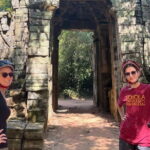
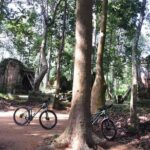
Mid-ride, you’ll reach Arthvear pagoda, described as a lesser-known ancient site with a 12th-century temple inside. This stop shifts the mood. The countryside ride is active and open-air; the pagoda feels calmer and more reflective.
You’ll see stupas and statues, and the setting is peaceful enough that you can slow down, look closely, and take photos without the frantic pace common at major tourist temples. Even if you’ve visited bigger Angkor-era sites, this one can feel different because it’s framed around quiet observation rather than constant foot traffic.
Bring your camera, but also give yourself a moment to just stand and absorb. The best temple photos often happen when you’re not rushing to shoot.
Passing older temples on the way back into town
After the countryside and pagoda break, you cycle back toward Siem Reap. Along the way, you’ll pass by a 12th-century temple as you return to town.
This part works as a gentle connection between “the big sights” and “what’s around them.” You get temple context without turning the day into a long walking marathon. It’s a useful way to balance culture and countryside in the same morning.
When you roll back, the route ends at the meeting point—the Angkor Cycling Tour office—so you can easily continue your day in town without needing a complicated transfer.
Safety on mixed roads: what to watch at busy crossroads
The ride is about mostly countryside roads, but the real-world detail is that you can still hit main crossroads where traffic doesn’t behave like it does back home. One past comment specifically mentioned that vehicles may ignore signals and intersections can feel like a free-for-all.
Here’s how you protect yourself:
- Keep a steady line and don’t drift when turning
- Watch your guide’s hand signals and pacing
- Don’t assume a traffic light controls everyone’s behavior
- Stay focused at intersections, even if the countryside before that was relaxed
The good news: you’re not doing this solo. The presence of an English-speaking guide and the provided helmet make the experience much more controlled than a DIY ride with no local road sense.
Still, if you’re nervous about traffic, mention it at orientation. A good guide will position the group and manage timing.
Value check: why $30 feels fair for a guided 25 km morning
At $30 per person for about 4 hours, this is priced like a serious activity, not a token city stroll. The value comes from what’s included:
- English-speaking tour guide
- TREK bike + helmet
- Pure drinking water and coconut water
- Admission ticket-free for the included temple/pagoda visit
- A route that covers real distance (about 25 km) and multiple stops
What you’re not paying for (and should plan for) is hotel transport—there’s no pick-up or drop-off. That’s the main trade-off versus a more “hands-off” day trip.
Another value factor is group size. With a maximum of 10 people, you get a ride that doesn’t feel crowded, and stops are more likely to be calm.
If you’ve been considering a bike rental plus separate admission and a guide, this bundles those pieces into a single morning plan.
Who should book this short ride, and who might skip it
This fits you well if:
- you want a morning activity that gets you out of the city
- you like learning through real-life village scenes
- you want countryside photos without a long trek
- you can comfortably pedal for a few hours on a provided bike
You might skip it if:
- you require hotel pick-up to make your schedule work
- you strongly prefer rides with almost no road interaction at all
- you’re expecting a full-day, temple-heavy route instead of countryside + a couple cultural stops
For many people, though, this is exactly the sweet spot: short enough to feel doable, interesting enough to feel like a genuine Siem Reap experience beyond the main circuit.
Should you book Short Cycling at Countryside?
Yes, if your goal is to see what life looks like outside the obvious sights. The combination of paddy-field seasonal color, animal sightings, a village farming focus, a market snack moment, and the peaceful Arthvear pagoda stop makes this a well-rounded morning.
Book it especially if you enjoy guides who can point out what matters and answer questions as you ride. If you’re cautious about traffic, go in with the right expectations: mostly quiet roads, but pay attention at intersections.
You’ll come away with more than photos—you’ll have a clearer picture of how Cambodia’s countryside supports daily life.
FAQ
What time does the cycling start?
The tour starts at 7:30 am.
Where do I meet for the tour?
You meet at the Angkor Cycling Tour office on Taphul Rd, Krong Siem Reap 17252, Cambodia.
How long is the ride?
The cycling experience is about 4 hours.
How far will we cycle?
The bike ride is about 25 km, mostly countryside roads.
Is a bike and helmet provided?
Yes. You get a TREK mountain bike and a helmet, along with safety gear.
What drinks are included?
You’ll receive pure drinking water and refreshing coconut water.
Is hotel pick-up and drop-off included?
No, hotel pick-up and drop-off are not included. You start and end back at the meeting point.
Is the tour suitable for most people?
The tour notes that most people can participate, and the route is described as mostly countryside roads.
What if I have dietary requirements?
You should advise dietary requirements at booking.
Can I cancel for a full refund?
Yes. You can cancel up to 24 hours in advance for a full refund, and cancellations within 24 hours won’t be refunded.
If you’d like, tell me your travel month and whether you’re comfortable with intersections. I can suggest what to prioritize—photos, pacing, or the best side of the day for the scenery.