REVIEW · UBUD
Kintamani Down Hill Cycling
Book on Viator →Operated by bali journey experience · Bookable on Viator
Downhill biking with cultural stops beats a simple tour. This Kintamani to Ubud ride mixes real village moments with big downhill energy, plus a school visit and a traditional compound stop along the way.
I especially like two things: the chance to see daily life up close at a local school, and how the ride stays family-friendly because it’s mostly downhill. You’re not just watching Ubud from a car window.
One possible drawback: the scheduled cultural stops can feel more like guided explanations than hands-on experiences, so if you want maximum time purely on the bike, plan for some classroom-style talking.
In This Review
- Key highlights to know before you go
- Why this downhill ride feels different in Ubud
- Getting from Ubud to the starting point (Bayung Gede)
- The first big cultural stop: a local school visit
- Why the traditional Balinese compound stop matters
- The downhill biking: rice paddies, villages, and a light effort
- Where the route is fun—and where you should manage expectations
- Lunch with a view: how the day ends well
- Comfort, timing, and how to prepare like a local
- Bikes, helmets, and the guide difference (Niko, Eka, and more)
- Price and value: what you really get for $33.60
- Who should book this tour
- Should you book Kintamani Down Hill Cycling from Ubud?
- FAQ
- How long is the Kintamani Down Hill Cycling experience?
- Where does the ride start and end?
- Do you get hotel pickup in Ubud?
- What’s included in the price?
- What’s not included?
- What fitness level do I need?
- Is it a small group?
- Do I get a ticket on my phone?
- What if I need to cancel?
Key highlights to know before you go
- Downhill-first route: the ride is built for momentum, not grinding pedals
- School + traditional compound stops: you learn about daily Balinese life, not just sights
- Iconic rice-field scenery in Ubud: the best views show up during the descent
- Lunch with a view: you end with a meal that feels like part of the trip
- Guide support and photo help: names like Niko and Eka come up for being patient and helpful
Why this downhill ride feels different in Ubud
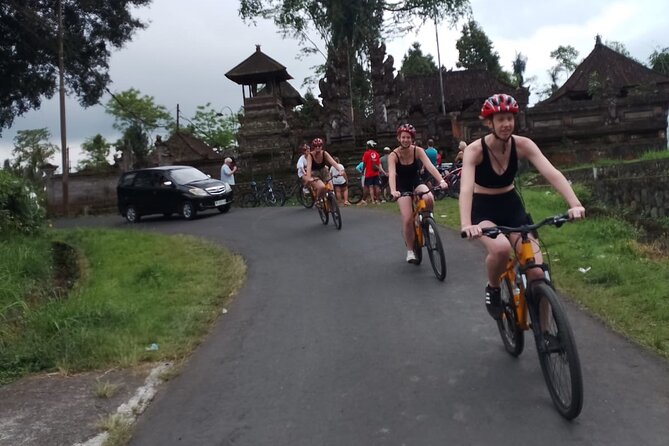
This isn’t a cycling tour that lives on scenic photos alone. You start with hotel pickup in the Ubud area and then head out for a downhill biking day that turns into a cultural route. The big idea is simple: you’ll ride through farms and rice paddies, but you’ll also step into everyday places like a school and a traditional Balinese compound.
What makes it work is the pacing. You get movement on the bike—then short, meaningful stops where the guide explains what you’re looking at and why it matters. It’s active travel with context, which is exactly the kind of day I like in Bali.
And price-wise, it’s hard to beat for what’s included: water, lunch, entrance fees, and a shuttle within the Ubud area are part of the package. At $33.60 per person for a roughly 6-hour outing, you’re paying less than many “transport-only” days in the region.
You can also read our reviews of more tours and experiences in Ubud.

Getting from Ubud to the starting point (Bayung Gede)
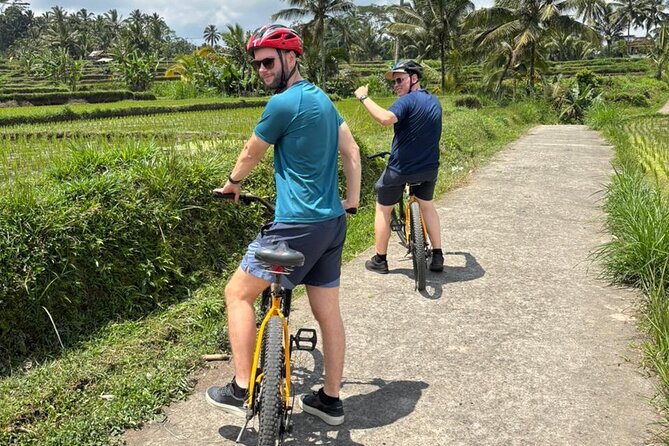
Most people do this as a morning plan. Pickup is offered from your hotel in the Ubud area, and that matters more than it sounds. Without the transfer stress, you can show up ready to ride, not ready to negotiate scooters, traffic, and timing.
The ride begins at Bayung Gede, Kintamani and you finish back at the meeting point. That loop is convenient because the day is structured: you don’t have to figure out how to get back once you’re tired (and you will be, even on a downhill ride).
One practical note: you’ll be spending a chunk of the day outdoors. Bring sunscreen, and if you’re sensitive to sun, a hat and sunglasses will do real work.
The first big cultural stop: a local school visit
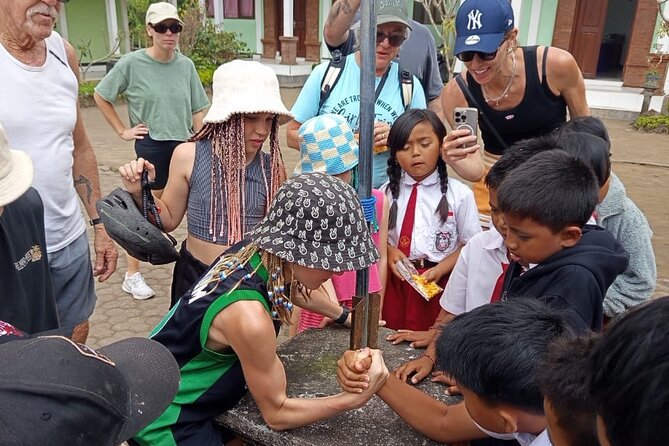
The tour starts its culture side early with a stop at a local school. This is the part that turns the day from sightseeing into real-life context.
Here’s what to expect: you’ll see kids in daily classes and learn how education looks in a Balinese village. It’s not a performance. You’re there to observe and understand daily rhythm—how children spend their day, and what school culture can feel like outside a resort bubble.
The benefit for you is perspective. After the initial biking excitement, this stop slows things down and helps you connect what you’re riding through (villages, farms, family life) with how people grow up there. It’s also a good reminder that “Bali” isn’t only temples and traffic jams.
Why the traditional Balinese compound stop matters
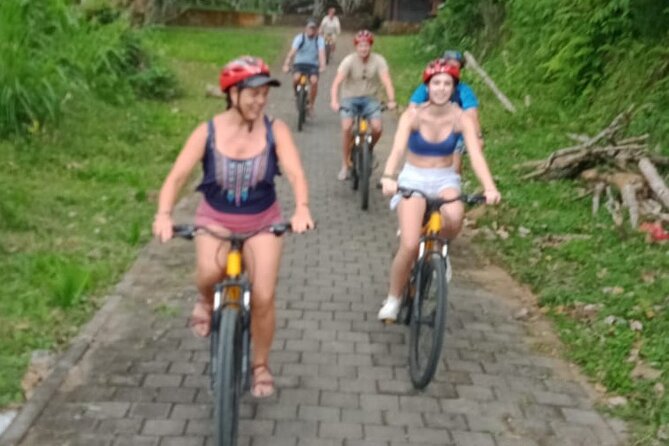
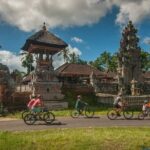
Next comes a visit to a traditional Balinese compound. This isn’t just a quick look at buildings. You’ll hear explanations about Balinese philosophy, architecture, and traditions—basically the logic behind how daily life is arranged.
What I like about this stop is that it gives you a framework. Once someone explains the thinking behind the compound layout, temples, and everyday customs, you start noticing details during the rest of your time in Bali. Even if you’re not a hardcore culture student, you’ll likely catch more on your future drives and temple visits.
The only consideration is time style. Some people want every second to be hands-on, but this part leans more toward explanation and observation. If you love learning, you’ll probably eat it up. If you’re strictly in ride-first mode, it may feel like a pause rather than a thrill.
The downhill biking: rice paddies, villages, and a light effort
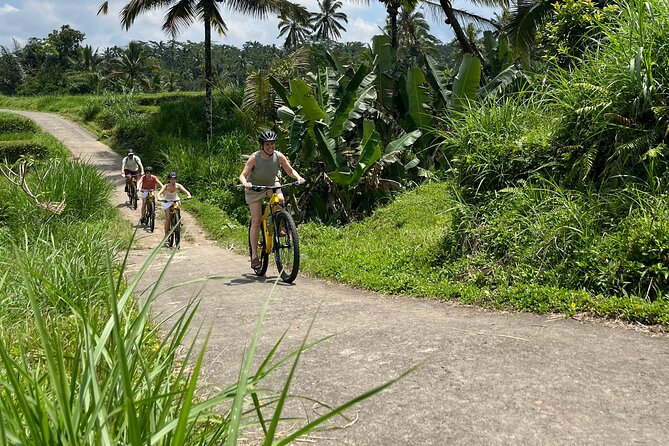
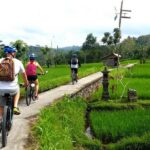
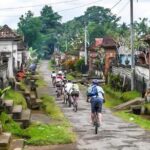
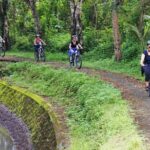
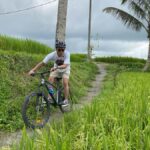
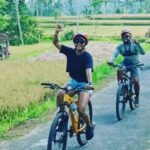
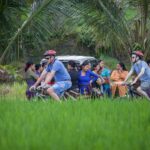
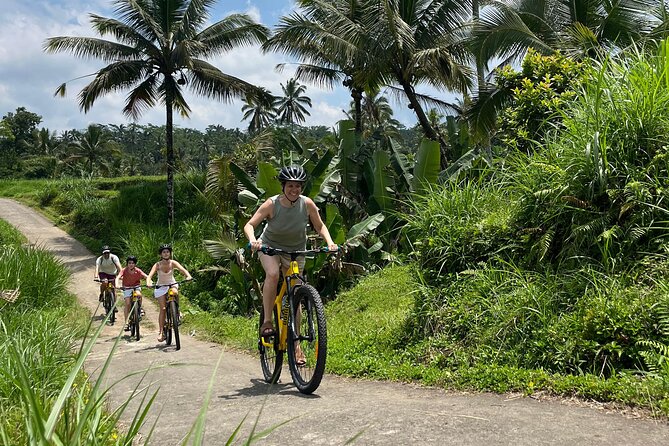
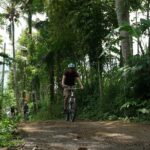
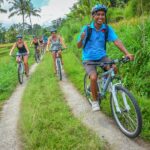
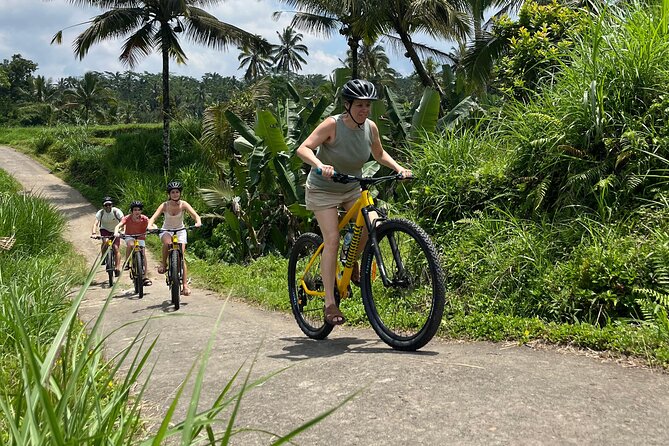
The heart of the day is the cycling itself. You ride through countryside—farms, forests, villages, and into the famous Ubud rice-field views. The route is planned so the descent does the heavy lifting.
This is one of the most praised aspects: because it’s downhill, the effort feels manageable for many people. Even riders who aren’t athletes tend to enjoy it because you’re moving with gravity and momentum instead of powering uphill climbs for hours.
You might notice a theme in how people describe the day: the ride is the star. Scenery changes often—village lanes, open paddies, and stretches that feel cooler as you get away from the busy parts of town.
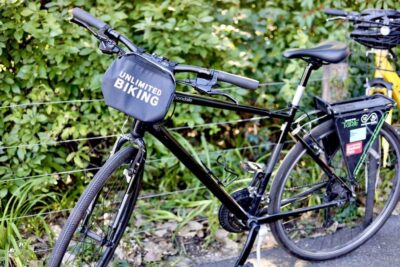
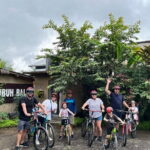
Also, you’ll be on modern gear. Several riders mention new bikes and helmets, which makes a big difference for comfort and confidence. A light bike and a fitted helmet help you focus on enjoying the ride instead of thinking about equipment.


Where the route is fun—and where you should manage expectations
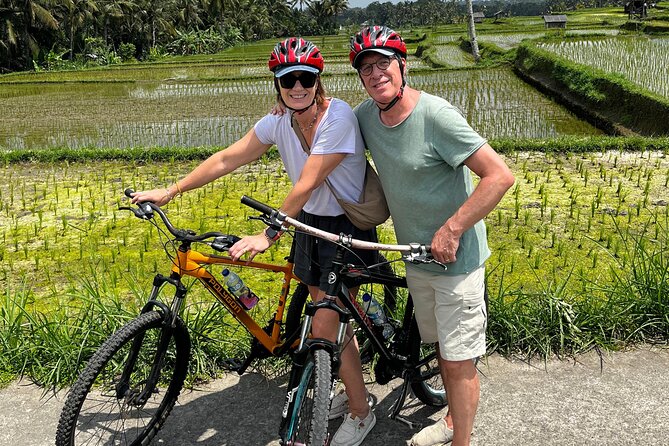
Here’s the honest balance: the ride itself tends to be the standout, while the stops along the way can feel hit-or-miss depending on your interests.
If you’re the type who loves learning little details—how Balinese life is structured, how compounds work, what a school day looks like—those stops will add meaning. If you’re chasing pure scenery time, the biking portion is where you’ll feel the payoff most strongly.
For a smooth day, I suggest this mindset: treat the cultural stops as brief context chapters. Then reset and focus on the next section of biking. That keeps the day from feeling dragged.
Lunch with a view: how the day ends well
After the cycling, you’ll reach the finish point and lunch is served. It’s not just food. The setup is described as having a great view, which makes it a satisfying wrap-up after time outside.
Lunch also gives you a natural decompression moment. You can refuel, share photos, and let your legs recover while the guide handles the transition back toward your hotel.
Diet details aren’t specified in the info provided, so if you have a serious dietary restriction, I’d ask when booking what’s typically served. That’s a small question that can prevent stress later.
Comfort, timing, and how to prepare like a local
This experience is listed for people with moderate physical fitness. That doesn’t mean you need to be a cyclist, but it does mean you should be comfortable riding a bike for a multi-hour morning or afternoon block outdoors.
To help you feel good during the day:
- Wear comfortable closed-toe shoes. (Road pedals + uneven surfaces are no fun in flip-flops.)
- Bring a light layer if you run cold in the shade.
- Use sunscreen early. You’ll likely start before the sun is fully gentle.
- If you’re bringing a phone for photos, keep it protected from dust and splashes.
Most of all, go into the day knowing it’s downhill but still active. You’ll steer, brake, and stay alert on village paths. It’s not a lazy ride, even if it feels easier than an uphill trek.
Bikes, helmets, and the guide difference (Niko, Eka, and more)
A lot of the praise centers on the guides and their support. Names like Niko and Eka come up as patient, knowledgeable, and helpful with photos. That matters because a good guide doesn’t just tell facts—they help you see what you’re looking at and keep the day running smoothly.
They also help with safety through gear and pacing. Helmets are mentioned, and brand-new bikes are brought up by riders, so you’re not wrestling with old equipment.
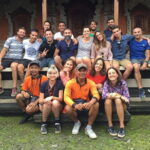
Group size is limited too, with a maximum of 30 travelers. That helps the day feel organized rather than chaotic, especially for transitions between biking and stops.
Price and value: what you really get for $33.60
Let’s talk value in real terms. At $33.60 per person (roughly a 6-hour experience), you’re not only paying for the bike ride. You’re also getting:
- Bottled water
- Lunch
- Entrance fees (for the stops)
- Shuttle coverage in the Ubud area
- Pickup offered from your hotel
When tours are priced low but still include things like lunch and entrance fees, you end up saving money compared to piecing it together on your own. Add the guide work—especially for understanding the school and compound stops—and the price starts looking even more reasonable.
There’s also group discount potential, which can make it a smart choice if you’re traveling with friends or family. And you’ll likely receive a mobile ticket, which makes day-of life easier.
Who should book this tour
This is a great match if you:
- Want a cycling day that doesn’t ignore culture
- Like the idea of downhill riding rather than intense training
- Enjoy short guided stops that add context
- Are traveling with family members who still want an active day
It’s less ideal if you:
- Want only biking time and zero cultural pauses
- Dislike explanation-heavy stops
- Have very specific needs that require clear info in advance (it’s best to ask before booking)
If you’re on a first Ubud trip, this can also be a strong “orientation” day. You’ll see how the island’s daily life connects to what you’ll later notice in temples and villages.
Should you book Kintamani Down Hill Cycling from Ubud?
If you want a balanced Ubud day with real village stops and a ride that doesn’t punish you, I’d book it. The combination of downhill biking, school and compound visits, and lunch included is the kind of value that’s hard to replicate with private transport.
Do it if your ideal Bali day includes: time on a bike, views over rice fields, and a guide helping you understand what you’re seeing. Skip it only if you’re craving a purely ride-only experience or if you’re uncomfortable with a moderate amount of biking time outdoors.
One last tip: ask what to expect in terms of how long you’ll spend at each stop so you can decide whether the balance matches your style.
FAQ
How long is the Kintamani Down Hill Cycling experience?
It runs about 6 hours (approx.).
Where does the ride start and end?
The start is Bayung Gede, Kintamani, Bangli Regency, Bali, Indonesia. The activity ends back at the meeting point.
Do you get hotel pickup in Ubud?
Yes. Pickup is offered, and shuttle coverage for the Ubud area is included.
What’s included in the price?
The package includes bottled water, lunch, entrance fees, and the shuttle in the Ubud area.
What’s not included?
Personal expenses are not included.
What fitness level do I need?
You should have a moderate physical fitness level.
Is it a small group?
Yes. The tour has a maximum of 30 travelers.
Do I get a ticket on my phone?
A mobile ticket is part of the experience.
What if I need to cancel?
You can cancel for free up to 24 hours in advance for a full refund. If you cancel less than 24 hours before the start time, the amount paid is not refunded.