REVIEW · UBUD
Ubud Wonderful Half Day Downhill Cycling Tour with Lunch
Book on Viator →Operated by Amara Bali Family Tour · Bookable on Viator
Downhill bikes make Bali feel personal. This Ubud half-day ride is mostly downhill through local lanes, with stops for tropical fruit tasting and a real Balinese lunch.
I especially like the small-group feel, capped at a tiny number so you’re not stuck in a parade. And I like that you get a practical start: bike setup for comfort, plus lunch that covers different eating styles, including vegan and vegetarian.
One thing to consider: it’s easy, but it’s not zero-work. There can be a few brief uphills, so bring a calm mindset and good shoes.
In This Review
- Key things to know before you pedal in Ubud
- Downhill cycling in Ubud: what makes it feel easy
- Meeting Kadek at Balai Desa Pekraman Pukuh: bikes, helmets, calm starts
- Tasting the plantation: Balinese uses of flora and fruit you may never spot again
- Manukaya’s small-road ride: villages, rice fields, and wave-at-you moments
- Banjar Laplapan lunch break: Balinese dishes plus vegan and sweet endings
- Price and value for a $45 half-day with pickup and lunch
- Hotel pickup and 8:00am timing: making your Ubud day feel easy
- Should you book this Ubud downhill cycling tour with lunch?
- FAQ
- How long is the cycling tour?
- Is hotel pickup included?
- What time does the tour start?
- How many people are in the group?
- Is lunch included, and are there dietary options?
- Can I cancel for a full refund?
Key things to know before you pedal in Ubud
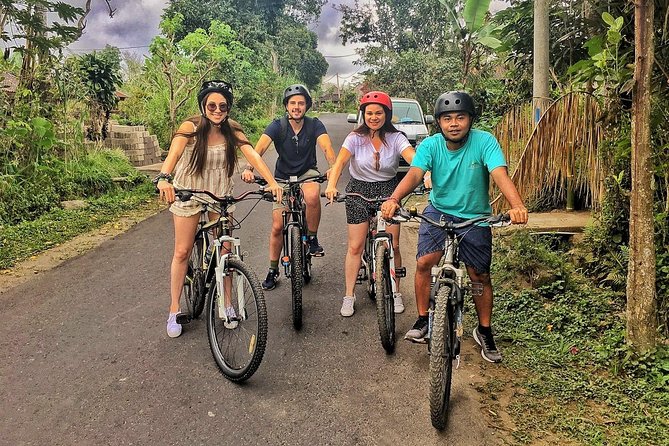
- Mostly downhill routing on small village roads, with only short pushes uphill
- Small group size (capped at 10, with a maximum of 15) for a more personal feel
- Stops beyond biking: a traditional Balinese plantation and time in local village areas
- Balinese lunch included with options for veg, vegan, and meat lovers
- Hydration and extras included: water while you cycle, plus drinks and dessert
- Hotel pickup and drop-off in the Ubud area, so you don’t waste time self-driving
Downhill cycling in Ubud: what makes it feel easy
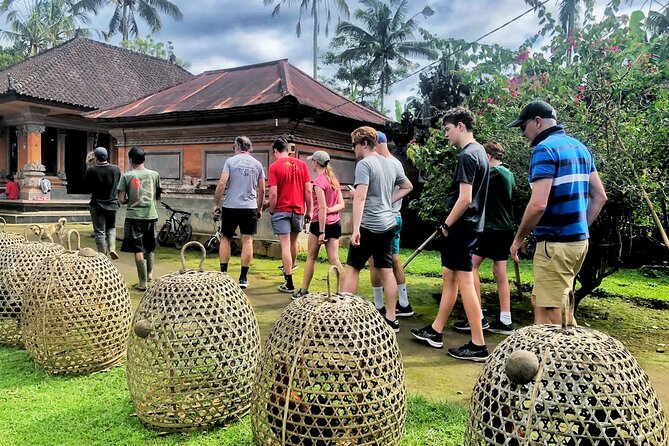
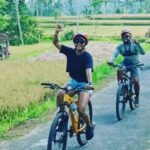
Ubud is famous for its sights, but this tour puts you on the roads people actually use. The cycling is described as easy and downhill most of the way, which matters because Bali traffic is a real thing. Here, you’re steering clear of the heavy-road stress and trading it for quiet lanes, houses you can see up close, and kids who notice you (in a good way).
The “mostly downhill” part is key. It means you still feel like you’re participating, not just being dragged along on a bike tour bus. You’ll still pedal at moments, but the route is designed so you can move at a comfortable pace. I like tours that respect your energy, and this one seems built for that.
That said, don’t plan for a totally effortless ride. The route can include brief uphills, and the stop-and-start nature of cycling tours means you’ll have to pay attention in the moments where the road turns upward. If you’re the type who hates any hill at all, this may not be your best match. If you’re okay with small effort for big views and cultural stops, it’s a smart way to spend half a day.
Also, the tour’s “rural island” vibe is real. You’re not only seeing greenery from a distance. You’re watching daily life: homes, village roads, and that slower rhythm that’s hard to find when you’re only bouncing between temples and cafés.
You can also read our reviews of more tours and experiences in Ubud.

Meeting Kadek at Balai Desa Pekraman Pukuh: bikes, helmets, calm starts
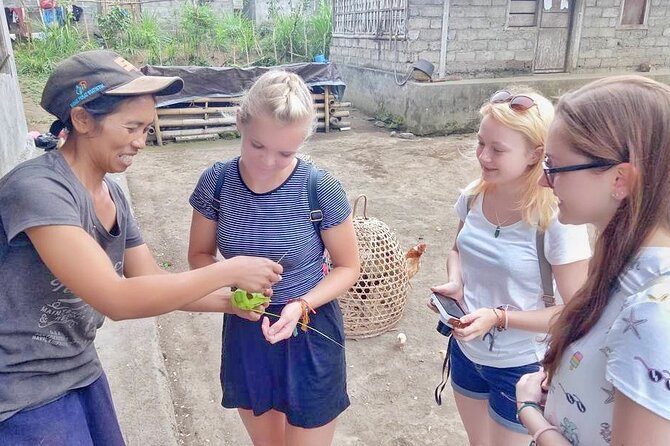
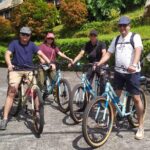
Your day starts at Balai Desa Pekraman Pukuh, where the vibe is practical from minute one. You pick a bicycle, then you get help making it comfortable for you before you roll out. That matters more than people think. A good fit changes everything: it makes the downhill easier to control and keeps your hands and legs from getting cranky halfway through.
From there, the guide sets expectations. You get an explanation about cycling on this kind of route, and you’ll have the basics covered like a helmet and rain protection if required. The “if required” wording is important because it suggests you’re not guessing about gear yourself. You’re prepared if weather flips.
In the reviews, guide Kadek (Amara Bali Family Tour) stands out for communication. People report that he connects ahead of time via WhatsApp to coordinate pickup and even lunch timing preferences. That’s a big deal when you’re traveling with kids or you just want fewer question marks in the morning.
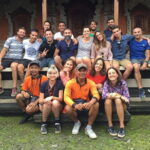
The small-group size also changes how the start feels. With a max of 15 (and often capped at 10), you’re not shouting across a crowd. You can actually hear the guide, ask quick questions, and get your bike sorted without feeling rushed.
One more “grown-up travel” detail: this isn’t a tour where you scramble for snacks or forget water. You’ll have water while you cycle, which keeps the whole ride from turning into a dehydration test.
Tasting the plantation: Balinese uses of flora and fruit you may never spot again
One of the best reasons to book a cycling tour like this is that it forces a pace that walking tours often can’t match. You get movement, and then you get real stops. The first meaningful stop is at a Balinese plantation, where you learn about traditional and present-day uses of local plants.
You’re not just looking at greenery. You’re being taught how flora fits into everyday life. The tour includes tropical fruit sampling, including fruits you might never see on a menu back home. That’s the kind of souvenir that actually stays with you: taste memory plus a little story about why these plants matter here.
This stop is also a good mental reset. Half-day tours can feel like a blur, but plant tastings are naturally paced. You get time to observe, smell, and ask questions without the pressure of a tight schedule.
What’s the drawback? Plantation visits aren’t everyone’s thing. If you’re only interested in temples and architecture, you may find this stop less visually dramatic. But if you enjoy hands-on learning—especially about food and everyday resources—it’s one of the most worthwhile parts of the day.
Also, consider what you’re eating later. Fruit tastings are included, so you might not feel empty by lunch yet. That’s not bad. It just means you should pace yourself at the tasting so you can still enjoy the Balinese lunch break in Banjar Laplapan.
Manukaya’s small-road ride: villages, rice fields, and wave-at-you moments
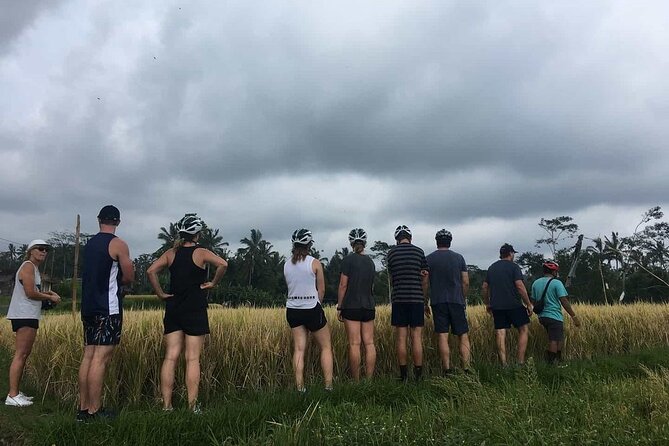
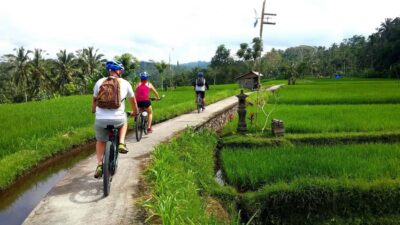
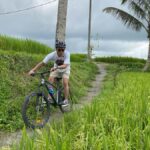
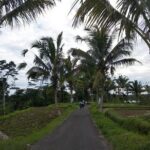
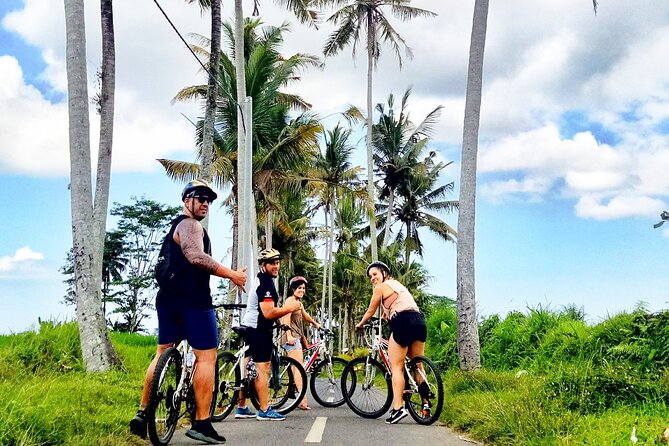
After the plantation, the cycling focuses on Manukaya, where the ride runs mainly along small village roads and is described as almost entirely downhill. This is where the tour earns its “different side of Bali” promise.
You’ll enjoy rural scenery at a human level. Instead of seeing fields from a viewpoint, you pass by homes and lanes used by locals. The tour aims to show Bali without the hassle of crowds, and that shows in the tone: fewer big group interruptions, more quiet time moving through ordinary life.
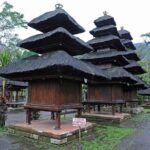
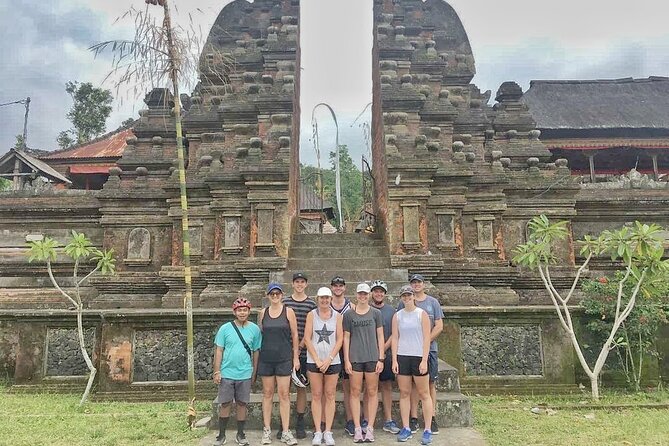
You’ll also see pieces of the broader rural setting, including rice field areas and additional cultural stops along the way. The overview specifically mentions time at a traditional Balinese plantation, a local home, rice fields, and a temple as part of the experience. The cycling is the thread that links those moments together.
One small but important practical note: downhill cycling in Bali sounds effortless, but steering on narrower roads takes focus. The guide will keep things organized, but you still need to watch the surface and turns. If you’re carrying a camera, hold it close when you roll past narrow points. You want photos, not bruises.
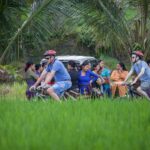
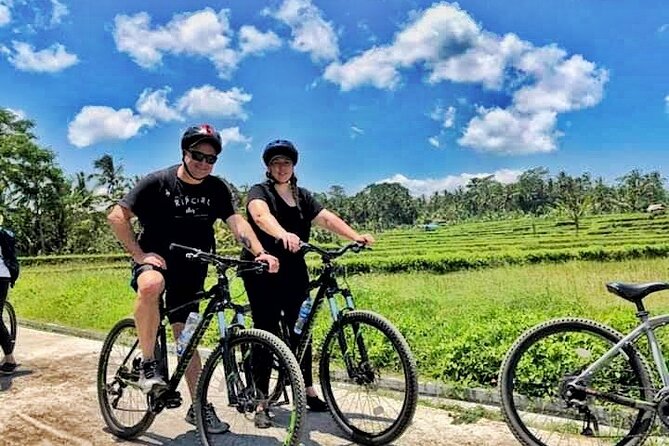
This is also a good ride for families. In one family’s account, it worked well even with teens who aren’t athletic gym-rats. The route felt “gentle downhill” with only some uphill moments, and the kids got plenty of visual interest—homes, children waving, and village life up close. That’s the kind of travel win that doesn’t require fancy hiking boots.
Banjar Laplapan lunch break: Balinese dishes plus vegan and sweet endings
Lunch happens in Banjar Laplapan, and it’s one of the biggest reasons this tour is such good value. The tour includes Balinese food, mineral water, and dessert—either ice cream or Balinese fruits.
What I like here is the explicit attention to different diets. The tour includes options for vegan, vegetarian, and meat lovers. That’s not just a checkbox. It means you can enjoy the meal without spending lunch time hunting for alternatives or bargaining with a plan that doesn’t fit your group.
There’s also a useful flexibility element reported in the experience: you can coordinate whether you eat lunch before or after the ride. If you’re traveling with kids (or you just prefer to avoid feeling too full while cycling), that makes a difference. It helps you shape the day around how your body works, not the other way around.
Time at lunch is around an hour, which is a sweet spot. Long enough to actually eat and relax. Not so long that you lose the momentum that makes biking fun. After lunch, you’re ready for the ride wrap-up without feeling dragged into an all-day event.
A small practical tip: because fruit tastings happen earlier, you might want to go easy at the plantation so you can still enjoy lunch desserts. And if you’re sensitive to spicy food, eat slowly and ask about what’s milder. Balinese meals can be flavorful and sometimes spicy, but having options makes it easier to choose comfortably.


Price and value for a $45 half-day with pickup and lunch
At $45 per person, this tour is priced like a serious “you get more than a bike” deal. Yes, you’re paying for the ride. But the value is really in the bundle: 2-way transfers from hotels in the Ubud area, bike time with a guide, helmet, water while cycling, drinks and fruit tastings, and a proper Balinese lunch with dessert.
If you had to recreate this yourself, it would cost time and money. You’d need transport, a guide, and a meal plan. That’s the hidden cost people forget. Here, the schedule is assembled so you don’t have to manage three different parts of the day.
There’s also the small-group factor. With numbers capped at 10 (and up to 15), you’re more likely to get real attention and smoother pacing. That’s worth money to me because it reduces the little frustrations: waiting, crowding, and feeling like part of a system instead of part of a day.
Timing also matters. With a start time of 8:00am and about 5 hours 30 minutes total, you should finish early enough to keep your afternoon open. That’s ideal in Ubud, where you can easily fill the rest of the day with a temple visit, a massage, or a slower stroll through cafés.
Hotel pickup and 8:00am timing: making your Ubud day feel easy
One of the most underrated comforts in Ubud is avoiding the “where do we park” problem. This tour includes pickup offered and 2-way transfers from hotels in the Ubud area, so you don’t need to self-drive.
The day starts at 8:00am, which is smart. Mornings are often calmer, and you tend to get better energy for the ride. If you’re traveling with kids or you’re trying to beat fatigue, an early start is usually the ticket.
Because you’re not driving yourself, you can also plan simpler. You can eat a light breakfast, then let the tour handle the rest. And since lunch preferences can be coordinated, you’re less locked into one rigid schedule that might not fit your group.
You also get a mobile ticket, which is the kind of small convenience that keeps your morning calm. Less paperwork, fewer surprises.
If you want the rest of your day to flow, keep it flexible after the ride. Since this is a half-day experience, you’re well-positioned to add something low-key: a café stop, a market browse, or a temple visit depending on your energy. Cycling down village lanes is a very specific kind of Bali experience, so plan to do something different afterward rather than stacking too many similar activities back-to-back.
Should you book this Ubud downhill cycling tour with lunch?
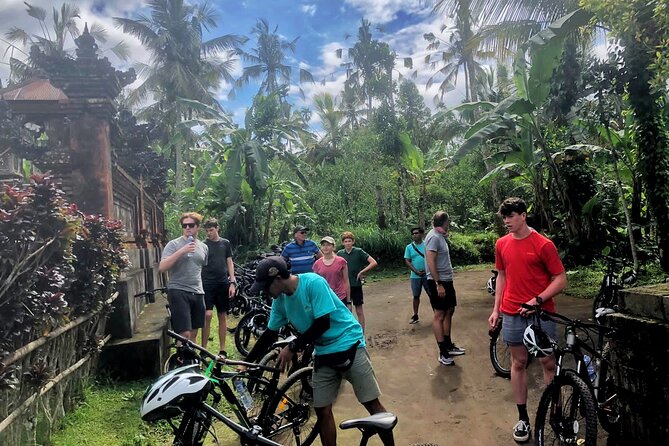
I’d book it if you want Ubud without stress. This is a practical, people-first ride: small group size, hotel pickup, mostly downhill biking, and a lunch that actually covers different diets. It’s also a strong choice if you’d like to see rural Bali in motion—villages, rice areas, and cultural stops—without spending your day in traffic.
Don’t book it if you’re chasing a purely adrenaline downhill thrill or if you need a ride with absolutely no uphill moments. Also, if plantation fruit tastings and plant learning are a hard no for you, you might not love every stop.
If you’re on the fence, here’s the simple test: if a relaxed, early-morning cycle with cultural stops and a sit-down lunch sounds like your kind of Bali day, this one fits well.
FAQ
How long is the cycling tour?
The tour lasts about 5 hours 30 minutes.
Is hotel pickup included?
Yes. The tour offers 2-way transfers from hotels in the Ubud area, and pickup is offered.
What time does the tour start?
The start time is 8:00am.
How many people are in the group?
The tour is capped at just 10 travelers for an intimate experience, and it notes a maximum of 15 travelers.
Is lunch included, and are there dietary options?
Yes. Lunch is included at Banjar Laplapan, with options for vegan, vegetarian, and meat lovers. Dessert is also included.
Can I cancel for a full refund?
Yes. You can cancel up to 24 hours in advance for a full refund, and the tour notes it may be canceled if a minimum number of travelers isn’t met, with an option for a different date/experience or a full refund.