REVIEW · UBUD
Electric bicycle tour in Jatiluwih UNESCO site
Book on Viator →Operated by Green Bikes Bali · Bookable on Viator
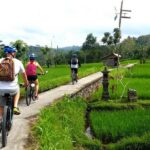
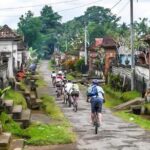
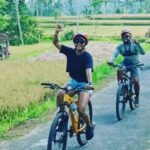
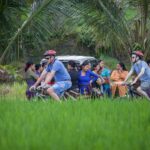
Rice terraces look better from a bike. This small-group e-bike ride gets you cruising UNESCO-listed Jatiluwih views without the stress of a crowded bus, and it finishes with a complimentary countryside lunch. I like that the tour blends scenery with culture, and you’re not just stopping at one viewpoint.
The one thing to consider is that you’ll still need solid basic balance on a regular bike. The electric assist helps, and staff help you get comfortable first, but the minimum height is also listed (140/150 cm), so it’s not a perfect fit for everyone.
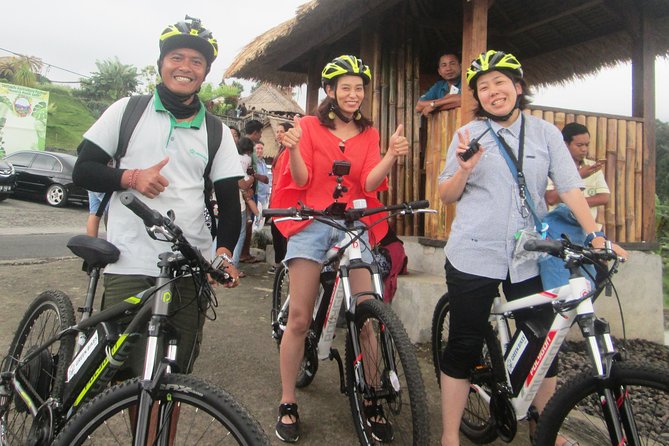
Expect door-to-door pickup from within 30 miles (45 km) of Batukaru Temple, a small cap of 12 people, and local guides who actually know these roads. In particular, I noticed guides like Wayam and Wayang getting praised for clear explanations and keeping the ride fun, even when weather changes.
In This Review
- Key points I’d plan around
- Starting at Batukaru Temple: the quiet roads to Jatiluwih
- E-Bike setup and the assist: how easy it really is
- The valley of four extinct volcanoes: what the scenery is really about
- Bamboo forest, jungle edges, and water sounds along the route
- Temples, villages, and farming life: culture without the bus crowd
- Lunch in the countryside: traditional nasi campur and a calm reset
- Guides and pace: fun, patience, and stops that make sense
- Price and value: is $75 a fair deal for 5 hours?
- What to bring: clothes, shoes, sun, and rain-ready common sense
- Who this tour is best for (and who should skip it)
- Should you book this Jatiluwih e-bike tour?
- FAQ
- How long is the Electric bicycle tour in Jatiluwih?
- How much does the tour cost?
- Where does the tour start?
- Is hotel pickup and drop-off included?
- What’s included in the price besides the e-bike?
- Is lunch included, and what do you get?
- Do you need prior experience riding a bicycle?
- What is the minimum height requirement?
- How many people are in a group?
- Are alcoholic drinks included?
- What is the cancellation policy?
Key points I’d plan around
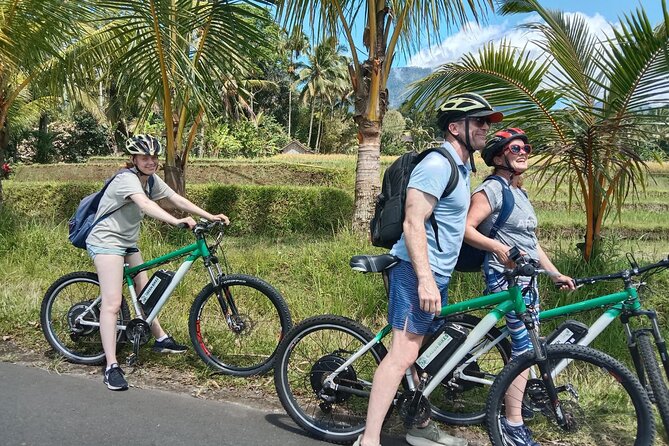
- UNESCO Jatiluwih rice terraces plus temples, villages, forest edges, and working farmland
- Electric mountain bikes that make hills manageable, even if you ride only occasionally
- Local guides (including Wayam and Wayang) who explain how rice is grown
- Complimentary nasi campur lunch at a rural restaurant with water plus coffee or tea
- Small-group limit of 12, with an e-bike setup and helmet for everyone
Starting at Batukaru Temple: the quiet roads to Jatiluwih
The ride begins at Batukaru Temple, then you head out over small, calmer roads toward Jatiluwih. That first stretch matters, because it’s where you settle into the pace. Instead of feeling like you’re “touring,” you’re moving through real countryside.
From the start, the route is designed to feel gradual. You’re not just chasing famous photo spots; you’re cycling through the valley area where the UNESCO rice scenery shows up again and again. And because you’re starting near Batukaru, you’re also avoiding the feeling of being dropped into the middle of traffic.
If you’re the type who likes stopping for pictures but doesn’t want to lose the whole day waiting around, this format fits well. The whole experience runs about 5 hours total, so there’s time for viewpoints and lunch without dragging.
You can also read our reviews of more tours and experiences in Ubud.
E-Bike setup and the assist: how easy it really is
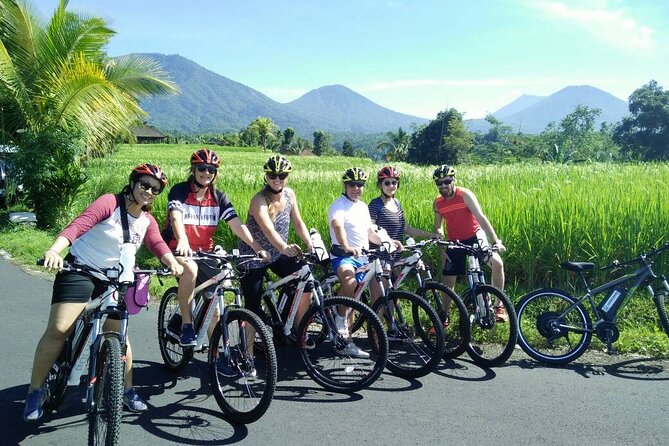
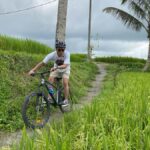
You’ll be on electric mountain bikes, and that matters in Bali because the routes have real ups and downs. The electric assist doesn’t mean you’re on autopilot, though. The tour notes and the feedback both point to one basic requirement: you need to know how to ride a bike.
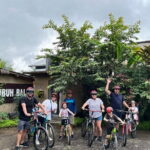
The operator includes an e-bike comfort period before you roll for the full ride, plus helmets for everyone. So if you can ride a bicycle at home, you’ll probably feel fine here. If you’re brand-new to biking, you might find it harder to relax and steer, even with assistance.
I also like that the ride is built around “easy-to-use” e-bikes rather than pretending it’s a casual stroll. You’re still cycling, just with help where you need it. That’s the sweet spot for most people: you get movement, not fatigue.
The valley of four extinct volcanoes: what the scenery is really about
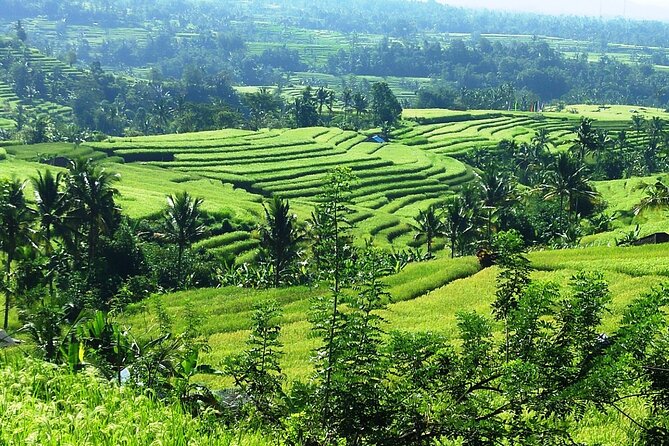
Jatiluwih sits in an area tied to a dramatic volcanic landscape. The tour route goes through the valley of 4 extinct volcanoes, which helps explain why the terraces look like they do—layered, carved, and spread across slopes where water management is crucial.
This is one reason I’d choose this kind of tour over a quick stop. When you’re cycling, you notice how the rice fields step across the hills and how the farm plots connect with villages and forest edges. It’s not just a view; it’s a working system you pass through.
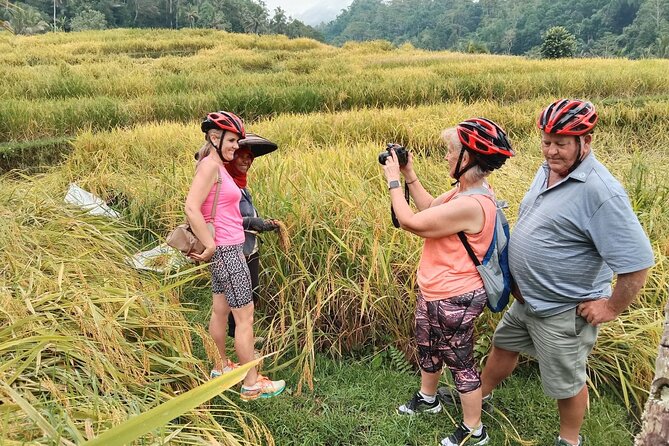
You’ll see farmers tending crops using traditional practices. That detail changes the way you see the terraces. They aren’t staged sets. They’re fields that support real livelihoods, and the tour guides are there to connect what you’re seeing to how rice farming works.
And yes, you’ll stop along the way for photos, but the point is the slow, steady “arrive by cycling” feeling. It’s a better match for people who like understanding what they’re looking at.
Bamboo forest, jungle edges, and water sounds along the route
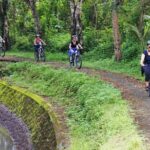
Between Batukaru and Jatiluwih, you cycle through varied natural surroundings. One section gets singled out in the tour description: a giant bamboo forest, with lush jungle and a feel that you’ve left the island’s hustle behind.
You’ll also pass small rivers and streams. Even if you don’t hear them clearly all the time, you can expect that “cooling” effect that water and shade create on the trail. It’s part of why an e-bike ride works so well here: the motor helps you keep moving, and the scenery keeps changing as you go.
Weather can play a role. One guide-led experience was praised despite rain for still delivering amazing views. That’s a realistic expectation: Bali can be wet, and this is the kind of route where you’ll still get the core sights, just with slicker conditions.
If you’re going, it’s smart to wear shoes with good grip and clothing that can handle warm humidity. The tour also advises sunblock, because even when the route is shaded, the terraces can open up to strong light.
Temples, villages, and farming life: culture without the bus crowd
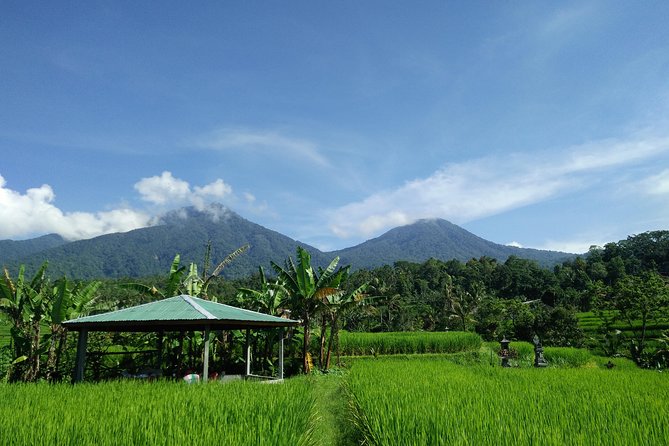
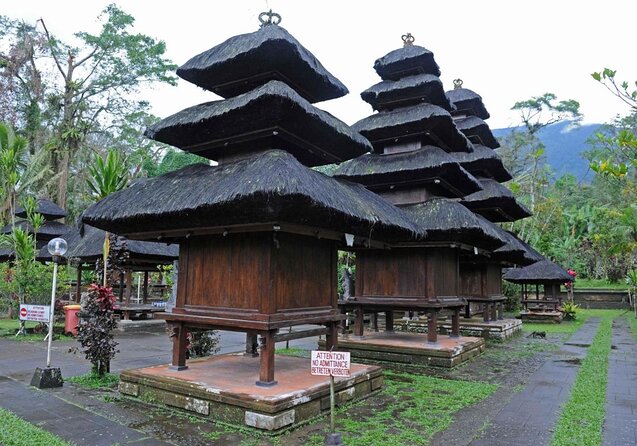
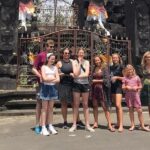
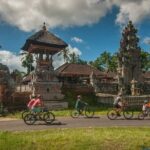
This isn’t only a nature ride. You’ll also discover temples, rice fields, forests, and villages along the way. That mix is valuable because Jatiluwih isn’t just scenery you look at from one angle. You’re passing through a living area where culture and agriculture are linked.
The guides are local to the region, and that shows in how the experience is explained. Named guide mentions like Wayam and Wayang come up in feedback for helping people understand rice cultivation and for being attentive—like stopping for the exact picture you want.
For me, the best cultural tours don’t feel like lectures. This one works because the stories land when you’re already looking at what the guide is describing: the terrace structure, the working farms, and the village-side rhythms you pass by.
If you want Bali that feels real and not just a checklist, this approach delivers. You get context while still doing something active.

Lunch in the countryside: traditional nasi campur and a calm reset
The ride ends with a complimentary lunch at a rural restaurant surrounded by nature. The meal is traditional Balinese nasi campur, and it’s included, along with water and coffee or tea.
I like that the lunch is part of the tour value, not a vague suggestion to grab food later. After several hours riding, you don’t want to hunt for a menu with limited time and limited energy. Here, you sit down, eat something local, and get back your legs for the ride back.
Nasi campur is a good choice for mixed appetites because it tends to include a variety of items in one plate. The tour notes specify water plus coffee or tea, which is helpful if you’re trying to budget your day.
One small heads-up: alcoholic drinks are not included, though they’re available to purchase. So if you’re planning on beer or wine with lunch, treat it as an extra cost.
Guides and pace: fun, patience, and stops that make sense
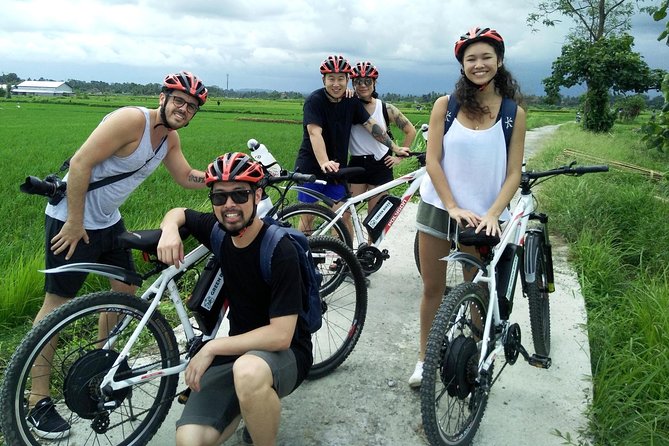
One of the most praised elements is how the guides manage the ride. In feedback, guides were described as cheerful, humorous, and attentive—plus knowledgeable about what’s happening in the fields.
That’s more than just personality. Good guiding changes what you notice. Instead of riding past rice terraces thinking, That’s pretty, you start noticing details like how farmers are working, and what the guide connects to farming traditions.
Pacing also matters. The tour format is built as a 5-hour experience with an end-point lunch, so the stops feel purposeful rather than constant. If you want pictures, you’ll likely be able to pause when needed, but you won’t feel like the ride turns into a slow-motion traffic jam.
The group size cap (12) helps here too. Smaller groups usually mean fewer long wait times and less pressure to keep up with people who aren’t comfortable cycling.
Price and value: is $75 a fair deal for 5 hours?
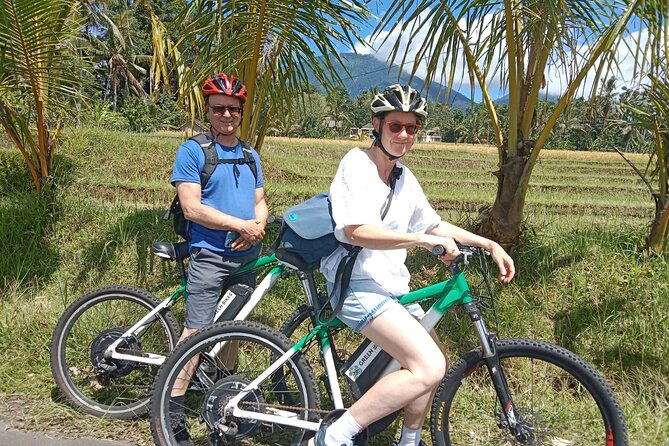
At $75 per person for about 5 hours, this is priced in the middle of what you might expect for a guided e-bike day trip in Bali—especially one that includes door-to-door pickup within a defined area and a real included lunch.
What makes the price feel fair is the bundle:
- e-bike use and helmet
- bottled water
- lunch with coffee/tea
- local guide
- hotel pickup/drop-off
- insurance
You also get the advantage of a smaller group cap and a focused route. If you try to DIY a similar route, you’d still spend money on transport, bike rental, and likely a guide if you want the cultural context.
One practical note: the tour is often booked about 17 days in advance on average. If you have fixed dates during peak periods, booking earlier helps.
Overall, I’d call it good value if you want a guided, lower-effort way to see the UNESCO terraces and you plan to actually use the included lunch and pickup.
What to bring: clothes, shoes, sun, and rain-ready common sense
The tour advises comfortable clothes, comfortable shoes, and sunblock. I’d treat those as essentials, not suggestions. Bali sun can be intense, and even if your route has shade, the terraces can expose you to open light.
Shoes matter more than you might think on an e-bike route with streams and possible wet patches. Choose something that grips. Avoid loose flip-flops.
If rain hits, don’t panic—just be ready. One experience in the feedback praised the tour even when it rained for most of the ride, which signals the route still works as a sightseeing day. Still, rain makes surfaces slick. Dress for warmth and moisture, and consider bringing a small towel or dry layer if you get damp easily.
Also remember the minimum height requirement is listed as 140/150 cm. If you’re traveling with kids or a shorter teen, check before you book.
Who this tour is best for (and who should skip it)
This e-bike ride is ideal if you:
- want the Jatiluwih UNESCO experience but don’t want the effort of a long, physical bike day
- like countryside travel with culture mixed in (temples, villages, and how rice farming works)
- prefer a small group (up to 12) and a guide who can explain what you’re seeing
- value included basics like lunch and safety gear
You might want to look elsewhere if you:
- don’t feel confident riding a bicycle yet
- need a fully car-free route with no uneven paths (the tour is still outdoors and rural)
- don’t meet the listed height requirement
Should you book this Jatiluwih e-bike tour?
If you’re aiming for an easy-to-manage way to see UNESCO rice terraces up close, I think this is a smart pick. The e-bike format helps you move through the countryside without feeling crushed by hills, and the included lunch means the day has a natural finish.
Book it if you want local guiding with names like Wayam or Wayang in your head when you read the plan: people praised for explaining rice and keeping the mood light. Skip it if you’re uncomfortable on a regular bike, because the electric help won’t replace the basics of steering and balance.
Overall: for $75, with pickup, a small group, and a meal built in, it’s one of the more practical ways to do Jatiluwih without turning it into a logistics headache.
FAQ
How long is the Electric bicycle tour in Jatiluwih?
The tour runs about 5 hours.
How much does the tour cost?
It costs $75.00 per person.
Where does the tour start?
The cycling route starts from Batukaru Temple.
Is hotel pickup and drop-off included?
Yes. Hotel pickup and drop-off are included, and the tour offers no-hassle transfers from within 30 miles (45 kilometers) of Batukaru Temple.
What’s included in the price besides the e-bike?
The tour includes bottled water, a traditional Balinese nasi campur lunch (with water and coffee/tea), a local guide, helmet use, and insurance.
Is lunch included, and what do you get?
Lunch is included. You’ll have traditional Balinese nasi campur, plus water and coffee or tea.
Do you need prior experience riding a bicycle?
The tour is designed for most travelers, and there’s guidance to help you get comfortable with the electric bike before you start. You still need basic bike handling skills.
What is the minimum height requirement?
The minimum height is listed as 140/150 cm.
How many people are in a group?
The tour has a maximum group size of 12 travelers.
Are alcoholic drinks included?
Alcoholic drinks are not included, but they are available to purchase.
What is the cancellation policy?
You can cancel for a full refund up to 24 hours before the experience’s start time. If you cancel less than 24 hours before, you don’t get a refund.