Cycling through Shibuya feels like changing channels. I love the small-group pace and the chance to see Shibuya backstreets without wrestling with navigation. The tradeoff: you should feel confident riding in tight, busy areas and following Japanese traffic rules.
This tour is led by Taichi, an avid cyclist who guides the route and handles the tricky parts so you can focus on the streets and the sights. You pedal at around 15 km/h, and you’ll cover more ground than walking while still getting stops for photo moments and questions.
For most people, that’s the sweet spot: big-name Shibuya highlights plus calmer residential and park stretches, all in about three hours. If you want zero-bike riding skills or you dislike sharing space on roads, you may find this a stretch.
In This Review
- Quick takeaways
- Why pedal through Shibuya instead of fighting the crowds
- Price and time: a 3-hour hit of Tokyo value
- Meeting near Yoyogi and Shinjuku: less hassle, more riding
- Taichi at the front: how the guide makes the ride feel safe
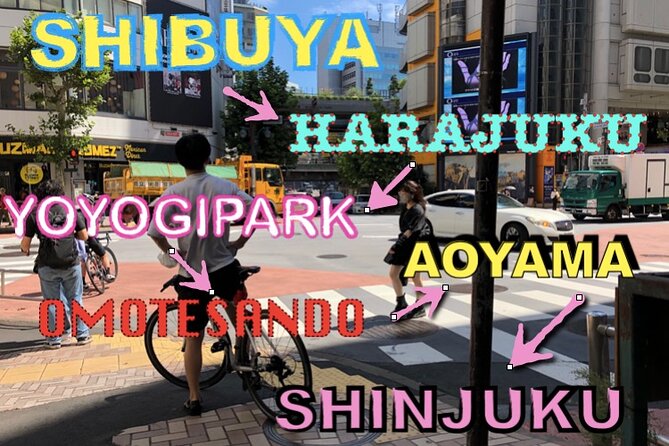
- The route you’ll actually ride: Yoyogi Park, then Shibuya icons
- Cat Street and Aoyama Street: side lanes that feel like daily Tokyo
- Aoyama Cemetery and Japan National Stadium: a breather with a view
- Pace, distance, and what you should expect to feel
- Bikes and traffic rules: the real deal for cyclists in Japan
- What makes this Tokyo bike tour different from a simple sightseeing loop
- How to use this tour for the rest of your Tokyo week
- Who should book this Tokyo Bike Tour
- Should you book Tokyo Bike Tour: Shibuya and Hidden Tokyo?
- FAQ
- How long is the Tokyo bike tour?
- How much does the tour cost?
- Where is the meeting point?
- What are the key stops on the route?
- How many people are on the tour?
- What cycling level do I need?
- Is there an age limit?
- Are there height and weight limits for the bike?
- What happens if it rains?
- Can I cancel for a full refund?
Quick takeaways
- Taichi guides the route, so you don’t have to navigate Shibuya yourself
- Small group (max 6) keeps the ride relaxed and manageable
- Real Shibuya icons and local streets in one 3-hour loop
- Parks and quieter stops like Yoyogi Park and Aoyama Cemetery balance the busy areas
- You ride a manual (non-electric) bike at a steady pace (~15 km/h)
- You get tips to keep exploring after the tour ends
Why pedal through Shibuya instead of fighting the crowds
Shibuya can feel loud, fast, and visually overloaded. A bike tour turns that chaos into motion you can handle, with the guide acting like your traffic-proof navigator.
I like that the experience is built around two things: top sights and the streets around them. You’re not just parked at landmarks—you’re moving through neighborhoods at a pace where you notice details like street rhythms, side lanes, and how people actually get around.
One more plus: you don’t have to guess how to cross or where to place yourself. The tour includes clear guidance and an emphasis on staying safe and predictable in traffic.
You can also read our reviews of more tours and experiences in Tokyo.
Price and time: a 3-hour hit of Tokyo value
At $64.73 per person for about 3 hours, the value depends on what you want from your Tokyo day. If you plan to see Shibuya plus nearby areas anyway, bike time can replace multiple transit hops and save daylight.
You also get the kind of structure that usually costs extra in Tokyo: a route planned for cycling, frequent stops, and a guide who can answer questions on the fly. Since the tour has a maximum of 6 travelers, you’re more likely to get attention and direction than on a larger group ride.
Weather matters too. The tour proceeds in light rain, but it can be canceled if conditions change quickly. In practice, that means you should pack for sudden drizzle and be ready to roll.
Meeting near Yoyogi and Shinjuku: less hassle, more riding
Convenience is a big deal in Tokyo, and this tour is set up to make joining easy. The starting point is at Urayamichi Park (Uyamaymichi Park), 5-chōme-24-11 Sendagaya, Shibuya, and it’s described as about a 10-minute walk from Shinjuku Station and roughly 1 minute from Yoyogi Station.
That proximity changes how you plan your day. You can pair this with morning sightseeing in Shinjuku or Harajuku and still get back quickly without complicated routing.
The tour ends back at the meeting point, which keeps your finish simple. No scavenger hunt for your bike exit, just a clean stop-and-go day.
Taichi at the front: how the guide makes the ride feel safe
The tour is led by Taichi, an experienced guide based in Shibuya. He rides with you, keeps the group moving at a relaxed rhythm, and is there for questions—not just facts at each stop.
From the way the ride is described, you’re expected to know basic cycling behavior in city conditions: you should be able to ride on pavements, handle cross traffic and traffic lights confidently, and move through crowded or tight spaces. That sounds strict, but it’s also what keeps the experience smooth for everyone.
What you gain from the guide is not just direction. You also get local recommendations and practical talk that helps you after the tour. People highlight the stops, yes, but the real payoff is the usable Tokyo advice Taichi shares for the rest of your visit.
The route you’ll actually ride: Yoyogi Park, then Shibuya icons
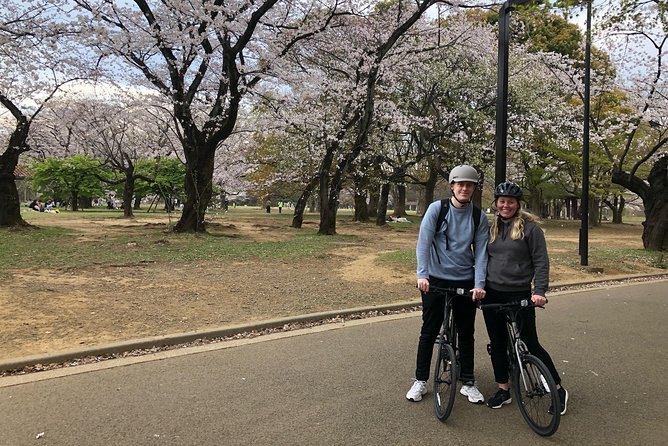
Your loop starts at Yoyogi Park, which is a smart warm-up zone. It gives your group a calmer starting rhythm before you hit the visual and traffic intensity of central Shibuya. Expect an early feel for pacing and group formation here.
Then comes the big ones in sequence:
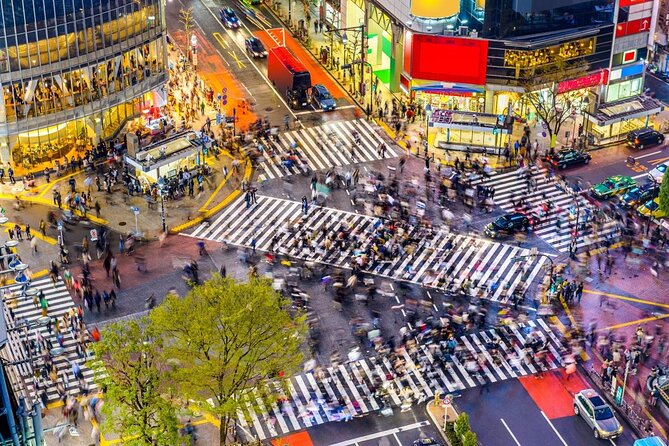
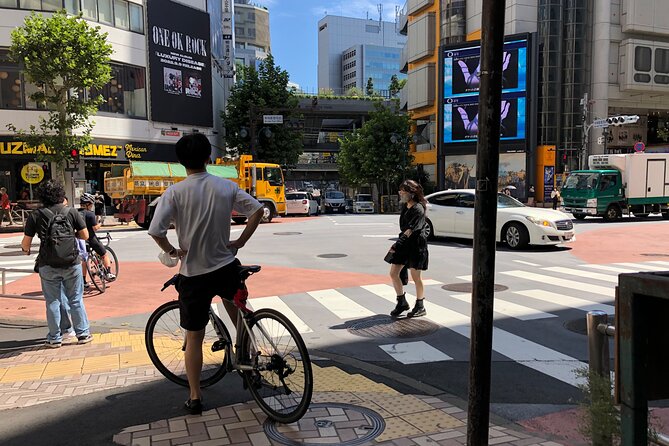
- Shibuya Crossing: the famous crossing is where Tokyo becomes real. On a bike, you get a wider view of how flows of people and cars interact, rather than just standing in one spot.
- Hachiko: this is the classic meeting-point landmark stop, perfect for photos and a moment of familiar context before you move back into neighborhood streets.
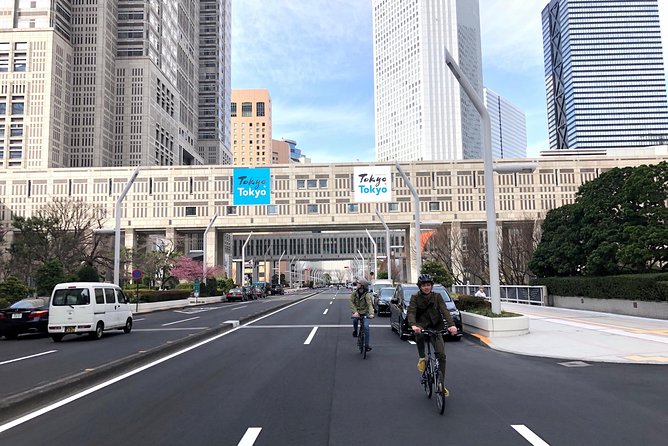
A key practical point: the tour is designed so you don’t rely on public transport to get between areas. You’re cycling through the city instead of waiting on transfers, which usually feels like a time-saver when your schedule is tight.



Cat Street and Aoyama Street: side lanes that feel like daily Tokyo
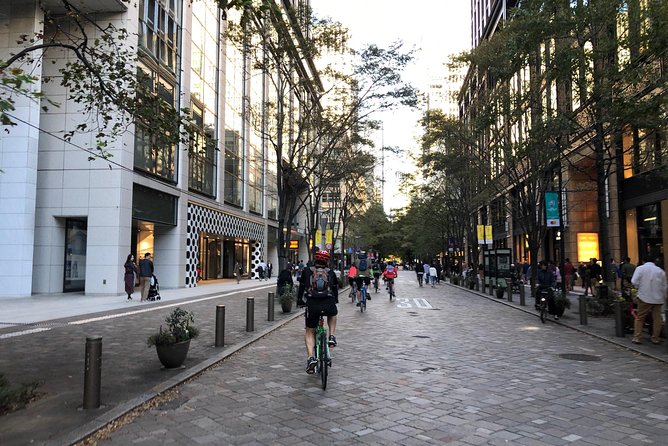
After the iconic Shibuya moments, the route shifts toward street-level texture. You’ll ride through parts of Shibuya along with Harajuku and Aoyama, and you’ll also cover Gaien per the route description. Translation: you get more than one flavor of the same city block.
Stops include Shibuya Cat Street and Aoyama Street. This is where the tour starts to earn its name of hidden Tokyo, not because you’re in some secret tunnel, but because you’re moving through streets most first-timers would skip. You’ll see how the area feels when you’re not photographing only the headline spots.
If you’re the type who likes to understand a neighborhood, this is a strong portion of the ride. You can notice street layout, pacing, and where people naturally slow down. And because you’re on a bike, you keep momentum without feeling like you’re just being shipped from one attraction to another.
Aoyama Cemetery and Japan National Stadium: a breather with a view
Not every stop is peak crowds. Two later stops add variety and a break from the heavy foot-traffic zones:
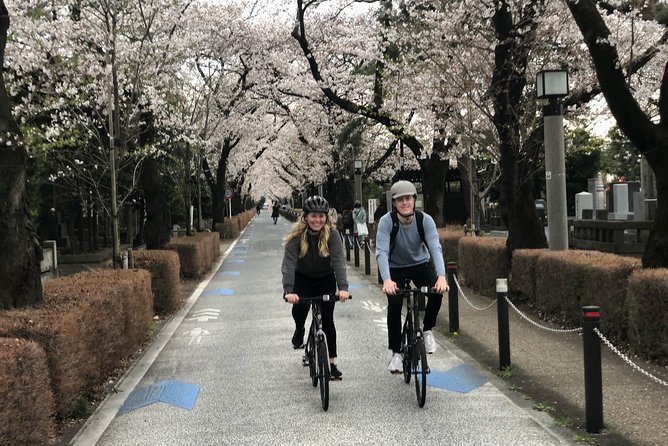
- Aoyama Cemetery: it’s a quieter stop built into the route, which helps the day feel less like a nonstop highlight reel. Even if you don’t know much about the site already, it works as a pause.
- Japan National Stadium: this adds a sense of scale and structure. It’s a natural contrast to the dense street feel around Shibuya, and it gives your photos some breathing room.
This mix matters because the tour is about cycling through Tokyo’s different “moods.” A straight line of only famous stops can feel exhausting. Here, the route seems designed to keep your energy consistent for the full ride.
Pace, distance, and what you should expect to feel
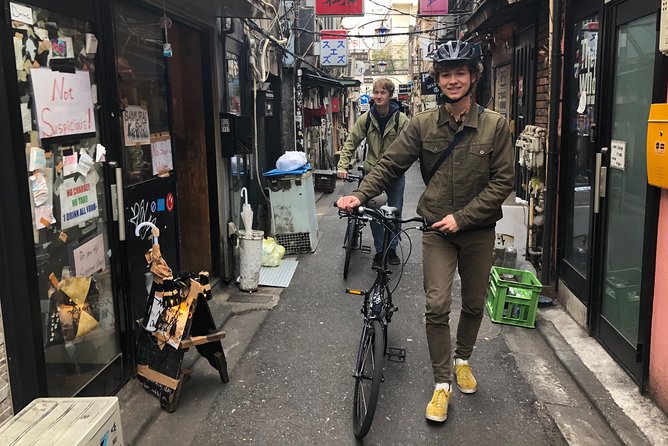
The group travels at about 15 km/h, which is a typical cycling speed but still fast enough that you can’t coast the whole time. Plan to spend the entire 3 hours actively riding, not just grabbing quick stop photos.
In at least one ride, people report covering roughly 9–10 miles. That matches the idea that the tour is “more sights than on foot,” but it’s not a casual stroll. Think of it as city cycling with pauses, not a museum circuit.
Also note the bike setup: the tour uses bicycles suitable for heights between 155 cm and 195 cm, and participants must weigh no more than 120 kg. If you’re outside those ranges, you may not be able to join.
Most importantly, the tour is for people who can handle cycling on pavements and through crowded or tight spaces. If you’re only comfortable riding in quiet parks and never in traffic, this tour might feel stressful even with a guide.
Bikes and traffic rules: the real deal for cyclists in Japan
You must follow Japanese traffic rules and the guide’s instructions. That’s not red tape. It’s how you stay safe when you’re riding close to others and sharing space with cars, buses, and pedestrians.
You’ll likely spend a lot of time in mixed environments: sidewalks/pavements, cross traffic signals, and tight turns. The tour explicitly asks for confidence in cross traffic lights and crowded spaces, so don’t treat that as optional.
One more detail that affects comfort: the tour proceeds in light rain, but it may cancel due to sudden weather changes. Tokyo can switch moods quickly, so if you go on a rainy day, bring rain gear that won’t trap your movement.
What makes this Tokyo bike tour different from a simple sightseeing loop
Many tours promise highlights. This one tries to deliver a better mix: famous Shibuya sights plus parts of the surrounding neighborhoods you’d miss if you only depended on transit.
Two things make it stand out in real-life planning:
- Local advice beats a facts-only guide. The tour’s goal is you leaving with plenty of tips for further exploration, including cafe and restaurant recommendations from someone who lives in the area.
- The guide can tailor the route. Some rides are customized if you already saw certain spots. That means the tour can feel less repetitive even if you’ve done Shibuya once already.
Also, the photos matter more than you might think. People mention that Taichi takes pictures during the ride, including at Shibuya Crossing. That’s a small detail, but it saves you from sprinting for your camera while you’re still trying to stay safe in traffic.
How to use this tour for the rest of your Tokyo week
I recommend booking this earlier in your trip. Why? It helps you understand how Shibuya and nearby districts connect, and it gives you a mental map you can reuse when you build the rest of your schedule.
After the ride, take the guide’s recommendations and turn them into one or two focused plans, not a giant list. Pick a cafe, a walking street, or a neighborhood return visit. Then use transit with confidence because you already learned how the area moves.
If you’re into city photography, bring a camera you can carry hands-free for short moments. Shibuya Crossing and other stops are fast, and the bike pace means you get clean sightlines without standing in one crowded position for long.
Who should book this Tokyo Bike Tour
This tour makes the most sense if:
- You want Shibuya + nearby districts in one 3-hour ride
- You’re comfortable cycling on city paths and handling traffic lights and crowded areas
- You enjoy guides who answer questions and share practical local ideas
- You like seeing Tokyo at street speed, not only from train windows
It may not fit if:
- You’re a brand-new cyclist who avoids busy streets
- You want an electric bike or a super easy ride with zero road exposure
- You’re outside the bike fit limits (height 155–195 cm, weight up to 120 kg) or under the minimum age of 13
Should you book Tokyo Bike Tour: Shibuya and Hidden Tokyo?
If you’re planning a first visit to Tokyo’s Shibuya area and you want more than a checkbox itinerary, I’d book it. The combination of small-group size, guide-led routing, and a route that mixes major icons with quieter stops makes this a high-efficiency way to understand the neighborhood.
But be honest with yourself about comfort. This is a real cycling experience at around 15 km/h, and the tour expects you to handle mixed pedestrian and traffic conditions. If that part sounds manageable, you’ll likely come away with both photos and a usable sense of how Tokyo works on two wheels.
Operated by COG Explorer Japan, the tour is designed to run on two daily departures, with a simple plan that starts near both Yoyogi and Shinjuku.
FAQ
How long is the Tokyo bike tour?
The tour lasts about 3 hours.
How much does the tour cost?
It costs $64.73 per person.
Where is the meeting point?
The start is at Umayamichi Park, 5-chōme-24-11 Sendagaya, Shibuya, Tokyo 151-0051, Japan, and the tour ends back at the meeting point.
What are the key stops on the route?
Stops include Yoyogi Park, Shibuya Crossing, Hachiko, Shibuya Cat Street, Aoyama Street, Aoyama Cemetery, and Japan National Stadium.
How many people are on the tour?
The tour has a maximum of 6 travelers.
What cycling level do I need?
You should be able to cycle on pavements, cross traffic lights confidently, and ride through crowded or tight spaces. You’ll also be expected to ride at about 15 km/h.
Is there an age limit?
Yes, you must be 13 years or older.
Are there height and weight limits for the bike?
Bicycles are suitable for heights between 155 cm and 195 cm, and you must weigh no more than 120 kg.
What happens if it rains?
The tour proceeds in light rain, but it may be canceled due to sudden weather changes.
Can I cancel for a full refund?
Yes. You can cancel up to 24 hours in advance for a full refund. If you cancel less than 24 hours before the start time, the amount paid is not refunded.