REVIEW · TOKYO
Tokyo Great Cycling Tour
Book on Viator →Operated by 東京グレートサイクリングツアー · Bookable on Viator
Pedaling through Tokyo beats any walking plan. I love the small group capped at 12, and I love how bikes can reach places buses cannot, while guides like Toshi, Nick, and Naoko keep the ride safe and teach you Japanese history and culture as you go. The main thing to plan for is moderate physical fitness, plus weather can change what the day feels like.
This tour runs about 6 hours starting at 9:00 am, with a mobile ticket and the day finishing back at the meeting point.
In This Review
- Key takeaways before you ride
- Why this Tokyo Great Cycling Tour clicks
- Price and value: what $99.49 buys you
- Meeting point and timing: start strong at 9:00 am
- Stop 1: Tsukiji Jogai Market for a real taste of Tokyo
- Stop 2: Zojo-ji Temple and the Tokyo Tower contrast
- The ride through high-rise districts and a cemetery in fashion territory
- Stop 3: Meiji Jingu Shrine for a reset from the city
- Stop 4: Imperial Palace area and the sense of place
- Guides, safety, and how the ride stays comfortable
- Weather and comfort: when the day shifts
- Who should book this cycling tour
- Should you book this Tokyo Great Cycling Tour?
- FAQ
- How long is the Tokyo Great Cycling Tour?
- What time does the tour start?
- Where is the meeting point?
- What is the maximum group size?
- What stops are included?
- Is admission included for the main stops?
- What fitness level do I need?
- Do I get a paper ticket or a mobile ticket?
- When will I receive confirmation after booking?
- What is the cancellation policy and what if weather is bad?
Key takeaways before you ride
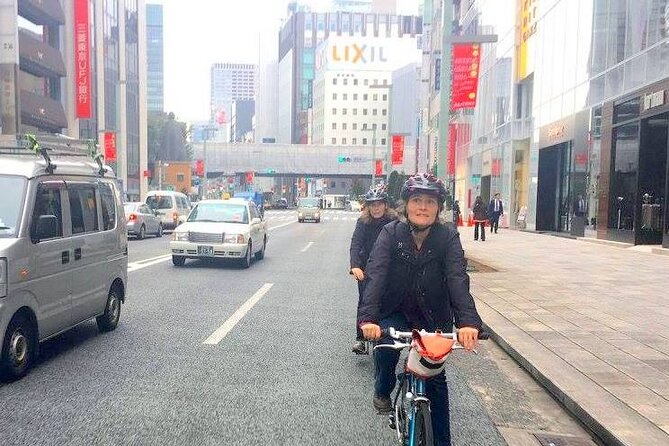
- Max 12 riders means easier pacing and real interaction with your guide
- Bikes go where buses can’t, so you connect major sights with less wasted time
- Tsukiji Outer Market on the schedule for a real sense of Tokyo in motion
- Zojo-ji’s Tokyo Tower photo contrast gives you a classic skyline-meets-temple moment
- The day flexes with weather, and on hot days the plan may shift to keep you comfortable
Why this Tokyo Great Cycling Tour clicks
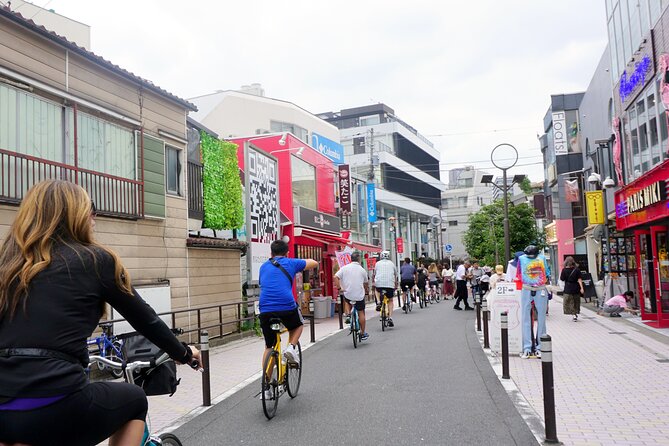
Tokyo is a city of layers. You’ve got old temples and shrine traditions next to high-rise offices and slick shopping streets. Walking can do it, but you burn energy on sidewalks and crossings. A bike tour makes the layers connect fast.
What I like most is the combo of access + education. You get to move like a local—short rides, frequent viewpoint changes, and quick stops—then your guide helps you understand what you’re seeing. The tour also leans into the practical truth: with a bike, you can reach corners and stretches that big vehicles often can’t.
And you still get time to look around. This is not just a drive-by photo stop. Each main site is timed so you can see the basics, ask questions, and get your own bearings before rolling on.
The other big win is the small-group format. With a maximum of 12 riders, you’re less likely to feel swallowed by the crowd, and you’re more likely to get help when you need it. That kind of attention matters when you’re riding through a real city.
You can also read our reviews of more tours and experiences in Tokyo.
Price and value: what $99.49 buys you
At $99.49 per person for about 6 hours, the value comes from three places:
- You’re not paying extra for admission at the main stops listed on the schedule. Tsukiji Jogai Market, Zojoji Temple, Meiji Jingu Shrine, and the Imperial Palace area are all marked as free admission on the plan.
- Transportation is included in the ride itself. The bike is what gets you from neighborhood to neighborhood without adding extra transit time.
- You’re buying local guidance. The guide isn’t just keeping pace; they’re explaining Japanese history and culture as you pedal, plus they’re looking after safety and welfare while you’re moving.
Could you spend less by taking trains and walking? Sure. But you’d trade the bike speed and direct access for more transit hops, longer walks, and less time at the sights themselves. This tour is designed for getting a lot of Tokyo into a single day without turning it into a sprint.
Meeting point and timing: start strong at 9:00 am
The tour starts at Tokyo Great Tours, 1-chōme-3-2 Shinkawa, Chuo City, Tokyo 104-0033, Japan, at 9:00 am. It ends back at the meeting point. It’s also noted as near public transportation, so you won’t be locked into a taxi.
In practical terms, that morning start helps. Tokyo traffic and pedestrian congestion tend to build across the day, and your bike time is the key resource here. If you’re the type who likes to get moving early, you’ll appreciate this schedule.
Also, you’ll get a mobile ticket, so there’s less friction with paper and last-minute searching.
Stop 1: Tsukiji Jogai Market for a real taste of Tokyo
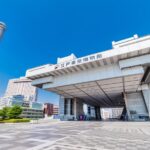
Your first stop is Tsukiji Jogai Market, where you’ll spend about 15 minutes. The timing is smart. You’re starting your day with an area that’s still active after the Inner Market moved to Toyosu. That means you get the sense of people shopping, grabbing snacks, and going about their day.
Why this stop matters on a bike tour: it’s not just a single building or a museum stop. It’s an atmosphere stop. You’ll walk a bit, look around, and get a snapshot of how Tokyo food culture lives right in the streets.
A possible drawback is also simple: 15 minutes is quick. If you want to sample a lot of items, this is the kind of place where you might want to plan for extra time later on your own. On the tour, Tsukiji is more about context than a long food crawl.
Stop 2: Zojo-ji Temple and the Tokyo Tower contrast
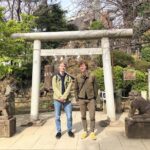
Next up is Zojoji Temple for about 15 minutes. This is where Tokyo’s visual contrast really hits. Zojo-ji is described as an old Buddhism temple, and the plan highlights the dramatic contrast between the traditional temple buildings and Tokyo Tower in the background.
That contrast is the reason this stop works. You get more than one style of Tokyo in a single glance. It’s old and modern sharing the same frame. And because you’re on a bike, you can reach this spot without turning the day into a transportation puzzle.
Two practical tips for this stop:
- Wear shoes that handle short walks on uneven surfaces you might find around temple areas.
- Plan to bring your phone up for photos, because the Tokyo Tower viewpoint is part of the appeal here.
Time is again limited to about 15 minutes. Use it to look at the main temple structures, soak in the Tokyo Tower backdrop, and ask your guide how the place fits into Tokyo’s spiritual landscape.


The ride through high-rise districts and a cemetery in fashion territory
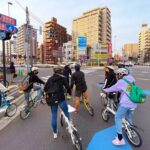
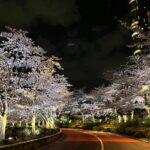
Between major landmarks, you’ll roll through areas with lots of high-story apartment, shopping, and office buildings. The schedule also mentions a cemetery located in fashionable areas. That’s a useful Tokyo lesson: the city’s most striking contrasts aren’t hidden. They’re close together.
This segment is also where bike tours feel different from bus tours. You’re not sitting inside a vehicle watching passing scenery. You’re moving through it slowly enough to notice details, but fast enough to keep the day efficient.
One consideration: riding means you’ll feel more wind and sun than you would walking in the shade. If the day is bright, have sun protection ready and keep an eye on heat. Your guide can guide the pace, but you still want to arrive hydrated.
Stop 3: Meiji Jingu Shrine for a reset from the city
Meiji Jingu Shrine is next, with about 20 minutes on the plan and free admission. It’s described as Tokyo’s most popular Shinto shrine, so you can expect an energy that feels different from street-level commerce.
This is another smart choice for a bike tour day. After markets, temples, and urban architecture, you get a place built for quiet reflection. Even with limited time, 20 minutes can be enough to take in the shrine atmosphere and understand why this site is a major cultural reference point for visitors and locals alike.
The likely drawback is crowding. If it’s a busy period, your time can feel tighter. The solution is simple: use your 20 minutes intentionally—quick orientation first, then slow down where the guide directs your attention.
Stop 4: Imperial Palace area and the sense of place
Your final major stop is the Imperial Palace area, again with about 15 minutes and free admission. The schedule frames it as where the Emperor and Empress live. Even if you focus only on what you can see from the outside areas you’re visiting, this stop gives Tokyo a different kind of meaning.
This is also a good finale because it shifts the tone of the day. You started with active streets and a modern skyline contrast. Now you end with a place tied to national identity and long-standing tradition.
A short stop can be satisfying if you’re clear about your goal: you’re here for context and presence, not for a long deep-dive. Let your guide’s points land quickly, then use your remaining minutes to do the quiet parts yourself—watch how the space feels, notice the surrounding city, and consider how power and daily life sit side by side in Tokyo.
Guides, safety, and how the ride stays comfortable
A bike tour is only fun if it feels safe and organized. The strongest praise tied to this experience centers on the guide care. People highlight that the guides took good care of riders and ensured safety and welfare throughout the route.
Names that come up in the feedback include Toshi, Nick, and Naoko. That matters because it signals consistent guide attention, not a random cast or a quick handoff.
If you’re wondering what it feels like day-to-day, here’s the practical expectation: you’ll ride in a group, stop at planned checkpoints, and you’ll be told what to watch for. Your guide’s job is to manage the group while also making the sightseeing make sense.
Your fitness level should be moderate. This isn’t labeled as an extreme endurance ride, but it still requires comfort on a bike and the ability to pedal steadily for stretches. If you’re unsure, consider how you do on a half-day of city walking or cycling at a steady pace.
Weather and comfort: when the day shifts
This experience requires good weather. That’s not just marketing language. When you’re riding for hours, rain, high wind, or intense heat can change the comfort level quickly.
The most telling detail from the feedback is that on a very hot day, the picnic part of the day was changed to a lunch at an izakaya. That’s exactly what you want to hear: flexibility that protects comfort.
So go into the day ready for temperature swings. If it’s hot, expect the guide might adjust food plans. If weather is truly bad, the tour operator will offer a different date or a full refund if it’s canceled due to poor weather.
Who should book this cycling tour
I think this tour fits best if you want:
- A lot of Tokyo in one day without cramming extra transit into your schedule
- Classic sights grouped smartly, from Tsukiji to shrines to the Imperial Palace area
- A guide who explains what you’re seeing, rather than sending you off with a map
- A small-group vibe where you can ask questions and keep your bearings
It may be less ideal if you strongly prefer very long stops at one location, because the plan is structured with shorter time windows at each highlight.
It also suits couples and solo riders who want companionship without the chaos of a massive group. And it’s a great match for people who like photos but also like understanding the places behind the photos.
Should you book this Tokyo Great Cycling Tour?
My decision checklist is pretty simple.
Book it if:
- You want bikes + major landmarks in a single 6-hour window.
- You like learning Japanese culture and history while moving through real neighborhoods.
- You value a max-12 group and a guide who prioritizes safety.
Skip it or rethink if:
- You’re not comfortable with moderate physical effort on a bike.
- You only enjoy slow sightseeing with lots of free time per stop.
- You’re traveling at a time when you expect major weather disruption and you dislike plan changes.
For most people who want an efficient, guided Tokyo day that feels local rather than boxed-in, this is an easy yes. You’ll leave with the feeling that you actually traveled through Tokyo’s contrasts, not just around them.
FAQ
How long is the Tokyo Great Cycling Tour?
The tour lasts about 6 hours.
What time does the tour start?
The start time is 9:00 am.
Where is the meeting point?
The tour meets at Tokyo Great Tours, 1-chōme-3-2 Shinkawa, Chuo City, Tokyo 104-0033, Japan.
What is the maximum group size?
The maximum group size is 12 travelers.
What stops are included?
The tour includes Tsukiji Jogai Market, Zojo-ji Temple, Meiji Jingu Shrine, and the Imperial Palace area, with additional scenery passed during the ride.
Is admission included for the main stops?
Admission for the listed stops is marked as free on the tour information: Tsukiji Jogai Market, Zojo-ji Temple, Meiji Jingu Shrine, and the Imperial Palace area.
What fitness level do I need?
The tour notes a moderate physical fitness level.
Do I get a paper ticket or a mobile ticket?
You receive a mobile ticket.
When will I receive confirmation after booking?
Confirmation is received within 48 hours of booking, subject to availability.
What is the cancellation policy and what if weather is bad?
You can cancel for a full refund up to 24 hours in advance. The experience requires good weather, and if it’s canceled due to poor weather you’ll be offered a different date or a full refund.