REVIEW · TOKYO
3-Hour Tokyo Private E-Bike Tour Starting from Your Hotel
Book on Viator →Operated by Tokyo Bike Bliss · Bookable on Viator
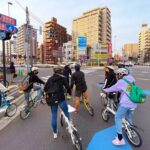
Tokyo feels easier when you have wheels and a plan. This private 3-hour e-bike tour is built around your pace, with pickup and drop-off so you spend less time figuring out trains. You get an English guide who routes you through major sights plus quieter photo stops, and you’re on an e-bike with a helmet and safety guidance.
I especially like two things: the hotel-to-tour convenience (no wrestling with stations at the start) and the way the guide helps you see Tokyo without feeling rushed. One thing to keep in mind: the exact stops can vary by route depending on where you start and end, so not every listed highlight is guaranteed.
In This Review
- Key highlights that matter in real life
- How hotel pickup turns 3 hours into real sightseeing
- Your 3-hour ride: paced for you, but stops can shift
- E-bike setup and safety rules (the stuff that makes the ride feel calm)
- Tokyo Tower photos without the usual scramble
- Imperial Palace perimeter walks and history you can actually see
- Parks that feel like Tokyo’s pressure valve: Yoyogi and Ueno
- Shrines and local spirituality: Kanda Shrine stop that changes your perspective
- Tsukishima Monja Street: food culture told the local way
- Shibuya Crossing by bicycle: yes, you’ll feel the junction energy
- Skyline viewing from Tokyo Metropolitan Government Buildings
- Asakusa: Kaminarimon Gate and the Senso-ji entrance feel
- What the price really buys you (and when it’s a great deal)
- Who should book this e-bike tour (and who should think twice)
- Should you book this tour?
- FAQ
- FAQ
- What’s included in the tour price?
- Does the tour include hotel pickup and drop-off?
- How long is the tour?
- Is the tour private?
- Are lunch, drinks, or snacks included?
- Are all listed sights guaranteed on every tour?
- What rules should I know before riding?
- What weather requirements apply?
Key highlights that matter in real life
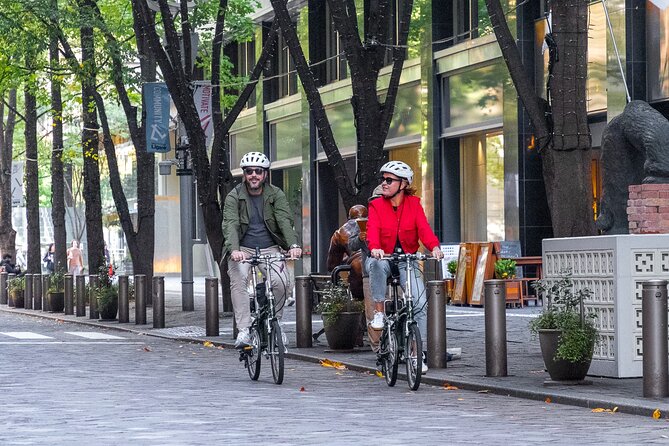
- Hotel pickup and drop-off mean you start the tour already in motion
- Private, English-guided riding tailored to your pace and questions
- E-bikes with assist power make hills and long stretches feel manageable
- Top sights plus smarter photo angles (Tokyo Tower and Shibuya Crossing included on many routes)
- Free quick stops at several major landmarks when included
- Safety-first approach with road rules, no earphones, and clear riding behavior expectations
How hotel pickup turns 3 hours into real sightseeing
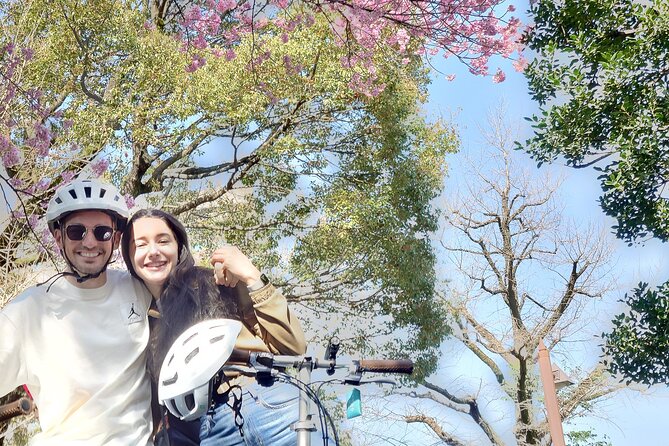
Tokyo is not a small city. Even experienced travelers lose time once they’re juggling directions, station lines, and “wait, where do we cross?” moments. With this tour, you’re picked up and dropped back at your hotel area, so the time block actually stays a sightseeing block.
It also changes the vibe. You’re not starting the day stressed. You meet your guide, get set up on the bike, and then you’re off—often before the crowds peak. In a couple of reviews, guests noted their guide met them right on time (even a bit early) and had a clear plan for the day, which helps you relax and trust the route.
You can also read our reviews of more tours and experiences in Tokyo.
Your 3-hour ride: paced for you, but stops can shift
The tour is designed as a half-day introduction, and it generally moves through big-ticket areas. Think “west-to-east” energy: starting with landmark photo moments, then gliding through parks and shrines, and ending up at places like Shibuya Crossing and major views.
That said, Tokyo is complicated, and bike routes depend on where you begin. The tour information is explicit that some stops might not be included depending on the route. So if you have one or two must-sees, ask about the best match for your starting point when you book. The operator notes you can request changes, though they may involve additional charges.
A smart way to think about the time: you’re not doing long museum entries. You’re getting short, well-timed looks—photo spots, perimeter walks, and quick culture context—so you can decide what to return to later.
E-bike setup and safety rules (the stuff that makes the ride feel calm)
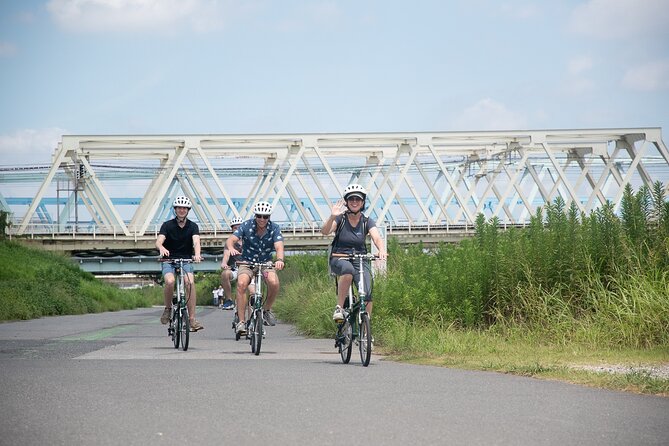
This is the kind of tour where the details matter, because the ride depends on everyone staying predictable. You’ll have an e-bike, a helmet, and instructions about road regulations in Japan before you roll.
In reviews, the guide’s safety focus comes up again and again. One guest specifically called out how attentively safety was handled for the whole group. Another mentioned clear rules and reassurance from the start. That matters because Tokyo streets can go from calm side-road to fast pedestrian zones quickly.
You’ll also need to follow the tour rules:
- No wireless earphones and no smartphone use while cycling
- No sandals/flip flops, no skirts, no high-heeled shoes, and no pants with very wide or flared bottoms
- No smoking and no alcohol before or during the tour
Comfort tip: wear shoes you can pedal in confidently. You want grip, not debate.
There are also practical sizing guidelines listed: ideally 145cm–185cm, under 100kg, and ideally age 10+. If you’re near those edges, it’s worth checking what fits best at booking so the bike setup feels right.
Tokyo Tower photos without the usual scramble
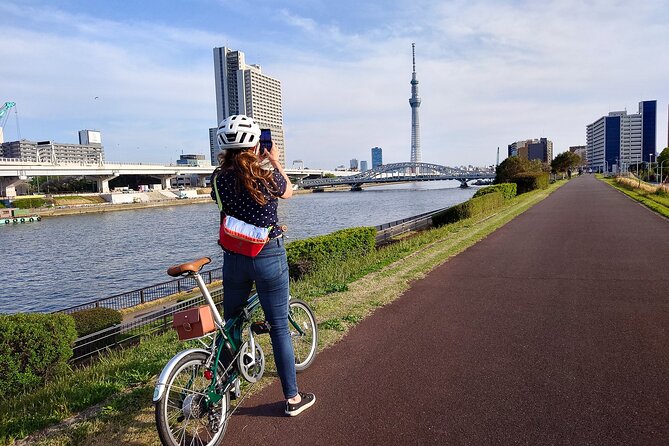
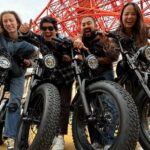
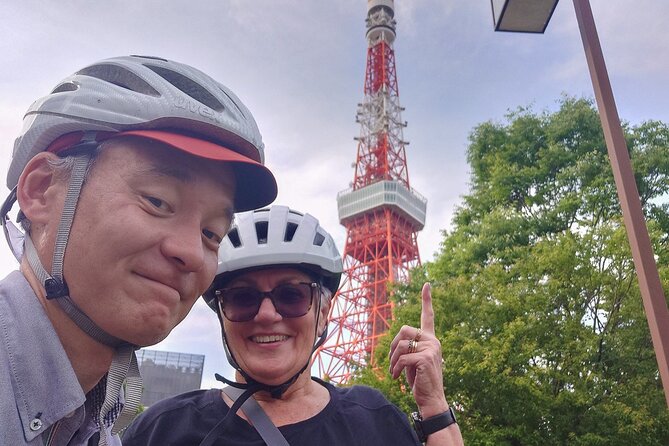
When Tokyo Tower is on your route, it’s more than a quick glance. The tour is built to get you chances at famous photo angles and also lesser-known spots the guide can find by bike. That means you’re not only standing in the same cluster of tourists every time the tower appears.
Plan for a short stop—about 10 minutes when included. That’s plenty for a few photos and a look from a couple angles, but not a slow sightseeing session. If you’re hoping to go up, one review mentioned they visited the Tokyo Tower Main Deck as part of their day’s flexibility, so it’s possible depending on the route plan.
Drawback to note: this stop is not guaranteed for every itinerary. If Tokyo Tower is your #1, mention it clearly when requesting your starting/ending plan.
Imperial Palace perimeter walks and history you can actually see
Another common highlight is the Imperial Palace area, where you can learn Japanese history by tracing the perimeter of the former moats. Instead of reading signs, you’re watching the shape of the place—walls, boundaries, and the rhythm of the grounds.
Again, the stop is brief (around 10 minutes when included). Think of it as a “see it, learn the context, move on” moment. If you love history, you’ll probably want to return later for a longer walk.
Also, the palace stop can vary by route. So treat it as a strong possibility, not a promise, unless you confirm during booking.
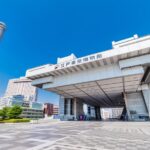
Parks that feel like Tokyo’s pressure valve: Yoyogi and Ueno
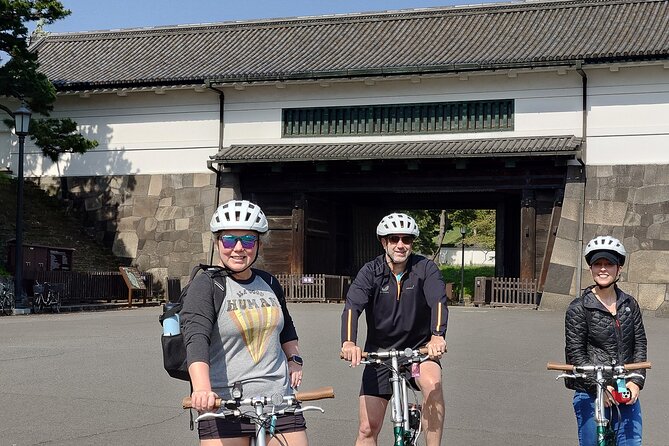
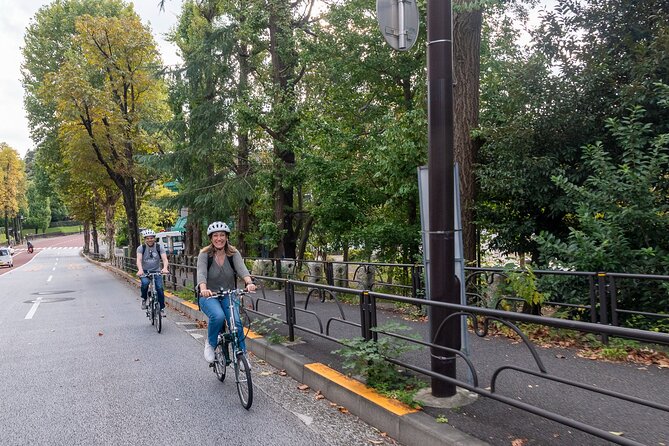
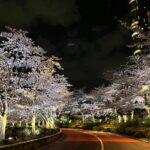
Tokyo has a talent for hiding calm. This tour uses parks to give you breaks from traffic and dense streets.
Two of the big green stops that show up on many versions:
- Yoyogi Park: described as a big, beautiful park right inside the city, perfect for bike breathing space
- Ueno Park: one of Tokyo’s largest park areas, with a practical “why it matters” explanation built in
These are also short stops (about 10 minutes when included). The goal isn’t to picnic your way through the day. It’s to let your legs reset, enjoy the breeze, and get a human-scale view of Tokyo.
In reviews, people also mentioned enjoying cycling through parks and feeling the cooling effect, especially in heat. The e-bike assist helps here too—you get airflow and less strain, so the break feels like a break.
Shrines and local spirituality: Kanda Shrine stop that changes your perspective
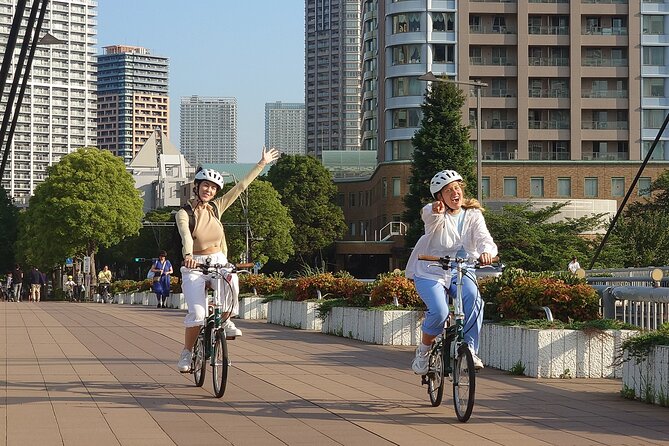
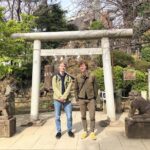
If Kanda Shrine is on your route, expect a spiritual site with a guide who explains what you’re seeing and what it means in Japanese life. The tour framing is practical: you learn another aspect of how Japanese people experience religion and community through places like shrines.
This is also a 10-minute stop when included. That’s enough for a meaningful look and a short explanation, but it’s not a long temple tour. If you want to light incense and linger, consider asking your guide for a short extra minute if the schedule allows.
As always with this bike route, it depends on the plan you get that day.
Tsukishima Monja Street: food culture told the local way
Tsukishima Monjya Street is where the tour gets more “Tokyo neighborhood” than “classic postcard.” Yes, monja (that savory Tokyo-style dish) is famous here. But the value of a guided stop is that you hear the background—how locals talk about the area and what makes it feel like a distinct food neighborhood.
This stop is also listed as around 10 minutes when included. It’s meant for orientation and context, not a full meal marathon. Also, remember that lunch and snacks aren’t included, so you’ll likely want to grab food on your own timing.
One review mentioned the guide offering choices for breaks such as a quick convenience store stop like 7-Eleven or a coffee shop. That’s useful here: if you want water or a quick bite, your guide can help you plan the timing so the ride stays smooth.
Shibuya Crossing by bicycle: yes, you’ll feel the junction energy
Shibuya Crossing is the kind of place that looks chaotic on foot and can feel even more intense when you’re moving with a group. The tour leans into that: you’ll visit the busiest junction in a way that’s meant to help you experience it without getting lost in the crowd.
When included, the stop is about 10 minutes. That’s enough to see how the flow works and get photos from a better spot than the usual pedestrian bottleneck. In one of the route descriptions shared in a review, guests highlighted how safe they felt throughout the ride, which is exactly what you want when you’re approaching a high-energy location.
Like others, this stop depends on the route. If Shibuya is non-negotiable for you, prioritize it when you make your route request.
Skyline viewing from Tokyo Metropolitan Government Buildings
Another possible big visual moment is the Tokyo Metropolitan Government Buildings viewpoint area, where you can see the twin-tower style office buildings from a viewing spot. This one is all about perspective: the guide helps you place Tokyo in your mind, not just photograph a single icon.
The included stop time is short (about 10 minutes when it’s on your route). It’s a quick hit, good for a couple of photos and a mental map: where you are relative to major landmarks.
Asakusa: Kaminarimon Gate and the Senso-ji entrance feel
If you catch Kaminarimon Gate, you’re looking at the entrance to Asakusa Senso-ji Temple, famous for that giant lantern and classic photo framing. The guide’s job here isn’t to recite facts. It’s to get you oriented and help you see the symbolism so the stop feels more meaningful than a quick snap.
Again, this is about 10 minutes when included. If Senso-ji is a top priority, consider pairing this tour with a follow-up visit on another day when you can slow down.
What the price really buys you (and when it’s a great deal)
At $145.35 per person for about 3 hours, you’re paying for private guiding plus actual logistics help. The bike and helmet are included, and so is insurance plus instructions about riding rules. The tour also offers hotel pickup and drop-off, which is often the hidden cost in Tokyo sightseeing.
Here’s the value math that tends to make sense:
- If you’d otherwise spend time figuring out train transfers and meeting points, pickup/drop-off saves stress and time
- If your group wants to see multiple areas without hiring multiple taxis or guides, a private bike route can be efficient
- If e-bikes help you ride further with less fatigue, you get more Tokyo in a short window
The tradeoff is that it’s not a bargain for a single landmark. This is best when you treat it as an orientation day—when you’ll later return to your favorite neighborhoods under your own steam.
Who should book this e-bike tour (and who should think twice)
This fits best if you want:
- A first-day introduction to Tokyo
- A way to see big highlights without turning every block into a navigation puzzle
- A comfortable option for pacing—especially if walking for hours would wear you down
Family groups also show up in the reviews, with comments about feeling safe and enjoying a shared experience across neighborhoods. One review even described it as family-friendly with a strong guide relationship, which tells me the tone is relaxed while still keeping structure.
Think twice if:
- You only care about one or two ultra-specific locations and need a strict, guaranteed order of stops
- You want long stays at temples, museums, or food stalls (this tour is designed for short, well-timed stops)
Should you book this tour?
If you want an easy, guided way to cover Tokyo’s top areas and a few quieter corners in just 3 hours, this is a solid choice. The private format, hotel pickup, and e-bike setup make it one of the more efficient ways to kick off a trip, especially if you’re not in the mood to play transportation chess.
I’d book it when you want structure without rigidity: you’re open to the route plan, you care about safety, and you like learning what you’re looking at while moving. If Tokyo Tower and Shibuya Crossing are top priorities for you, request your route clearly at booking—so the day you get matches what you came for most.
FAQ
FAQ
What’s included in the tour price?
You’ll get use of an e-bike, a helmet, insurance, instructions about brief road regulations in Japan, and an in-person English guide.
Does the tour include hotel pickup and drop-off?
Yes. The tour offers pickup and drop-off for convenience.
How long is the tour?
The experience runs for about 3 hours.
Is the tour private?
Yes. It’s a private tour/activity, so only your group participates.
Are lunch, drinks, or snacks included?
No. Lunch, bottled water, coffee/tea, and snacks are not included.
Are all listed sights guaranteed on every tour?
The route can vary based on your starting and ending spot, and some stops might not be included depending on the route.
What rules should I know before riding?
You can’t smoke or drink alcohol before or during the tour. You also shouldn’t use wireless earphones or use a smartphone while cycling. Footwear and clothing rules are also specified (for example, no sandals/flip flops, no skirts, and avoid pants with wide or flared bottoms).
What weather requirements apply?
The experience requires good weather. If it’s canceled due to poor weather, you’ll be offered a different date or a full refund.